


How to Prevent Heart Disease and Stroke: 30 Ways to Reduce Your Risk
Updated: Mar. 16, 2022





Take cardiovascular disease from high risk to lower with these simple tips.
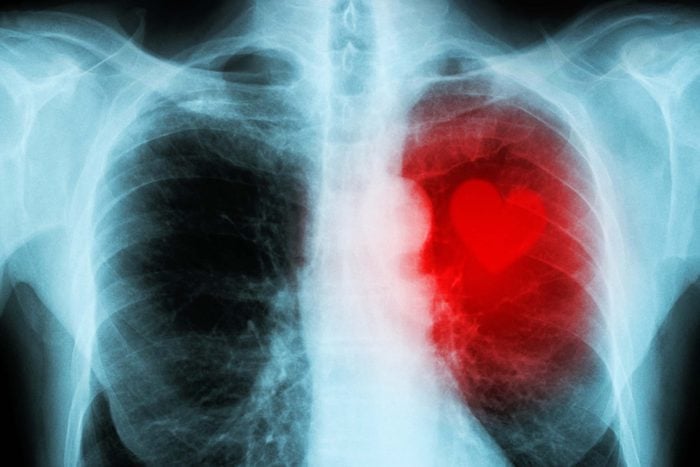
Converting high risk into low risk
Between 1950 and 2000, the death rate from heart disease in the United States plummeted nearly 70 percent, and the death rate from stroke nearly 80 percent. However, although we’re dying of heart attack and stroke less often, we’re still getting cardiovascular disease just as often. In fact, some factors that put us at risk, such as obesity and diabetes, have become more common.
We’re dying less often because of the technological and pharmacological advances of modern medicine. But is your idea of a healthy future being pulled back from the brink by bypass surgery? Needing a personal secretary to keep track of your medications? Better living through angioplasty?
We thought not. Far preferable is learning how to prevent heart disease altogether. It can take some work to convert a high risk for cardiovascular disease into a low risk. But we’re here to tell you that it can be done! You know the mission we’re on: putting the power of stealth at the service of your health. Make these small changes to your daily routine, and they add up to a powerful dose of heart disease prevention—no coronary care units or intra-aortic balloon pumps required. Don’t miss these things that heart doctors do to protect their own hearts.

Ride your bike 20 minutes a day
When German researchers had 100 men with mild chest pain, or angina, either exercise 20 minutes a day on a stationary bike or undergo an artery-clearing procedure called angioplasty, they found that a year after the angioplasty, 21 men suffered a heart attack, stroke, or other problem compared to only 6 of the bikers. Just remember that if you already have angina, you should only begin an exercise program under medical supervision.
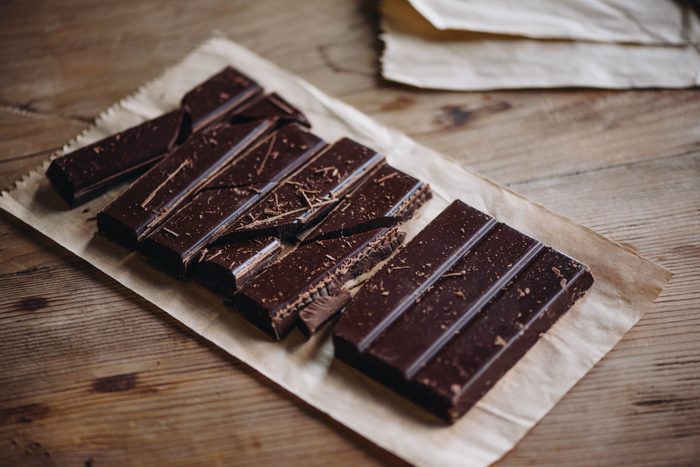
Eat a piece of dark chocolate several times a week
Believe it or not, several small studies suggest dark chocolate could be good for your heart! The beneficial effects are likely due to chemicals in chocolate called flavonoids, which help arteries stay flexible. Other properties of the sweet stuff seem to make arteries less likely to clot and prevent the “bad” cholesterol, LDL, from oxidizing, making it less likely to form plaque. Dark chocolate is also rich in magnesium and fiber. But steer clear of milk chocolate, which is high in butterfat and thus tends to raise cholesterol. There are other great benefits of dark chocolate as well.

Have a beer once a day
A study published in the Journal of Agricultural and Food Chemistry found that men who drank one beer a day for one month lowered their cholesterol levels, increased their blood levels of heart-healthy antioxidants, and reduced their levels of fibrinogen, a protein that contributes to blood clots. Of course, red wine might be even better. Choose either beer or wine—not both.
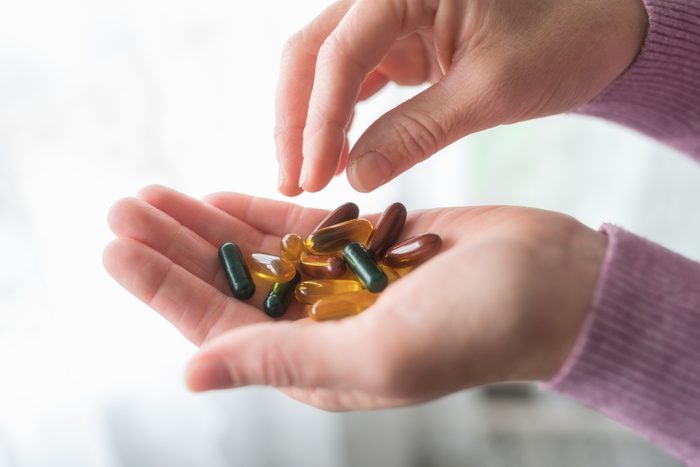
Take a B vitamin complex every morning
When Swiss researchers asked more than 200 men and women to take either a combination of three B vitamins (folic acid, vitamin B6, and vitamin B12) or a placebo after they had surgery to open their arteries, they found that levels of homocysteine, a substance linked to an increased risk of heart disease, were 40 percent lower in those who took the vitamins. The placebo group had no change. Plus, the vitamin group had wider-open blood vessels than those taking the sugar pill.
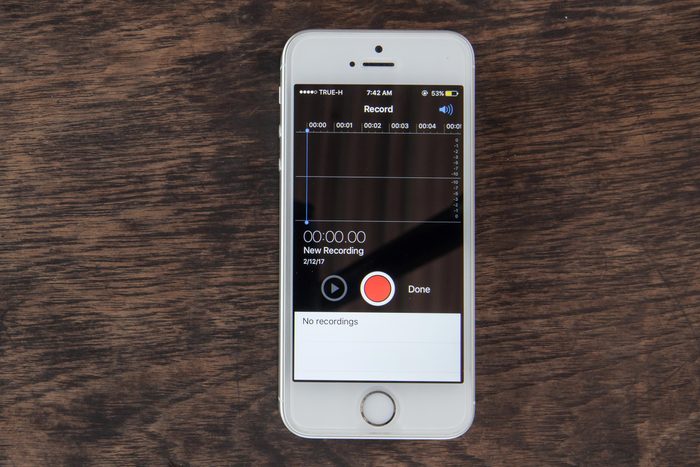
Tape-record your snores
If you hear yourself snoring (or if your sleeping partner has been kicking you a lot), make an appointment with your doctor. You may have sleep apnea, a condition in which your breathing stops hundreds of times throughout the night. It can lead to high blood pressure and other medical problems, and even increase your risk for heart attack and stroke. (Consider one of these other products that help you monitor your heart’s health at home.)

Go to bed an hour earlier tonight
A Harvard study of 70,000 women found that those who got less than seven hours of sleep had a slightly higher risk of heart disease. Researchers suspect lack of sleep increases stress hormones, raises blood pressure, and affects blood sugar levels. Keep your overall sleeping time to no more than nine hours, however. The same study found women sleeping nine or more hours had a slightly increased risk of heart disease. Sleeping too long can have other negative effects as well.
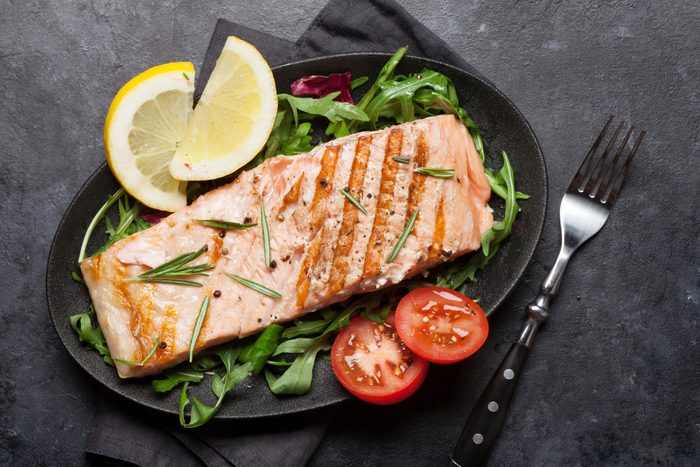
Eat fish at least once a week
Have it grilled, sautéed, baked, or roasted—just have it. A study published in the Journal of the American Medical Association in April 2002 found that women who ate fish at least once a week were one-third less likely to have a heart attack or die of heart disease than those who ate fish only once a month. Other studies show similar benefits for men. Another major study found regular fish consumption reduced the risk of atrial fibrillation—rapid, irregular heartbeat—a major cause of sudden death. Learn more about how to prevent stroke by eating certain foods.
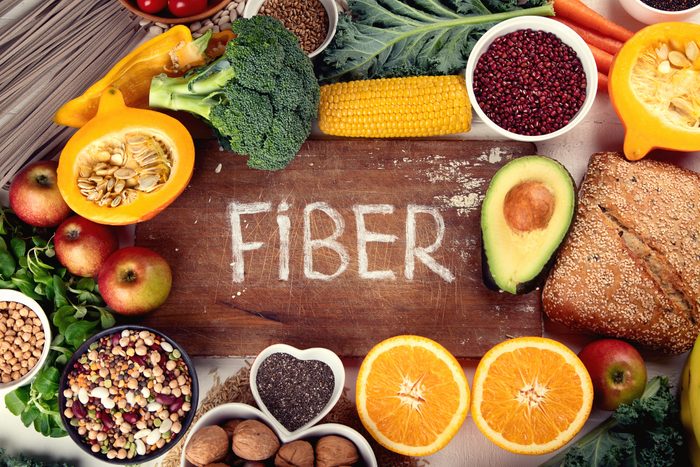
Eat a high-fiber breakfast at least four times a week
If you want to avoid heart disease, pay attention to dietary fiber. Those with high fiber diets appear to be at significantly lower risk for developing coronary heart disease, stroke, and hypertension, among other conditions. Simply increasing fiber intake can lower blood pressure and serum cholesterol levels. Dietary fiber intake provides many health benefits, yet most US adults eat less than half of the recommended amount. Here is how you can get more fiber in your diet without even trying.
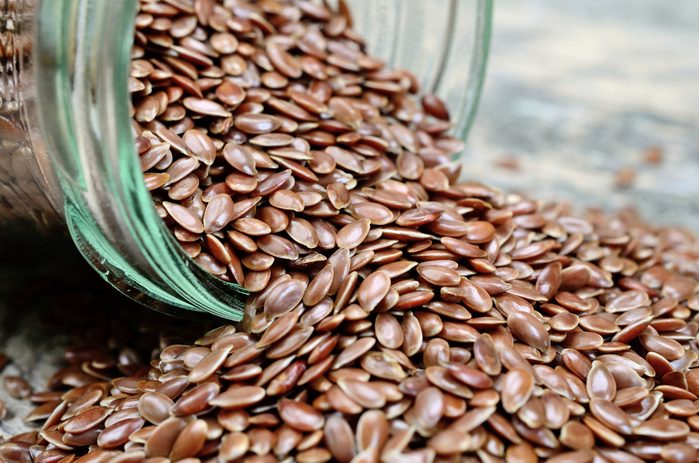
Sprinkle an ounce of ground flaxseed on your yogurt
This way you’ll be getting about 2 grams of omega-3 fatty acids, healthy fats that numerous studies have found help prevent heart disease and reduce your risk of dying suddenly from heart rhythm abnormalities.
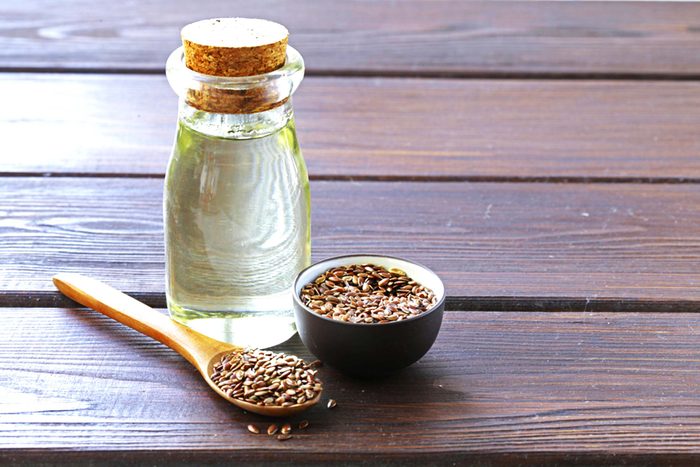
Make salad dressing with a tablespoon of flaxseed oil
It packs a whopping 7 grams of omega-3 fatty acids, which, as we’ve just mentioned, are a great way to improve your overall heart health.
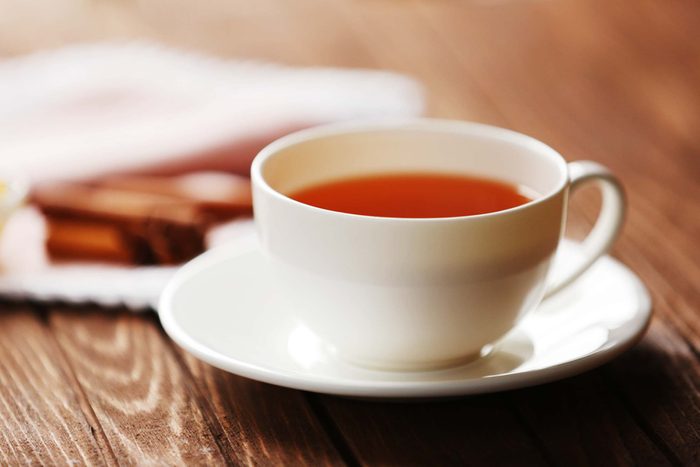
Drink at least two cups of tea a day
Black or green, it doesn’t seem to matter. At least, that’s the result of a Dutch study that found only 2.4 percent of 5,000 healthy Rotterdam residents who drank two or more cups of tea a day had a heart attack within six years, compared with 4.1 percent of those who never drank tea. Another major analysis of 17 studies on tea drinkers found three cups a day could slash the risk of a heart attack by 11 percent. Here is the best tea for every type of mood.
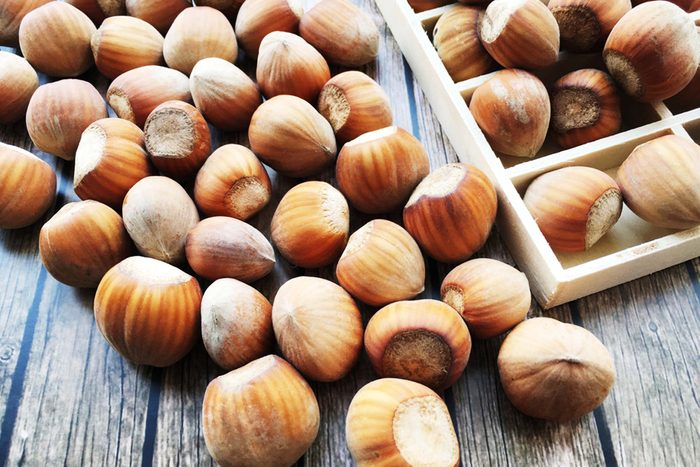
Stir a handful of hazelnuts into a vegetable-and-chicken stir-fry
Just 1.5 ounces of these healthy nuts a day can reduce your risk of cardiovascular disease. Another hazelnut idea: Crush them and use to coat fish or chicken, then bake.
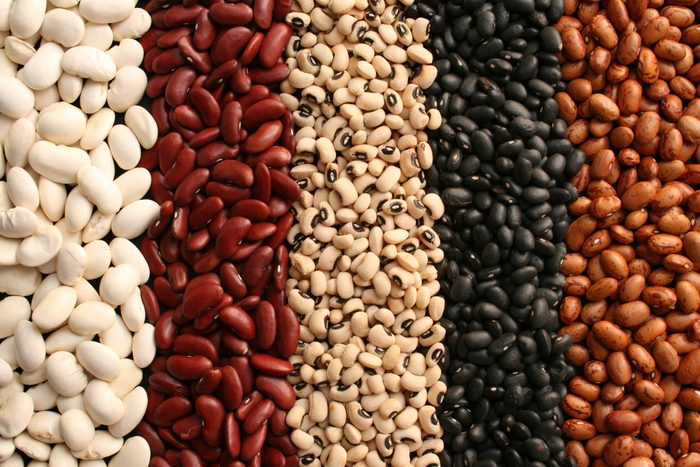
Include beans or peas in four of your dishes every week
Researchers at Tulane University found that people who followed this advice slashed their risk of heart disease by 22 percent compared to those who ate fewer legumes.

Have sex tonight
It counts as physical activity, which, of course, is good for your heart. And that may be why University of Bristol researchers found that men who have sex at least twice a week are less likely to have a stroke or other cardiovascular problems than men who have it less often. As the researchers put it: “Middle-aged men should be heartened to know that frequent sexual intercourse is not likely to result in a substantial increase in risk of strokes, and that some protection from fatal coronary events may be an added bonus.” Women probably stand to benefit too. Yeah, baby! Try these natural libido boosters to have even better sex.
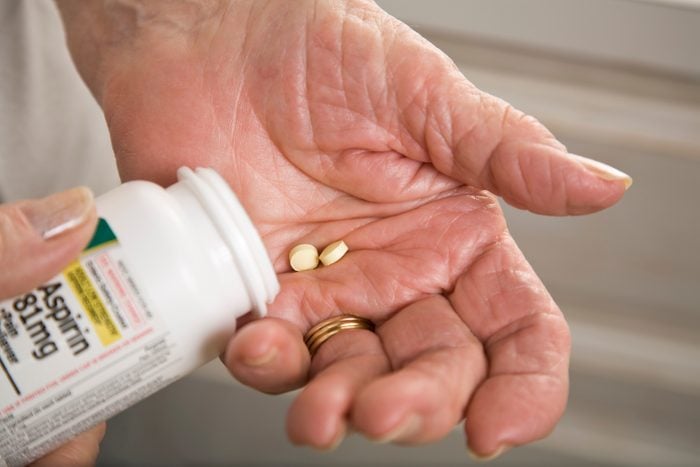
Take a baby aspirin every day
University of North Carolina researchers found that the tiny tablet slashes the risk of heart disease by nearly a third in people who have never had a heart attack or stroke but who were at increased risk (because they smoked, were overweight, had high blood pressure, or had some other risk factor). Just double-check with your doctor that there’s no reason for you not to take aspirin daily. If you’re avoiding aspirin, because of risk of gastrointestinal bleeding, you might want to read up on the supplement pycnogenol (pine bark extract), which is said to provide many of the same blood-thinning properties, without this risk.
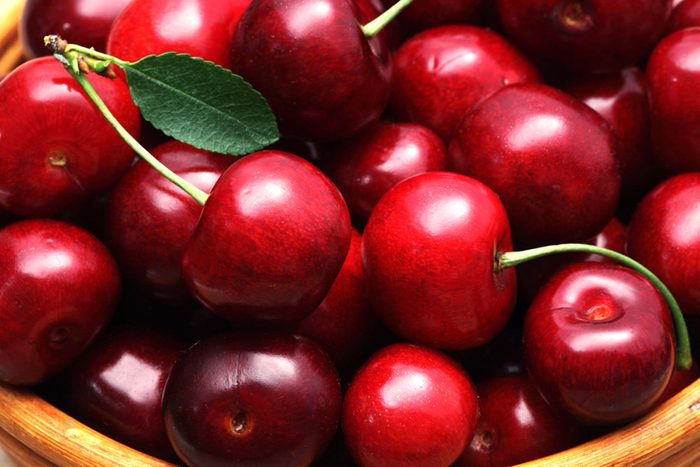
Eat 15 cherries a day
Studies find the anthocyanins (plant chemicals) that give cherries their scarlet color also work to lower levels of uric acid in blood, a marker for heart attacks and stroke. Cherries out of season? Try sprinkling dried cherries on your salad or substituting a cup of tart cherry juice for orange juice in the morning.
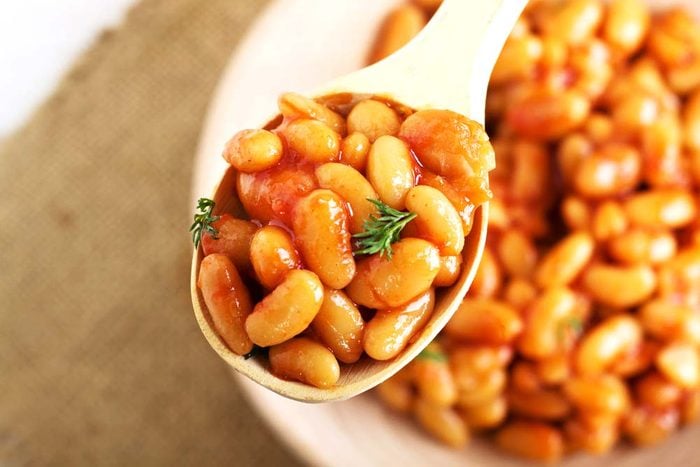
Eat one cup of beans per day
Do this and you’ll be getting at least 300 micrograms (mcg) of folate. A study from Tulane in New Orleans found that people who consumed at least this much folate slashed their risk of stroke by 20 percent and their risk of heart disease by 13 percent more than those who got less than 136 mcg per day of the B vitamin. Not into beans? Try an orange (55 mcg), some raw baby spinach (58 mcg in 1 cup), romaine lettuce (62 mcg in 1 cup), or tomatoes (27 mcg in 1 cup).
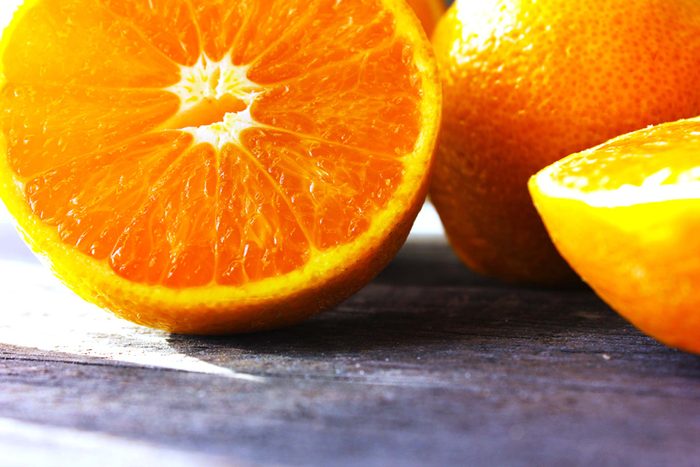
Eat an orange every day
Or drink a glass of orange juice. Oranges, as you know, are a great source of vitamin C. Studies suggest diets high in this vitamin may reduce your risk of stroke, especially if you smoke. Tired of oranges? Substitute a bowlful of strawberries, a serving of brussels sprouts or broccoli, or a chopped red bell pepper—all excellent sources of vitamin C. Try these useful things you can do with orange peels when you finish eating your orange.
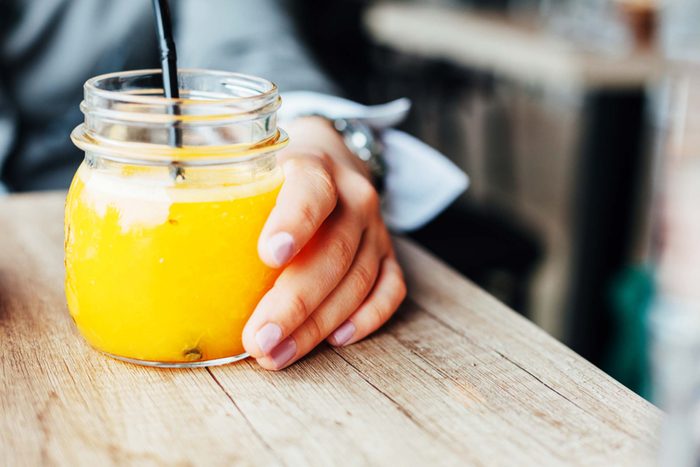
Replace soda
The reason has to do with inflammation, the body’s response to damage or injury. Chronic inflammation, linked to heart disease, is significantly affected by what you eat. For instance, researchers at the State University of New York found that drinking glucose-sweetened water triggered an inflammatory response in volunteers, but drinking the same calories in a glass of orange juice didn’t. They theorize that the anti-inflammatory effects of vitamin C and various flavonoids in juice may provide some protection. Choose 100 percent juice instead of drinks that are mostly sweetened, flavored water. Other studies on orange juice find it can increase blood levels of heart-protective folate almost 45 percent and reduce levels of heart-damaging homocysteine by 11 percent.
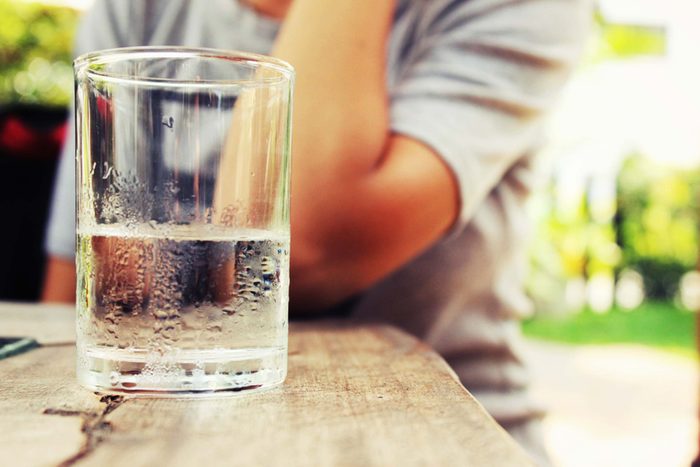
Drink an 8-ounce glass of water every two hours
The key in how to prevent heart disease could have to do with hydration. A study from Loma Linda University in California found that women who drank more than five glasses of water a day were half as likely to die from a heart attack as those who drank less than two. This is likely due to the fact that maintaining good hydration keeps blood flowing well; dehydration can cause sluggish blood flow and increase the risk of clots forming. Water works best when it comes to improving blood flow; soda is worthless. Try these clever ways to get more fluids.
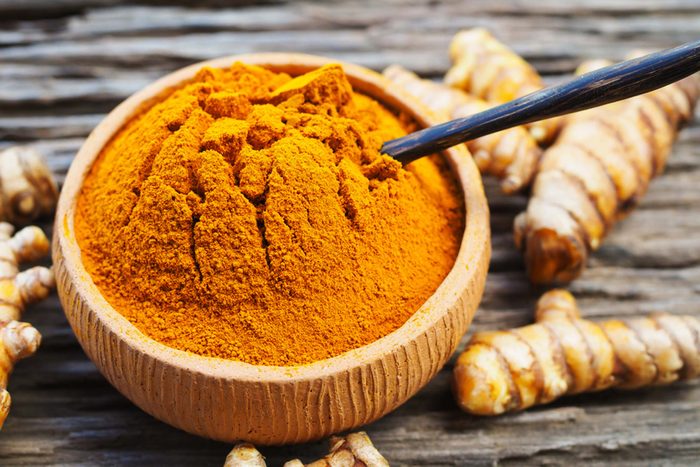
Cook with ginger or turmeric twice a week
They have anti-inflammatory benefits, and inflammation is a major contributor to heart disease. Here is what turmeric is really doing to your body.

Go to the loo whenever you feel the urge
Research at Taiwan University found that a full bladder causes your heart to beat faster and puts added stress on coronary arteries, triggering them to contract, which could lead to a heart attack in people who are vulnerable.

Ask for next Monday and Friday off
Researchers at the University of Pittsburgh analyzed data on more than 12,000 middle-aged men from the Framingham Heart Study and found that those who took regular vacations sliced their risk of death from heart disease by a third. And no, taking along the cell phone, laptop, and a briefcase full of papers will not help you achieve the stress-reducing effects of a vacation that, in turn, reduces your risk of heart disease.
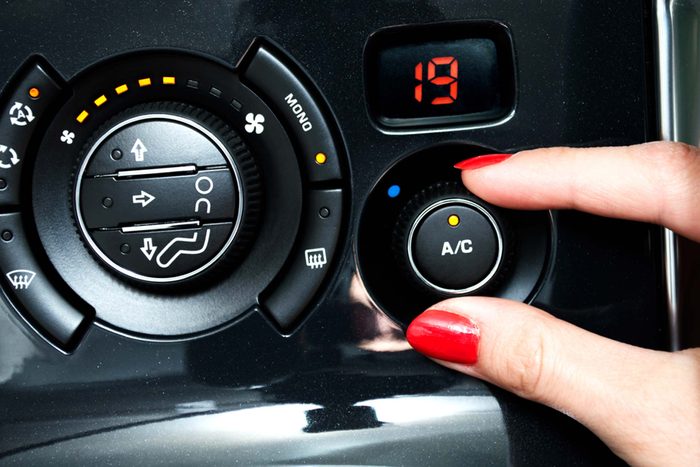
Drive with the windows closed and the air conditioning on
This reduces your exposure to airborne pollutants, which a Harvard study found reduces something called “heart rate variability,” or the ability of your heart to respond to various activities and stresses. Reduced heart rate variability, also called HRV, has been associated with increased deaths among heart attack survivors as well as the general population. Find out how to prevent heart disease complications in the winter.
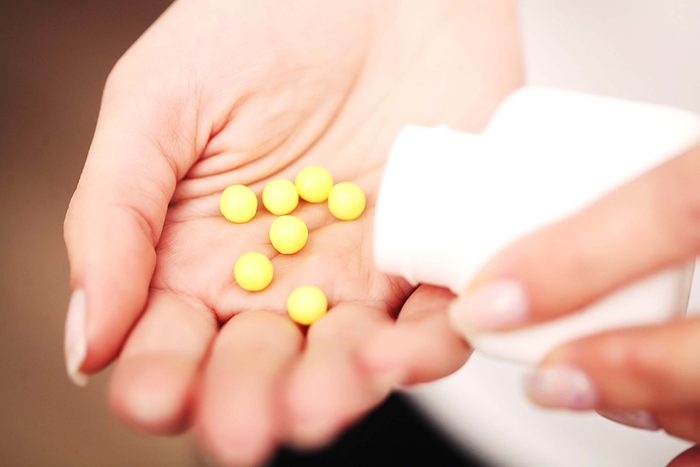
Keep a bottle of multivitamins on your kitchen counter
Make the pills a regular addition to breakfast. After six months of taking daily multivitamins, participants in one study had significantly lower levels of a protein connected with inflammation than those who didn’t take a vitamin.

Call a friend and arrange dinner
Wondering how to prevent heart disease? Ask a friend! The Swedish Survey of Living Conditions, which surveyed more than 17,000 people, found that those with the fewest social contacts were at a 50 percent higher risk for dying of cardiovascular disease. It appears that having a very close relationship with another person, whether it’s with a friend, lover, or relative, can halve the risk of a heart attack, even in someone who has already had a heart attack.
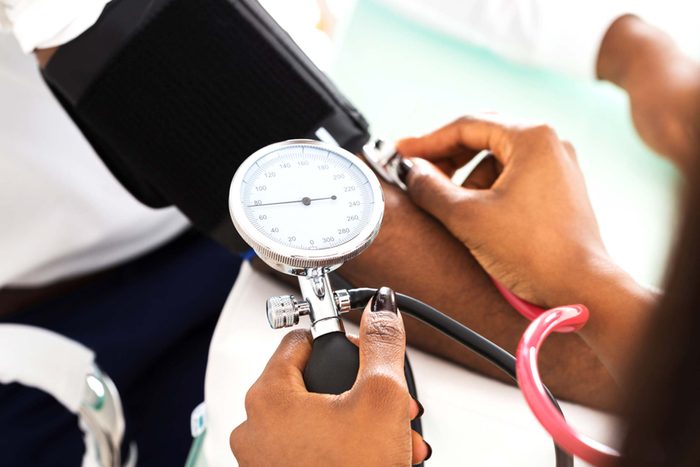
Pay attention to heart-health basics
In the US, 50 percent of deaths from cardiovascular disease among adults age 45 to 79 were attributed to preventable risk factors, such as smoking, diabetes, high blood pressure, or high cholesterol levels. High blood pressure and smoking were tied to the highest proportion of preventable deaths.

Along with exercising every day, take a supplement
Make sure the supplement contains the amino-acid L-arginine and the antioxidant vitamins C and E. A study published in the Proceedings of the National Academy of Sciences found that while moderate exercise alone reduced the development of atherosclerosis, or hardening of the arteries, adding L-arginine and the vitamins to the mix boosted the effects astronomically. The two—exercise and the supplements—have a synergistic effect in enhancing production of nitric oxide, which protects against a variety of heart-related problems.

If you find you’re having trouble getting out of bed in the morning
… or you have lost interest in normal activities, especially those that you used to enjoy, or just feel really blah, see your doctor. You may be depressed, and untreated depression significantly increases your risk for a heart attack.

Go to the pound this weekend and adopt a dog
The power of furry friends to improve heart health is proven. Not only will a dog force you to be more active (think about all the extra walking you’ll be doing), but the companionship and unconditional affection a pooch provides has been shown to reduce the risk of heart attack and other cardiovascular problems. These are the secrets your pet isn’t telling you.
