


11 Ways Exterior Paint Colors Could Boost Your Home’s Value

Updated: Jan. 06, 2023





Selling a house can be a nightmarish task, but don't worry! We've consulted top property experts to help you sell your home at its top value with as little renovation work as possible. These exterior painting tips can make a world of difference!
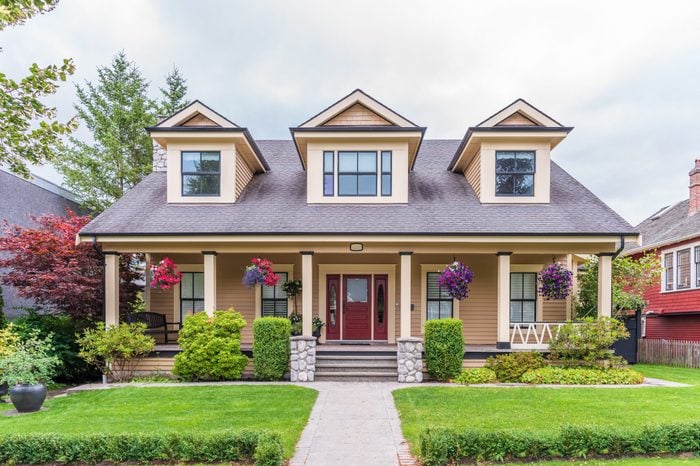
Why curb appeal is important
In a 2019 analysis of homes sold by Zillow, the average cost of updating the paint (inside and out) on a home and doing basic landscaping was around $3,000. It may seem like a lot, but if you pick the correct exterior paint colors, and follow these other smart ways to sell your house as fast as possible, you can get your three grand back and then some.
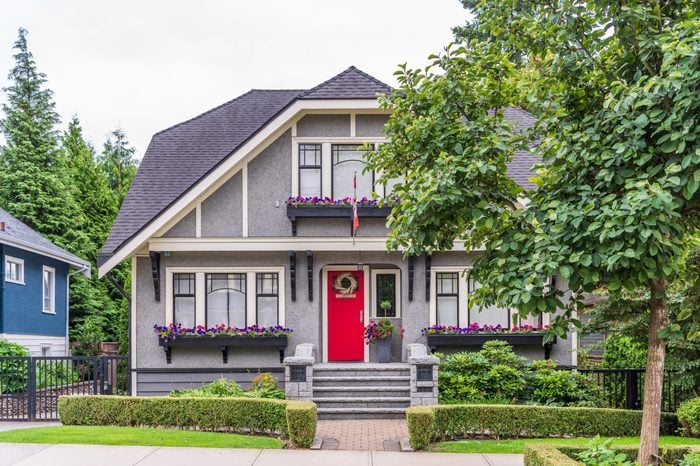
Avoid bright colors
“If you’re most concerned with being able to quickly resell this home, avoid bright colors,” advises Kayla Hein, Creative Director at Modern Castle. “While these may look good on Pinterest, it’s a rare case when a bright home exterior is the best choice. Furthermore, bright homes tend to be a very personal choice. They’re generally not a good choice for the ‘average buyer’ and can make it harder to sell a home. If you want a unique color, consider accenting the front door or shutters with a fun bright color, but let the exterior be something more neutral.” Find out more colors you shouldn’t have in your home.
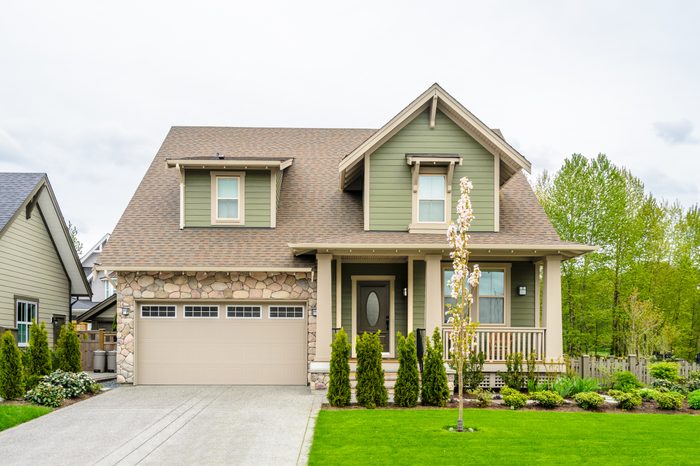
Paint your door black
According a Zillow Paint Color Analysis, a black front door could increase the price of your home by 2.9 percent. Learn more about the paint color that can help sell your home for $6,000 more.
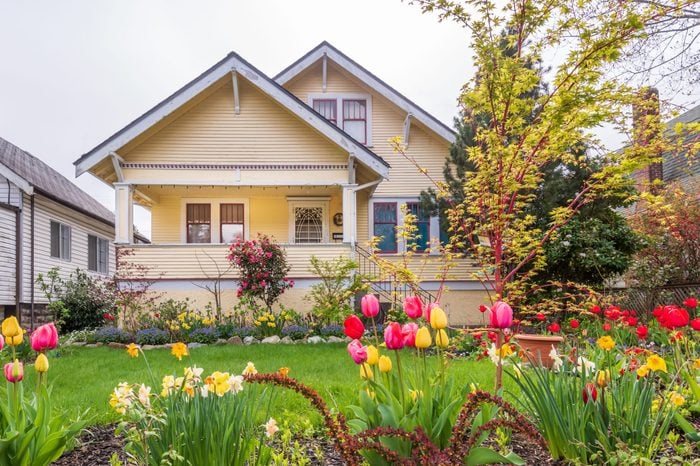
Steer clear of yellow
We all love a sunshiney house…but maybe not literally. Zillow’s analysis found that yellow homes sold on average for almost $3,500 less than expected. Plus, learn the paint colors that make your home look dirty.
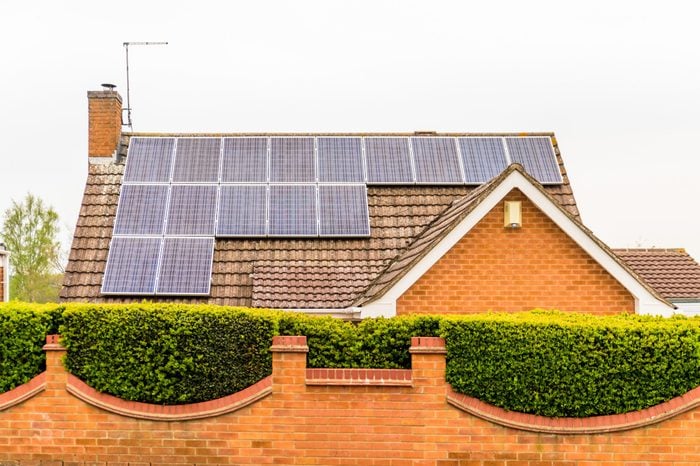
Go green
Okay, not literally. This one isn’t about the exterior paint colors of your home but about what’s sitting on its roof. Zillow found that homes with solar panels on top sell for 4.1 percent more.
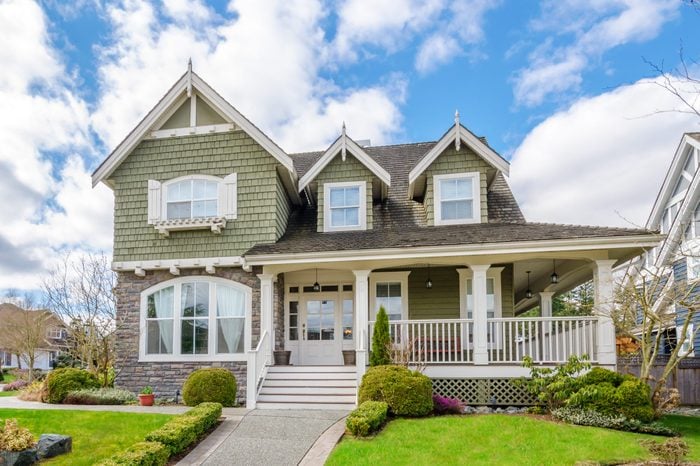
Sage green
Or maybe you do want to try green out! “A sage green exterior is another excellent choice for home exteriors,” Hein told RD. “Sage, especially when you select a tone on the lighter side, feels fresh, neutral, and contrasts well with white trim or black accents, like a dark front door. It has a natural feel to it and blends well with existing landscaping, without being too muted or too overpowering.” For a hint of color without being “too much,” sage could be a great choice to consider. As for the paint colors inside your home, find out what hidden meanings those hold.
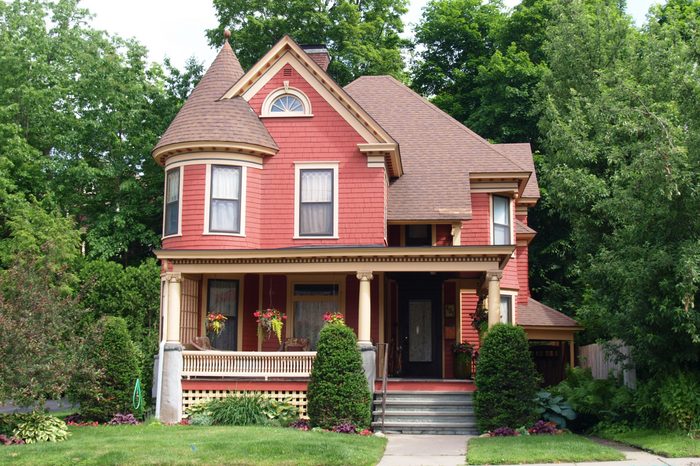
Keep the home itself in mind
One size does not fit all when it comes to exterior paint colors. “When determining the best color, you need to consider what is the best color for this home and the area it’s in. This means first taking a look at the architectural style of the home. Every home has a color palette that will work best on that style,” says Cristina Miguelez, remodeling specialist at Fixr.com. “For example, Victorian homes are meant to be painted Victorian colors: colors that have a small amount of black mixed in. Some homes need to have two or more colors, while others look best with one solid color and a single accent on shutters or trim.” These 13 kitchen upgrades make your home look more expensive.
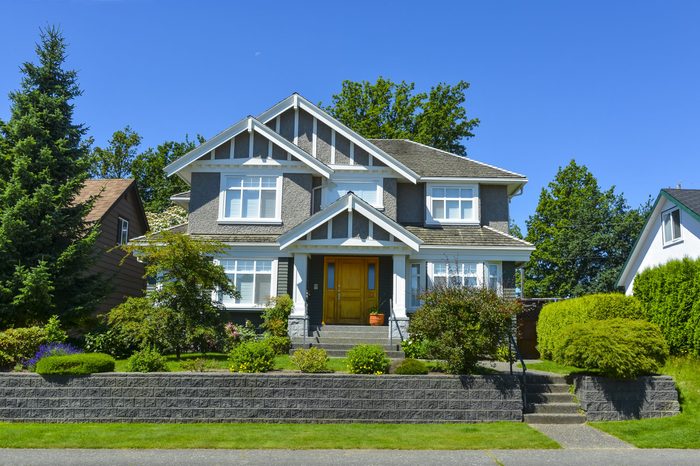
Pay attention to where you live
It’s not just the style of the house that matters, but the styles that are popular in your region. “The South likes dark colors, while New England likes coastal hues: white, gray, blue, etc. The Midwest likes neutrals, and the West Coast likes rich tones in green and gray, as well as more vibrant and deep hues in reds and golds,” Miguelez adds. By working with your region’s popular colors, as well as the colors that work best on your home, you’re going to get a more appealing result. This will help a home sell more quickly and is less likely to be off-putting to buyers. What region your home is in is one of the questions you need to ask yourself while selling your home.
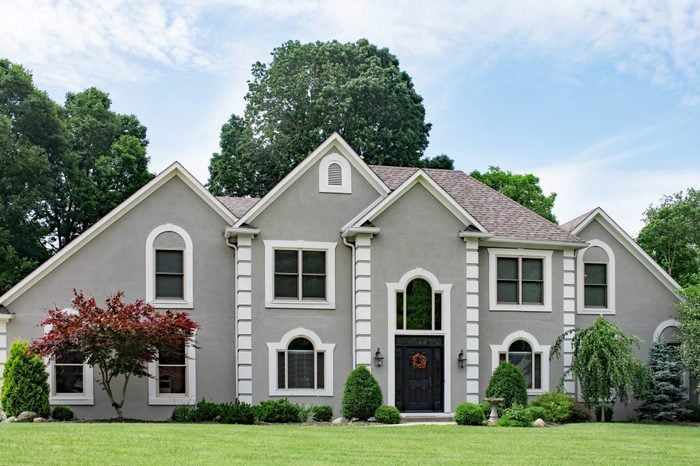
Neutrals are always a safe bet
“Many homebuyers don’t want to spend extra money after closing on a new home, and neutral colors like white, light grey, taupe, beige, or even ‘greige’ (a grey-beige) that go with just about anything have the greatest overall appeal,” Beatrice de Jong, top LA realtor and Consumer Trends Expert at Opendoor, told RD. “Subtle contrasting colors on the trim or windowpanes [are] a great way to enhance the architectural elements and highlight a home’s exterior for buyers. In turn, this can help a home sell more quickly.” Here’s the perfect paint color based on your zodiac sign.
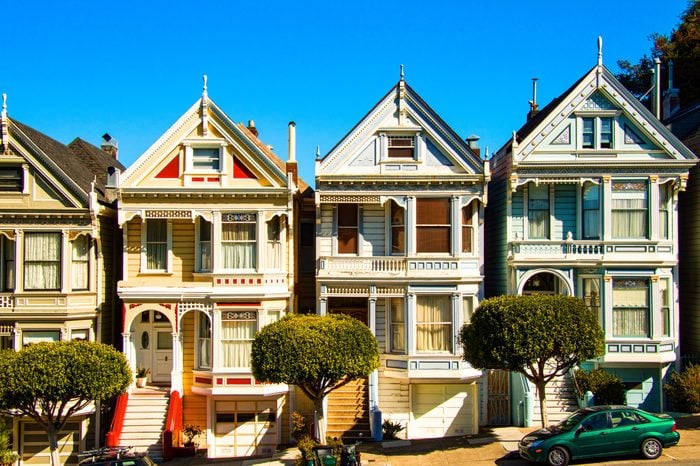
Be sure not to get yourself in trouble
If you live in a historic home or on a historic block, you may not get a choice. Emile L’Eplattenier, chief real estate analyst at TheClose.com, warns sellers to check that they have the option to paint their homes before selling. “If you live in a historic home or even on a historic block, the landmarks preservation commission might be the ones who decide the range of colors your home can be.”
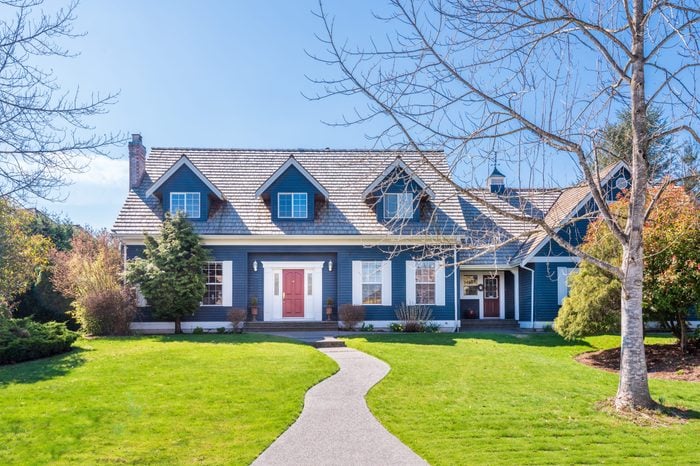
Avoid being too bold
“Bold exterior home colors are on the rise. That includes blues, reds, and pale yellows and greens,” Jason Kraus from RE/MAX Advanced Realty admitted. “However, existing homeowners must realize that those bold color choices are very personalized. While they suit homeowners that are making decisions for their own homes, it still isn’t the best idea for resale. When considering painting the exterior of your home to sell, you should still stay neutral. The goal is to appeal to the largest buyer pool. A bold color may limit your buyers.” Find out these other home “upgrades” that are actually a major waste of money.
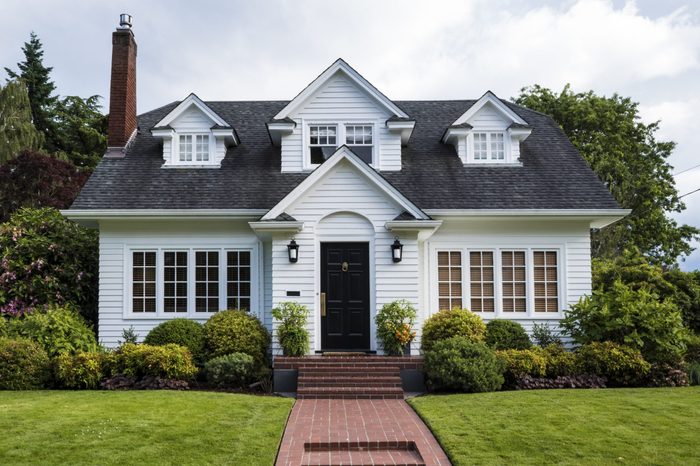
White
White is a classic look for a home that has never gone out of style. For both a timeless and buyer-appealing look, stick with a white exterior. “The absolute best exterior paint colors for readers looking to sell their homes are shades of white!” Jennifer Okhovat, realtor with Compass, told RD. “White paint colors are the most attention-grabbing and look the sleekest and cleanest. When selling a property, a white home is attractive to a buyer because it is a ‘blank slate’ for them to get creative with landscaping and additional finishes (like a new/different door color, windows, etc.). More people see the potential and desirability in a white home than homes in other colors (pink, beige, blue, brown). Colors other than white make it harder for a homebuyer to picture the home with a different paint color, if the current one is unsatisfactory or not to their liking.” Read on to find out 31 more home improvements that will double the value of your home.
Sources:
- Zillow: “Paint and Landscape, But Then What? Here’s How Home Sellers Should Prep to Get the Biggest Bang for their Buck”
- Kayla Hein, Creative Director at Modern Castle
- Zillow: “Quiz: Which Paint Colors Help Your House Sell for More?”
- Zillow: “Going Green: Homes with Solar Panels Sell for 4.1% More”
- Cristina Miguelez, remodeling specialist at Fixr.com
- Beatrice de Jong, top LA realtor and Consumer Trends Expert at Opendoor, told RD
- Emile L’Eplattenier, chief real estate analyst at TheClose.com
- Jason Kraus from RE/MAX Advanced Realty admitted
- Jennifer Okhovat, realtor with Compass
Originally Published: January 14, 2021

