


22 Animals That Are Deadlier Than Sharks

Updated: Nov. 28, 2022





There's just a one in 1,384,594 chance of being killed by an animal in the United States, but you should still be extra careful around these species.
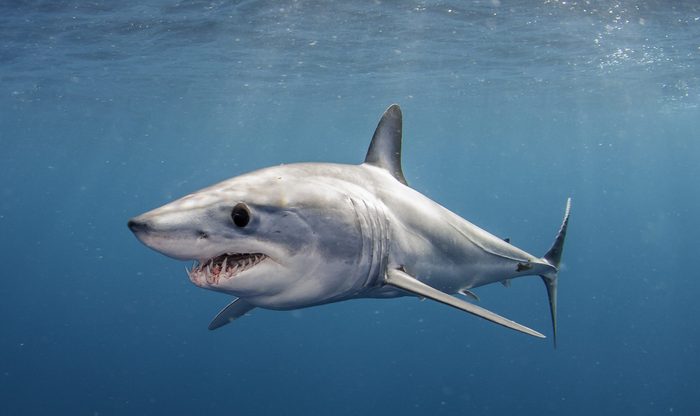
Deadly Animals
Some animals are more deadly than you might think. While sharks have an intense reputation, it’s generally rare to be caught in a shark attack. Read on to learn more about the animals that are deadlier than sharks. Here are more “facts” about wild animals you have all wrong.
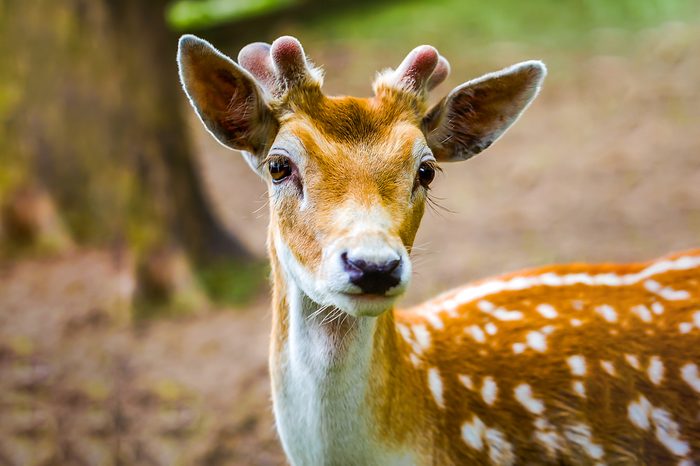
Deer
Depending on where you live, this may or may not come as a surprise: Deer are the deadliest animal in the United States, killing an average of 120 Americans annually. It’s not because they’re vicious, though; most of these deaths are caused by car accidents, especially as urban development continues to shrink the animal’s natural habitat. And compared to global data on deadly animals, death-by-deer hardly makes a blip in the numbers. The deadliest animal in the world is the Asian cobra, causing nearly 50,000 fatalities a year. That’s followed by the puff adder snake, the ocellated carpet viper, the kissing bug, the assassin bug, the freshwater snail and the tsetse fly, all of which have more than 10,000 fatal encounters with humans a year.
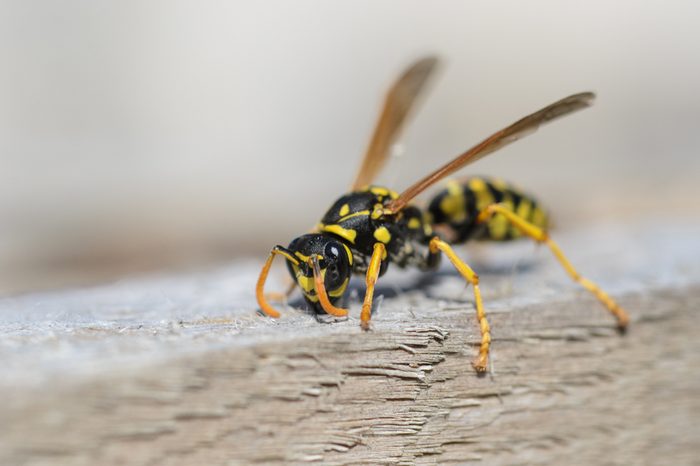
Bees, wasps, and hornets
After deer, the number of Americans killed by an individual type of animal drops significantly. Each year, around 58 citizens are killed by a bee, wasp, or hornet, according to CDC data. Of course, bee stings aren’t lethal events for most people. But for the two million Americans who are allergic, a sting means it’s time to get to the hospital ASAP. These are the 10 most dangerous bugs you need to watch out for.

Dogs
It turns out man’s best friend has a dark side. An estimated 28 Americans are killed by dogs each year; that’s compared to the 44 percent of us that own one. Unfortunately, many of these attacks are carried out by dogs that were mistreated by humans in their past. Here are a few “pets” that actually turned out to be wild animals.
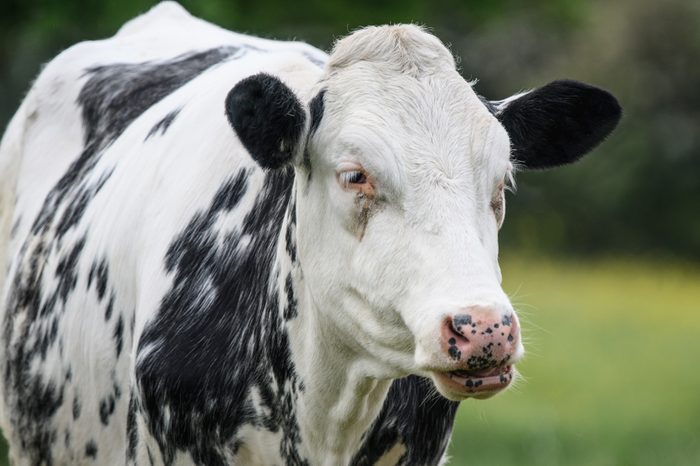
Cows
While you might underestimate a cow’s violent tendencies—after all, these animals are featured in many children’s zoos—cattle kill around 20 Americans a year. And while some of these deaths are accidents—cows standing in the road or falling off cliffs onto vehicles below (yes, really!), about 75 percent are deliberate attacks. In 2015, animal behaviorists found that 10 of the year’s cow-related deaths were caused by bulls, six by cows, and five by group attacks. Yep, you read that right—cows sometimes team up to coordinate an attack. “When they’re feeling defensive, cows will gather in a circle, all facing outwards, lowering their heads and stamping the ground,” writes Gizmodo. “When they’re feeling offensive, certain cows lead the charge.”

Horse
Horse-related deaths occur just as frequently as cow-related ones: around 20 times a year. Unsurprisingly, most of these deaths are related to riding injuries. These 15 innocent-looking animals are surprisingly dangerous.
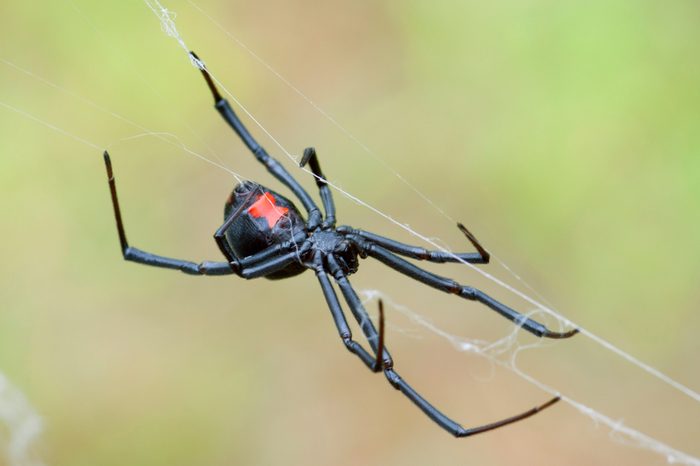
Black widow spider
Every arachnophobe fears this spider most: the black widow. Found most often in western states, these spiders sometimes make their way into bags of produce and faraway kitchens. They kill around seven Americans a year, but that doesn’t mean you should live your life in fear. One study found that the spider is most likely to bite when it’s pinched along the entire length of its body. Even poking the spider repeatedly wasn’t enough to get it to bite. That means you’re probably safe if you see this arachnid on your wall. But if you sit on her, you’ll want to get help immediately. And don’t assume the worst. In 2013, there were 1,866 reported black widow bites. None resulted in death.
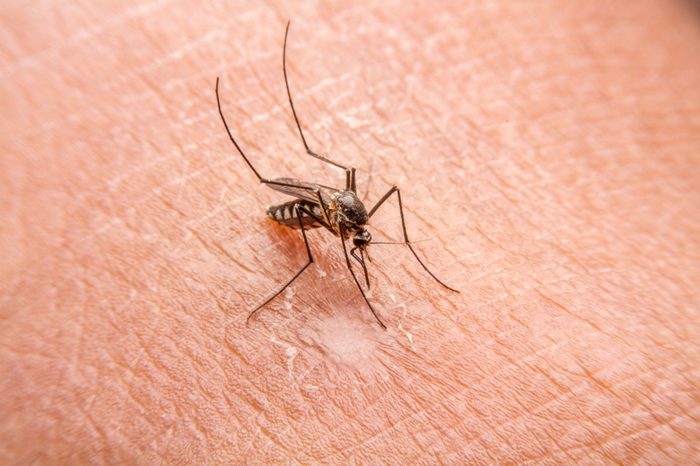
Mosquitoes
These seemingly harmless little flies can actually do a lot of damage. Mosquitoes carry a lot of diseases and when they transfer them to humans it can cause death. They kill around 725,000 people every year. This is the fascinating reason why you don’t see mosquitos at Disney World.
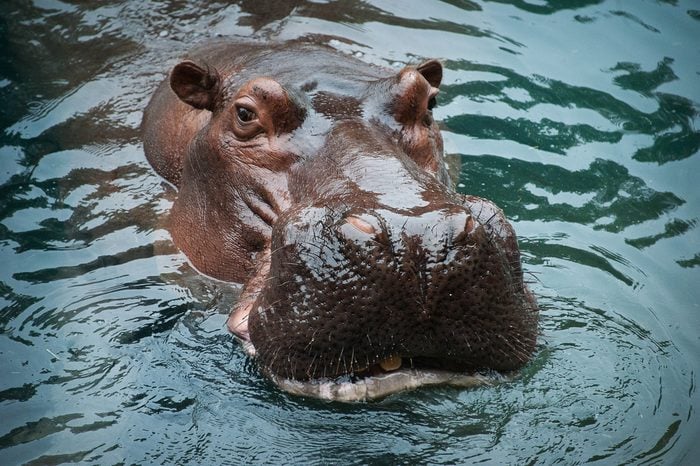
Hippos
You might not have guessed this, but hippos are very aggressive. They are the deadliest large land mammal and have very sharp teeth. Hippos kill about 500 people every year in Africa. Not only can they kill by biting, but they also can kill by sitting on humans—they weigh over 6,000 pounds. Yikes!
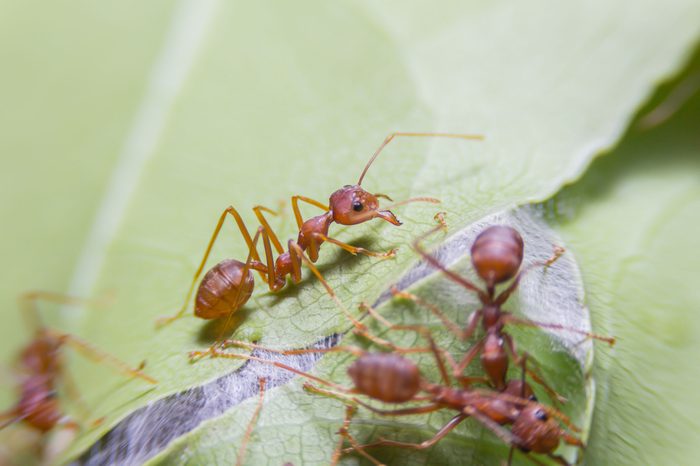
Ants
Fire ants are native to South America and kill around a dozen humans every year. Their sting typically isn’t life-threatening, but the secondary infections it causes can lead to death. Here are a few simple solutions to help you get rid of ants.
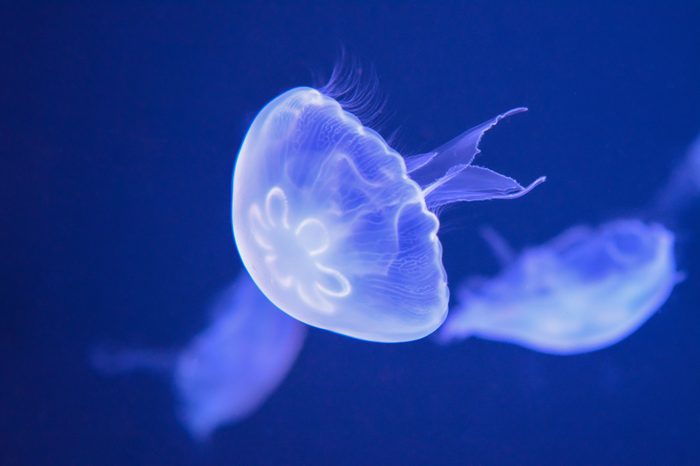
Jellyfish
Jellyfish are beautiful creatures, but they can also be deadly. They kill around 20 to 40 people in the Philippines alone every year. Make sure you know what they look like and where they reside before going in the water.
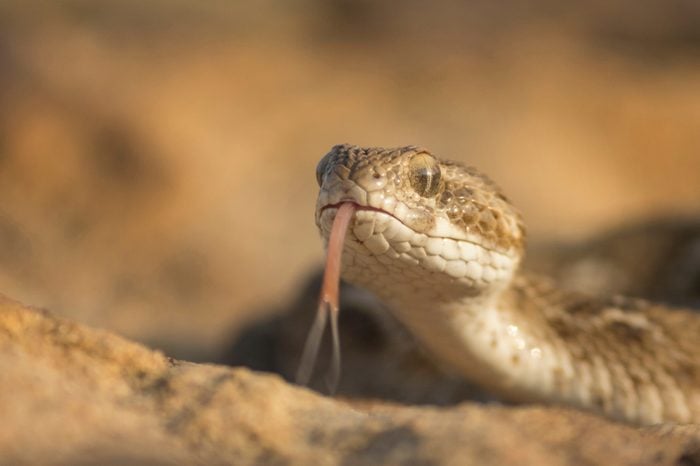
Snakes
Most humans know to stay away from snakes, but who would have guessed that they kill more people than sharks? Around 50,000 people are killed every year by snakes. The deadliest species of snake is the saw-scaled viper. Its venom is not the most toxic, but it lives in populated areas and bites often. It kills around 5,000 people every year.

Humans
Sadly, humans are one of the most deadly animals on earth. They kill around 475,000 people every year. They’re the second deadliest animals, right after mosquitos. Read up on these fascinating (and reassuring) facts about sharks.
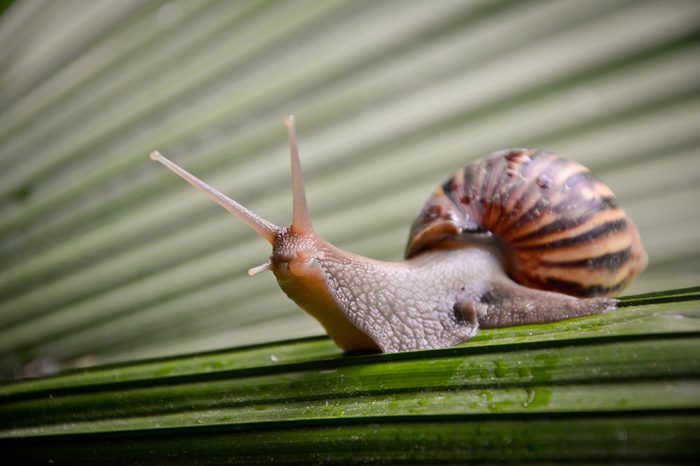
Snails
The small but deadly freshwater snail kills more than 200,000 humans every year. They might move slowly but they carry a parasitic disease called schistosomiasis. The disease is particularly deadly to children in developing countries that play or bathe in contaminated water. It infects nearly 250 million people, mainly in Africa, Asia, and South America.
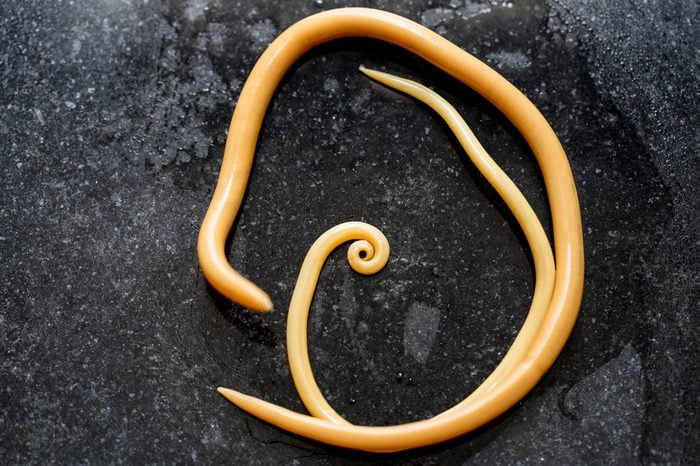
Tapeworms
Tapeworms kill around 2,000 people every year. They get into your system through undercooked meat. T. solium, one of the most deadly tapeworms causes seizures, dementia, blindness, convulsions, and death.
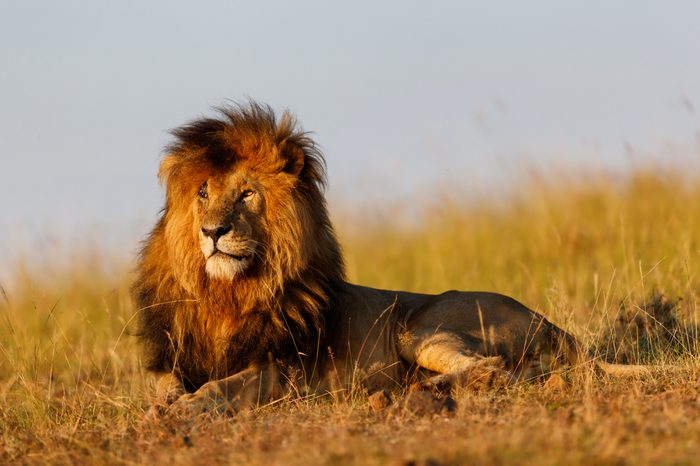
Lions
A lion’s mannerism might resemble that of a house cat, but their bite is much more powerful. Lions are responsible for 100 deaths a year. They actively hunt and eat humans, unlike most of the animals on this list.
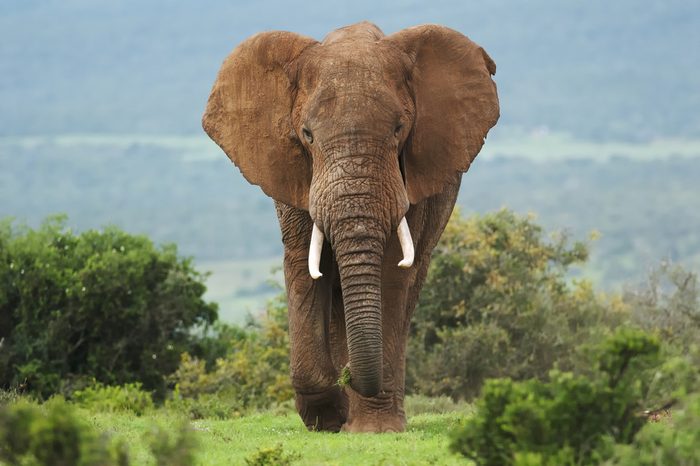
Elephants
Elephants are pretty gentle mammals that don’t mean to kill. However, when they’re controlled by humans and squished into small spaces where they don’t belong, they become frightened and see humans as a threat. In their attempt to escape to safety they are capable of killing. These giants kill around 100 humans a year.
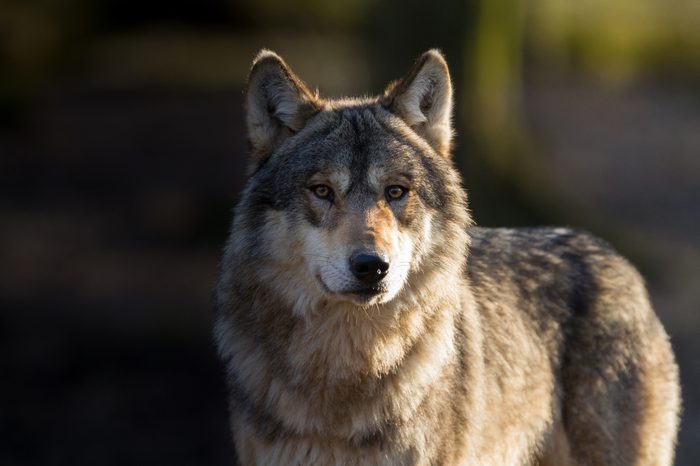
Wolves
Human fatality caused by wolves is pretty rare, but they do have sharp teeth and can run fast when they feel threatened. They mainly attack because they feel as though they need to protect themselves or their pack. They cause about 10 human deaths a year.
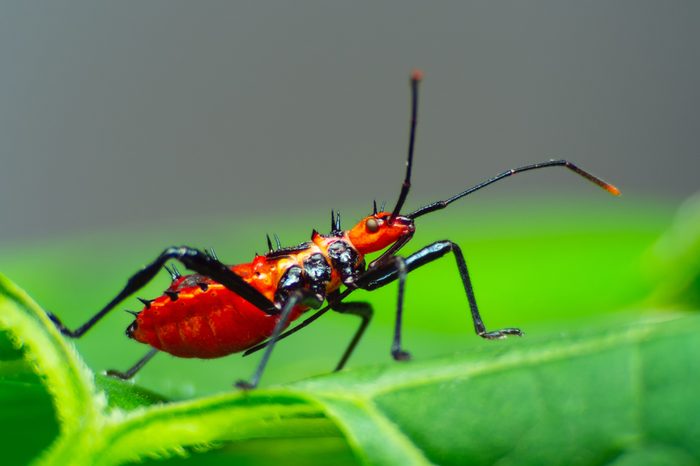
Assassin bug
The assassin bug, more innocently known as the kissing bug, causes about 12,000 deaths a year. It bites people on the face (hence it’s nickname) giving them a parasitic infection known as Chagas disease. You’ll definitely want to avoid this little bug’s kisses. These other animals aren’t as dangerous as you think either.
Tsetse fly
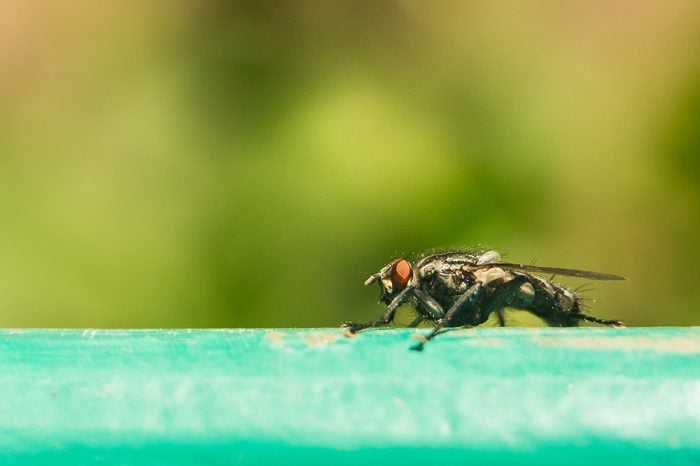
The Tsetse fly looks very similar to a normal housefly; however, it causes a lot more deaths. It bites its prey (many of which are humans) and sucks their blood. It carries African trypanosomiasis, which is a parasitic disease that causes fevers, headaches, vomiting, joint pains, swelling of the brain, and trouble sleeping. Around 10,000 humans die from this disease every year.
Bears, alligators, mountain lions
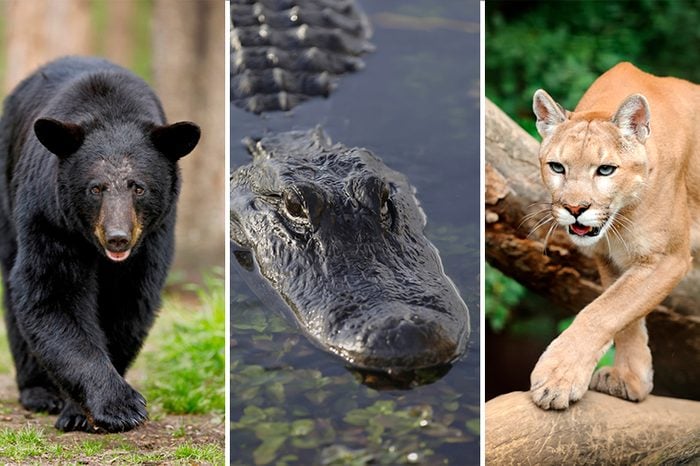
Bears, alligators, and mountain lions are probably the animals that many Americans fear most. After all, the rare bear or mountain lion attack makes headlines for days, and accounts from survivors are often terrifying. But the truth is, each of these species tends to fatally attack just one American each year. That’s the same number of deaths that occur a year as a result of—you guessed it—sharks!
More on sharks…
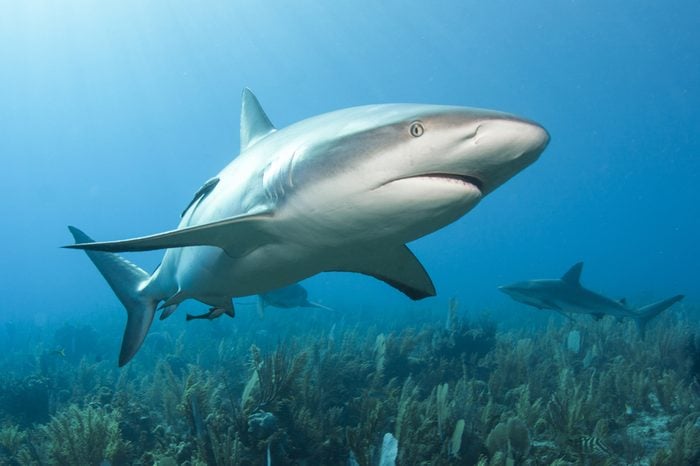
There you have it: In a typical year, one American is fatally attacked by a shark. Additionally, there tends to be around 16 non-fatal attacks each year. Only three species of sharks are responsible for all of these unprovoked attacks: the great white, the tiger shark, and the bull shark. Still, your chance of being killed by a shark in the United States is just 1 in 264.1 million. If you travel abroad, though, you might want to be more careful. Australia boasts the highest number of fatal shark attacks (there were 72 recorded between 1958 and 2014). Not to mention, Australia’s oceans are home to the infamous box jellyfish, which is the country’s deadliest animal. These are the 13 things you never knew about shark attacks.
Originally Published: January 31, 2020
