


15 Best Apartment Dogs for Small Spaces

Updated: Apr. 08, 2024





If you're looking for one of the best dogs for apartment living and want to make sure your pup will be happy and healthy in your home, check out the list below.
The best apartment dog for you
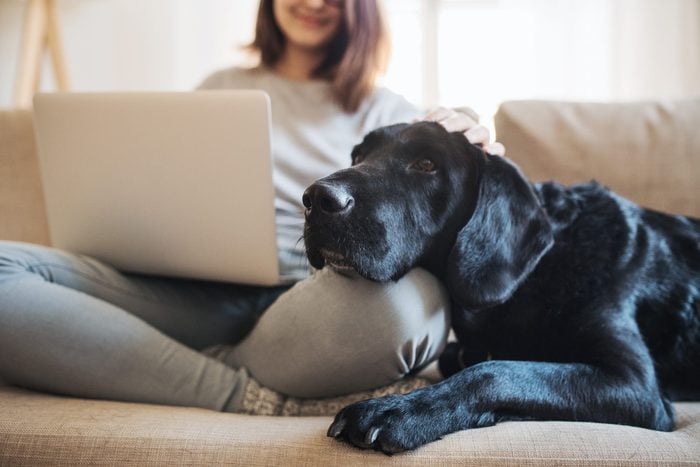
Before bringing a new dog to your apartment, it’s essential to think about what breed will best fit into your lifestyle and living arrangements. It is an important thing to ask yourself if you prefer a quiet dog with an easygoing personality or if the only thing you have in mind is a fluffy dog. The cutest toy dog breeds don’t take up much room and are easier to carry up and down flights of stairs when a potty break is overdue. Adorable lazy dog breeds are a good fit if you’re not keen on long walks around the complex or driving your pup to wide open spaces for countless games of fetch. Or maybe you’re looking for an apartment-approved guard dog breed that doubles as an affectionate and loving companion. When it comes down to it, just about any dog breed, big or small, can live in a small apartment as long you give it the care and attention it deserves and needs to stay healthy, says the American Kennel Club. However, these 15 dog breeds, provided by Nicole Ellis, Rover’s resident dog trainer on The Dog People Panel, are generally better suited for apartment living. Get the lowdown on the most low-maintenance dogs too.
1. Cavalier King Charles spaniel
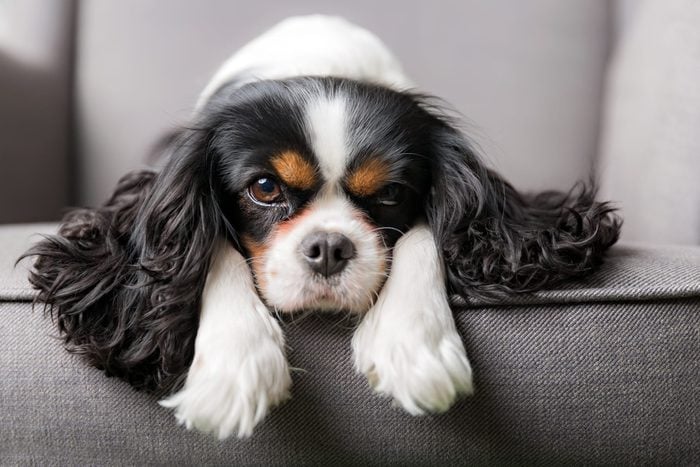
That’s a mouthful of a name for a pint-sized cutie. No wonder adoring fans simply call them “Cavs.” They are very sweet dogs that acclimate well to indoor situations and locations, says Ellis. They’re known for matching their pet parent’s vibe. So whether you’re always on the move or a homebody, the Cav adapts. And as a toy dog breed, they don’t need large dog beds or kennels that take up a lot of space. And truthfully, they won’t even use them much as they are deeply devoted to their human and are most content when they are close to your side. These low-maintenance pets would also make great apartment companions.
2. Irish wolfhound
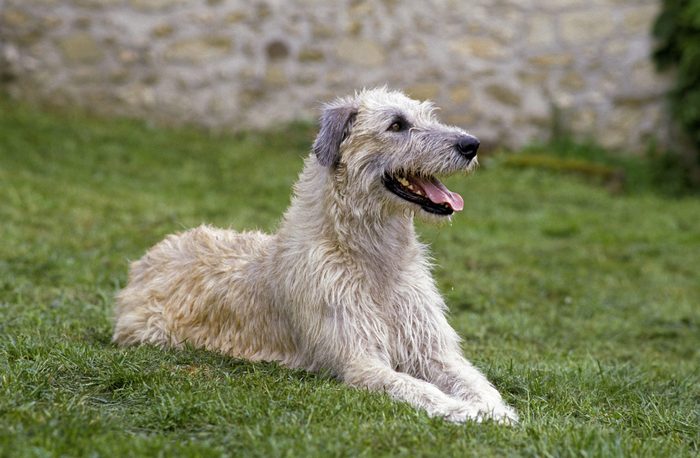
You might think the Irish wolfhound is a questionable choice. After all, they are about 30 inches tall (not counting the head) and weigh between 105 and 120 pounds. Size aside, what really makes them one of the best dogs for small apartments is their personality. Wolfies aren’t going to get their paws ruffled about much. They are dignified and calm dogs with quiet, gentle souls. The only time they might bark is if you accidentally bump into them in the middle of the night, so Ellis suggests watching where you step when you’re living in close quarters.
3. Affenpinscher
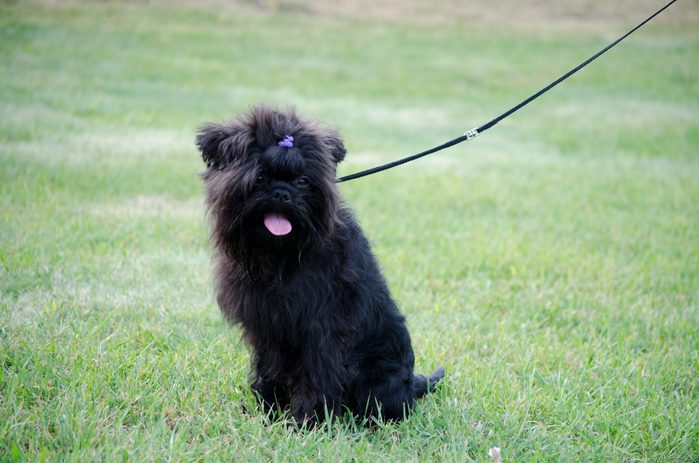
The Affen is a delightful little mustached pup-tart. At around ten inches and ten pounds, they’re ideal for small spaces. As far as being a clean roomie, they get high marks for being a dog breed that doesn’t shed too much. They’re curious and alert to what’s happening in the hall or courtyard and may bark. Your neighbors will thank you when you spend time with your Affen before you leave. “A nice game of indoor fetch or scent work will leave them tired while you are off for the day with work and errands,” says Ellis.
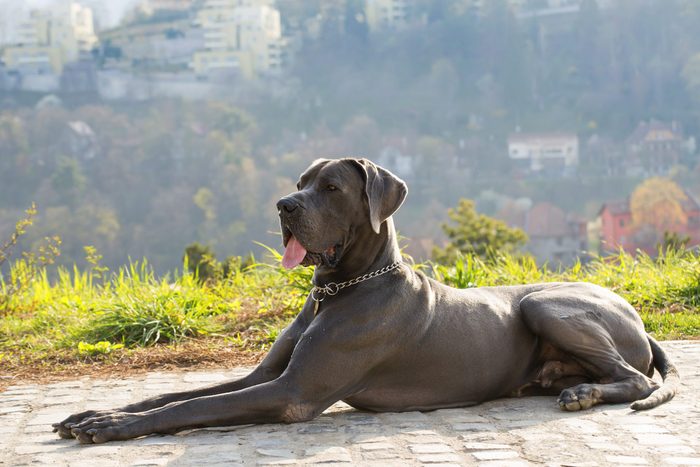
4. Great Dane
First a wolfhound and now a Great Dane? Yes, Great Danes are one of the world’s biggest dog breeds, but Ellis says these gentle giants are known for their calm demeanor so they won’t be rambunctious or knock stuff over. Sure, they may take up most of the couch, but as a mellow roomie, they’ll never complain that you left your towels on the floor or dirty dishes in the sink. Plus, they don’t need much grooming or exercise.
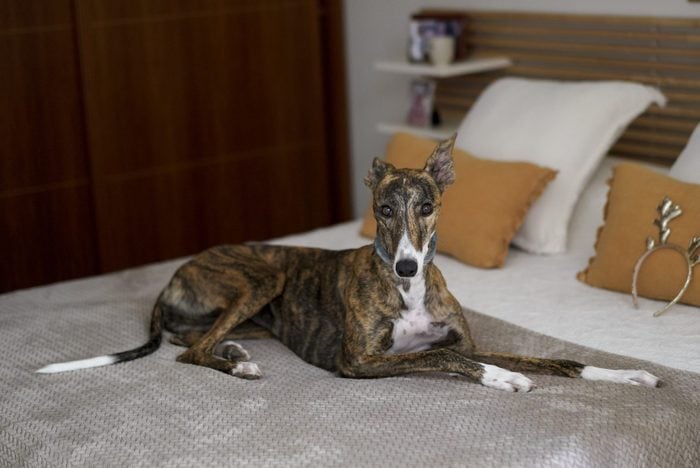
5. Greyhound
As one of the fastest dog breeds, Greyhounds make the perfect exercise buddies for a morning run or workout in the park, says Ellis. But, despite their Olympic-worthy track speed, they’re low-endurance, so it’s “one run and done” for them. They’re exceptionally tolerant, preferring to turn the other cheek then show their teeth if something bothers them. The rest of the day is spent in quiet reflection and training for their gold medal—in napping.
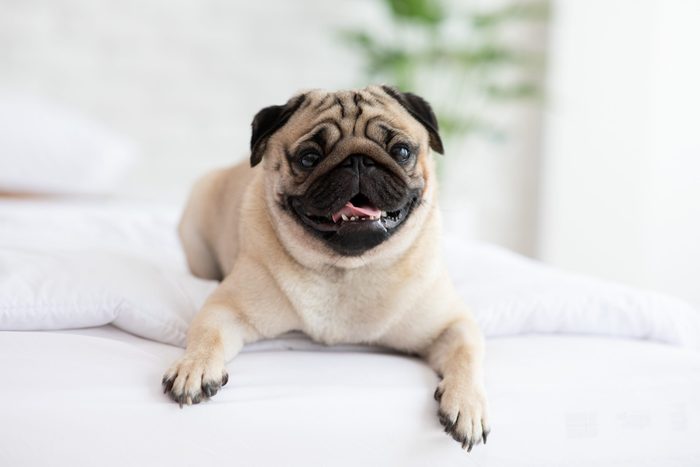
6. Pug
Pugs are so popular as apartment dogs for small places that it’s not uncommon to see their cute mugs featured in apartment advertisements. Their gregarious personalities and precious little mug faces will make them an instant hit with your neighbors, so you’ll both have friends you can borrow a cup of sugar or a dog treat from. As short-legged dogs, they’re not fast or particularly enthusiastic exercisers. They prefer to be socially “active” while mingling at the dog park or a Wags N Wine event in lieu of on a long walk.
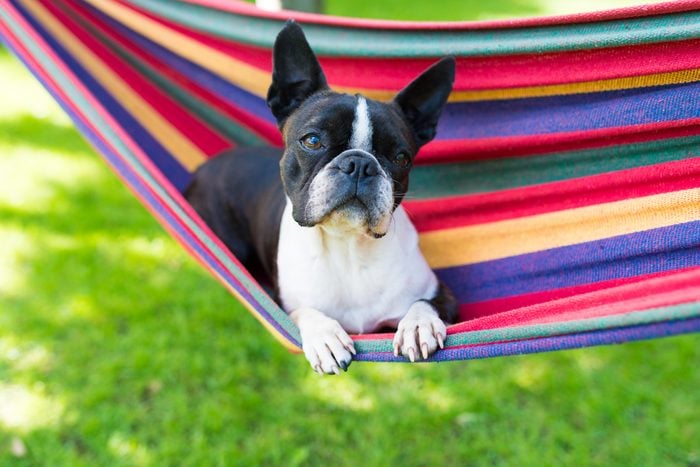
7. Boston Terrier
You want to get in shape but don’t have room in your apartment for a treadmill. What do you do? Get a Boston Terrier as your personal trainer! “They require exercise, so this isn’t the dog for the couch potato,” says Ellis. They’re compact and portable merrymakers at about 20 pounds, taking up less space than an exercise ball. Unlike some mean personal trainers you’ve known in the past, the Boston Terrier is sweet and affectionate. If those attributes weren’t enough, they don’t shed, and they’re one of the dog breeds that don’t bark too much.
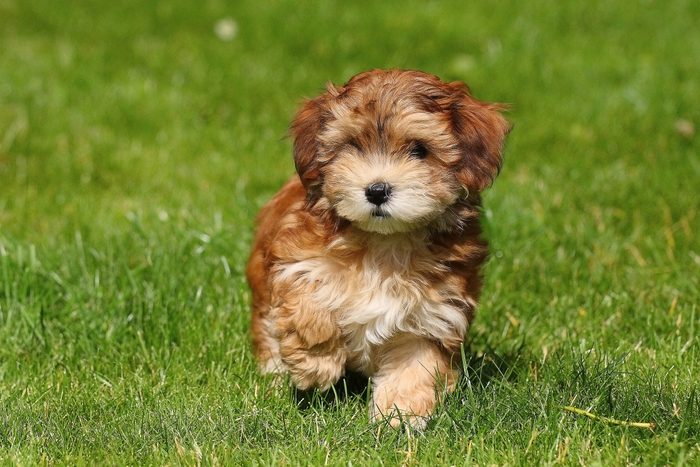
8. Havanese
Whether you keep your Havanese in a shorter puppy cut or the “show dog” longer cut, it’s one of the most darling dogs with fluffy hair you’ll ever see. Truthfully, either cut requires almost daily grooming to keep the coat tangle-free. To put a Havanese in a kennel is equivalent to breaking its heart. They were bred to be companion dogs and are most happy when they’re with you. Don’t be surprised if your pup makes more friends than you. They are pretty much smitten with everyone they meet, including children and dogs. For even more fluff, don’t miss these curly-haired dogs that you’ll want to pet all day long.
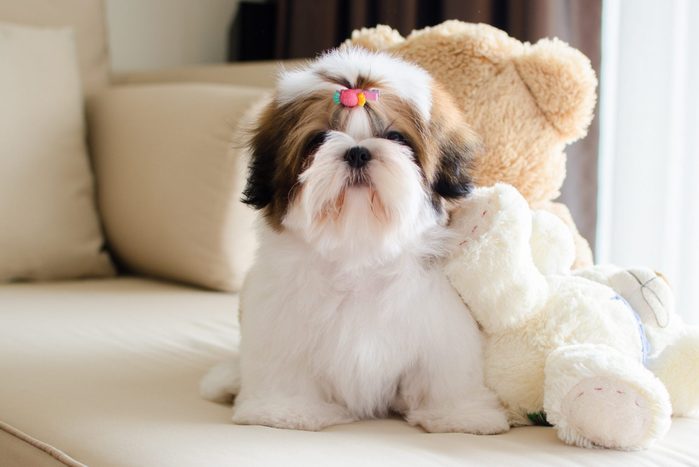
9. Shih Tzu
Just like the Havanese, Shih Tzus do require grooming, says Ellis. And they will eat up the attention when you’re brushing and pampering them. Because of their short muzzles, they’re not big chewers so you likely won’t have to worry about losing your pet deposit over chewed-up carpet or furnishings. They are addicted to human attention, making them incredibly loyal, meaning they will be by your side 24/7 if they can. If you’re worried about leaving your dog at home, try these tips to keep your pet happy while you’re at work.
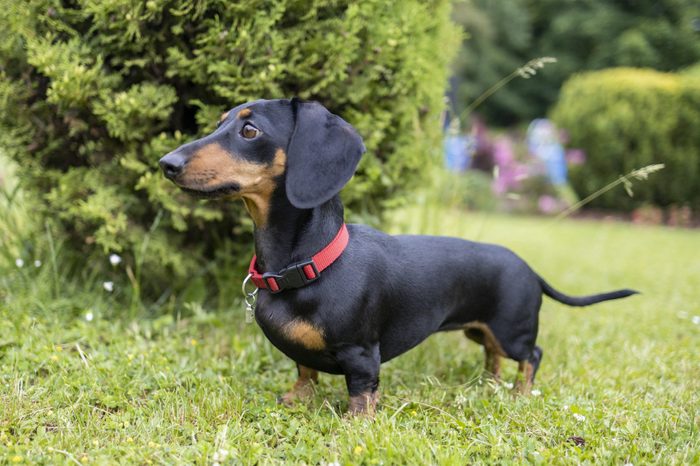
10. Dachshund
Which Doxie will you pick for your apartment? The smooth, wire-haired, or long-haired? Even the long-haired coats are easy to maintain. The Doxie’s long body, short legs, and long nose are made for burrowing. They’ll carve out a tunnel under the blanket and snuggle tightly against you. That comes in handy while you’re waiting for the maintenance person to fix the heat. They tend to be “chatty” when they hear or see the neighbors, so consistent training is needed to curb barking. As one of the most loyal dog breeds that will always be by your side, their attention is focused on you. They might be reserved about meeting other dogs and people on your walks.
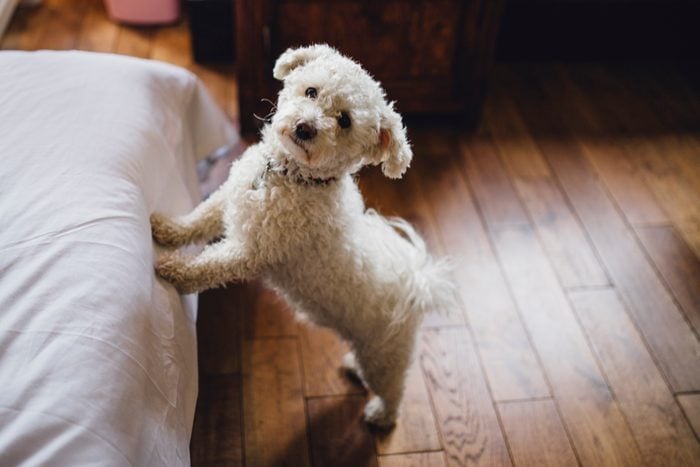
11. Bichon Frise
“The Bichon Frise does not shed much, which is great for keeping your apartment clean (and if you have allergies),” says Ellis. “But they do require brushing and grooming.” At just 12 pounds, they’re still light enough to carry up the stairs if they get tired out socializing at the dog park, or if you need to dash downstairs for a quick potty run. But you probably don’t have to worry about staining the carpet, as Bichons are wicked smart—house training should be a breeze. Clever, sweet, playful, and adaptable, the Bichon checks all the boxes for first-time dog owners.
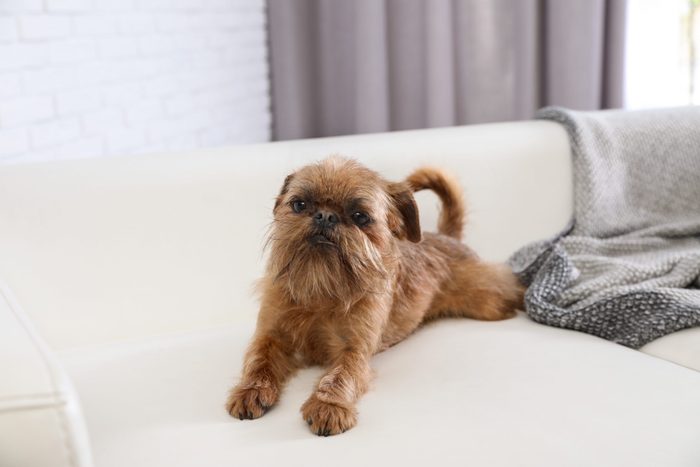
12. Brussels Griffon
These sweet scruffy-faced bearded pups are comical and sweet—and not crazy about being left home alone for long periods. They would make the ideal co-worker for people who work from home. They live for human interaction and will prompt you with a nuzzle or bark when they want attention—as if to say “take a screen break!” Frequent walks or playtime make the workday more enjoyable, after all. They’re vocal co-workers, so consistent training is essential to keep their barking at bay. That shouldn’t be too difficult because the Brussels Griffon is ridiculously smart, albeit a wee bit stubborn.
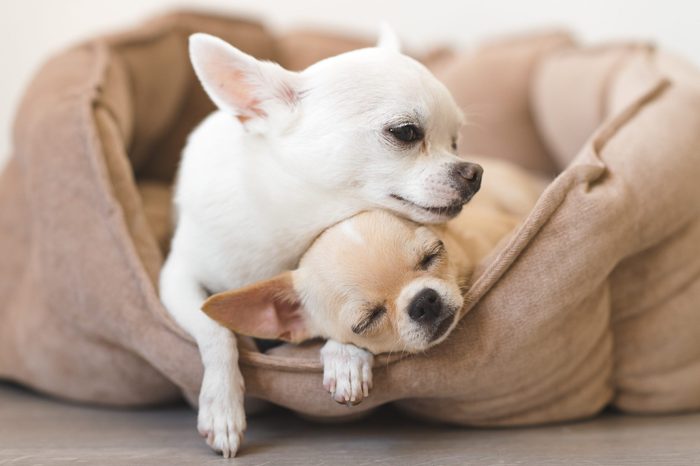
13. Chihuahua
“We all know a barky chihuahua, but they aren’t all that way and with training are incredible pets,” says Ellis. Some of their barkings are likely due to their watchdog mentality. That might come in handy when they’re trying to alert you that the super chatty neighbor is at your door. As lap dogs of around just five pounds, they are tickled pink to spend all their time with you or a day on the town in a doggy tote. And as one of the dog breeds that live the longest, they could be your roomie for 14 to 16 years.
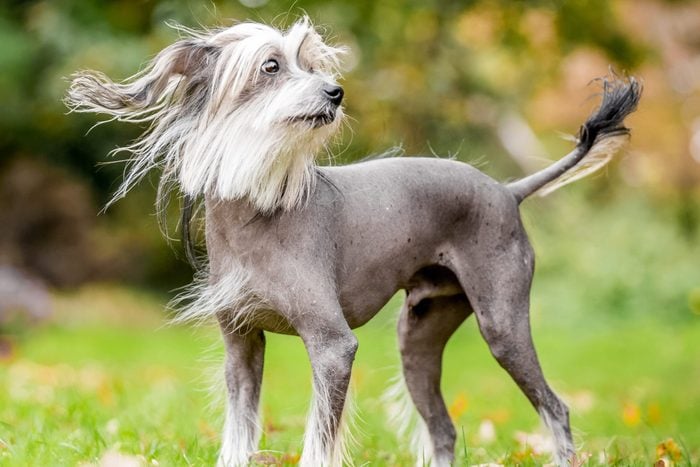
14. Chinese crested
No doubt, a Chinese crested will be the most elegant and graceful dog in your apartment complex. Even though these lovey-dovey dogs are hairless breeds, you’re not off the hook for grooming and bathing chores. Their gorgeous powderpuff hair on the head, feet, and tail requires brushing. Frequent bathing is essential for healthy skin. And if you need an excuse to bail out of the meet-and-greet apartment pool party, you have a built-in excuse because the Chinese crested must be protected from extreme conditions, including the harsh rays of the sun.
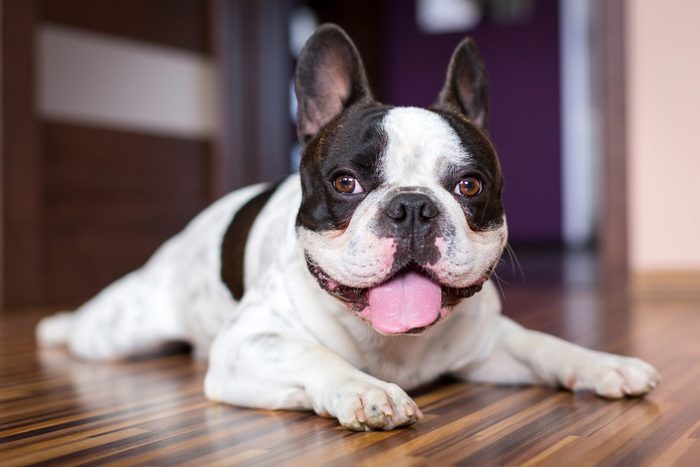
15. French bulldog
Their irresistibly chunky little bodies and too-cute bat ears make it hard to say goodbye when you leave for work. But don’t feel too bad. Frenchies are one of the dog breeds that can be left alone. They adapt well when your routine is consistent. They might not even get off the couch to say goodbye. In fact, give them the remote, and they might watch Animal Planet while you’re gone because they’re a tad bit on the lazy side. When you get home, though, they’ll be ready to play. Because of how popular this breed is, Ellis recommends researching common health conditions (as you should with all breeds) before bringing it home to your apartment.
Read up on more French dogs that make the best pets.
Originally Published: June 28, 2021
