


How to Say “Hello” in 17 Different Languages

Updated: Dec. 16, 2022





For World Hello Day, learn how to greet someone in Spanish, French, Japanese, and many more widely spoken languages.

You had me at “Hello”
How to say “hello” is probably one of the first things, if not the first, you learn while studying a new language. As it should be! Learning a new language can be tricky, but learning a basic greeting is a great way to get started.
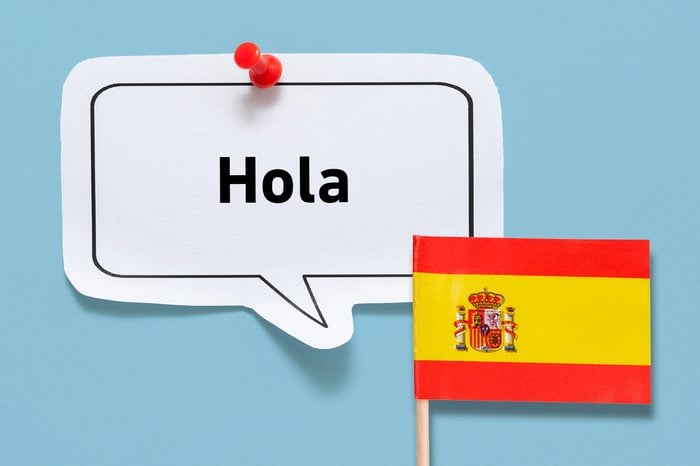
Spanish
If you are an English-speaking American, and you know how to say “hello” in one other language, “hola” is probably it. As you probably already know, you don’t pronounce that H: It’s “oh-la.” Spanish is the second–most spoken language in America by a long way—it has about 37 million speakers—so how to greet its speakers is probably a good thing to know!
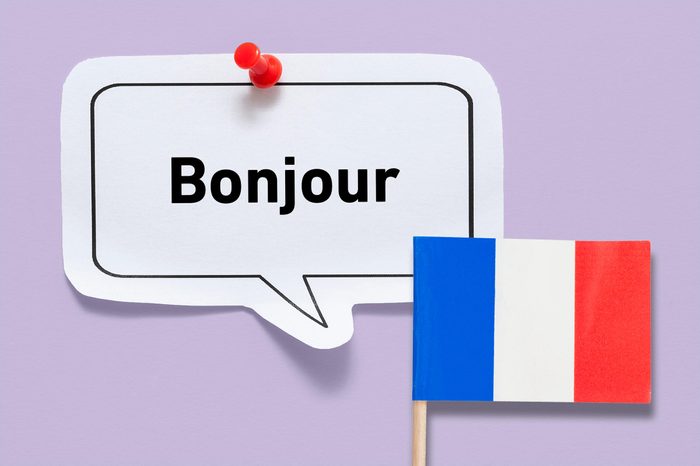
French
This is another one that you might already be familiar with. “Bonjour” (“bone-zhoor“) technically means “good day” in French. But keep in mind that many languages have both a formal and an informal way of saying “Hello.” For instance, how often do you actually say the word “hello” in your daily life? You’re probably more likely to greet someone with “hi” or “hey” and not say “hello” much besides when you answer the phone. Likewise, “bonjour” isn’t as common in French-speaking countries as language crash courses might have you believe. An informal way to say “hello” in French is “salut,” pronounced “sal-ou” (don’t pronounce the T)!
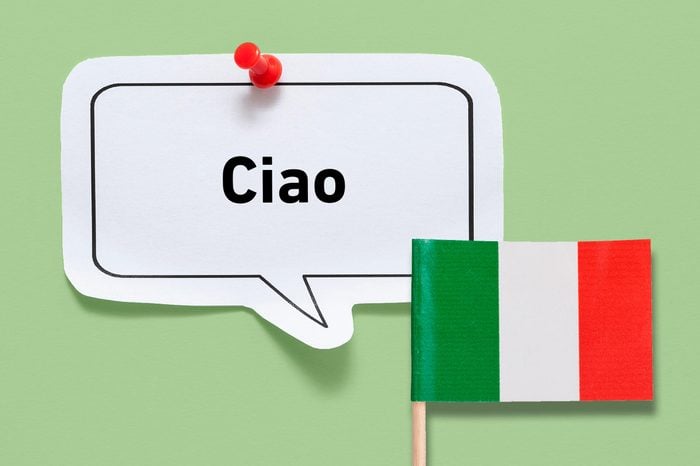
Italian
Italy’s “hello” is short and to the point—and “ciao” (“chao“) can mean “goodbye” as well. To say “hello” in Italian in a more formal way, say “salve” (“sal-vay”), which means “be well.” Get a look at some more basic Italian phrases everyone should know how to use.

Chinese
It’s definitely beneficial to know how to say “hello” in the most-spoken language around the world! Mandarin Chinese has over a billion worldwide speakers. If you’ve heard that “nǐ hǎo” (“nee haow”), not “nǐn hǎo” (“neen haow”), is “hello” in Chinese, you’re right as well. “Nǐ hǎo” is the less formal greeting, while “nǐn hǎo” is what you’d use in a more formal context, especially if addressing an older person.

Hawaiian
Hawaii’s “hello” finds its way into the nickname of the state! If you visit The Aloha State, you’ll surely hear this greeting, pronounced “uh-loh-ha,” which not only means “hello” and “goodbye” but can also mean (and convey) love, peace, and compassion. Besides how to say “hello” in Hawaiian, here are some other things you should know before booking a vacation to Hawaii.

Japanese
“Konnichiwa,” or こんにちは in Japanese characters, technically means “good afternoon” but is also a more general, somewhat formal greeting. It’s pronounced pretty much like it’s spelled, “koh-nee-chi-wha,” but the W sound is very light. Take a listen here.
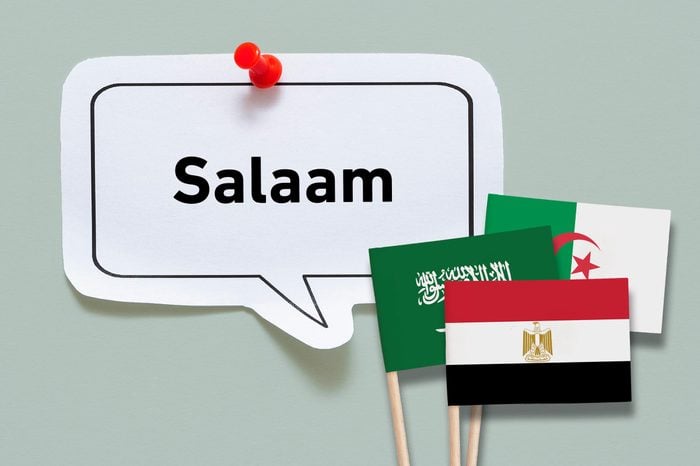
Arabic
“Salaam,” or سلام in Arabic characters, actually means “peace,” but in Egypt, Saudi Arabia, Algeria, and other countries where Arabic is spoken, it’s also a common way to say “hello.” Its pronunciation is “sah-lahm.” Not just greeting someone but wishing them peace—now that’s a good greeting! Read some of our all-time favorite quotes about peace.

Russian
Now this is a perplexing pronunciation! “Hello” in Russian, pronounced “zdrahst-vooy-tyeh,” is used to address a group of people or someone you’re making a point of showing respect to. If you’re concerned you’ll just butcher something that starts with three consonants in a row, try saying “privet,” pronounced “pree-vyette,” trying to roll the R and making sure to pronounce the T. This is the more informal version of “hello” in Russian.
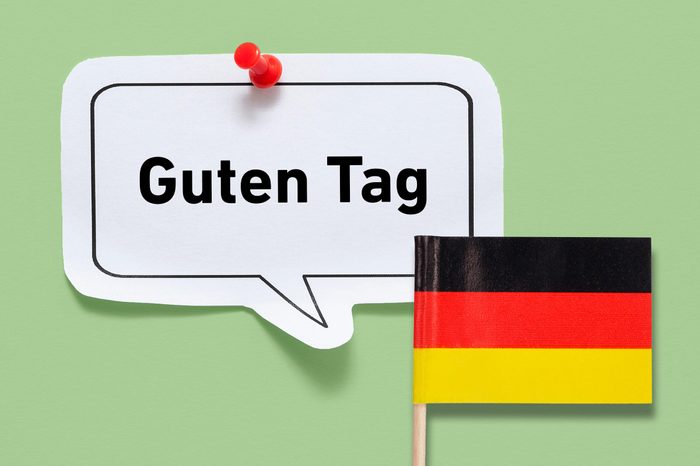
German
In German, say “guten Tag” (“guden tahc“), which means “good day,” to be more formal. Or you can just say “hallo!” Find out the surprising reason we say “hello” when answering the phone in the first place.
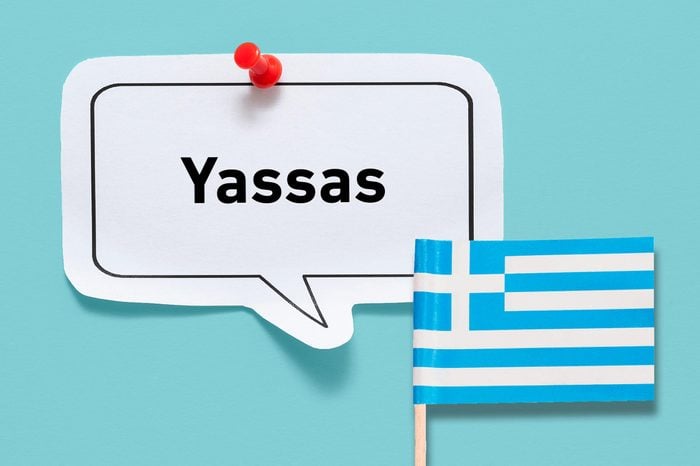
Greek
It’s Greek to me! Well, saying “yassas” to mean “hello” actually is Greek! You’ll pronounce this “yeah-sass,” and it’s a more formal way to say “hello” that you’ll probably hear Greeks use to visitors to the country.
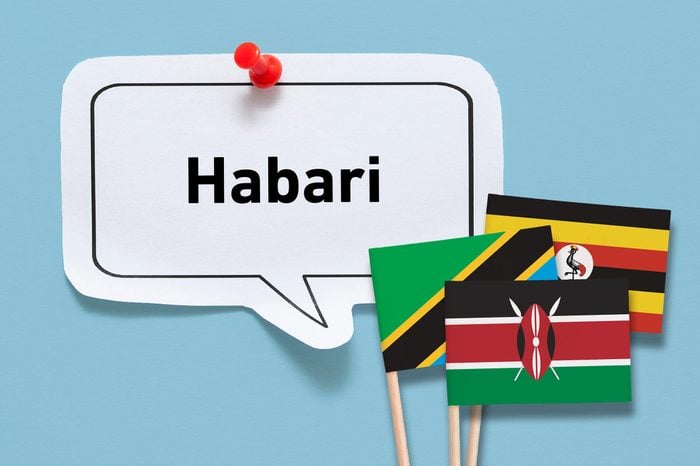
Swahili
Swahili is spoken in many African countries, including Kenya, Somalia, Tanzania, and Uganda. “Habari,” pronounced how it looks with the emphasis on the second syllable, is a Swahili greeting for both people you know and people you’re meeting for the first time. Saying “Hello” in other languages is pretty easy; now we just need to learn how to say these conversation starters that make you instantly interesting!
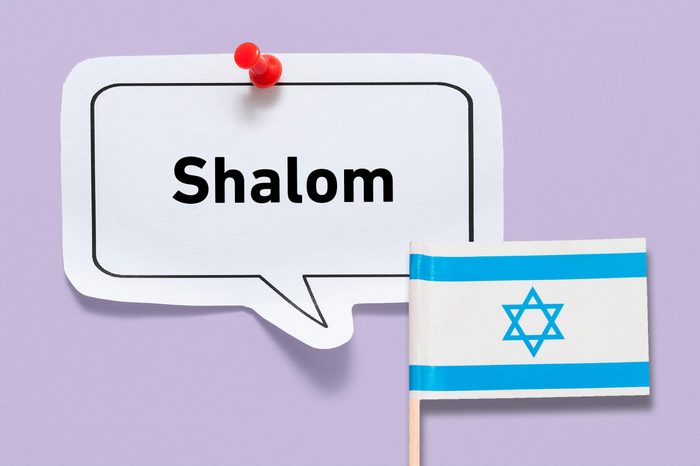
Hebrew
“Shalom,” pronounced “shah-lohm” and written as “שלום,” is used to mean “hello” and “goodbye,” and also translates to “peace.”
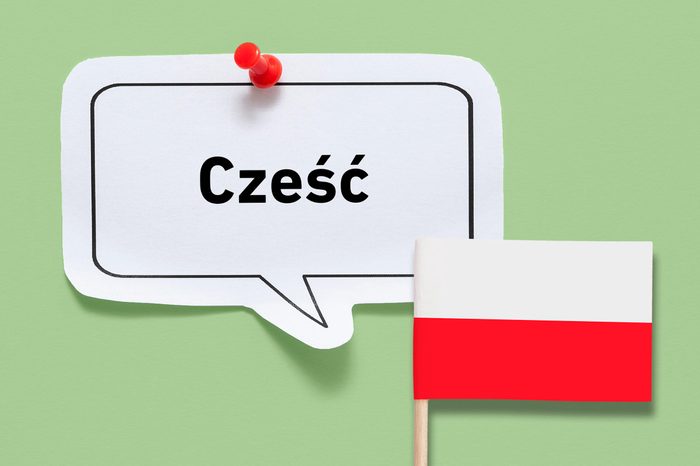
Polish
This is the most common, informal way to say “hello” in Polish. It’s pronounced “chesh-ch”—one syllable, but with a couple different consonant sounds. Though it’s probably not something you’d use to greet a complete stranger, it’s appropriate for most informal situations. All of these languages have a word for “hello,” but there are plenty of (sometimes funny) words that you’ll only find in English.

Hindi
Popular in the U.S. as a yoga salutation or dismissal, this actually is the way to say “hello” in Hindi, the official language of India. TripSavvy actually claims that the pronunciation “nah-mah-stay” that you’re probably familiar with is a slight mispronunciation. Instead, say it more like “nuhm-uh-stay.” And while the last syllable isn’t quite a clipped “steh,” it’s not a drawn-out American “stay” either; take a listen here.
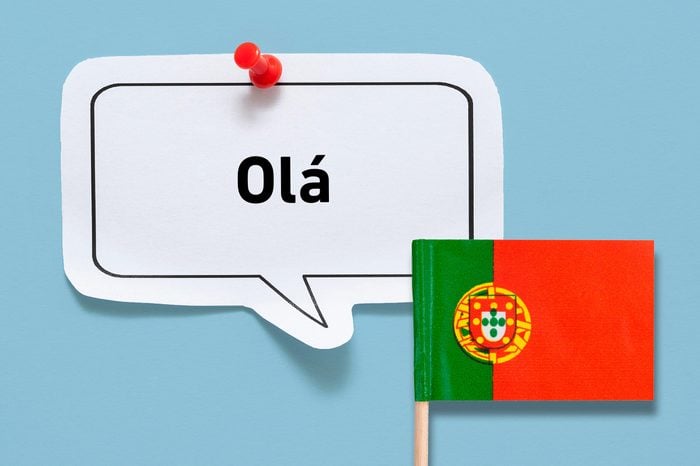
Portuguese
Portuguese’s connection with Spanish, since they derive from a common ancestor and are both West Iberian Romance languages, is clear right from hello. While the Portuguese “hello” is also pronounced “ola,” the emphasis is on the second syllable, not on the first as in Spanish. You’ll encounter Portuguese speakers in Portugal (shocker) as well as in Brazil, Cape Verde, and Mozambique. Want to learn more foreign words? Get a look at these beautiful international words that have no English equivalent.

Vietnamese
“Chào” is the most common way to say “hello” in Vietnamese, and it’s pretty much pronounced how it looks: like “chao,” with a similar vowel sound to the Italian “hello”! However, it’s not a “ch” sound like we’re used to in English. It’s more like “tchao” or “jao.” “Chào” is also usually paired with a title that indicates the age and gender of the addressee.
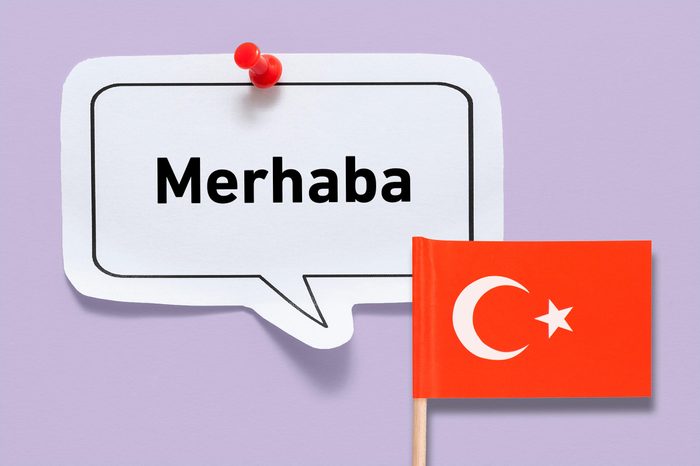
Turkish
To say “hello” in Turkish, you say “merhaba,” or “mair-hah-bah,” with the emphasis on the first syllable. These photos of the world’s most beautiful countries will make you want to travel and use your new linguistic prowess!
Originally Published: October 04, 2019
