


10 Orange Cat Breeds That Have Head-Turning Coats
Updated: Jan. 25, 2024





Meowza! Nothing draws your attention like an adorable orange cat.
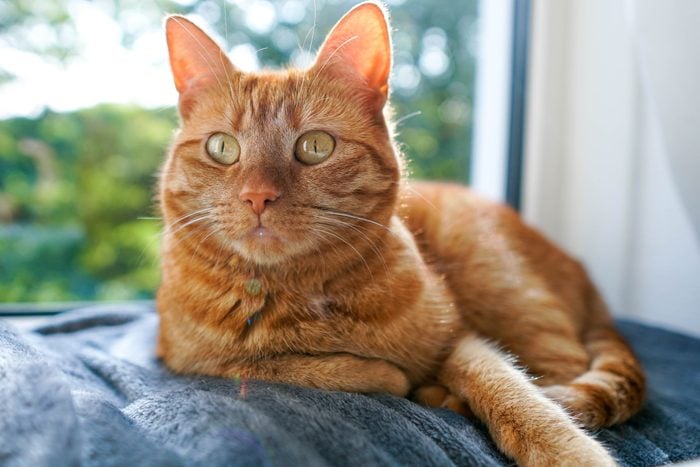
Orange cat breeds for the win!
Even if you’re not a cat person, per se, it’s hard to resist a gorgeous cat—or at least a gorgeous cat picture. That’s why you’re going to love scrolling through these images of sweet kitties with show-stopping orange coats. You’ll find a fluffy cat breed that loves to snuggle, a cat that looks like a tiny tiger, a rare cat breed and more friendly felines that make great pets. In fact, these orange cat breeds are so sweet and so cute that this story might convince you to adopt one (or another one), in which case you should check out these unique cat names.
Are orange cats rare?
While it’s not uncommon to see an orange kitty, it is rare to see an orange female cat. According to Science Focus, you’re three times more likely to encounter a male orange cat than a female orange cat. Why? The fascinating web of cat genetics. Turns out, the ginger kitty gene lies in the X chromosome, so males only need one X chromosome to get that gorgeous orange color. Females, on the other had, need two X chromosomes to don a beautiful orange wrap.
Ready to see these adorable ginger cats? Check out our list of gorgeous orange cat breeds and learn about their interesting personalities. And because there’s no such thing as too many cats, once you’ve become an orange cat expert, you’ll also want to learn more about these stunning black cat breeds and gray cat breeds.
Get Reader’s Digest’s Read Up newsletter for more pets, humor, cleaning, travel, tech and fun facts all week long.
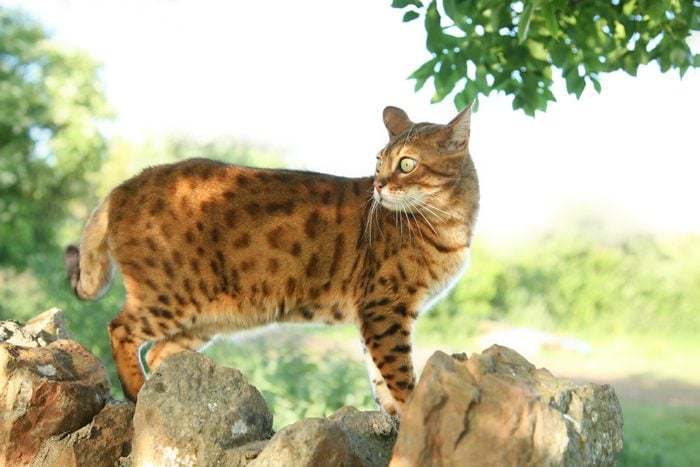
Bengal
With a striking coat that makes it look like a leopard or jaguar, it’s no wonder the Bengal elicits oohs and ahhs from adoring fans and onlookers. It’s the only domestic cat breed that has the trademark rosettes. “They are technically a hybrid cat, meaning they are the offspring of a domestic cat bred with a wildcat, the Asian leopard cat,” says Mikel Delgado, PhD, a cat behavior expert with Rover.
Unlike its wildcat cousin, the Bengal craves interaction with its humans and will love the family dog as much as you do. Bengals have a silky, plush coat with a muscular and athletic physique. They have loads of energy, and they love to play fetch, walk on a leash and even take a dip in the lake! “They are the best fit for a home that has lots of time to give them,” says Delgado.
| Breed overview | Bengal |
| Height | 8–10 inches |
| Weight | 8–16 pounds |
| Life expectancy | 12–16 years |

Abyssinian
“Abys,” which date all the way back to ancient Egypt, are one of the oldest known orange cat breeds. And FYI, you probably won’t find an Aby lounging on a sun-drenched windowsill for hours on end. This orange cat breed is interactive and known for being very active. “Abyssinians are excellent candidates for training to do tricks. Fast and agile, they’ll easily leap to heights of 6 feet to nab a wand toy,” Delgado says. “They will need lots to keep them busy, such as food puzzles and interactive playtime.”
And while not a lap cat, per se, they are affectionate and loyal. When they’re not in active pursuit of a game, they’ll spend their downtime studying and taking note of your every move. Don’t be surprised if your Aby starts turning the lights on and off and opening cabinets as a way to “help” you.
| Breed overview | Abyssinian |
| Height | 12–16 inches |
| Weight | 6–10 pounds |
| Life expectancy | 9–15 years |
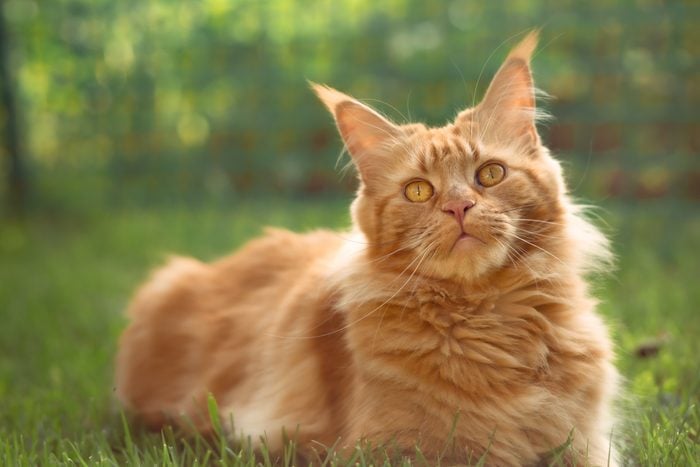
Maine Coon
Fluffy but not stuffy, the Maine Coon is mellow and laid-back. It’s a large cat breed with an equally big heart for loving people. Maybe that’s why it earned the distinction of being named Maine’s state cat. “They have a reputation for being friendly and are often referred to as gentle giants,” says Delgado. But it takes them a while to reach that giant status. “They are slow to mature and not considered full-grown until three to five years old,” she notes.
Ambidextrous, Maine Coons use their paws to scoop up food and water, similar to raccoons. While some cats hate water, that’s not the case for these big kitties. They’re relatively mellow and easygoing, but you might have to fight for shower time when your Maine Coon hears the water running.
| Breed overview | Maine Coon |
| Height | 8–16 inches |
| Weight | 10–25 pounds |
| Life expectancy | 10–13 years |
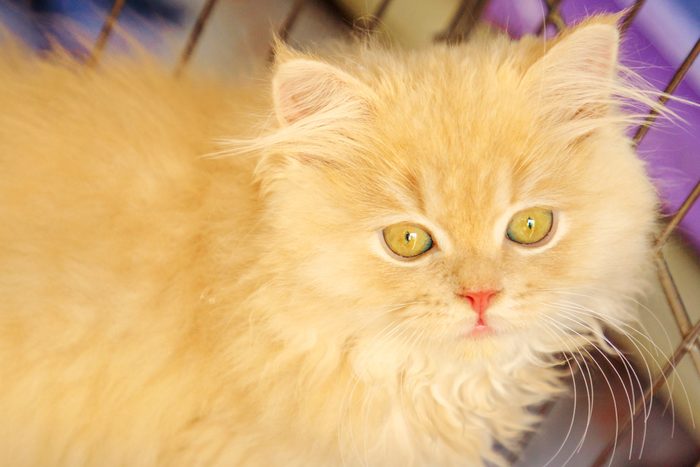
Turkish Angora
Turkish Angoras are known for their silky, soft coats. Delgado says these gorgeous cats are elegant and graceful hosts, often greeting visitors at the door. Their social responsibilities don’t end there, though. Total extroverts, they’ll charm and bring out the smiles of even the stiffest partygoer (even if the guest is a furry one). It’s striking how these cats act like people sometimes—they might even hitch a ride on a person’s shoulders or take a break and stake out the premises from high perches.
And here’s a fun fact: Historically, Turkish Angoras were an all-white breed. They didn’t become an orange cat breed competitor in Cat Fanciers’ Association shows until 1972; before that, only white Turkish Angoras competed for the coveted championship title.
| Breed overview | Turkish Angora |
| Height | 8–10 inches |
| Weight | 5–10 pounds |
| Life expectancy | 15–18 years |
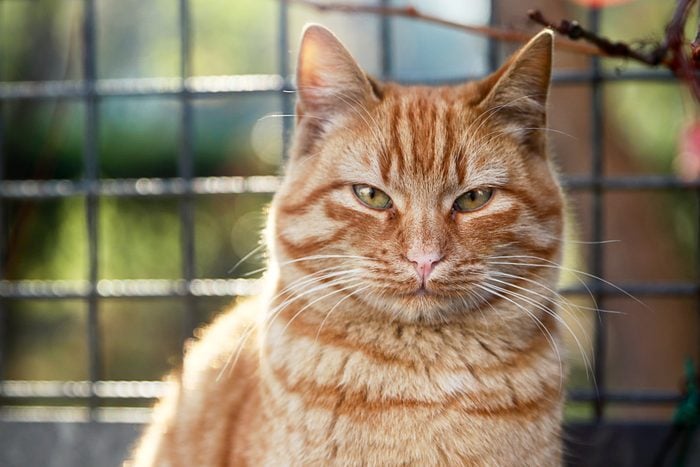
Egyptian Mau
Once you see an Egyptian Mau, you’ll wonder where this rare cat breed has been your whole life. It’s easily mistaken for a Bengal, but these orange cats are smaller. Their telltale spots also arose naturally, without specific breeding for the trait, says Delgado.
Personality-wise, Egyptian Maus dote on their humans and make the most delightful companions. With dog-like characteristics, they greet you at the door, drop a toy at your feet as a subtle hint for playtime and even “talk” to get your attention. “They are known for being very sweet with their family—although some may be wary of unfamiliar people,” says Delgado. If you give them a little time, though, they usually warm up to new human and furry friends.
| Breed overview | Egyptian Mau |
| Height | 7–11 inches |
| Weight | 8–12 pounds |
| Life expectancy | 9–13 years |
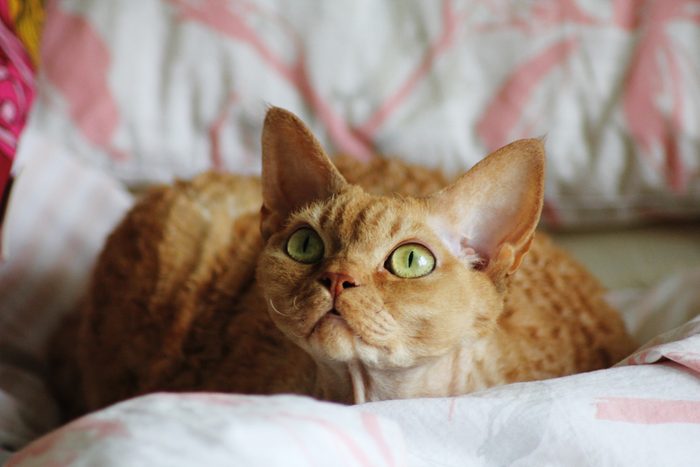
Devon Rex
“These kitties are known for their slim bodies, narrow faces and pointy ears, giving them an endearing pixie-like quality reminiscent of something out of The Hobbit,” says Matthew McCarthy, DVM, founder of Juniper Valley Animal Hospital in Middle Village, New York. They do hail from Devon, England, after all.
Devon Rexes love to be loved, but they’re more likely to snuggle in between you and the arm of the sofa for a body hug rather than sitting on your lap. It’s a sweet gesture and certainly a sign that your cat trusts you, but the Devon may have an ulterior motive. They may get chilly, since their coat is rather sparse, and they also don’t like to be alone. Still, while they’ll be content to purr and snuggle for a while, they’ll eventually get bored and need some entertainment. The Devon’s mantra is “snuggle hard, play hard.”
| Breed overview | Devon Rex |
| Height | 10–12 inches |
| Weight | 5–9 pounds |
| Life expectancy | 9–15 years |
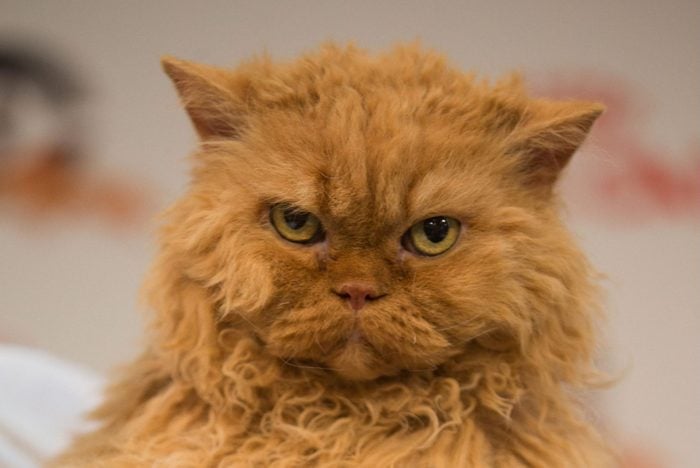
Selkirk Rex
Unlike the Devon Rex, the Selkirk Rex claims no ties to the U.K. (this orange cat breed was the creation of a shelter cat in Montana and a Persian cat), and its body and coat are a striking contrast to the Devon’s. “The Selkirk is a broad-faced, stocky, solidly framed kitty with curly whiskers and a thick curled coat,” says Dr. McCarthy. “There are shorthaired and longhaired versions, but its coat is often unkempt, bordering on matted.”
What the Selkirk Rex does have in common with its Rex relatives is a lively, energetic and friendly temperament. These scruffy cutie-pies are a very affectionate cat breed. Don’t be surprised if they unapologetically take up half your pillow every night. While they are mellow and laid-back, they can get bored without their people and need things to entertain them. “Keep them occupied with toys and other energy outlets, like scratching posts and food puzzles,” advises Dr. McCarthy.
| Breed overview | Selkirk Rex |
| Height | 9–11 inches |
| Weight | 6–16 pounds |
| Life expectancy | 13–15 years |
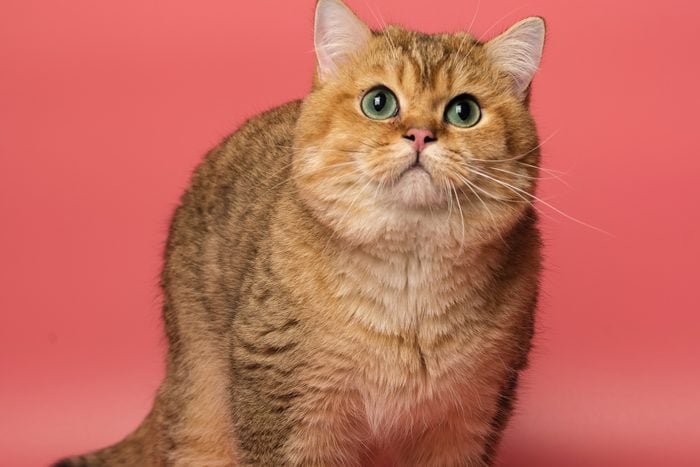
British Shorthair
There’s no point in denying it: The British Shorthair is over-the-top adorable with those big dreamy eyes, round head and stocky body. And if you see this cute cat breed as a kitten, you may very well lose your mind.
You’ll definitely want to keep a close eye on them if you let them outside because they are so easygoing and docile, they’re likely to attempt to make friends with a potential predator or kitty thief instead of run away. “Fitting with their jovial appearance is a laid-back and loving temperament, although they do also enjoy their time alone—almost too much at times!” says Dr. McCarthy. “And while the breed was prized for its physical strength and hunting ability, today the most they usually hunt is for their own food bowls.”
| Breed overview | British Shorthair |
| Height | 12–14 inches |
| Weight | 7–17 pounds |
| Life expectancy | 14–20 years |
American Bobtail
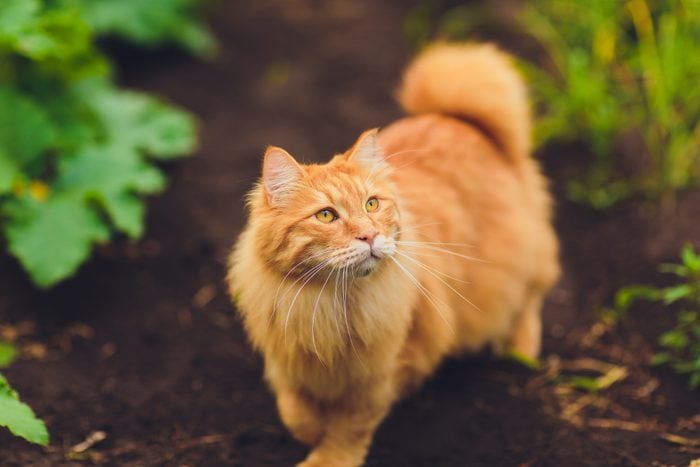
“This relatively new breed from the 1960s is one of the most genetically diverse pure breeds and, as such, will be a robust and amazingly healthy addition to any family,” says Dr. McCarthy. Rumor has it that the American Bobtail is the result of a cross between an ordinary house cat and a wild bobcat.
Not only do they resemble bobcats in looks, but they also probably inherited some hunting skills—albeit of the indoor variety. A genuine cat burglar, the American Bobtail loves to swipe shiny objects, so guard your twinkling trinkets. They’re outgoing and friendly with humans and other animals, and they’re also easily leash-trained and love to go for walks with their people. You won’t hear them meow much, but they will “talk” when they have something to say, notes Dr. McCarthy, and have even been known to trill, chirp and click when delighted. Seriously, does it get any cuter than that?
| Breed overview | American Bobtail |
| Height | 9–10 inches |
| Weight | 7–16 pounds |
| Life expectancy | 13–15 years |
Somali
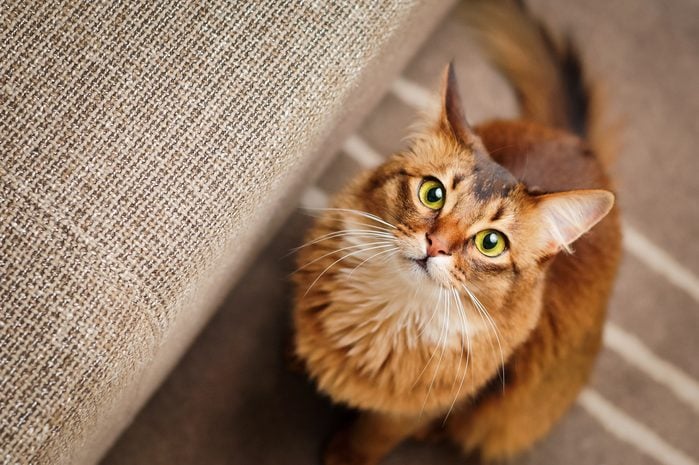
This gorgeous orange cat derived from the Abyssinian breed possesses the sweet face and the full, bushy tail of a fox. And the Somali is sneaky as a fox too. “While they don’t have opposable thumbs, they are known for their great manual dexterity (like monkeys) and can easily grab treats and toys, open cabinets and even turn on faucets when you’re not looking,” says Dr. McCarthy.
Cats are smarter than we think, and that’s especially true of the Somali, so it’s essential to kitty-proof your cabinets. And don’t forget to keep the bathroom and bedroom doors closed too. All that said, this highly intelligent breed is also affectionate and shameless in accepting all the attention you can give it. Bring on the cuddles!
| Breed overview | Somali |
| Height | 7–10 inches |
| Weight | 6–12 pounds |
| Life expectancy | 12–15 years |
Sources:
- Science Focus: “Is it true that most ginger cats are male?”
- Mikel Delgado, PhD, cat behavior expert with Rover
- Matthew McCarthy, DVM, founder of Juniper Valley Animal Hospital
