


12 States That Were Almost Part of the United States

Updated: Aug. 04, 2021





If these states had come to be, we could have had a state of Transylvania, Delmarva, or Nickajack!
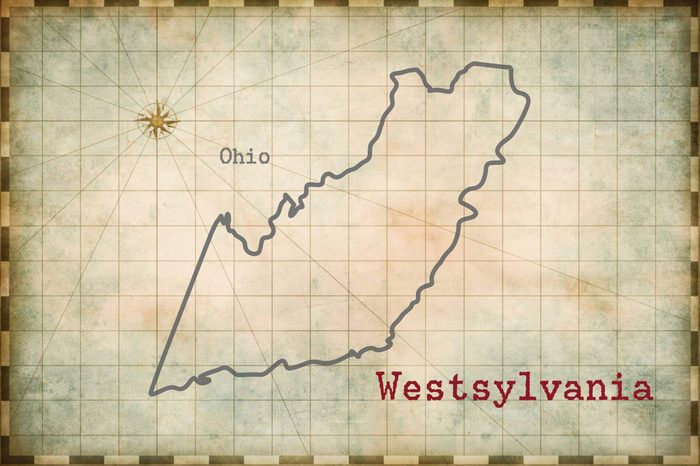
Westsylvania
There was a lot of debate that went on when the United States was being formed. If any of these proposed states had been approved, there may have been a few more than 50 stars sewn into the American flag. One of the proposed states that didn’t make the final 50 was the state of Westsylvania. The idea came up in 1776 during the American Revolution. The state would have been created from parts of modern-day Pennsylvania, West Virginia, and Kentucky. Unfortunately for all of the hopeful Westylvanians, their bid was ignored by Congress and never went up for a vote. Congress chose to ignore the bid because they didn’t want to raise tensions between Pennsylvania and Virginia during the Revolutionary War when it was vital that the country remained united against Great Britain. Don’t miss the dumbest laws in every state.
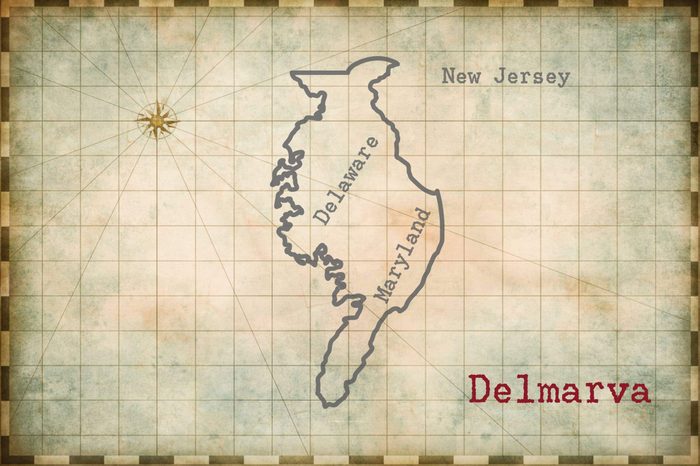
Delmarva
Another proposed state was the small peninsula of Delmarva. The fact that this small land mass is split among three different states (Delaware, Maryland, and Virginia) is a little wacky, so, it’s not the craziest idea to give it its own name. A few senators, fed up with government regulation, proposed that the Maryland and Virginia portions secede and unite with Kent and Sussex counties in Delaware to form their own state. Another idea that was put on the table was to have Maryland and Virginia let Delaware claim the peninsula as their own since the entirety of Delaware is located on it, whereas only portions of the other states are. However, in the end, the three states couldn’t come to an agreement on many issues and Delmarva never came to be. These are the U.S. state facts everyone gets wrong.
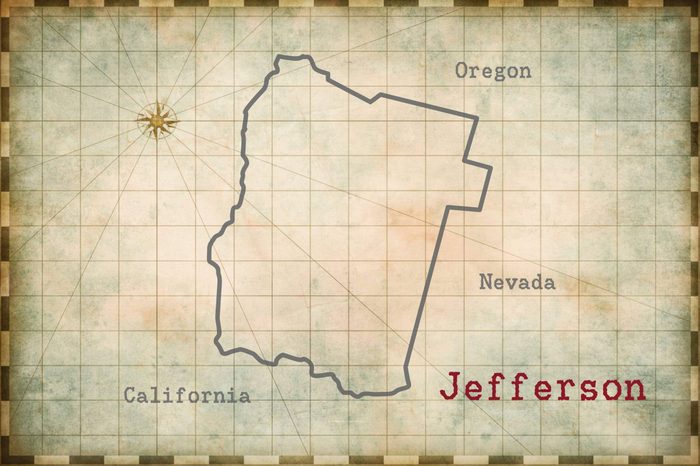
Jefferson
Creating the state of Jefferson seemed to be a hot commodity—there were actually four different regions that tried to claim the state as their own. The first to propose the state was a community of miners in the Rocky Mountains in 1859. They wanted their own state and the government gave it to them. However, no one in the new state of Jefferson could decide on a constitution so it never became official.
The next two areas to take a shot at claiming the state of Jefferson were both in Texas. Since Texas is so big, it was given permission to split into as many as four states. Jefferson was first proposed in the southeastern part of the state but no one took the proposal seriously. Then the proposal for Jefferson was put back on the table but this time for the western part of Texas. However, not enough state sponsors approved it and the proposed state failed for the third time.
The next attempt to make Jefferson a state took place in 1941 in northern California and southern Oregon. They wanted to break off into their own state and even handed out fliers and held rallies to make it happen. Their proposal was minimized because of the attacks on Pearl Harbor and the state never came to be. However, many activists (from the California section that wanted to break away) still feel that they are disenfranchised by the rest of the state and voice their opinion about wanting to create the state of Jefferson.
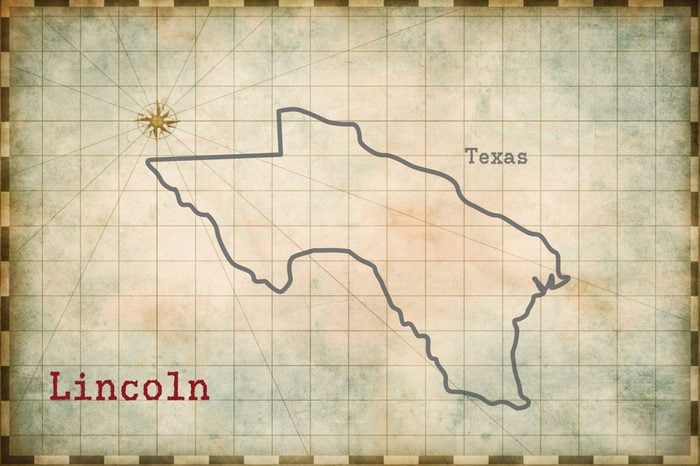
Lincoln
Similar to the proposed state of Jefferson, there were multiple attempts to create the state of Lincoln. The first was in the southwestern part of Texas. It was proposed as one of the four states that Texas was given permission to split up into. However, it never came to be. The second proposal for the state was for the area that is now the Idaho panhandle. The idea failed but it is still brought up today, most recently in 2005. Here are more astonishing facts you never knew about each of the 50 states.
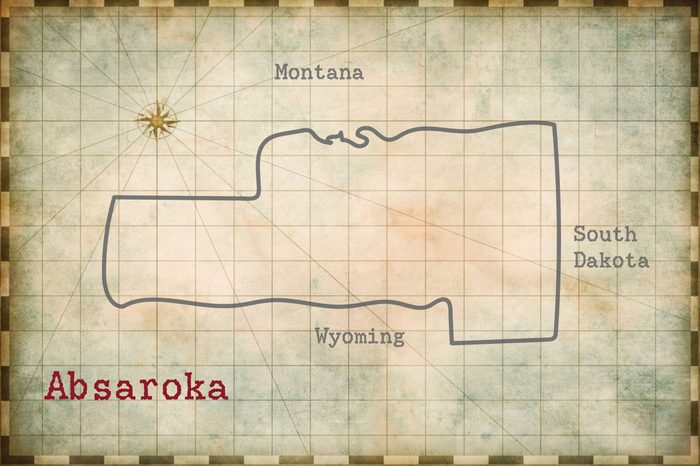
Absaroka
The state of Absaroka was proposed by a group of business and political leaders from Wyoming who were opposed to New Deal politics. They wanted to combine parts of South Dakota, Montana, and Wyoming to bring tourism to the area. It was proposed in 1939 and named after the Absaroka Range of the Rocky Mountains. They never actually presented the idea to Congress, but it’s citizens got very into it. They made Absaroka license plates, had a beauty pageant to crown a “Miss Absaroka,” and started a minor league baseball team called the Absaroka Eagles. But, World War II became everyone’s main focus when it started and the enthusiasm for the state faded into the background. Check out the most difficult-to-pronounce towns in every state.
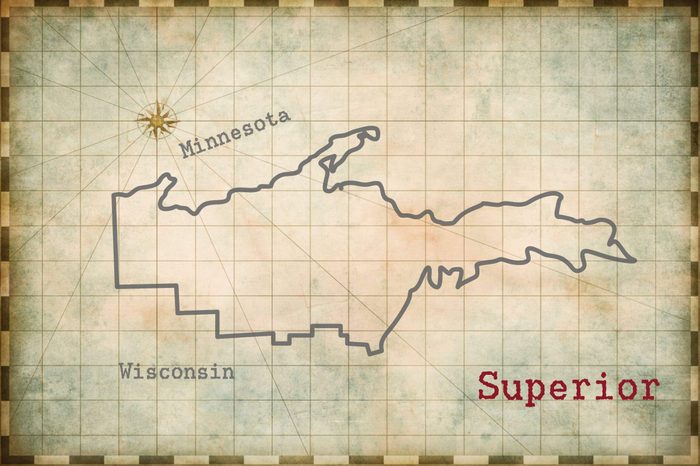
Superior
This proposed state makes a lot of sense. So much sense, in fact, that it’s still debated today. The upper peninsula of Michigan wanted to split off into its own state of Superior (after Lake Superior). The peninsula is very isolated from the rest of the state and has its own unique culture. The people who live in the area are known as Yoopers. A bridge connecting the piece of land to Michigan wasn’t even built until the 1950s. Even though the proposed state of Superior might feel like a completely different world than Michigan, making it a state would make the Senate more un-democratic, so it’s most likely never going to happen.
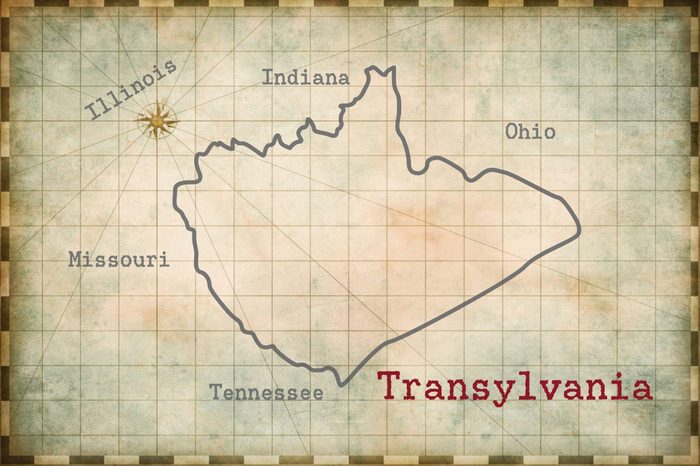
Transylvania
No, this state wasn’t proposed by Dracula. It was actually proposed as the unofficial 14th colony. It was made up mostly of modern-day Kentucky and a small portion of northern Tennessee. Daniel Boone bought the land from the Cherokee Indians in hopes that they would be allowed to govern it on their own. However, the colony of Virginia claimed the same land—and the Continental Congress wasn’t in support of this new state and failed to recognize Transylvania. Brush up on these other state trivia facts your history teacher probably never taught you.
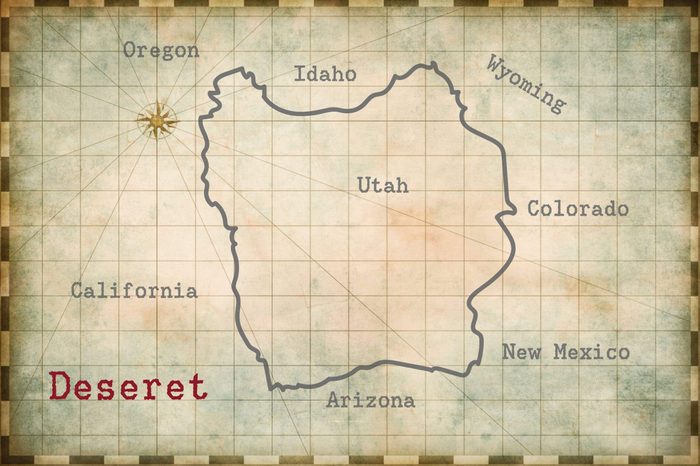
Deseret
The proposed state of Deseret took up all of modern-day Utah and several other surrounding areas. Mormons proposed the state in hopes of being able to govern themselves, however there was anti-Mormon bias in the culture at the time, and Congress wasn’t a fan of the new religion either. Also, slave states in the South were opposed to the creation of a new free state in the West. In 1851 the state was dissolved by the General Assembly and became part of Utah Territory. They tried to bring their petition for statehood back in 1856, 1862, and 1872, but it failed again.
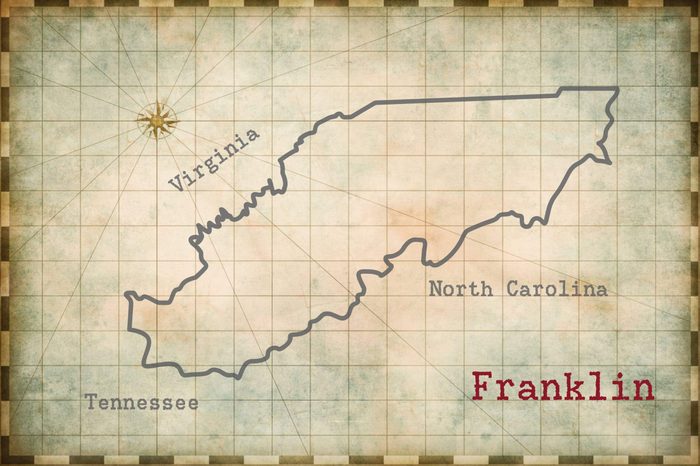
Franklin
Franklin was almost the 14th state. After the Revolutionary War, the land that is now eastern Tennessee tried to form its own government. They were given the option to by Congress after North Carolina had ceded their lands to the government. Around the same time Franklin became a state, North Carolina reclaimed their lands because they feared Congress would sell it to Spain or France to help pay war debts. The state of Franklin existed for four years, but in 1789 the leaders decided to rejoin North Carolina. These are history questions that people always get wrong.
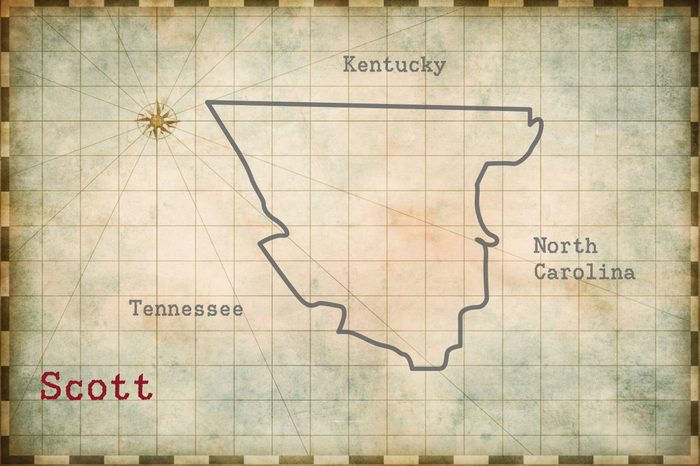
Scott
The state of Scott was founded during the Civil War. When Tennessee became a Confederate state, Scott County seceded in order to support the Union. Tennessee didn’t do anything to stop them and just forgot about Scott until its 125th birthday in 1986. Scott requested readmission—even though the state was never recognized as independent by the government—and a party was held to welcome it back as a part of Tennessee.
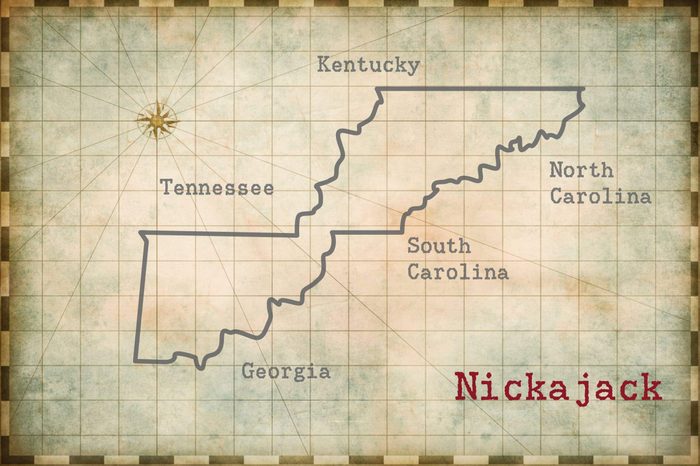
Nickajack
Similar to Scott, the proposed state of Nickajack wasn’t happy when the south tried to secede from the Union. The region of eastern Tennessee and northern Alabama tried to break away and form their own state to support the North. After many attempts to create the state legally with the government, it became too much of a risk for this region to leave the Confederacy and they gave up on the idea.
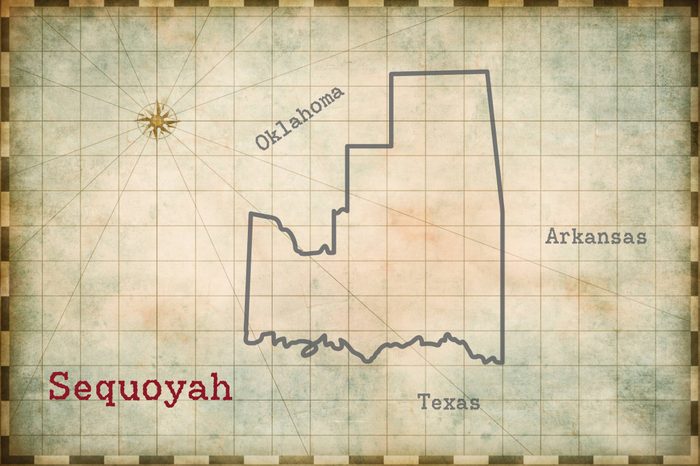
Sequoyah
In 1905 the Native Americans proposed the state of Sequoyah as a region where they could implement their ways of governing. They wanted the state to have counties for all of the different tribes. But, at the time, Congress and the White House were controlled by Republicans who weren’t in favor of Native Americans having their own state. Congress refused to consider the proposal and it didn’t become a state—instead, President Roosevelt merged the proposed state of Sequoyah with the existing proposal for the state of Oklahoma. Now that you’ve learned about the states that never came to be, let’s see if you can identify these states on a completely blank map of the U.S.
[Source: Mental Floss]
Originally Published: February 28, 2019
