


This Is the No. 1 Cheapest Grocery Store in the U.S.
Updated: Mar. 12, 2024





Is it possible to save money on groceries and still have a pleasant shopping experience? If you head to these cheap grocery stores, the answer is a resounding yes!

The cheapest grocery stores of 2023
If you feel like your trips to the grocery store have been burning a bigger hole in your wallet lately, you’re not imagining things. Even shopping at cheap grocery stores is increasingly expensive. According to the latest Consumer Price Index figures, prices at grocery stores have been up 2.4% over the past year.
And on top of inflation, there’s shrinkflation—when product sizes shrink, but their prices don’t—a sneaky grocery store secret they’re hoping you don’t notice. In short, it’s more important than ever to find the best deals. But saving money on groceries is just one of the things that defines the best grocery stores.
A new survey conducted by Market Force asked 6,555 U.S. consumers about their grocery-shopping habits—touching on brand preference, customer experience, brand engagement and brand awareness—and which stores offer the best value for their money. We’ve rounded up the top 10 to make sure your dollar goes further on your next shopping trip.
Get Reader’s Digest’s Read Up newsletter for more money, humor, cleaning, travel, tech and fun facts all week long.
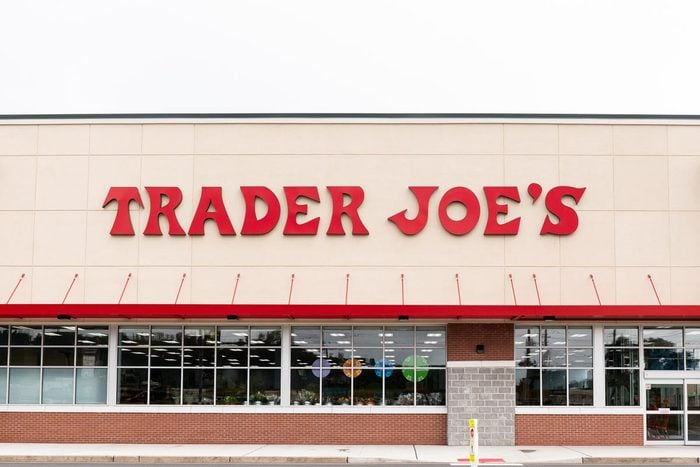
10. Trader Joe’s
In addition to its cool vibe, unique and often healthy products, courteous cashiers, quick checkout and store cleanliness, Trader’s Joe’s prices are excellent. “It’s the prices that really draw people in,” says Clark Howard, founder of money site Clark.com. “Trader Joe’s sells some brand-name products under its own private label at half off what you’d pay at a traditional supermarket.” Items here rank high among the things money experts tend to buy cheap.
Another impressive feature that sets apart Trader Joe’s? Its prices are the same at every store in the country, whether you’re shopping in New York City or Kansas. In addition to Trader Joe’s being one of the best brands for groceries, a 2023 Axios Harris Poll on corporate reputation ranked it No. 4 among companies in all industries, confirming it is one of the most trustworthy places to shop.
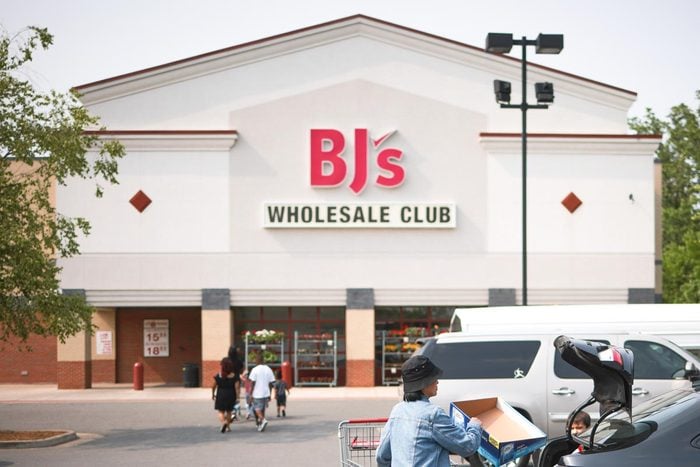
9. BJ’s Wholesale Club
Warehouse clubs are known for their great deals, so it’s no huge surprise that BJ’s made the list of the best cheap grocery stores. But according to Warehouse Club Focus editor Michael G. Clayman, BJ’s has the biggest selection among warehouse clubs, with 5,550 different items for sale. (Sam’s has 4,648 SKUs, while Costco stocks 3,620 products.)
While it’s known for big savings on big quantities, BJ’s is the only warehouse club that offers supermarket-like products in smaller quantities. “You can go there and save money and not have to buy those gigantic sizes,” says retail analyst Phil Lempert, the founder of Supermarket Guru.
The superstore also offers loads of promotions and rewards, so you can counter the grocery store items with the highest markups. It accepts manufacturers’ coupons (which you can stack with BJ’s coupons) and also provides discounts on special services like travel, home improvement and insurance. You can even get free maintenance on car tires. Improving convenience and expanding access is also a major initiative. BJ’s was the first wholesale club available on DoorDash, allowing non-members to receive a selection of products on-demand, and also offers Same-Day Select, which delivers groceries to BJ’s customers in two hours or less.
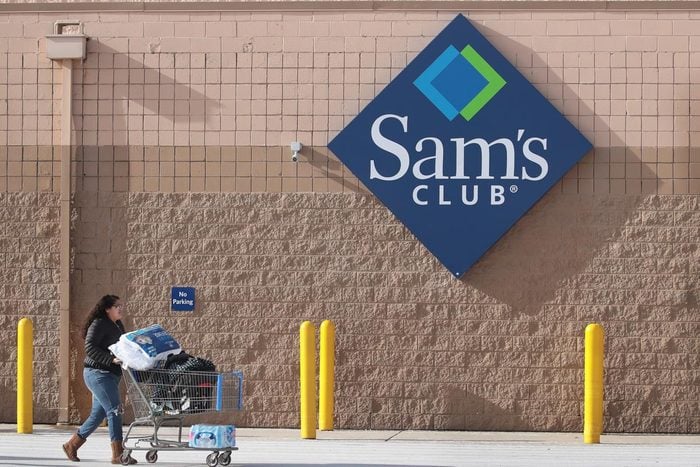
8. Sam’s Club
Out of the three major warehouse-club chains, Sam’s Club has the most affordable fees, at $50 a year. (While also cheap grocery stores, BJ’s and Costco have membership fees that will cost you $55 and $60, respectively.) And here’s a hot tip: Always Google “membership deals” before signing up for any warehouse club. Sam’s often offers a new member discount; right now, the first year of the club membership is only $15, which is like getting a $35-off coupon when you join. Independent sites, such as Groupon and Stack Social, also offer deals on these annual memberships. At press time, Stack Social was offering one for just $24.99.
And of course, the deals are great once you’re there. But our favorite in-store Sam’s Club perk is that you don’t have to wait in the checkout line—ever. Use Sam’s Scan & Go app to scan and pay as you shop. You can also hit up the selection of gift cards for up to 25% off 130-plus food and retail brands, including Southwest Airlines, Panera Bread and AMC Theatres.
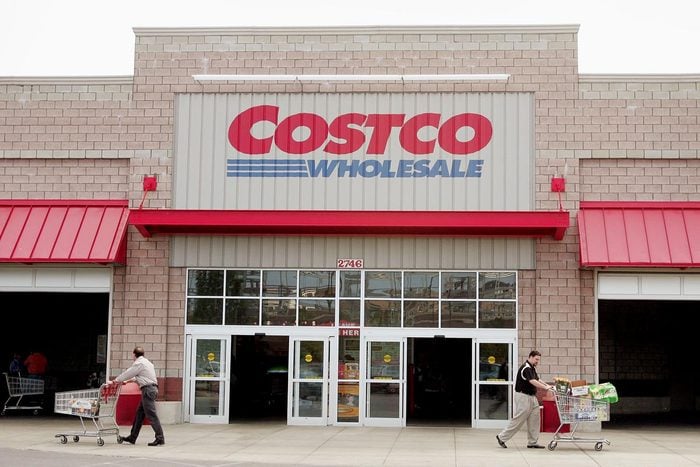
7. Costco Wholesale
When it comes to hefty savings on bulk items, Costco reigns supreme. In fact, when Newsweek teamed up with market research firm Statista to determine America’s best retailers of 2023, it earned the top spot among warehouse clubs. Plus, Costco has one of the strongest private-brand perceptions—people love Kirkland, which offers everything from household supplies to frozen meals to clothing for the entire family. “Costco is [also] one of the best places to buy meat in the country,” says Lempert. “They do more inspections than the whole federal government does for all the other supermarket chains.”
Customer-friendly perks are also a highlight. Costco has a generous return policy, with a “risk-free, 100% satisfaction guarantee.” You can return almost anything (with some exceptions, like electronics), at any time, no questions asked—including food you’ve already opened! Costco also honors its sale prices: If you notice that the price of something you bought has gone down within 30 days of your purchase, you can put in a request online to get the difference refunded. Here are more Costco secrets you need to know.
6. Grocery Outlet
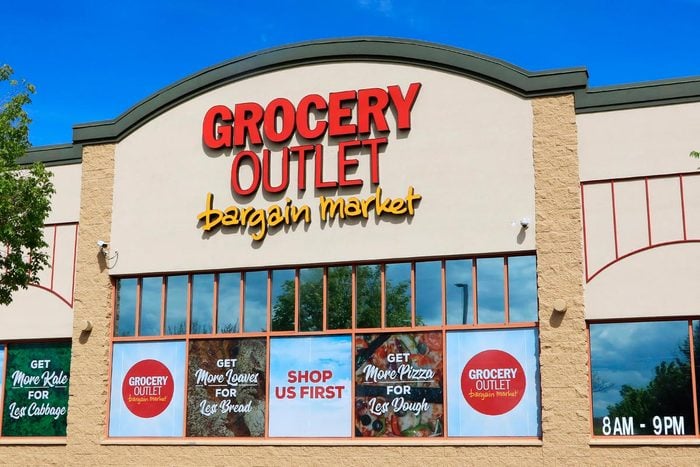
When founder Jim Read opened his very first store in 1946, he sold military surplus at steep discounts. Now the West Coast–based chain boasts more than 400 stores serving 1.5 million shoppers weekly. And it has never strayed from its original intent: to find the best deals on brand-name groceries, often 40% to 70% off list price. Learn how to coupon, and you could save even more on food.
Customers seem to be flocking to the low prices—net sales rose 12.5% in the second quarter of 2023, giving Grocery Outlet its first billion dollars in sales in one quarter. And the store is paying it forward. The company raised $3.9 million—the equivalent of 2 million in meals—during its 2023 Independence from Hunger campaign.
5. Market Basket
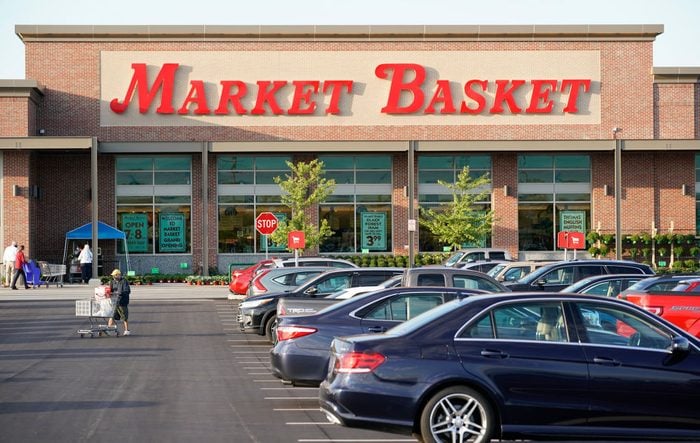
A New England–based, family-owned chain with 90 locations in four states, Market Basket is a competitively priced favorite for area shoppers who want to save money on their go-to groceries. While devoted patrons appreciate the hard-to-beat prices, it’s the overall shopping experience that keeps them coming back. A “customers first” philosophy offers superior service, smooth operations and consistent cleanliness.
Each location features more than 52,000 items, including an assortment of international purveyors, as well as community-specific products. Shoppers can eat, drink and hang out in the comfy in-store cafe seating area—complete with complimentary Wi-Fi and mounted televisions. And don’t miss the impressive sushi department, where sushi chefs create specialty rolls and custom orders upon request.
4. Lidl
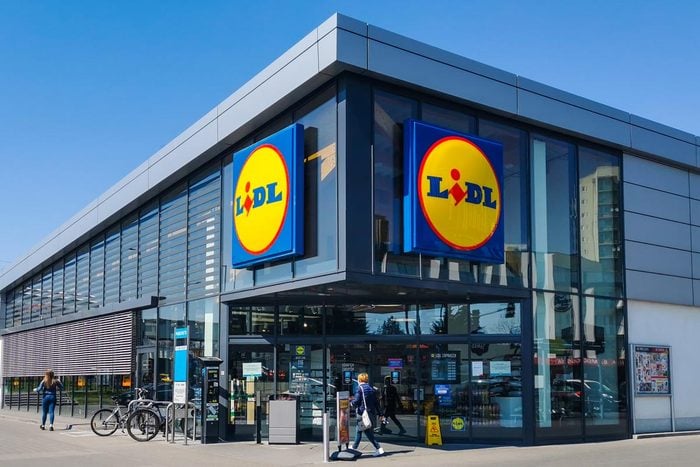
Lidl stands out for its specialized service and premium products at an affordable price. The chain—which boasts 173 cheap grocery stores across 10 states on the East Coast—is dedicated to offering the best value possible, helping it rank fourth in Market Force’s survey. Head here with your budget grocery list, but don’t expect a massive variety of goods. Instead of everything under the sun, Lidl prides itself on serving up an expertly curated selection from local purveyors, regional farms and European brands.
It’s also a great place to shop for prepared foods that make dinnertime a cinch. “When you go into a Lidl, you’ll likely be surprised by how great the prepared foods and the wines are,” says Lempert. Beyond food, you’ll find small kitchen appliances, gardening gear, power tools and even toys.
3. WinCo Foods
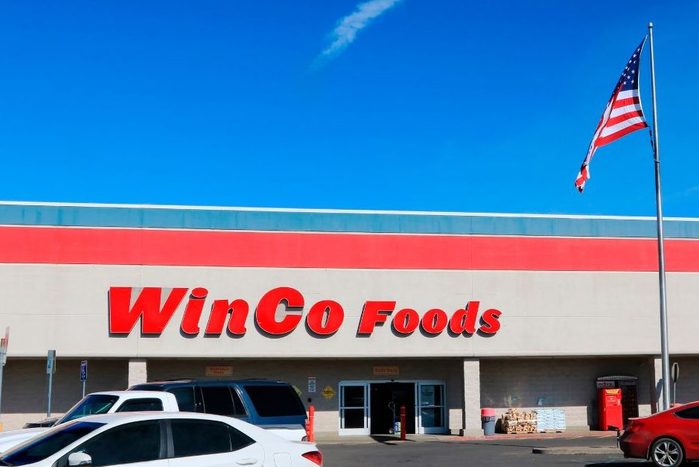
WinCo Foods was founded in 1967 as a no-frills warehouse-style store with low prices, and it still maintains its exceptional value at its 135-plus locations. “They have a unique positioning in the marketplace,” says Lempert. “They’re all about value, but they’ve also done a great job on remodeling the stores, so you’re not really giving up anything to be able to have those great prices.”
There are a few other standout factors that make it one of the best grocery stores. To start, WinCo is employee owned—the people who work at each store become part-owners of the company. Any time there’s an employee-owned retailer, you’ll find that the staff usually enjoys being there, explains Lempert. “You’re not going into a store where everyone hates working there, and that comes across to you as a shopper,” he says.
While year-round prices remain affordable at this 24-hour grocery store, you can also find coupons online, as well as a “Wall of Values” area. Find out the cheapest day of the week to shop, then plan your week around these savings. Another perk: A bulk-bin food department with more than 800 items (like rice, dried beans, pasta and more) allows shoppers to buy as little or as much as they like. But when it’s time to check out, be aware: As another effort to keep prices low, WinCo Foods doesn’t accept credit cards.
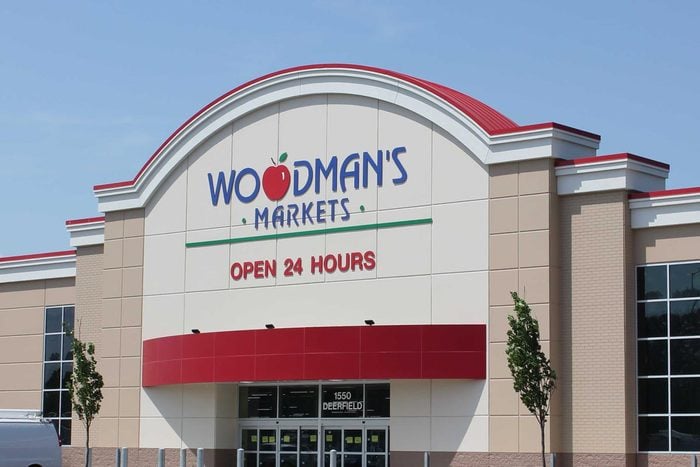
2. Woodsman’s Markets
Woodsman’s may be a small supermarket chain, with only 19 stores across Wisconsin and Illinois, but its loyal shoppers love the store’s sushi bar (for nights when meal planning falls through), well-stocked liquor store, online shopping services with pickup and delivery, and of course, its prices. But maybe even more than that, locals love the store’s iconic commercials featuring CEO Phil Woodman and his son, Clint, touting the store’s low prices. “There’s Packers football, and then there’s the Woodman commercials, as far as most memorable experiences,” former Green Bay Packers quarterback Aaron Rodgers once said in a press conference.
And then there’s the huge variety of food items. The store even went viral in 2022 when a user on X (then Twitter) posted a minute-long clip showing the seemingly endless selections in the frozen pizza aisle. “We’re known for our huge variety of items, and frozen pizza is one of the sections where there’s just so many different suppliers, and we offer everything that anyone would want,” says the elder Woodman. Each store stocks 50 pizza brands, taking up 600 square feet of space.
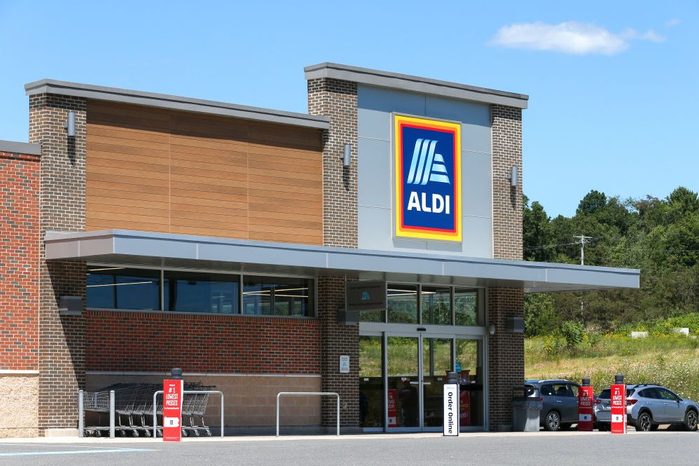
1. Aldi
“More than any other store on this list, Aldi is the one to beat when it comes to cheap groceries,” says Howard. “Customers can save up to 50% off traditional supermarket prices and up to 30% off Walmart prices.”
But Aldi isn’t just the leader among cheap grocery stores; it’s also one of the most efficient stores, with customers able to get in and out quickly, thanks to the fast checkout process. With more than 2,400 locations across 38 states and plans to open 120 more by the end of the year, it’s also one of the fastest-growing chains in the United States.
Additional reporting by Rachel LeWinter.
About the experts
- Clark Howard is a consumer advocate and money expert who has been sharing practical money-saving advice for more than 30 years. He is the founder of Clark.com, host of the Clark Howard Podcast and author of several money books, including Clark Howard’s Living Large in Lean Times.
- Phil Lempert is a consumer trend-watcher and analyst, the founder of Supermarket Guru and a print, TV and radio news reporter. For more than 25 years, he has analyzed and reported on consumer behavior, market trends, new products and the changing retail landscape.
- Michael G. Clayman is a former warehouse club buyer and financial analyst who’s been writing about the industry for nearly three decades. He is the current editor of Warehouse Club Focus.
Sources:
- U.S. Bureau of Labor: “Consumer Price Index Summary”
- Market Force: “U.S. Grocery Benchmark Study: Consumer Experiences & Competitive Benchmarks”
- The Axios Harris Poll: “Corporate Reputation Rankings”
- Newsweek: “America’s Best Retailers 2023”
- Grocery Outlet: “Grocery Outlet Holding Corp. Announces Second Quarter Fiscal 2023 Financial Results”
- Green Bay Press Gazette: “Aaron Rodgers is one of us, Wisconsin. He gets a kick out of those Woodman’s commercials, too.”
- Wisconsin State Journal: “From NBC’s ‘Today’ show to The Hill, pizza aisle at Woodman’s goes viral”
