


Old Stuff Day: How to Donate Practically Anything

Updated: Nov. 09, 2022





Doesn’t it feel good to give back? Here's where you can donate everything from DVDs and crayons to musical instruments and prom dresses.
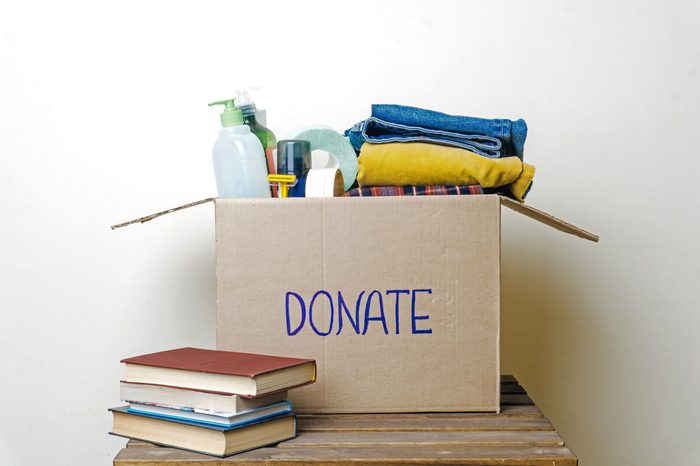
Giving new life to your old items
We all have stuff sitting around the house that we no longer need. While it can be easy to toss most of it in the trash, you should seriously consider donating it instead—even these surprising things you didn’t know you could donate. “Donating and recycling in today’s world is crucial for the future of our planet,” explains Los Angeles–based professional organizer Jon Siegel. “The contributions individuals and local communities can make are important in the difference they can make in our nation and the world.” In addition to helping the environment, passing along certain items can make a real difference to people in need, as well. However, it can be difficult to figure out where exactly to donate your old stuff. That’s why we compiled this comprehensive list of where to donate everything from cars and clarinets to crayons and cardboard boxes.
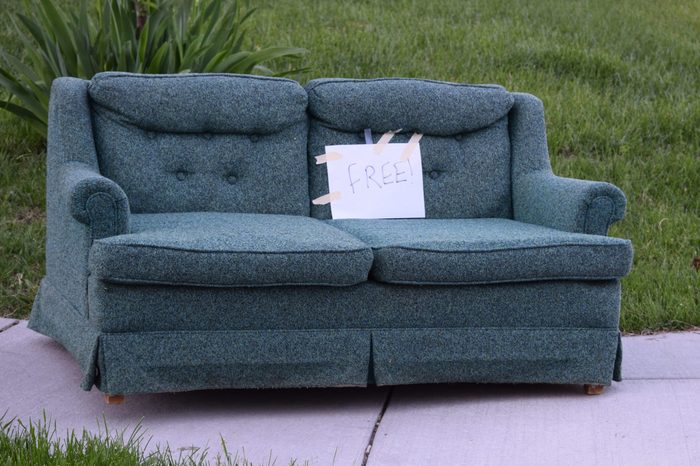
Donate building materials and furniture to: Habitat ReStore
Habitat ReStore resale outlets sell everything from reusable and surplus building materials to furniture—all of which they receive via donated goods. “While every ReStore is a little different, most focus on home-improvement goods like furniture, home accessories, building materials, and appliances,” Siegel explains. The goods are then sold to the general public at a fraction of the retail price. But here’s the best part: The proceeds help local Habitat affiliates fund the construction of Habitat for Humanity homes within their communities.

Donate wheelchairs and medical equipment to: UCP Wheels for Humanity
There are so many people who can’t afford a wheelchair, so UCP Wheels for Humanity is a great place to donate newer (five years or less) manual and power wheelchairs, says Siegel. They also accept other durable medical equipment for local and international distribution. You can also do a lot of good for a wide variety of people by donating your used books.
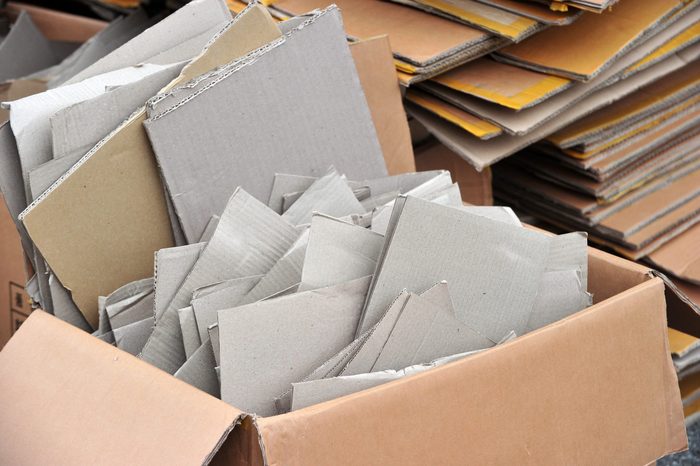
Donate used cardboard boxes to: Used Cardboard Boxes
So many of us stick our old cardboard boxes in the recycling bin. However, donating them to Used Cardboard Boxes is a better option, according to Siegel, as the company “takes an innovative approach to providing low-cost, Earth-friendly moving boxes.” They “rescue” truckloads of quality used boxes from large companies that might otherwise recycle them or simply throw them away, and bring them back to their regional distribution centers, where they are inspected and sorted by size and shape. Boxes that meet their strict requirements for quality, shape, and strength are prepacked (along with convenient packing accessories) into low-cost, eco-friendly “stacks” and “kits” and are resold to customers all across the United States, via their website. Speaking of which, these are the packing tips you’ll definitely want to know before moving.
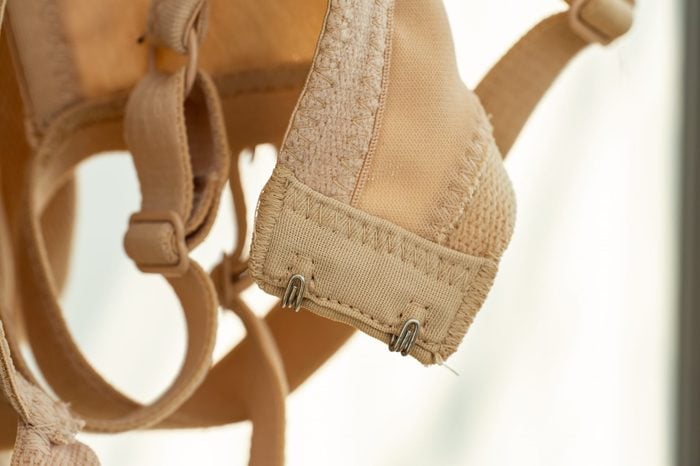
Donate bras to: Uplift Project
For women in disadvantaged communities, a bra is often unobtainable or unaffordable. If you have any bras sitting around that no longer fit or you simply don’t like them, you should consider donating them to the Uplift Project, urges Siegel. “This project collects new and secondhand bras and sends them upon request,” he explains.
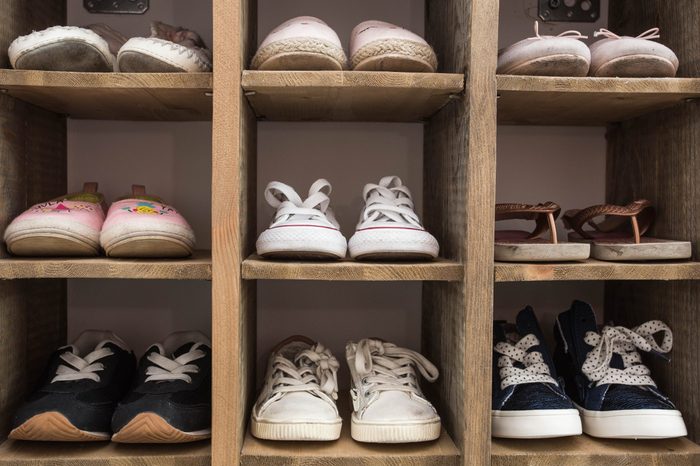
Donate shoes to: Soles4Souls
Both new and used shoes from companies, retailers, and individuals are welcomed at Soles4Souls, which distributes them to those who need them. The group’s goal is to help lift people out of poverty by providing them with this basic necessity. “You can ship them to Soul4Souls yourself, or Zappos will ship them for you,” explains Siegel. Or, you can also find a donation location near you on their website. While you’re going through your old stuff, take a long, hard look at it and figure out what your favorite shoes say about your personality.

Donate excess produce to: Ample Harvest
Many people with a garden—no matter how big or small—end up with excess fruits and veggies at some point in the growing season. Instead of tossing those extra tomatoes in the compost, consider using them to feed someone in need. “Ample Harvest diminishes hunger in America by educating and enabling gardeners to donate their excess harvest to the needy in their community instead of allowing it to rot in the garden,” Siegel explains. Did you know that it’s actually illegal for grocery stores to waste food in this European nation?
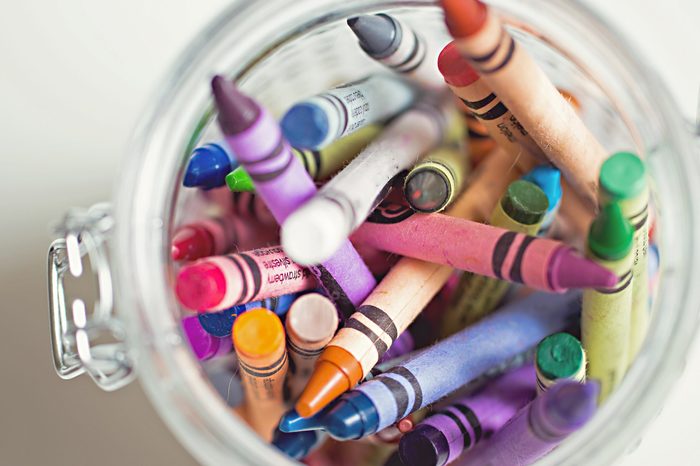
Donate old crayons to: Crazy Crayons or The Crayon Initiative
If you have kids, chances are you’ve thrown away plenty of broken crayons. However, did you know that you can actually recycle them, even if they’re in small pieces? “Crazy Crayon‘s Crayon Recycle Program takes unwanted, rejected, and broken crayons to a better place where they’ll be recycled into fresh, new crayons,” explains Siegel. The Crayon Initiative also recycles old bits of crayons to make perfect new ones, then gives them to art programs at children’s hospitals around the country.
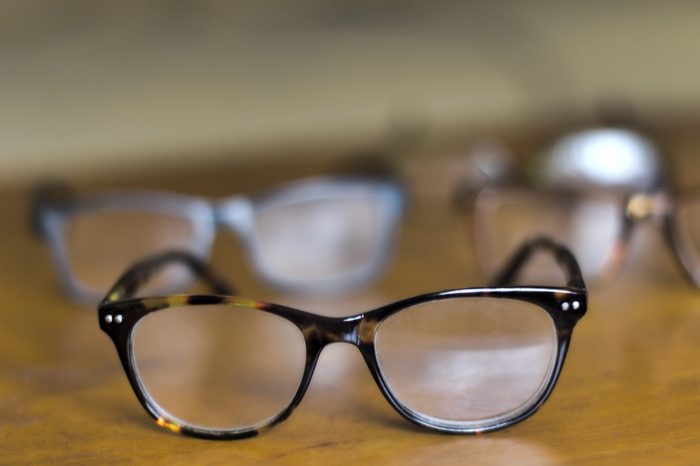
Donate eyeglasses to: One Sight Organization
If you have any old glasses, especially ones you’ve taken good care of, don’t even think about trashing them, says Siegel. One Sight Organization will repair used and unwanted eyeglasses and distribute them to several Lions organizations, which will subsequently give them to people who cannot afford new glasses. (One Sight itself only offers new eyewear to patients.) By the way, this is how you’re abusing your eyeglasses without even knowing it.
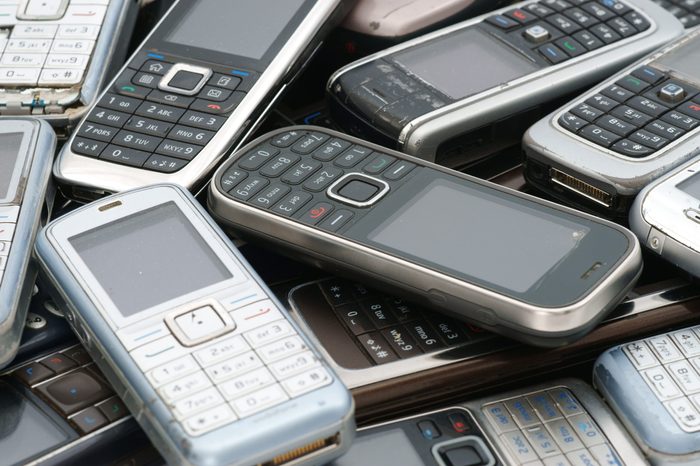
Donate old electronics to: Homeboy Electronics Recycling
Don’t toss your old electronics in the trash—even if they don’t work anymore. “Homeboy Electronics Recycling breaks down electronics and then either ships them out for proper recycling or fixes them for resale,” explains Siegel. Got an old Nintendo or ancient cell phone? They will take those, too. “They also have a selection of vintage items for prop rentals on photo shoots and other productions,” he adds.
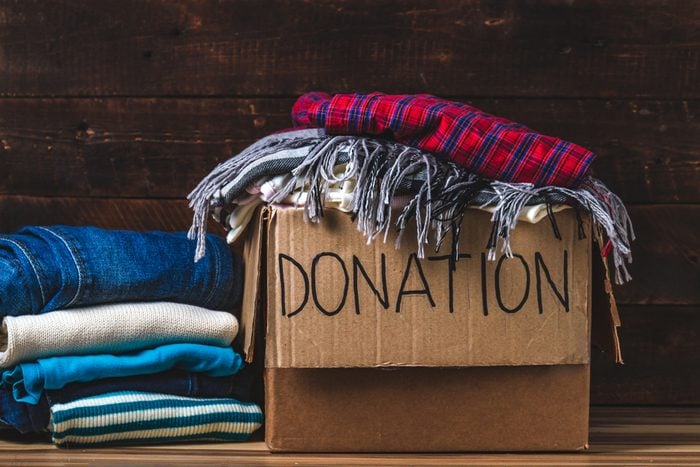
Donate old work clothes to: Dress for Success
Founded in 1997, Dress for Success helps provide women with the support, professional attire, and career-development tools they need to enter and succeed in the workplace and beyond. They accept donations of gently worn suits and accessories to help empower women to look their best. Dress for Success has affiliate locations nationwide. Check out these powerful ways to give back without breaking the bank.
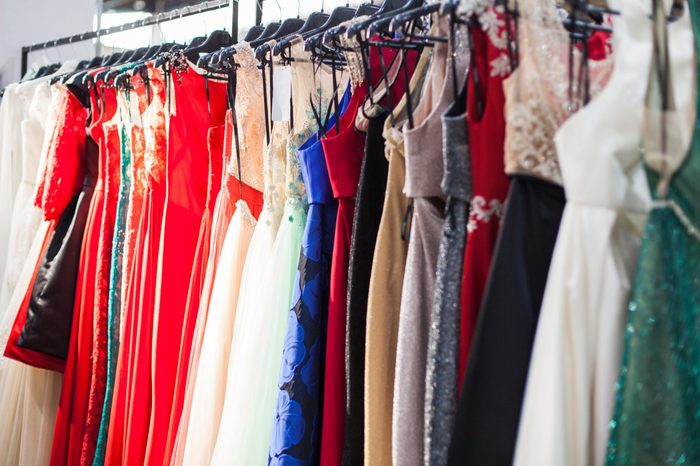
Donate old formal attire to: Operation Prom
Many take going to the prom for granted, but for some people, the cost of a prom dress or suit is beyond their reach. Enter Operation Prom. Here, you can donate gently used and new formal attire that is appropriate for teen girls hoping to attend their big night. Some locations even accept tuxedo donations. See the website for donation sites, and keep checking back since more sites get added during prom season.
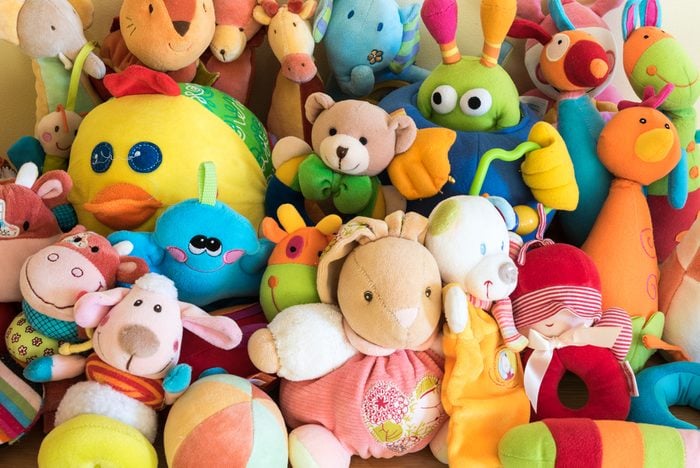
Donate old toys to: Second Chance Toys
Second Chance Toys has a dual mission—to keep plastic toys out of landfills and to donate them to children in need instead. According to the National Center for Children in Poverty, nearly 14 million children live in families with incomes below the federal poverty level. Donating even one toy helps bring a smile to a child who faces hardship and struggles every day.
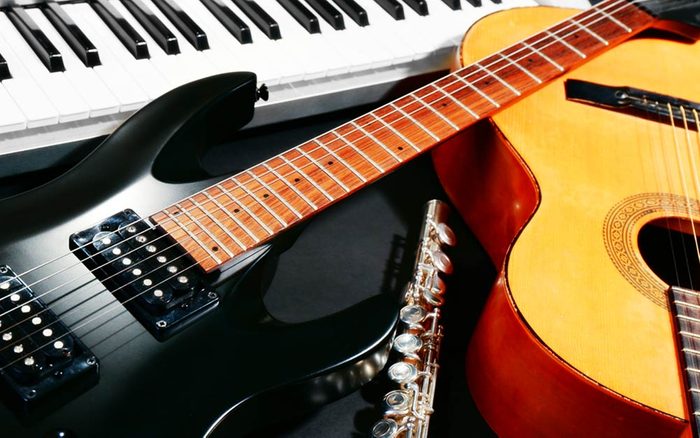
Donate musical instruments to: Hungry for Music or Children’s Music Fund
As the Hungry for Music website states, “Our most important service is putting musical instruments into hungry hands.” They accept unused or unwanted musical instruments, including acoustic guitars, flutes, and drums. They don’t accept upright pianos and organs. Of course, they prefer working instruments, but they have people on hand capable of fixing and repairing instruments as needed. They then distribute the working instruments to children in need and pair them with willing teachers. Siegel also suggests the Children’s Music Fund, a national charity with a mission to provide music therapy and musical instruments to children and young adults with chronic or life-altering illnesses, and to support research on the effects of music therapy. If you’re looking to donate to charity, your donations will make the biggest impact at these organizations.

Donate movies to: DVDs4VETs
Donate used and old DVDs and Blu-Rays to DVDs4VETs, whose mission is to provide entertainment to veterans who normally wouldn’t have access to it. More than one million discs have already been donated. The group does not accept old VHS tapes, as most VA Hospitals don’t use VCRs anymore.
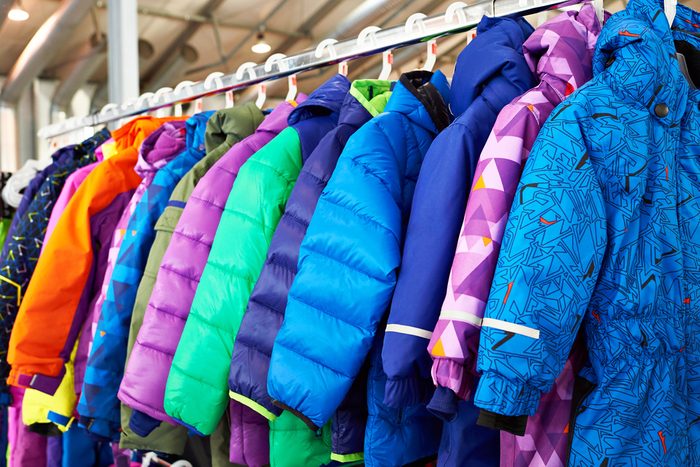
Donate coats to: One Warm Coat
One Warm Coat aims to provide people in need with a warm coat, and according to their website, nearly 15 percent of Americans live in poverty and may not be able to afford heavy coats. The charity started in San Francisco in 1992 and has grown into a national organization that runs more than 3,000 coat drives each year. Keep in mind that donating at any time of year is great, but the need is greatest during the fall and winter. In case you were wondering, it really does matter where you donate. This is what else can happen to your used clothing donations.

Donate cars to: Kars 4 Kids or Habitat for Humanity
Have an old car, boat, or piece of real estate you’d like to donate? Kars 4 Kids has accepted more than 450,000 cars since its founding in 1995, and they have raised more than $100 million for charity programs. One such program is a summer camp that focuses on educating and mentoring kids. They’ll pick up your car, boat, RV, snowmobile, or pretty much any other vehicle within 24 to 48 hours, and it’s all tax-deductible. Kars 4 Kids is also where you can donate vehicles that are no longer running. And you can do it all online.
Siegel also suggests Habitat for Humanity‘s vehicle program. “By donating a car to Habitat’s Cars for Homes vehicle donation program, you help your local Habitat for Humanity affiliate build and rehabilitate houses in partnership with families in need of a hand up, not a handout,” he explains.
Next, check out these heartwarming stories of people who came from nothing—and now want nothing more than to give back.
Originally Published: February 24, 2020

