


Is Tilapia Bad for You?
Updated: Jan. 28, 2021





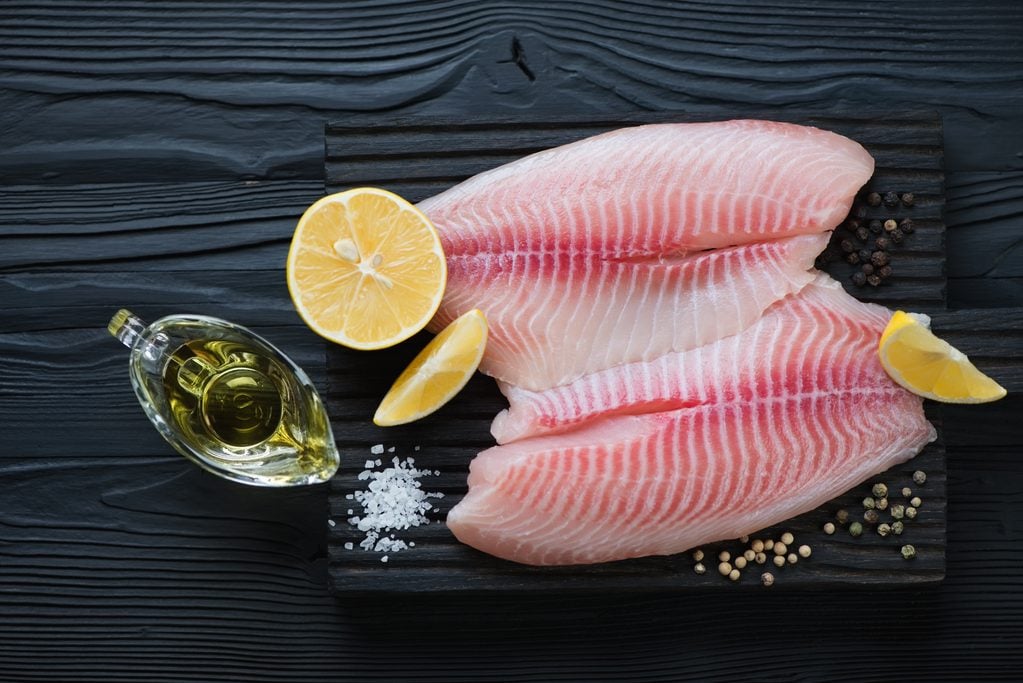
Tilapia is so popular, that it’s now referred to as the "aquatic chicken," but is it good for you?
If you’re a fan of fish tacos or filets, you’ve probably eaten tilapia. This lean, white-fleshed fish is fast becoming a favorite with many Americans, who ate roughly a pound of tilapia on average in 2017, according to the latest statistics from the National Oceanic and Atmospheric Administration (NOAA)—making it the fourth consumed fish in the United States, just behind shrimp, salmon, and canned tuna.
But is this farm-raised fish healthy for you—or the planet? The answer isn’t quite clear, since how tilapia is produced around the world has raised questions about their growing conditions, leading people to wonder if this particular fish is as good for them as other fish. So read on, and then check out these other seafood facts that may change the way you eat fish.
What is tilapia?
Tilapia the oldest farmed fish in the world, even dating back to Biblical times, according to Seafood Health Facts, a website started by Cornell University in collaboration with other universities to provide information to consumers and healthcare providers.
Today, tilapia is farmed in more than 130 countries, including Peru, Ecuador, Taiwan, and China. Producers raise the fish in various locations, including indoor recirculating tanks and ponds. Tilapia has become a popular fish to farm because this type of fish grows fast, tolerates crowded conditions, and eats plants such as algae and soybeans instead of meat. Of course, those crowded conditions can lead to health and safety problems, according to Monterey Bay Aquarium Seafood Watch, a program that helps “consumers and businesses make choices for a healthy ocean.”
What are the environmental concerns about tilapia?
“The biggest issue with tilapia is that we need a lot more of it than we produce,” says Celine Beitchman, director of nutrition at the Institute of Culinary Education. “And so it needs to be produced in these environments that are not necessarily healthy for the fish.”
Because of these concerns, Beitchman recommends lookout for additives and antibiotics and look for fish from farms that allow tilapia to eat its natural diet.
The best tilapia is raised in Peru and Ecuador in raceways—shallow tanks with flowing water—and freshwater ponds, according to Monterey Bay Aquarium Seafood Watch. Other good choices: Fish raised in Taiwan, Mexico, and Indonesia.
You should avoid consuming tilapia raised in China, according to the group. That’s because there’s evidence that Chinese farmers use illegal antibiotics, which means you’re consuming those antibiotics as well. It can be tricky to avoid tilapia from China, though, as it’s the world’s top producer of the farmed fish.
Of course, tilapia isn’t the only fish that’s farmed. That’s why it’s good to know the best fish to eat—and those you shouldn’t even touch.
How nutritious is tilapia?
Tilapia has been referred to as the “aquatic chicken,” because of its similarity to chicken breast and egg whites as a protein source.
“It’s one of the leanest, most efficient sources of protein,” says Ilana Muhlstein, RDN, a nutritionist based in Los Angeles and co-creator of the 2B Mindset, a streaming nutrition program that helps members lose weight. Three ounces of tilapia has a total of 110 calories but contains 20 grams of protein, she adds. The fish is also a good source of nutrients such as iron, B vitamins, selenium, and zinc.
And while tilapia may not have as many omega-3s as fatty fish such as salmon and mackerel, it still contains more of the fatty acids than other conventional sources of protein like beef, chicken, and pork, says Muhlstein. Not a fan of tilapia or any fish? See how you can get your omega-3s from these other non-fishy foods.
How should you shop for tilapia?
Beitchman recommends looking for the countries of origin on packages of tilapia keeping in mind that the best choices might be Ecuador, Peru, and Colombia, she says.
Then if you’re shopping at Whole Foods, you can look for green or yellow labels that tell you more about the quality of the seafood. Or check for a Best Aquaculture Practices certification, Muhlstein recommends. She’s a fan of buying frozen tilapia from Trader’s Joe’s.
The final word? It’s a good idea to know where your fish is coming from and make an informed shopping decision. And rotate the type of fish you buy so that you get a good dose of omega-3s and do right environmentally. Just remember, tilapia once a week is still a healthier choice than a cheeseburger and fries. Once you’ve found the best tilapia, try out this recipe for tilapia tacos.
