


This Is Your Body on Sugar
Updated: Apr. 06, 2020





The sweet stuff is so bad for our health, some experts want it regulated like a drug. Here, hidden signs you're high on sugar—whether you know it or not.
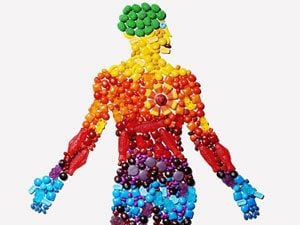 Is sugar worse for you than, say, cocaine? According to a 2012 article in the journal Nature, it’s a toxic substance that should be regulated like tobacco and alcohol. Studies show that too much sugar (both in the form of natural sucrose and high-fructose corn syrup) not only helps make us fat, it also wreaks havoc on our liver, mucks up our metabolism, impairs brain function, and may leave us susceptible to heart disease, diabetes, and maybe even cancer. So far, no federal action has been taken (advocates blame industry lobbyists), and experts say raising awareness isn’t enough, especially when so many of our food options contain sugar. “It’s like watching a train wreck in slow motion,” says coauthor Laura Schmidt, PhD, a researcher at the University of California, San Francisco.
Nevertheless, after hearing the news, many of us shrugged and turned back to our cupcakes. Yet we may already be feeling the effects of too much sugar without even realizing it. Here’s how to beat the most common issues to prevent long-term damage and feel your best right now.
The Sign: Stress Eating
For a pick-me-up, you may inhale a bag of M&M’s or scarf down a box of cookies. But the impulse goes deeper. To examine the hold sugar can have over us, substance-abuse researchers have performed brain scans on subjects eating something sweet. What they’ve seen resembles the mind of a drug addict: When subjects taste sugar, the brain lights up in the same regions as it would in an alcoholic drinking a bottle of gin. Dopamine—the so-called reward chemical—spikes and reinforces the desire to have more. (Sugar also fuels the calming hormone serotonin.)
The Fix: Many of us are more likely to binge when stressed. That said, a cookie a couple of times a week is fine, but on most days, go for a bowl of oatmeal with no more than a tablespoon of brown sugar, suggests Jeffrey Fortuna, PhD, a health and behavior lecturer at California State University, Fullerton. The whole grains fill you up, and the sweetness can satisfy you while raising serotonin slightly.
 The Sign: Brain Fog
Blanking out in the middle of a meeting? Research out of the University of California, Los Angeles, suggests that too much sugar forms free radicals in the brain and compromises nerve cells’ ability to communicate. This could have repercussions on how well we remember instructions, process ideas, and handle our moods, says Fernando Gómez-Pinilla, PhD, author of the UCLA study.
The Fix: Stay under the American Heart Association limit of nine teaspoons a day for men, five for women. Read labels and nutrition information at chains: A 16-ounce Starbucks vanilla latte and plain Einstein Bros. bagel will max out your day’s allotment! A wiser choice: black coffee and plain yogurt with blueberries and walnuts, sweetened with a teaspoon of honey.
The Sign: Aging Skin
Sugar contributes to premature aging, just as cigarettes and UV rays do. When skin support structures collagen and elastin break down from sun or other free-radical exposure, cells try to repair themselves. But this process slows down with age. And when sugar is present in the skin, it forms cross-links with amino acids that may have been damaged by free radicals. These cross-links jam the repair mechanism and, over time, leave you with prematurely old-looking skin.
The Fix: Once cross-links form, they won’t unhitch, so keep sugar intake to as close to zero as you can. “It’s the enemy,” says William Danby, MD, a dermatologist with Dartmouth’s medical school in New Hampshire. Avoid soda and processed pastries, and trade sugar packets for cinnamon—it seems to slow down cross-linking, as do cloves, ginger, and garlic.
The Sign: A Sluggish Workout
Muscles mostly use carbohydrates for fuel because they break down into glucose, a simple sugar that can kick-start your morning jog. But prepackaged snacks touting “natural sweeteners” may contain just fructose, a type of sugar that is mostly metabolized in the liver, not the muscles. This can result in bloat or even the runs.
The Fix: Have a glucose-packed snack with minimal fructose before exercise, says Richard Johnson, MD, professor of medicine at the University of Colorado, Aurora. Try a sports drink like Gatorade or an energy bar with a modest amount of sugar an hour before a vigorous workout.

