


6 Foods That Trick Your Taste Buds
Updated: Dec. 09, 2022





Why grapefruit and salt make sense together ... and chocolate and yogurt DON'T.

Artichokes sweeten water
A chemical in the vegetable called cynarin latches on to sweet receptors on your tongue without activating them. If you drink water after eating artichokes, the cynarin molecules wash away from the receptors. This sudden release simulates a sensation of sweetness, though it’s only a phantom taste.

Yogurt hampers chocolate
Yogurt has an acidic pH (4), and when basic chocolate compounds enter this acidic environment, they dissolve and lose their characteristic flavor. The same loss in taste occurs if you bite into chocolate after eating yogurt—though your saliva’s pH slightly buffers the effect.
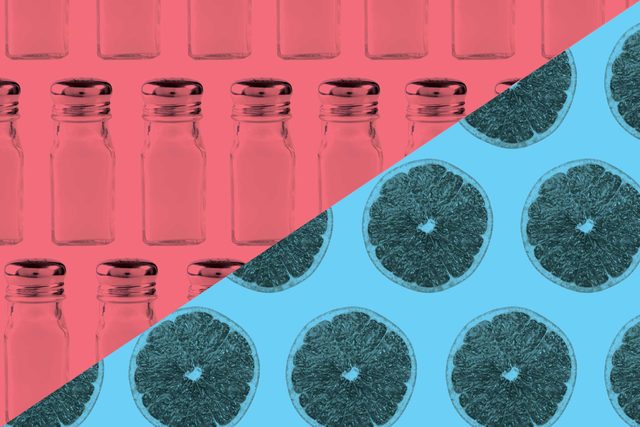
Salt blocks grapefruit’s tartness
It may sound unpalatable, but salting grapefruit sweetens it. The fruit has both bitter and sweet compounds. Salt blocks the bitter compounds, allowing sweet flavors to be more detectable.
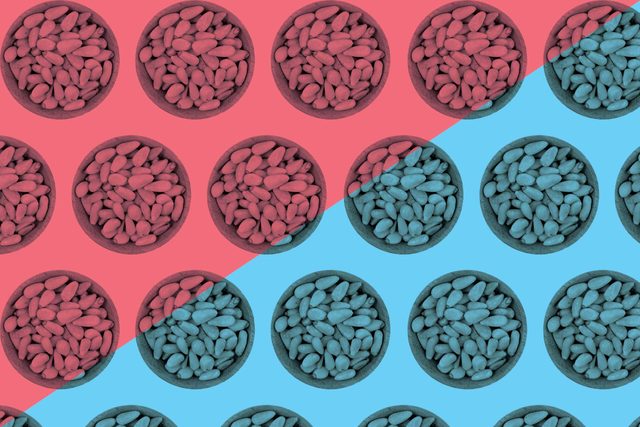
Pine nuts cause metal mouth
In what has been dubbed as “pine mouth” by the FDA, certain people may experience a consistent metallic taste within 12 to 48 hours of consuming pine nuts, found in pesto and many salads. Though the reason is unclear, it can happen to those who have never had an adverse reaction. It is not an allergy and does not involve mold, and it doesn’t matter how many pine nuts are consumed. Sugar may enhance the bitterness. The FDA advises people to report cases of pine mouth, but it is not considered dangerous.

Vinaigrette throws wine off-kilter
Salad is difficult to pair with wine because your taste buds adapt to the sourness of vinaigrette. After eating it, you will be able to detect only sourness that’s higher in concentration than that of the dressing. Many wines depend on a delicate balance of sweet and sour, but after your taste buds adapt to vinaigrette, you will taste only a seemingly overbearing sweetness in the wine.

Stevia triggers bitterness
This zero-calorie sweetener reacts with your taste buds differently from how sugar does. While sugar triggers only sweet receptors in the mouth, stevia triggers sweet and bitter receptors. This could leave you with a bitter taste if you add too much stevia to, say, your cup of coffee. Some people’s genetics may make them more prone to a long-lasting aftertaste.
Sources: John Hayes, an associate professor and director of the Sensory Evaluation Center at Penn State University; Devin Peterson, director of the Flavor Research and Education Center at University of Minnesota; bbc.com; winefolly.com; jeffersondentalclinics.com; ilri.org; latimes.com; businessinsider.com; news.psu.edu

