


8 Natural Remedies for Arthritis in Dogs
Updated: Jul. 02, 2021





Looking for natural remedies for your dog's painful arthritis and worried about side effects from conventional medications? As a former vet tech, I can help you find the right approach.
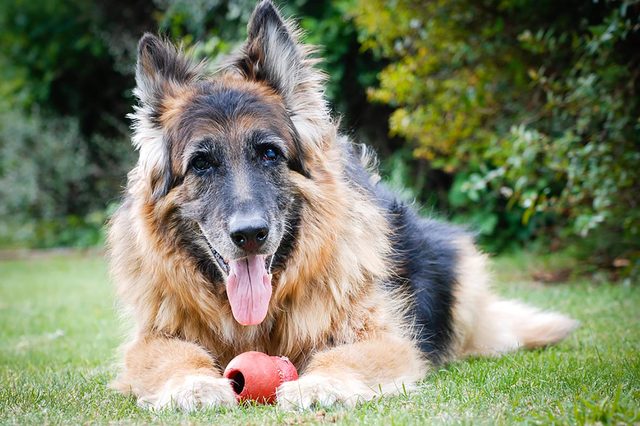
Aging pets
As we age, there are things we know to expect. A decrease in the quality of our eyesight, a loss of skin elasticity, and frequently, arthritis. These age-related changes aren’t specific to people—our pets experience them too. For example, these are signs your dog may have arthritis. Studies estimate that 20 percent of middle-aged dogs will be diagnosed with canine osteoarthritis. While there are several types of medicine for dogs that help with pain and inflammation associated with arthritis (there is no cure), many of them have unpleasant side effects, so frequently owners look for alternative treatments.

Acupuncture
One of the most common alternative treatments for canine osteoarthritis is acupuncture. This staple of traditional Chinese medicine has become increasingly common and more accessible, with many referral centers and universities providing treatment from veterinarians who have additional training and certification in acupuncture. Relief from pain and inflammation associated with arthritis is achieved by inserting thin needles into specific points in the body. Numerous studies have shown that this treatment is effective in pets (and humans), but effects are cumulative, meaning the more treatments your pet receives, the more comfortable and pain-free they’ll be. You can learn more about acupuncture here.

Massage
We all know a massage can make you feel like a million bucks, relieving tension and loosening sore, tight muscles—and dogs are no different. Canine osteoarthritis can trigger muscle soreness and discomfort; massaging your dog’s muscles near the affected joints (hips, knees, shoulders and along the spine most commonly) can bring immediate relief. Massage is a treatment you can do on your own, in the comfort of your own home, any time you want. And not only is it good for your pet, you’ll feel much better as well. Here are all the ways you can benefit from your dog.

Hydrotherapy
Many vet clinics and hospitals now offer hydrotherapy, or water treatment. The most common is an underwater treadmill, and it’s gaining popularity as a treatment of choice for joint problems and surgical recovery. Water increases buoyancy, taking pressure off your pet’s affected joints; this makes movement easier and less painful. Keeping arthritic joints moving and maintaining a healthy range of motion are the primary goals of osteoarthritis treatment, so hydrotherapy might be just what the doctor (of veterinary medicine) ordered. If you have a pup who sheds a lot, these pet hair removers really work.

Glucosamine
Glucosamine is by far the most commonly recommended supplements for arthritis in dogs. A naturally occurring substance, glucosamine is believed to help heal the damaged cartilage found in arthritic joints. While there have been only a handful of studies researching this substance, the anecdotal evidence is impressive. Side effects from glucosamine are rare, but discuss this option with your vet beforehand—which is something you should do before giving any supplement to your dog.

Weight loss
Overweight and obese dogs are a common sight in most vet clinics, and that extra weight is hard on painful joints. Even losing just a few pounds can make a world of difference for your dog. Discussing nutritional needs and weight loss with your vet should be a number one priority after an osteoarthritis diagnosis. And try these proven weight-loss tips for dogs.

Prescription diet
In recent years, a few prescription-only diets have come on the market that specifically targets joint problems in dogs. These foods are formulated with glucosamine and chondroitin and increased levels of omega 3 fatty acids, and they’re calorically balanced and proven to help improve mobility and decrease pain.

Bone broth
Another alternative remedy that owners can try at home is supplementing their dog’s diet with homemade bone broth. Homemade bone broth is full of healthy fatty acids and natural glucosamine, in addition to valuable vitamins and minerals. Bone broth can be used as a treat or to moisten dry food. To learn more about bone broth, check this out.

Essential oils
In the last ten years, essential oils have gained ground in both popularity and accessibility. You can find them at your corner drugstore and at direct sales “parties” through social media. Some studies suggest the oils can be effective for problems like insomnia and IBS. And there are a few oils that seem to provide relief from the pain and inflammation associated with osteoarthritis. Just remember that your dog’s sense of smell is about 40 times stronger than your own—check out the eleven other superpowers your dog possesses. So use the oils sparingly and dilute them heavily. Some essential oils for dog arthritis you might try include clove, lemongrass, rosemary, and lavender. Essential oils should never be ingested and it is important to discuss their use with not only your veterinarian, but also your personal physician, since some essential oils are a bad idea for pregnant women, children, or people with certain breathing conditions, for example.
