11 Things You Should Never Pour Down the Drain

By Kelly Aiglon

Updated on Aug. 26, 2025

Even with a garbage disposal, these common kitchen items could be clogging more than your pipes

Keep those pipes free and clear

Your home’s drainage system is a lot like your body’s circulatory system: When everything flows smoothly, life’s good. But let one “harmless” kitchen habit slip with things you should never pour down the drain—a splash of bacon grease, a rinse of flour, those last drops of milk—and you could be headed for a clog, a call to the plumber and possibly a big environmental problem.

“It’s easy to throw things into the garbage disposal without thinking,” says Mike Thomas, master plumber and general manager at Service Experts in Pittsburgh. “But once you get those funny smells or see water where it shouldn’t be, you realize it’s all connected.”

Reader’s Digest spoke to Thomas and mined his 17 years of plumbing experience to help you keep your pipes clean and healthy. Even if you have a disposal, these are things you should never pour down the drain.

Get Reader’s Digest’s Read Up newsletter for more cleaning, humor, travel, tech and fun facts all week long.

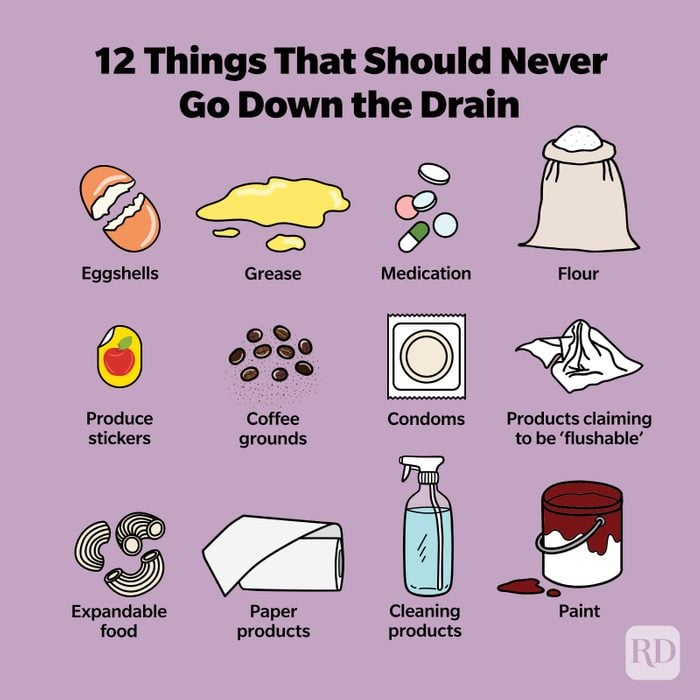
An infographic giving information about the Things You Should Never Pour Down The Drain.
READER'S DIGEST, GETTY IMAGES (11)

1 / 11

Egg Shells
Jennifer A Smith/Getty Images

Eggshells

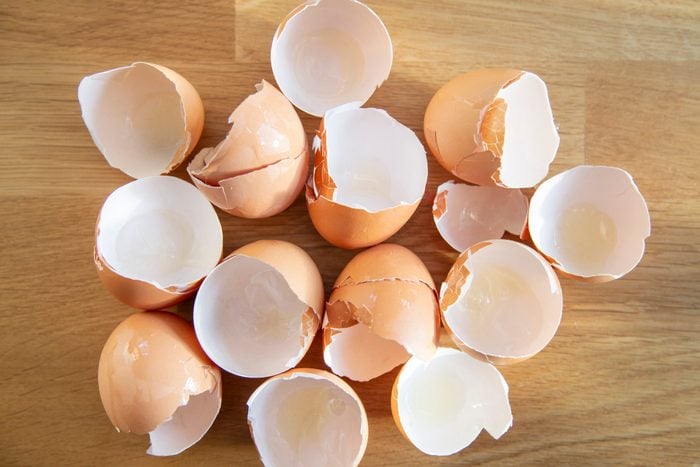
Eggshells may seem like the perfect candidate for grinding up, but they’re trouble in disguise. Why? “Once broken down, the bits love to stick to the sides of pipes,” Thomas explains. “They create a rough surface for other food particles to cling to, and that’s how you get slow drains and smelly sinks.”

What to do instead: Toss shells in the trash or compost bin. If some eggshells slip into the drain, run plenty of cold or lukewarm water—not boiling—to flush them through. “Boiling water can warp plastic piping and actually make starches stickier,” Thomas warns. If your pipes have bits of shells stuck to them, that gunk will really cling.

2 / 11
grease
olavs/Shutterstock

Grease

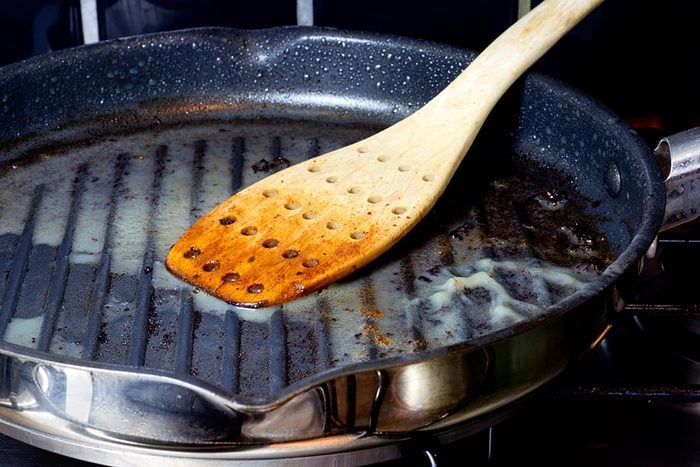
Grease is enemy No. 1 for plumbers. Hot from the pan, it looks harmless. But as it cools, it congeals into a sticky, stubborn mess. “Think of it like a blood clot,” Thomas says. “Even if you poke a hole in it, it can close fast again.”

According to the United States Environmental Protection Agency (EPA), grease and fats are a major cause of sewer overflows nationwide, costing millions each year in cleanup and repairs. Nearly 47% of sewer overflows each year result from grease, fats and oils in drains.

What to do instead: Wait until the grease cools (you don’t want a drippy mess or, worse, a burn wound). Then scrape it into a container, and toss it in the trash. Some cities even offer cooking-oil recycling programs.

3 / 11
flour
MaraZe/Shutterstock

Flour

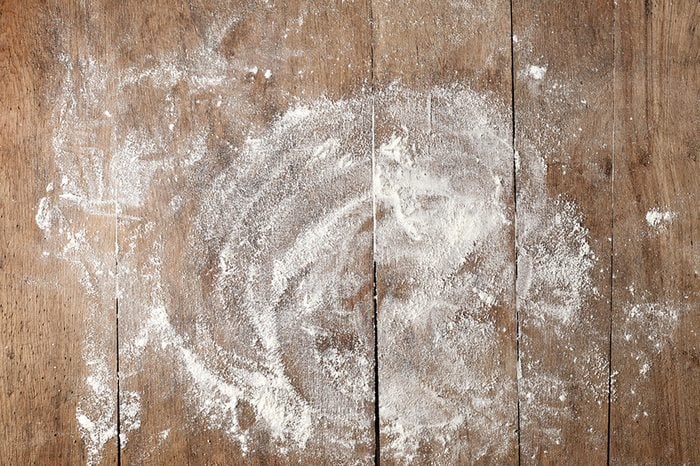
If this one seems strange, remember that flour mixed with water forms a paste. And that gloppy, cement-like goo can harden inside your pipes. “We call it a cancer; it just wants to lump up and stay there,” says Thomas. We’re not talking entire bags of flour either. Even small amounts can build up over time. Once it’s lodged in, it’s difficult to remove, even with professional equipment.

What to do instead: Wipe flour into the trash before rinsing dishes. If some goes down the drain, avoid having it turn gel-like by using plenty of water to dilute it and move it along.

4 / 11
medication
Mangpor nk/Shutterstock

Medications

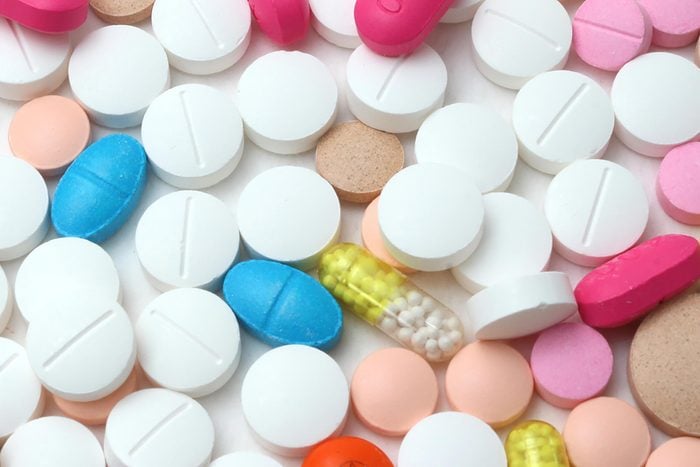
We all have extra medications piling up in our medicine cabinets. But flushing them or sending them down the drain is a big no-no. Once poured down the drain, pharmaceuticals pass through wastewater treatment and into rivers, lakes and groundwater. Flushing medications may seem harmless, but a U.S. Geological Survey study found that up to 80% of U.S. streams contain pharmaceuticals, even in pristine areas. That’s bad for fish and other wildlife.

What to do instead: Use pharmacy take-back programs, police station drop boxes or municipal hazardous-waste days. The U.S. Drug Enforcement Administration (DEA) sponsors National Prescription Drug Take Back Day in April and October each year, setting up temporary collection sites across the country for safe disposal of prescription drugs.

Find participating locations and dates on the DEA’s official collection site locator.

5 / 11

stickers on apples
View Pictures/Getty Images

Produce stickers

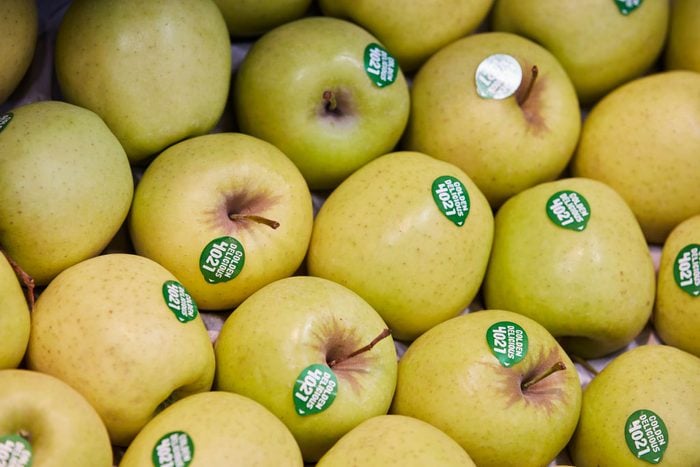
Produce stickers may seem too tiny to cause trouble, but they can stick to pipe walls, clog sink strainers and  jam disposal blades. Downstream, they can end up in waterways, where they don’t break down. You wouldn’t throw trash on the ground, would you? Nope! So add these small stickers to your list of things you should never pour down the drain.

What to do instead: Peel and toss stickers before washing produce. They are small, so it’s tempting to let them go down the drain, but the extra step to toss them in the trash could save you a backup casualty.

6 / 11
coffeegrounds
Nor Gal/Shutterstock

Coffee grounds

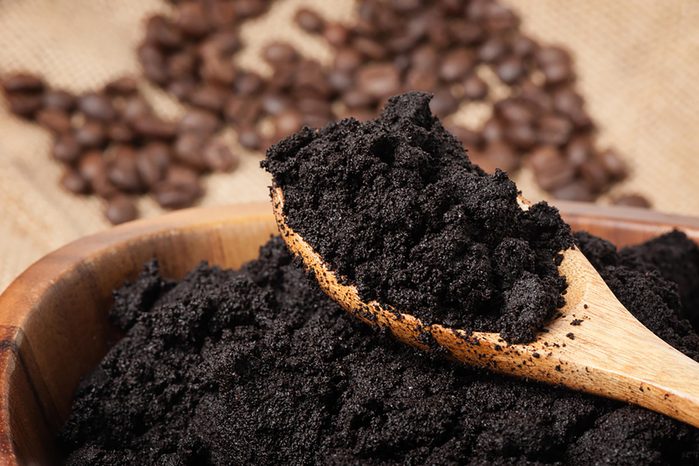
Now here’s one of the more surprising things you should never pour down the drain. Coffee grounds are fine and gritty, like sand. They settle in the bends of your plumbing and create a wedge that traps other debris. “When you add something like potato peels, it all hangs up on that wedge,” Thomas says. Over time, that buildup can cause rust and corrosion—and, of course, clogs.

What to do instead: Compost them for garden soil. They add nitrogen, an essential nutrient for plant growth, to your compost. Or simply toss them in the trash. If they do go down the drain, run the water far longer than you think. Ten seconds won’t do it.

7 / 11

Woman Peeling An Orange At The Kitchen Table At Home Citrus Peels
Ekaterina Vasileva-Bagler/Getty Images

Citrus peels

You may have heard that lemon can clean and improve bad odors in your sink. Just don’t go too far. Whole citrus wedges or thick peels bounce around in the disposal, wearing down its motor. “It’s like putting a rubber ball in there,” Thomas says. Seeds can be just as bad.

What to do instead: According to the U.S. Department of Agriculture, fruits and vegetables are the most tossed-out items, followed by dairy and meat. The rotting food waste releases dangerous methane gas into the air, adversely affecting the environment. Instead of tossing those peels, chop them into small bits if you want the fresh scent they can add to your drain, or compost them.

8 / 11

Various Milk Products
Magone/Getty Images

Dairy products

Dairy is a stealth front-runner in things you should never pour down the drain. Large amounts of milk, cream or cheese can overwhelm septic and municipal wastewater systems. Dairy decomposes in ways that strip oxygen from water, harming fish and aquatic plants.

What to do instead: Instead of pouring them down the drain, remove dairy products from plastic tubs and wrappers and put them in your trash or home compost. Check to see if your local waste management accepts dairy in compost bins, and put empty plastic tubs in the recycling and wrappers in the garbage.

9 / 11

Warning Symbol On The Chemical Bottle
Kittisak Kaewchalun/Getty Images

Solvents and harsh chemicals

Solvents and other household chemicals, like drain cleaners, may clear a clog quickly, but they corrode pipes and pass through treatment plants too well, reaching rivers and groundwater. The EPA warns these not only damage infrastructure—they can also disrupt treatment systems and harm aquatic life.

What to do instead: Take these items to local licensed hazardous-waste facilities. And if you use a chemical drain cleaner, always tell your plumber. It’s a safety risk if they don’t know: Chemicals can splash out of the drain when they’re working on it, putting their health at risk.

10 / 11

Vegetable Leftovers For Compost
Flavia Morlachetti/Getty Images

Fibrous foods

These are pretty well-known things you should never pour down the drain, but it bears repeating. Potato peels, broccoli stems and celery strings can wrap around disposal blades or lodge in pipes, creating a stubborn mat that blocks water flow. Once they dry out, these fibers trap other debris, turning a minor slowdown into a full-on clog.

What to do instead: Toss them in the trash or compost bin. Chopping them finely first can help if you absolutely must send a small amount down the drain.

11 / 11

Dried Pet Dog Food In Bowl On Gray Stone Background
wmaster890/Getty Images

Pet food

Dry kibble swells up to twice its size when wet, forming a blockage. Just ask Wisconsin homeowner Doug McIntosh. “It was a nightmare,” he says. “I had upgraded the disposal when I moved in, and it had always handled anything I could throw at it. It met its match in a bag of kibble.”

McIntosh says that grinding the kibble wasn’t the problem; it’s that this dog food quickly expanded and closed the line. “It started erupting like a volcano under the sink,” he says. “I had to get a plumber to snake the thing—it was a mess.”

What to do instead: Sweep pet food into the trash. If it’s simply expired, not contaminated or spoiled, consider donating it to an animal shelter or pet-food bank.

About the expert

  • Mike Thomas is a certified master plumber with 17 years of experience, and the general manager of Service Experts in Pittsburgh. He holds certifications from the National Association of Sewer Service Companies (NASSCO), including backflow prevention, and is licensed in plumbing-related issues, from sewer inspection to flammable gases and liquids.

Why trust us

At Reader’s Digest, we’re committed to producing high-quality content by writers with expertise and experience in their field in consultation with relevant, qualified experts. We rely on reputable primary sources, including government and professional organizations and academic institutions as well as our writers’ personal experiences where appropriate. For this piece on things you should never pour down the drain, Kelly Aiglon tapped her experience as the former deputy editor of Family Handyman and a longtime journalist who specializes in home topics. We verify all facts and data, back them with credible sourcing and revisit them over time to ensure they remain accurate and up to date. Read more about our team, our contributors and our editorial policies.

Sources:

  • Mike Thomas, master plumber and general manager of Service Experts in Pittsburgh; email interview, Aug. 14, 2025
  • Doug McIntosh, homeowner; phone interview, Aug. 14, 2025
  • Oatey: “8 Items You Should Never Pour Down the Drain”
  • Cary Institute of Ecosystem Studies: “Medicine residue is everywhere in our rivers and lakes—and fish are behaving strangely”
  • University of California: “Benefits of Composting with Coffee Grounds”
  • USDA: “Food Waste Resonates Beyond the Trash Bin”
  • EPA: “U.S. EPA orders cleanup at waste hauler facility in Guam”
  • Apollo Home: “10 Things That Should Never Go Down the Drain”
  • DEA: “Year-Round Drop-Off Locations”