


8 Sure Signs Your Cat Trusts You

Updated: Jun. 30, 2022





Sometimes it's hard to tell what your cat is thinking. These signs can let you know where your relationship with your pet stands.
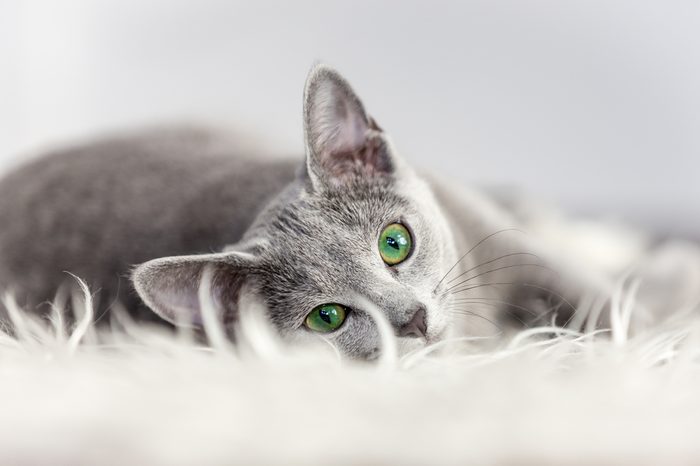
Earn kitty’s trust
It’s not always easy to interpret a cat’s behavior, so it can be even harder to figure out if she really trusts you or not. Luckily, there are a few signs you can look for to see if your love for your pet is mutual. Humans and animals perceive trust differently, says Vicki Stevens, senior marketing communications manager for companion animals at the Humane Society of the United States. Pets rely on routines to feel comfortable and happy. So the best way to build a trusting relationship with your cat is to turn boring routines into positive interactions. Plus, find out 17 more things your cat would love to tell you.
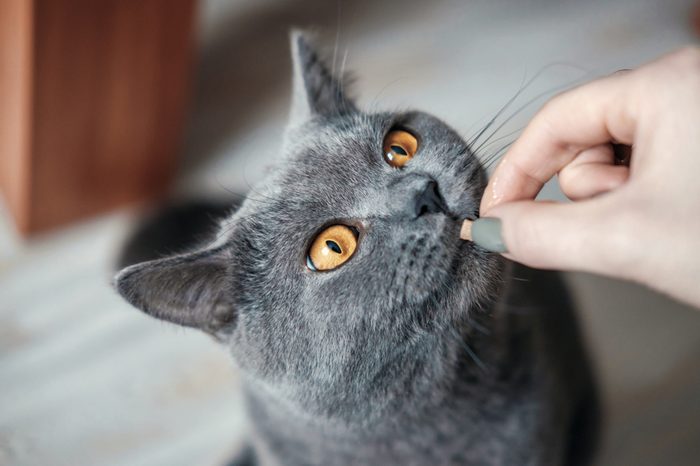
He counts on your routines
“Cat trust can be hard to earn, but being consistent will help improve your bond with your cat,” advises Rachel Barrack, DVM, founder of Animal Acupuncture. “Stick to a routine so they know they can depend on you.” Try this trick from Stevens: If your cat gets particularly squirmy when you try to trim his nails, offer him a treat in the kitchen when you’re done. Soon, every time you cut his nails, he’ll become more tolerant and head straight for the kitchen when you’re done. Once he’s conditioned to expect this routine, he’ll trust you’ll come through on your end of the arrangement every time. This same method can be used for meals and grooming too.
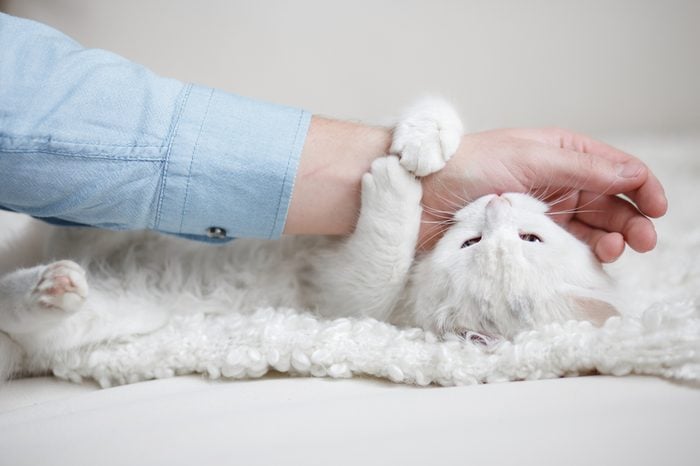
She kneads into you
If your cat kneads you, it’s a sign that she needs—and trusts—you. “[Kneading] is a holdover from kittenhood, when your baby kitty would let her mom know she was hungry and ready for milk,” says Daniel Rotman, Founder & CEO of PrettyLitter. “When your cat kneads you…she remembers the safe, happy feeling she got while kneading as a baby, and now she wants to share that with you.” Essentially, your cat could see you as a maternal figure. Unfortunately, sharp claws do make this sign of affection painful for human owners but don’t let that fool you. “You should feel honored and know that your kitty is head over heels for you!” says Rotman. Here’s the full explanation for why cats knead.
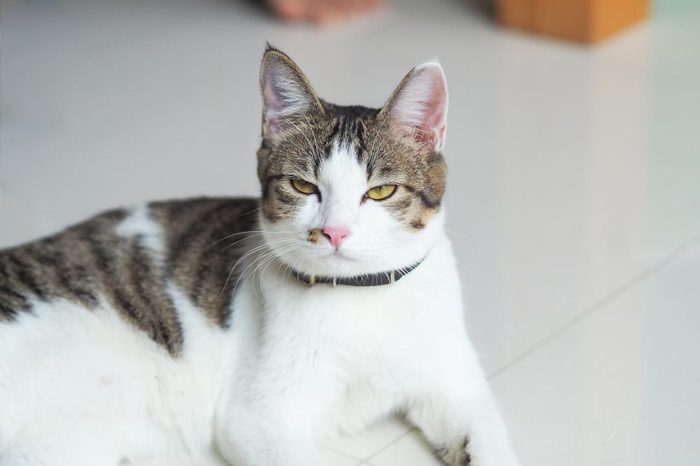
He gives and responds to “cat kisses”
Cats engage in a lot of nonverbal communication, especially with their eyes. According to Anitra Frazier’s book, The Natural Cat: The Comprehensive Guide to Optimum Care, a cat kiss is “a long, slow blink with your gaze and attention fixed on the cat’s eyes before, during, and after the blink.” If your cat reciprocates, he’s showing you that he trusts and loves you. To send even more affection his way, think “I love you” while you make your cat kiss. Some cats will also do this even before you do it first, which “indicates that they feel safe and happy in your company,” says Rotman. Don’t miss more ways pets are trying to tell you that they love you.
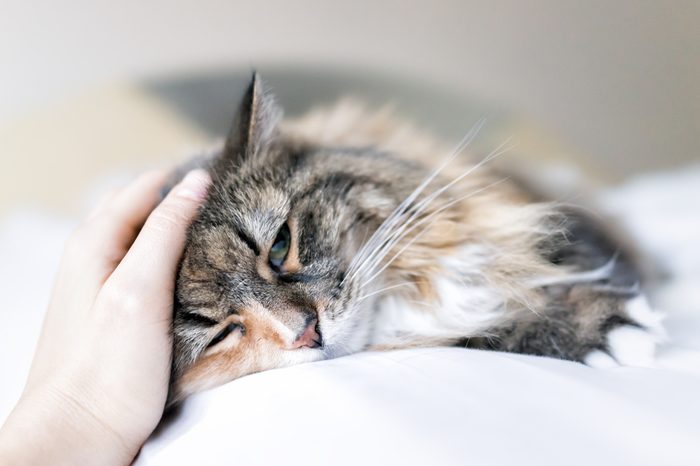
She rubs her face on you
It’s true that, for most animals, a headbutt is anything but a sign of affection. But for cats, it’s actually a loving gesture! You may have seen cats bump someone with their heads—sometimes gently, sometimes not so gently!—and then continue to rub their faces on the person, usually on their legs or feet. This is how cats mark things with their unique scent. “When a cat rubs their face on or headbutts their human’s leg or face, they are actually marking [them] with the scent glands located along the side of their face and top of their head,” says Jodi Ziskin, a healthy pet coach and Director of Communications for Treatibles. “Intermingling scents is a sign of love, acceptance, and ownership—cats only ‘own’ people they trust.” Though headbutting surprisingly isn’t one, watch out for these other signs your kitty is mad at you.
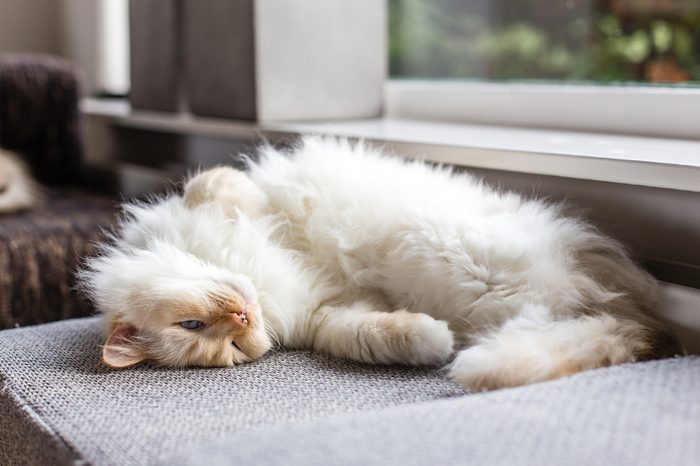
She rolls onto her back
Your cat’s belly is a particularly tender spot. Stevens says that if she rolls onto her back and exposes her belly, she’s telling you she’s comfortable being around you. This doesn’t necessarily mean she wants you to pet her belly, though; most cats don’t actually like that. It’s mainly a sign that she feels protected when you’re near since being on her back is a defenseless position. “A cat’s stomach is a very vulnerable place,” says Emily Parker, cat behavior expert at Catological. “In the wild, it would be dangerous for a cat to show its belly since it’s such a soft, tender place for a predator to attack. So if your cat lets you rub her belly (especially if she purrs while you do it!), you can be pretty sure you’re in her good books and she trusts you implicitly.” Make sure you’re not doing these things that your cat actually hates.
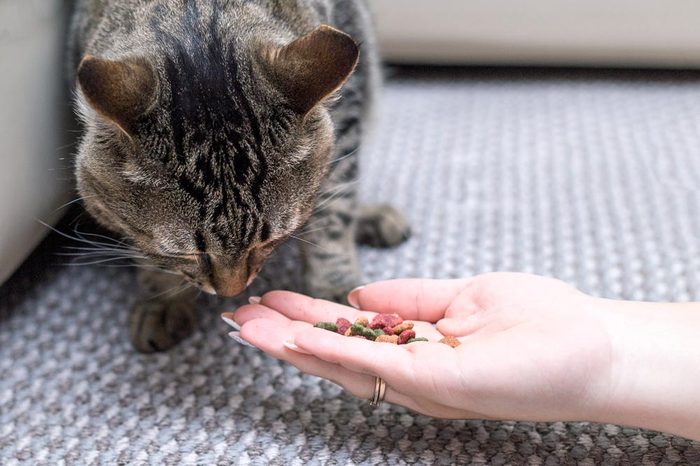
He eats out of your hand (literally)
If a cat is famished—or very spoiled—he might have no problem snarfing food from any old human. But, usually, cats won’t take food from a human’s hand unless it is someone they trust very much. “Cats are instinctively wary, so they don’t take treats easily from strangers’ hands, unlike many dogs,” Dr. Matthew Goetz, medical director at the Arizona Animal Welfare League, told RD.com. “If you can feed them snacks or food from your hand, it’s a sure sign they trust you.” Find out some signs your dog trusts you, too.
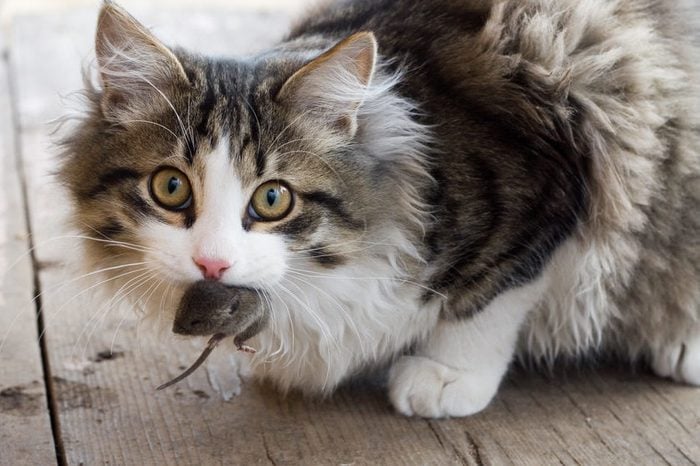
He brings you spoils
Even if you don’t have a cat, you’ve probably heard about cats bringing their owners little “presents” in the form of dead (or worse, decapitated) backyard critters. But, while you might view them as “presents” only sarcastically, your cat doesn’t! For them, their prey represents triumph, survival, and their instinctual nature as wild hunters. Wild cats would catch food for their young, so your cat’s “gift” of his latest catch just means he considers you family. “If your cat brings you a dead mouse or bird, think twice before reacting negatively,” says Parker. “Your cat is trying to show you that he trusts you enough to share such a vital part of his survival.”
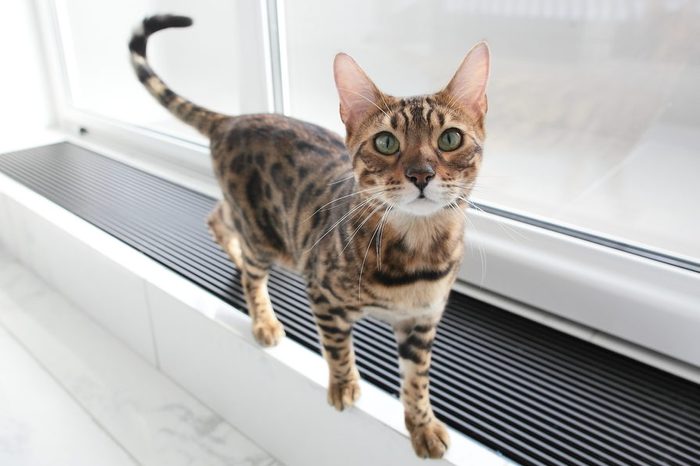
She gives you a “thumbs up” with her tail
Cats—and dogs, for that matter—can send all sorts of different messages with just their tails. In fact, it’s one of the primary facets of feline body language. “A cat’s tail is a good barometer of their mood,” says Rotman. One simple way to know if your cat trusts you is if her tail stands straight up, especially when she sees you or walks toward you. Some cat experts consider it to be a “thumbs up” in cat lingo. If the tail quivers slightly, it’s even more indication that the cat has positive feelings toward you. “If the tail is quivering a little, that probably means you’re her favorite human and she’s really glad to see you!” Rotman adds. Next, find out which breeds of cats tend to be friendliest and most loving.
Originally Published: February 11, 2019

