


The First 15 Things You Should Check for in a Hotel Room
Updated: Nov. 29, 2023





Don't commit to a stay until you've scoured the room for these conveniences and health risks.
How is the location?
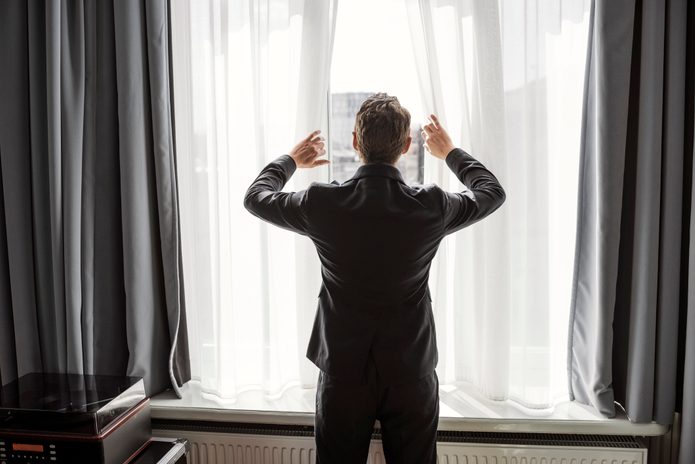
As the saying goes: location, location, location. Before you even think about booking, pick your ideal location, says Peggy Goldman, president and founder of Friendly Planet Travel. “Especially if you’re [traveling] for the purpose of sightseeing, it’s really important to be in a place that’s very accessible,” she says. First, look at a map to find all the attractions you plan to visit and find a spot that’s central to those. If the sights are spread all over town, don’t stress—as long as your room is near public transportation, you’ll be able to get everywhere quickly. Settle on a cheaper, less central hotel, and you’ll likely end up spending more money (and time) on Ubers.
Does it feel safe?
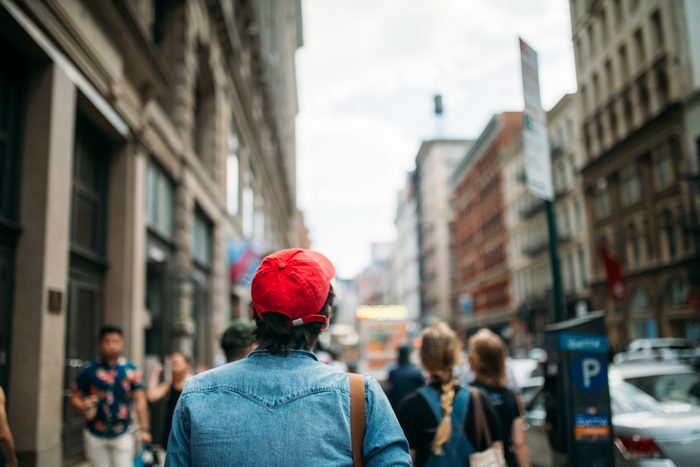
When it comes to location, safety is even more important than convenience. “One of the big pleasures of travel is to walk around and really experience the area,” says Goldman. That’s not so easy if your hotel room is in a sketchy area. Online sources like TripAdvisor can clue you into what the area is like, says Goldman. If you pull into the hotel and just don’t feel comfortable, you’re better off canceling your reservation than risking your safety. Memorize these other 22 tips for a better, safer hotel stay.
Is there a mobile check-in option?
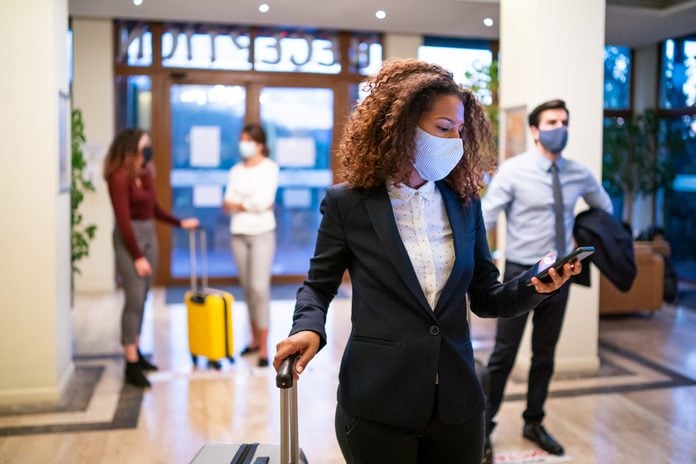
In an effort to avoid face-to-face interaction, many hotels have begun using mobile check-in options through the hotel’s phone app. And sometimes this setup includes keyless options. Ray Bennett, chief global officer at Marriott, tells CNN, “A number of our guests may use keyless entry to bypass the actual desk.” It’s all about keeping interaction down, and sanitation up (some places may have wellness stations at the entrance). While this might not as necessary in the future in regards to health, it is certainly convenient. That’s why it’s one of the ways hotels are changing forever.
What are the cleaning protocols?
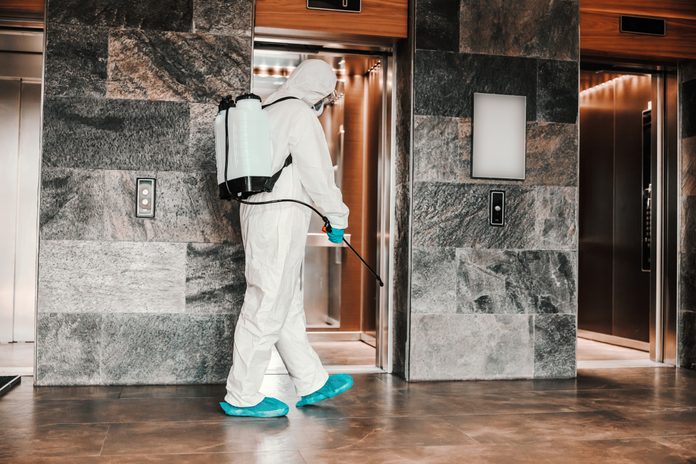
As people begin to get out again and consider a hotel stay, hotels will want to instill confidence by ensuring a thorough room cleaning; some hotels may even implement specific guidelines or a certification process to help their guests feel safe and comfortable. In an interview with The Points Guy, Scott Berman from the Hospitality & Leisure Group at PricewaterhouseCoopers in Miami states that conversations about updated cleaning protocols are turning into guidelines, which will “eventually turn into brand standards.” Check to see what standards your chosen hotel has set before you go. Make sure you also read up on these new hotel trends before booking your next place to stay.
Which surfaces need to be wiped?
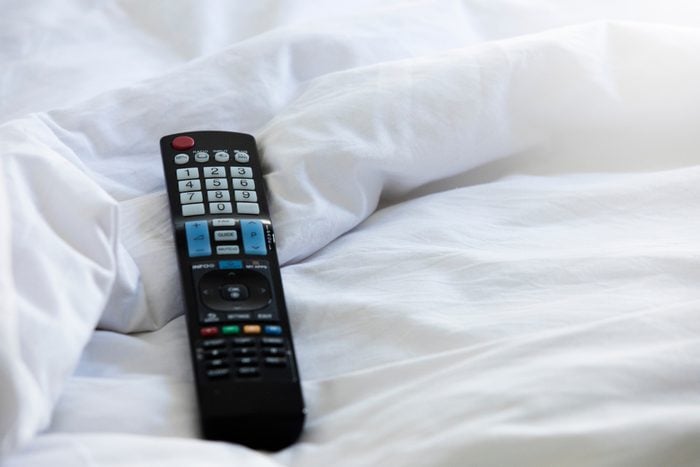
Despite enhanced standard cleaning protocols, why not give the important surfaces an extra wipe down just in case? Remotes, phones, clocks, and doorknobs are all high touch areas that might benefit from an extra cleaning. Also, definitely wipe down the light switch, as it’s the dirtiest surface in hotel rooms. And, as kind as it is when a room has glasses or mugs for drinking, these could be sources for germs. If you can’t bring your own with you, be sure to wash them before use. Learn the rest of the hotel room germ hot spots.
Is the room carpeted?
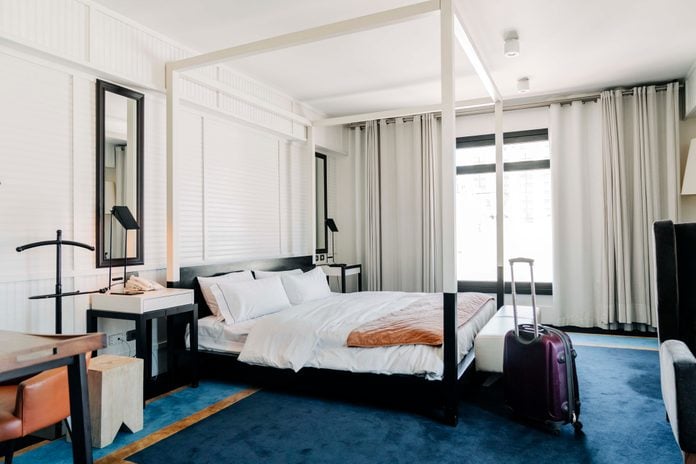
Setting your bare feet on a soft carpet when you get out of bed might seem appealing, but Goldman prefers bare floors. Carpets are vacuumed but rarely shampooed, while hardwood and tile are cleaned well every day. “You can’t imagine the kinds of things that you find embedded in the carpet at a hotel—even great hotels,” Goldman says. “If you have the choice, go for bare floors.” Don’t miss these other 21 secrets hotels won’t tell you.
What does the caulking look like?
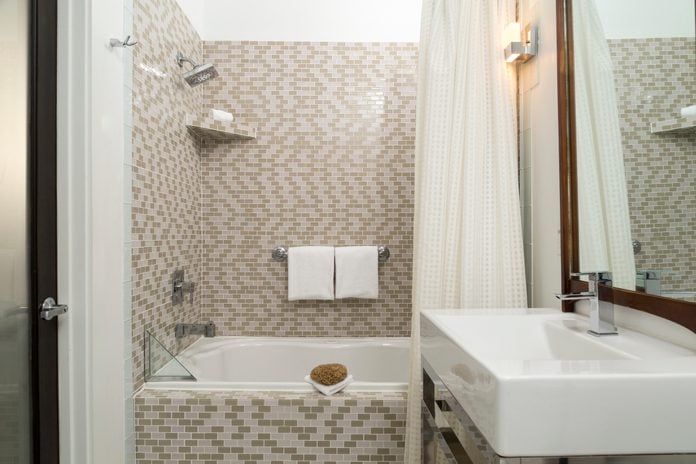
Whenever Goldman arrives in a hotel room, she beelines to the shower to inspect the caulking. “It tells you something about how the hotel is maintained, how important cleanliness is,” she says. Mold in the bathroom is a red flag—especially if you’re allergic.
Do you have uninvited guests?
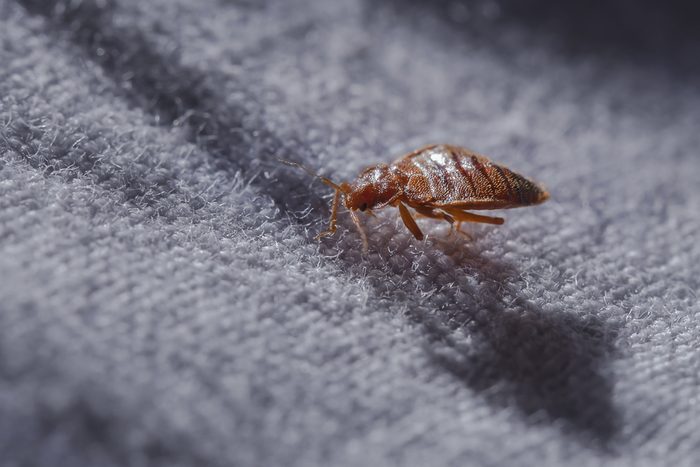
“The best hotels in the world can sometimes be plagued by bed bugs,” says Goldman. If a guest unknowingly brought bed bugs into the room, the hotel won’t know to fix the problem unless another traveler tips them off—so it’s up to spot bed bugs in a hotel room. Bed bugs love cozy spaces, so Goldman recommends scraping the bottom corner of the mattress with a business card to make sure pests aren’t hiding.
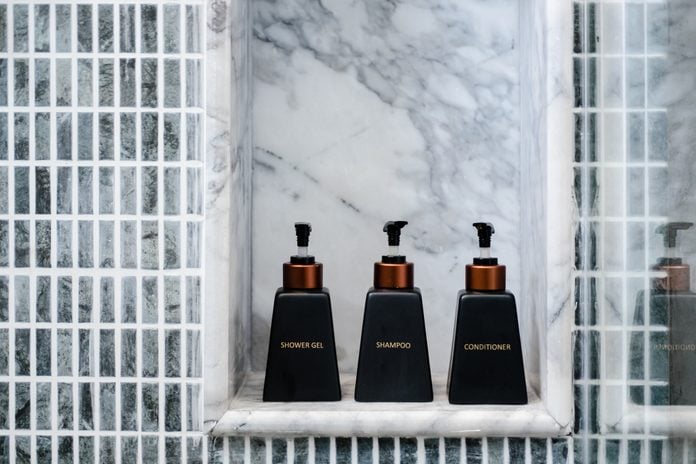
Are there toiletries?
Most hotels offer free toiletries like shampoo and soap (at least before COVID), but it’s worth double-checking when you arrive. “The one missing amenity is often cream rinse,” says Elizabeth Avery, founder of Solo Trekker 4 U. If housekeeping forgot to drop off toiletries, or the hotel doesn’t include conditioner or other basics, you’ll want to know before you’re in your towel.
It is advised to put luggage in the hotel bathroom, here’s the reason why!
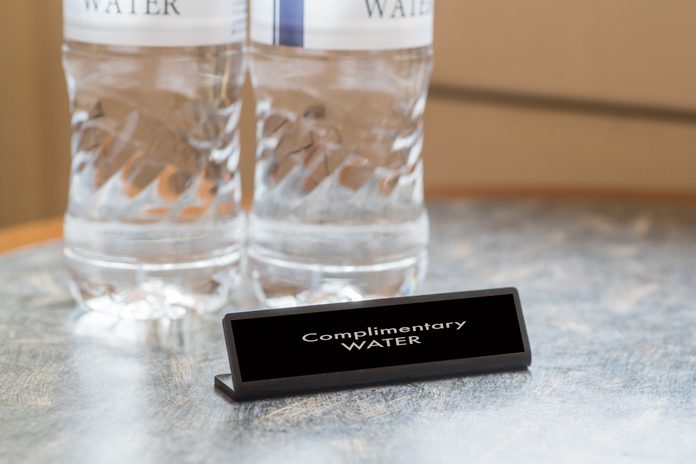
Did the hotel provide water?
“When you’re traveling the world, no matter where you go, no matter what they tell you about the tap water, it’s important that if you’re coming from the United States, you use bottled water,” says Goldman, “especially for brushing your teeth and without question for drinking.” Hotels get bonus points if they supply a free bottle every day during your stay. If there isn’t one waiting for you, buy one from a vending machine or nearby shop right away. Feel free to ignore these popular travel tips that aren’t true anymore.
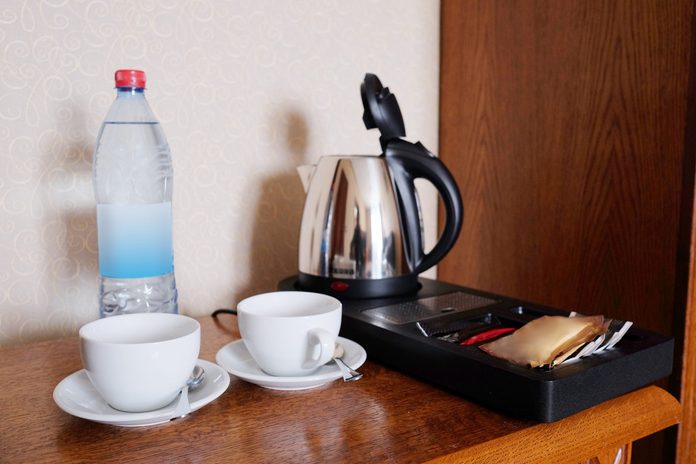
What’s the coffee like?
Even if the hotel website promised free coffee in your room, you’ll want to see what that really looks like. “Coffee available in guest rooms may be instant or have only powdered creamers,” says Avery. She recommends packing coffee bags (which brew like tea and tend to be better quality than the powdered stuff), along with hot chocolate packets for a DIY mocha. Your fellow travelers will thank you for starting the day sufficiently caffeinated instead of hunting down the nearest café.
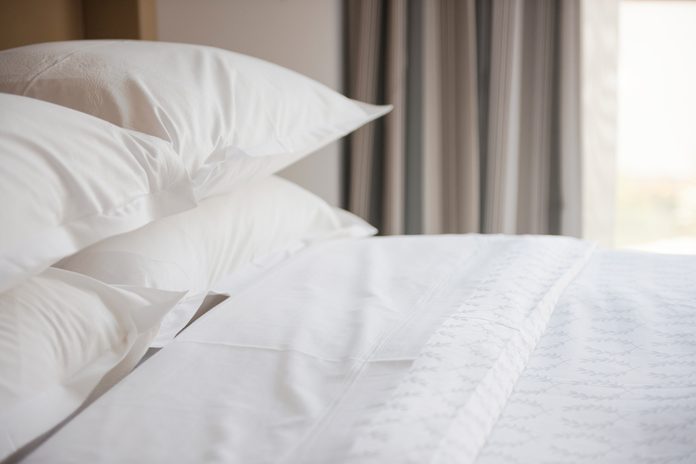
How does the bed feel?
Don’t be shy if you lie down in bed and notice a saggy mattress, torn sheets, or lumpy pillows. The front desk can usually find you a replacement or move you to a different room. “Anything you ask with a ‘please’ and ‘thank you’ and a smile, usually the people that are working in service with hotels will be happy to accommodate,” says Goldman. The only exceptions? These 13 things you should never ask the hotel staff.
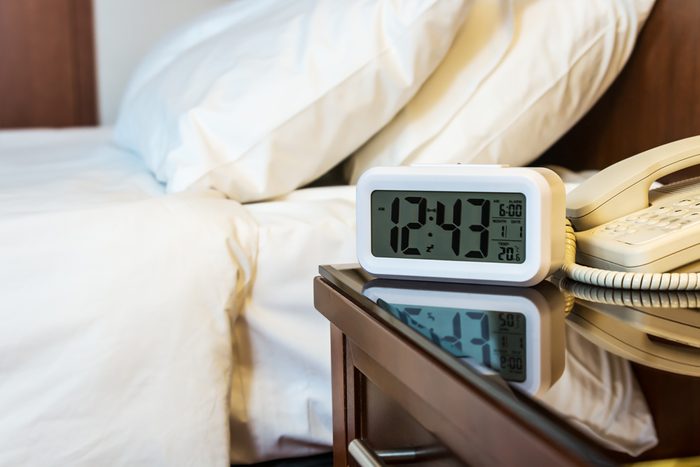
Do you know how everything works?
“A key missing item? Instructions on how things work,” says Avery. Figuring out how to flip through TV channels or set the alarm can be surprisingly confusing, so ask the hotel staff for help if you’re having trouble. Make sure you know the 15 things you should never do in a hotel room.
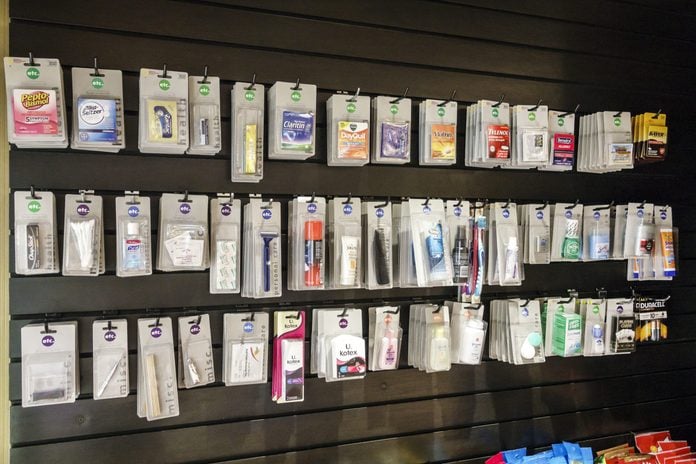
Is there an onsite shop?
No matter how prepared you thought you were, there’s a decent chance you forgot something while you were packing. Just in case, check to make sure the hotel can provide what you need, whether it’s free travel-sized toothpaste or aspirin from the lobby’s mini-store. “It’s good if the hotel has a small shop inside it so you don’t need to go hunting around a strange city for basics,” says Goldman.
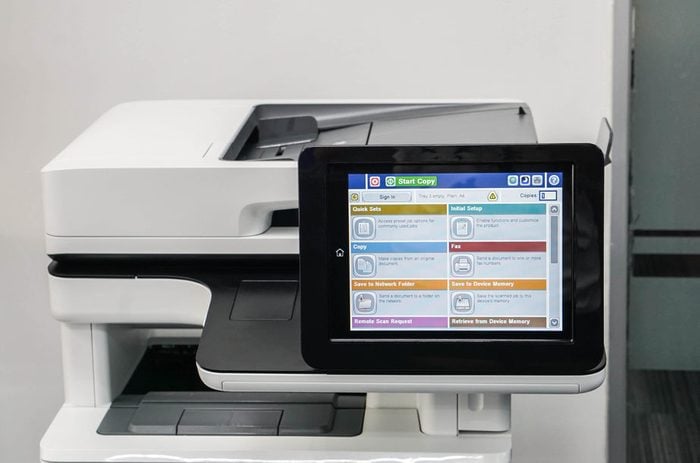
Can you use a printer?
A business center might be the last thing on your mind when you’re on vacation, but it’s a good idea to check for a place to print, says Avery. The last thing you want is to be rushing to check out, only to realize your phone won’t load your departure boarding pass. In foreign countries where you don’t have cell data, you might also want to print out tickets for attractions. Learn more tips about making the most of your hotel stay, from a former hotel inspector.
Sources:
- Peggy Goldman, President and founder of Friendly Planet Travel
- Elizabeth Avery, founder of Solo Trekker 4 U
- Retail Dive: “Marriott Hotels debuts innovative mobile check-in feature via app”
- CNN: “What to expect the next time you check into a hotel”
- The Points Guy: “What your hotel stay will look like in a world after coronavirus”
