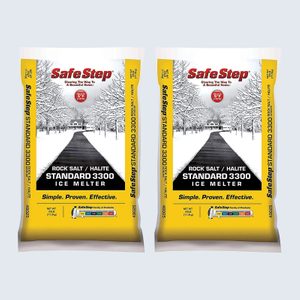
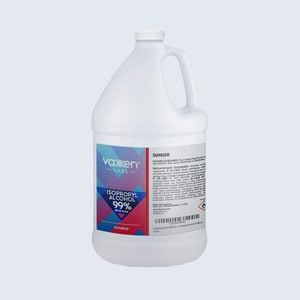
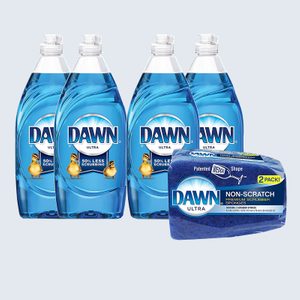
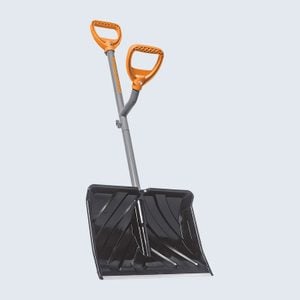
Out of rock salt? These homemade ice melts will help you avoid slipping and sliding on your front porch this winter.
The Easy Way to Melt Ice You Never Knew About (It’s Not Salt!)
Snow and ice storms can sometimes catch even the best weather preppers off guard. Other times, we may have warning about an impending Nor’easter, but can’t make it to the hardware store in time to load up on supplies, or when we do, the road salt shelves are as empty as the ones for bread and milk at the grocery store.
Or maybe you prefer not to use salt because you’re concerned about your pet walking on it, or don’t like the idea of all that salt washing off in your yard or neighborhood.
Yet salt, along with shoveling and plowing, can be an essential component of clearing your front steps and driveway, so you don’t slip and fall. Not to mention that in many cities and towns, it’s the law to clear sidewalks of snow and ice within hours of the last flakes. What’s a homeowner to do?
To find out how to melt ice without salt from surfaces, we spoke with Andrew Stutzke, the Senior/Morning Meteorologist at WQAD-TV, an ABC affiliate in the Quad Cities in Iowa and Illinois. Aside from a sturdy shovel, here’s what else you’ll need to be ready for winter weather.
How to melt ice without salt
There are safe and effective ways to melt ice without salt, some of which use ingredients that you probably already have on hand.
Rubbing alcohol and dish soap
Rubbing alcohol lowers the freezing point of water, Stutzke explains, so it works great as a deicer. Here’s a quick recipe he recommends for applying to surfaces:
- ½ gallon warm water
- ¼ cup of rubbing alcohol
- A few drops of dish soap
Mix it in a bucket, then douse your sidewalk or driveway. The snow and ice will begin to bubble up and melt, making it easy to remove with a shovel.
Coffee grounds

Enjoy your morning cup of Joe first, then take those used coffee grounds and sprinkle them on the ice to melt it faster. Stutzke notes that this salt-free alternative will only work during the day, though. “You’re taking that dark object, which attracts a lot more heat, and you’re amplifying the power of the sun to melt the snow and ice,” he explains.
Sand
Sand is a great salt-free option for ice because it’s not corrosive or harmful to waterways, and it won’t dry out pets’ paw pads, Stutzke explains.
To be clear, sand won’t exactly melt ice like salt will. But it will provide traction, making surfaces safer to traverse. Plus, just like it does on the beach, sand retains the heat of the sun, so it can help warm up the ice a bit, at least during daylight hours.
Tip: Stutzke recommends applying sand and coffee grounds only during daylight hours, as they can refreeze on surfaces overnight.
Sugar beet juice
Sugar beet juice comes in liquid and pellet form. and it’s quite the popular salt alternative in the Midwest, Stutzke says. In fact, beet juice pellets are used to clear the snow and ice from the parking lot at the TV station where he works. The natural juice works to lower the freezing point of water, plus it’s non-corrosive, so you won’t have to rush to the car wash like you do when your vehicle gets slathered in salt. Sugar beets are white, not the purple-red of regular beets, so they won’t stain surfaces. You can buy them from feed stores or from online retailers like Amazon.
Kitty litter

Now, this won’t exactly melt the ice, but don’t write off this cat parent staple as one of those winter weather myths just yet. Like sand, its gritty texture can provide traction on slippery surfaces.
The only problem? If you use the kind that clumps when it gets wet, you’ll have clumps all over your pavement as the ice starts to melt. You might even attract some feral felines to come play in the snow, too. At least you can rest assured the kitty litter won’t hurt their paws!
Frequently asked questions
Are there eco-friendly commercial ice melt products available?
Yes, there are commercial ice melt products billed as eco-friendly and pet-friendly. While you should always rely on ingredient lists rather than marketing taglines, these products typically avoid chlorides that are harmful to the soil and waterways and corrosive to plants and animal paws. Sugar beet juice-based ice melts, in particular, are known for being eco-friendly and safe for surfaces and pets.
Can you use vinegar to melt ice?
Yes. Vinegar also lowers the freezing point of water, so if you have that on hand, Stutzke says you can go ahead and mix it with warm water and a few drops of dish soap instead of rubbing alcohol for similar results.
Will homemade ice melt solutions damage concrete or plants?
Not as much as chloride-based products can. Rubbing alcohol and vinegar are acidic in nature and can harm plants and grass, but since your lawn and garden are probably covered in snow, it’s not as risky to use them in the winter.
When should you use deicing products?
It’s best to use any deicing product during the day when you’ve got the sun helping it along to melt the snow and ice.
About the expert
|
Why trust us
At Reader’s Digest, we’re committed to producing high-quality content by writers with expertise and experience in their field in consultation with relevant, qualified experts. We rely on reputable primary sources, including government and professional organizations and academic institutions as well as our writers’ personal experiences where appropriate. We verify all facts and data, back them with credible sourcing and revisit them over time to ensure they remain accurate and up to date. Read more about our team, our contributors and our editorial policies.
Sources:
- Andrew Stutzke, WQAD-TV Senior/Morning Meteorologist; phone interview, September 15, 2025.
- WQAD News 8: “Ask Andrew: No salt? Here are some other ways to melt the ice.”
- Scott’s Lawn Care: “Salt, Sand, Ice Melt, or Kitty Litter: What Works Best for Winter Woes?”