


Here’s Why You Shouldn’t Use Aluminum Foil for Leftovers
Updated: Jul. 25, 2023





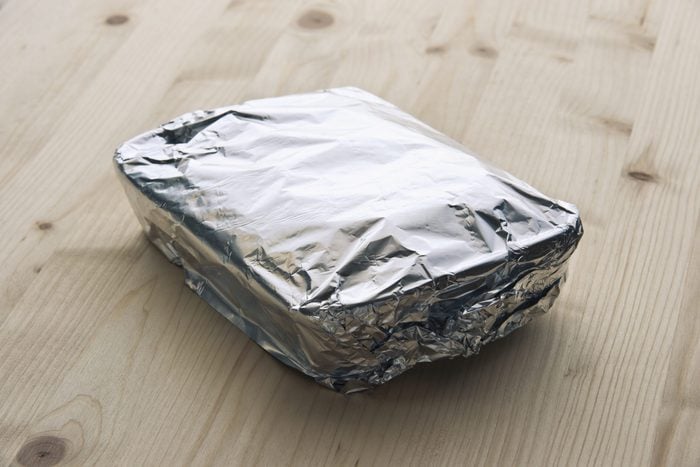
Turns out, aluminum foil is not ideal for storing leftovers. Here's why, and what you should be using instead.
Our editors and experts handpick every product we feature. We may earn a commission from your purchases.
Refrigerated leftovers typically last up to four days if leftovers are sealed and stored correctly. For most people, covering a plate with foil and tossing it in the fridge is a quick, easy way to store food. However, wrapping your food in a sheet of aluminum foil is also an easy way to put yourself at risk for health hazards.
Why you shouldn’t use aluminum foil for leftovers
Much like we need air to breathe, bacteria need air to thrive. Some bacteria like staph and Bacillus cereus, which cause foodborne illnesses, produce toxins that aren’t destroyed by high cooking temperatures. When a hot meal is left out at room temperature for more than two hours, the bacteria grow rapidly, according to the Washington State Department of Health.
Using aluminum foil to cover food poses the same risk since it doesn’t completely seal your food off from the air. “When air is present, that allows the bacteria to grow faster, so you really want to get the right containers and pack things appropriately,” says Lindsay Malone, a registered dietitian at the Cleveland Clinic. “Otherwise, your food isn’t going to last.”
How should you package leftovers?
If you are saving those leftovers, here are some food storage guidelines to package them safely:
- Always seal them in shallow, air-tight containers to speed up the cooling process and keep bacteria off of your food.
- Make sure you put the food in the fridge within two hours, before the bacteria has time to wreak havoc on it. Dairy and meat products are especially prone to bacteria growth, which reiterates just how important it is to use air-tight containers for any and all leftovers.
- Throw away any food that has been sitting out longer than two hours
- Be aware of the foods you shouldn’t put in the refrigerator.
“If you have an abundance of food left over, the smartest thing to do would be to put a portion of it in the refrigerator, and then pack a portion of it really nice in air-tight containers and put it into the freezer,” says Malone. “And then when you’re ready to eat it, take it out.”
What to use to store leftovers safely
Storing leftovers safely means finding air-tight seals for your leftovers. Better yet, opting for eco-friendlier reusable containers made from glass, food-grade silicone, and multiple-use BPA-free plastics. These can save you cash in addition to saving your leftovers from spoiling.
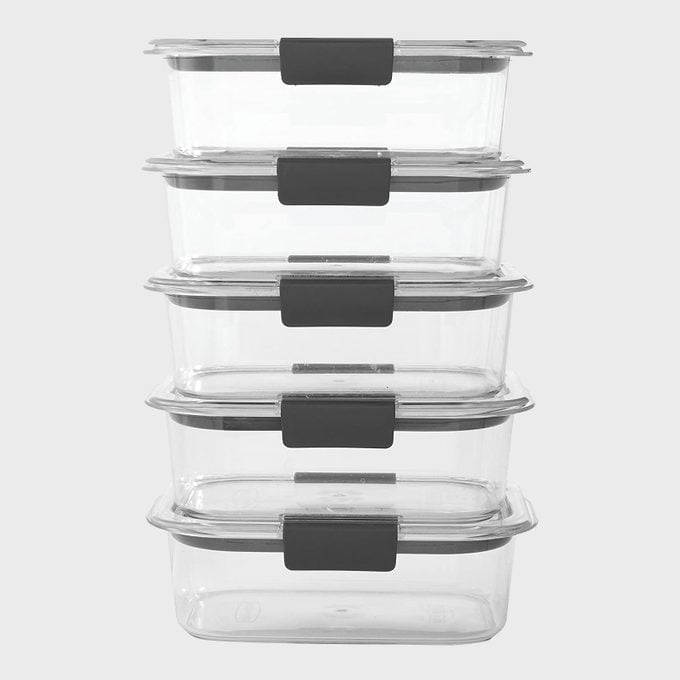
Rubbermaid Brilliance Food Storage Container
Store all your favorite foods in these 100 percent leak-proof storage containers from Rubbermaid that feature BPA-free lids and bases with full clarity so you always know what’s in them and how much is left. The airtight seal prevents bacterial growth and introduction and keeps your food from spilling. They’re also dishwasher-safe, stack easily to save pantry space, and are strong enough to withstand months in the freezer.
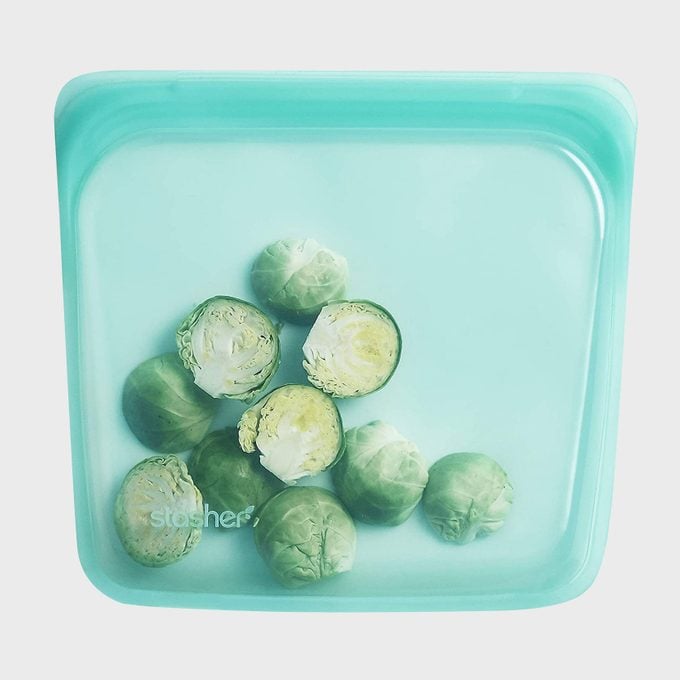
Stasher Reusable Silicone Food Storage Bags
Finally, zipper baggies are reusable, and they’re easier to use and clean than you might expect. These affordable 100 percent silicone baggies from Stasher make food storage and prep a breeze and offer a spill-proof seal that’s just as great on leftovers as it is taking snacks on the go. “We’ve been using all sizes of Stasher bags for nearly a year —mostly food-related—and have not had any issues with a single one,” writes verified Amazon purchaser, Maison Leach. “They don’t leak, they don’t smell, are easy to close and open, and don’t take up much room compared to traditional Tupperware or other food storage.”
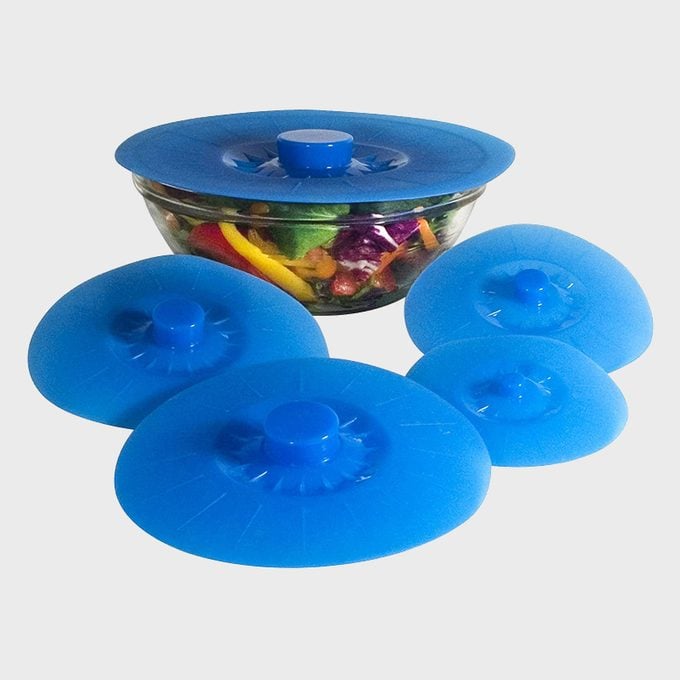
Perfect and Simple Silicone Bowl Lids
You don’t even have to transfer your leftovers from the serving dish with these nifty silicone bowl lids. Each set offers a variety of airtight suction-based bowl seals with food-grade silicone. You can pop one on top of your glass salad bowl to save leftovers for later in the day that won’t be a wilted mess, or store everyone’s favorite pasta leftovers without fear of outside contaminants. “These are great for leftovers that you want to keep in the serving dish because they will be eaten within the next few days,” says verified Amazon purchaser, CT. “Just top the bowl with the silicone lid and you are good to go. The food stays fresh and airtight.”
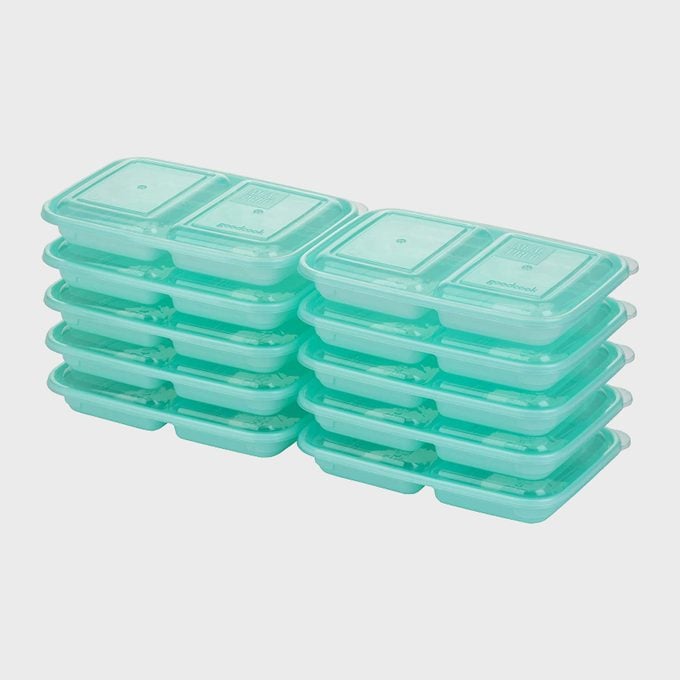
Good Cook Meal Prep Snack Containers
This impressive set of 10 Good Cook Meal Prep Snack Containers each has two sides, so you really have storage space for up to 20 portions. This is the ideal alternative to aluminum foil if you’re working with smaller, individual portions. They’re also great for tight budgets since each microwaveable, dishwasher-safe container costs less than a dollar each. Verified Amazon reviewer, Cor writes, “I absolutely love these! They are sturdy and lightweight and provide perfect portions. I particularly love the slim design that allows me to slip one in my purse or lunchbox without worrying about it opening up or taking up much space.”
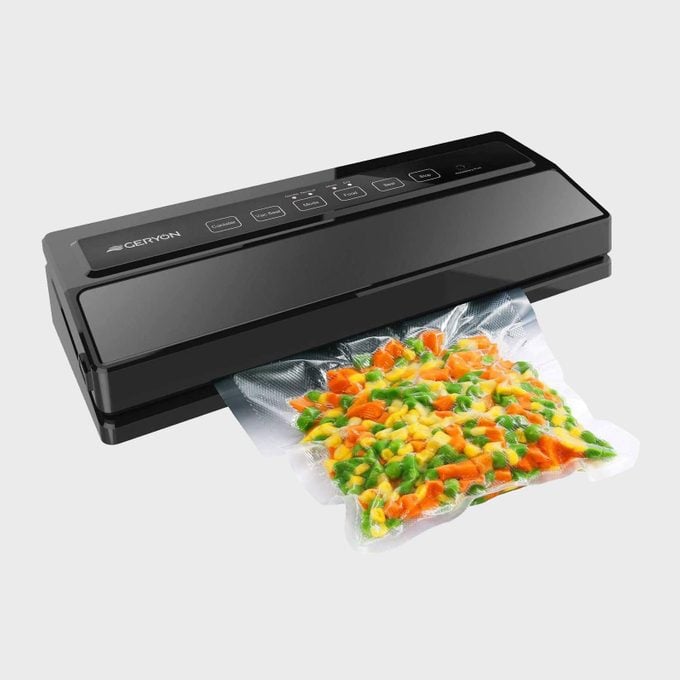
Geryon Automatic Vacuum Sealer
Skip the containers altogether with this professional-level Geryon vacuum sealer that sits neatly on your countertop and works with food-grade plastic food packaging. It’s an ideal way to save refrigerator and freezer space, safely store fresh meats and fish for later usage, and even package dried snacks safely for long-haul adventures like camping. Verified Amazon purchaser, Angie W. says, “This is the first vacuum sealer I’ve ever owned. Super simple to use with great directions. A guide is included to educate you on which settings to use when vacuum-sealing your foods. I’ve used this machine so many times already and we absolutely love it! So far we’ve put up vegetables from our garden to enjoy throughout the winter season and I love it for extending the life of produce from lettuce, tomatoes, and berries.”
Sources:
- Washington State Department of Health: “Food Safety Myths”
- Lindsay Malone, registered dietitian at the Cleveland Clinic
