


I Used to Be Homeless—And Here’s What Everyone Gets Wrong About It

Updated: Jan. 23, 2024





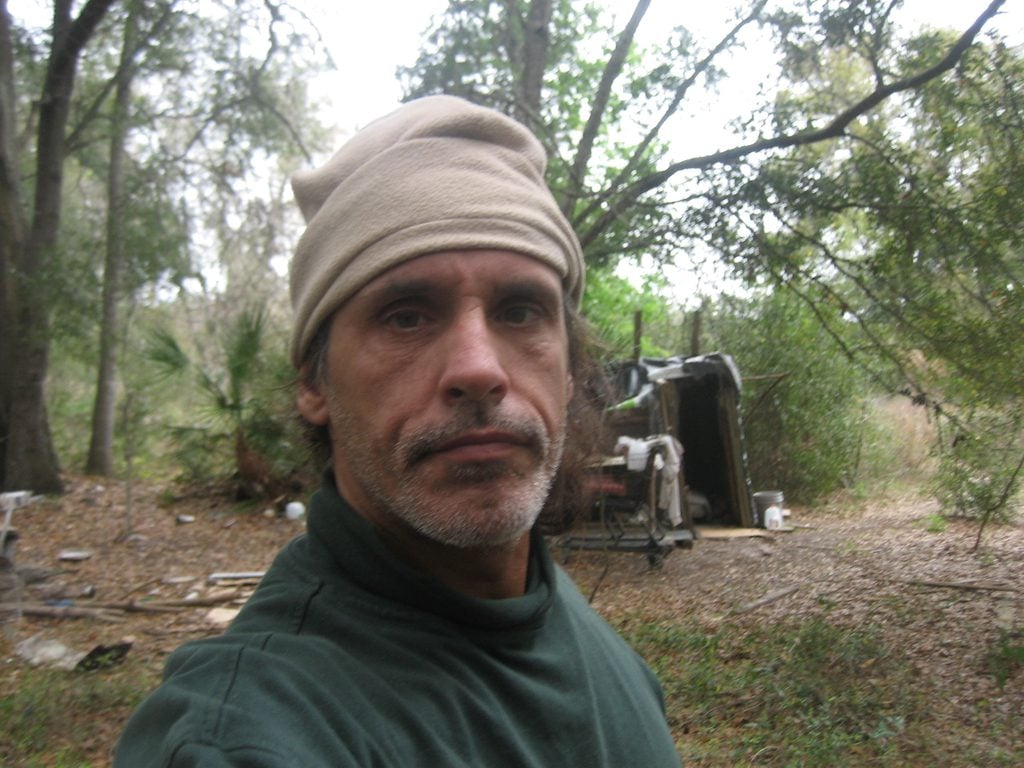
You've been misled by television and movies: Homeless people aren't dangerous. Here's the reality from a man who spent 20 years living on the streets.
By Mark Anthony DiBello, as told to Charlotte Hilton Andersen
Homeless doesn’t always mean living on the streets
I was homeless for the better part of 20 years and so I’ve lived a lot of places. Some of them are what you might think of as typical, like parks, beaches, overpasses, or shelters, but others might surprise you. When you’re homeless, your first priority is finding a safe place to sleep and sometimes that means you get creative. I’ve spent months living in an outdoor public bathroom, an airport, my car, a deserted cabin in the woods, and a storage locker (which felt so plush it didn’t really even feel like being homeless!). Perhaps the worst one was when I lived in a tractor-trailer; they accidentally locked me in for four days and I almost died.
Homeless doesn’t equal uneducated
When people think of a homeless person they don’t necessarily think of the guy who not only was a star high school athlete but also has a college degree—yet that’s exactly what I am. I have a Bachelor’s degree in communications from the University of Miami. And I wasn’t the only one out there with similar credentials. There are plenty of extremely intelligent people who, for various life circumstances, end up homeless. And even the ones who may not have a formal education have to get smart in a different way if they want to survive.
There isn’t just one reason why someone ends up homeless
It might make you feel better to think that you can pinpoint the reason someone ended up homeless—say, drug abuse, mental illness, or criminal activities—because then you think that by avoiding those things you’re safe. In some respects that isn’t wrong and there are many homeless people who struggle with exactly those things. But the truth is that everyone makes bad decisions sometimes and whether or not your bad decisions end in homelessness has a lot to do with privilege and luck. Everyone is vulnerable. There but for the Grace of God go I… or you. P.S. Don’t forget the children, who are definitely not homeless through any fault of their own. You can help these children.
Not all homeless people are jobless people
Thanks to the high cost of living and low wages, it’s possible for someone to have a job yet not be able to afford a house. At this point, though, you might be wondering why I ended up homeless for so long, even with an employable degree. There isn’t a simple answer to that (see my last point) but the job market was very tight when I graduated and I was overqualified for most minimum wage jobs. And I did struggle with drug and alcohol addiction. I got sober in 1991, however, and still experienced stints of homelessness after that.
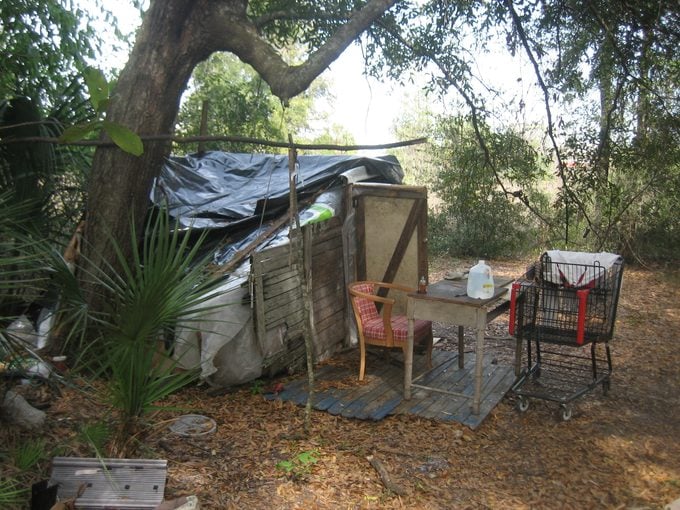
Some people are homeless by choice
The vast majority of homeless people are in that situation because they had no other choice but there are a few who would rather not be tied down to anything. My dad and stepmom kicked me out of the house when I was younger and at that time I decided that I preferred having the clouds for my roof instead of a plaster ceiling. Plus, I am very religious and Jesus was homeless so I figured if it was good enough for Him, it was good enough for me. That wasn’t always the case for me but there were times I preferred my freedom.
Homeless people are not going to kill you
Hollywood and TV shows give the homeless a bad rap, making them look like murderers and rapists, but the majority are simply trying to find food and shelter—just like you. You don’t need to be afraid of the average homeless person, you’re far more likely to be hurt by someone you know. In addition, a homeless person is more likely to be killed by a “normal” person than the other way around. There are some horrible people out there who get their kicks from abusing the homeless because they are easy targets.
There is a “homeless code”
If you learn one thing fast, it’s that no one is going to look out for you and so you learn to band together with other homeless people. We would do our best to help each other out, share tips, and stuff like that. Now there are even tent cities, homeless encampments, in some places. There’s also a healthy barter system where you can trade for things you need without money. I’m actually working on a book of tips for homeless people to help them survive on the streets—all the little things no one tells you but can make all the difference. Want to help make a difference? First you’ll need to learn what local food pantries wish you knew.
When you’re homeless one tiny mistake can quickly become a massive problem
When you have no safety net, the tiniest issue—an unexpected medical bill, an illness or injury, a lost wallet—quickly balloons into an emergency that can make you homeless, or if you’re already homeless, make your life infinitely worse. An example I like to share is when I was living in my car. One day it got towed for a parking violation and once you’re towed, you’re done. There are towing fees, impound fees, parking fees… before long you owe $2,000 on a $600 car. So now you don’t have a car or any of your stuff that was in it and you’re stuck sleeping out in the elements. Sleeping outside makes you get sick which leads to other problems… One tiny mistake can spiral into a life-ending problem.
Homelessness and poverty kills
I can’t tell you how many people I saw die from a lack of simple medical care. A cut, a broken bone, or an illness left untreated can become infected and deadly very quickly. Once, when I was being mugged, my attacker broke my jaw. I tried to manage but the pain was so immense I couldn’t eat or sleep. The ER did set my jaw, thankfully, or else I probably would have died from it. While you may think that hospitals are required to treat everyone, they discourage you from coming in for little things; when they do help, they don’t always do a complete job. They just want to help you enough to get you out of there, not to help you get better. There are shining examples of healthcare workers doing their best to help.
Dental problems are the worst problems
When you think of everything you need to be healthy, a dentist isn’t usually the first thing you think of. But your teeth are an essential part of survival. Unfortunately, when you’re homeless, simply taking good care of your teeth is tough, much less getting dental care like root canals or crowns. Between a steady diet of junk food and a lack of access to toothbrushes and floss, many homeless people have to deal constantly with rotting, painful teeth. And when your teeth hurt, everything is harder.
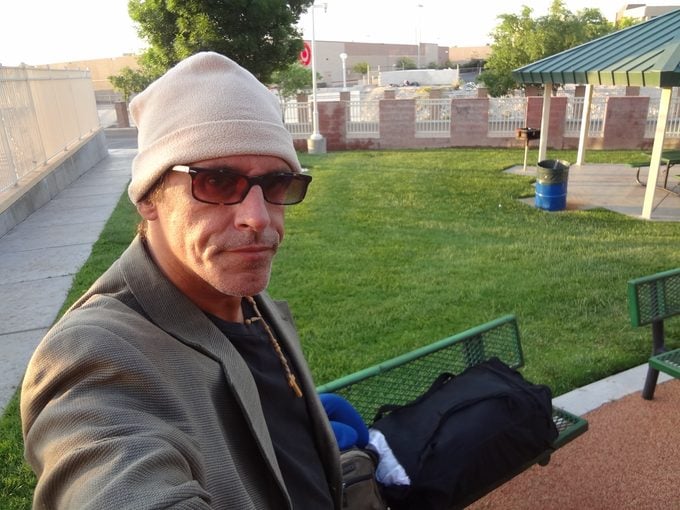
Looking homeless is often worse than actually being homeless
If you look (and smell) homeless, everyone automatically assumes the worst about you, and it becomes that much harder to find a job or an apartment or get medical care. Plus, police or security guards immediately see you as a problem or potential criminal. One of the best things I learned was to keep a cheap gallon jug and use an outdoor spigot to shower every few days. A bar of soap can last you months that way. Being clean can make the difference to being allowed to sit for a few hours nursing a coffee in a warm fast-food restaurant and getting kicked out as soon as you walk in. This is why it was so powerful for a paster to give homeless women free makeovers along with their food.
Being homeless doesn’t have to be a life sentence
About five years ago, I decided I was done being homeless. I was able to start a side business that I could do online, from anywhere, helping people get on reality TV and game shows. (Fun fact: I won $50,000 on Wheel of Fortune and I’ve appeared on over 12 reality shows!) This money allowed me to start a new life. But I’m the exception to the rule. Escaping homelessness, once you’re trapped in the cycle, is incredibly difficult, and resources to help the homeless are terribly underfunded and under-served. If I’m being totally honest I still feel like I’m one mistake away from being out on the streets again and that’s terrifying.
How to help
People often ask me what they can do to help the homeless and I always say, “Just look around you!” When someone has so little, it doesn’t take much to help. You can start by not judging the homeless. Don’t say that they deserve to be in that situation—no human being deserves that. After that, donate to causes that support the homeless in your community, like local churches, job outreach programs, or other charities. If you’d donate to someone after a natural disaster, donate to a homeless person, they are living a natural disaster every single day. Looking for ways to help? These random acts of kindness can change someone’s life in an instant.
Originally Published: June 24, 2019

