


12 Easy Ways to Outsmart Jet Lag for Good

Updated: Mar. 16, 2022





Whether you're an avid globetrotter or a casual traveler, jet lag will likely play a role as you become acclimated to your new destination—but it doesn't have to ruin your trip.
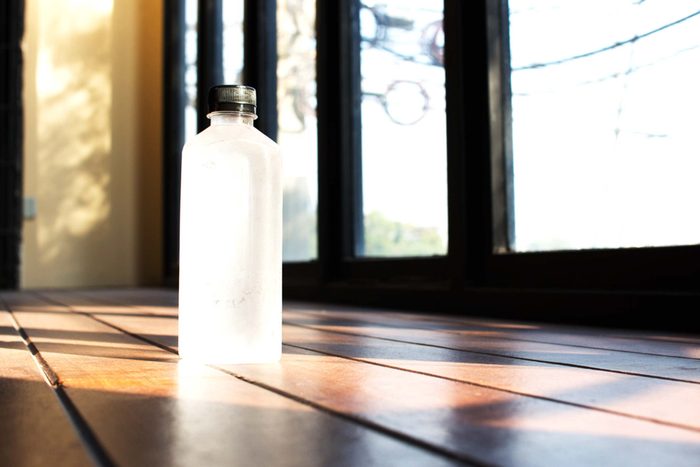
Stay hydrated
Travel writer Ramsey Qubein (aka @DailyTravelTips on Twitter) flies over 400,000 miles annually as a contributor to a number of major news and travel publications. He recommends always staying hydrated while flying. “Drink lots of water and avoid caffeine and alcohol. Of course, this is not always easy for passengers in middle seats (getting up to the bathroom can be annoying) or those enjoying premium cabin amenities.” When you land, drink as much water as possible. “Cold water is even more refreshing,” he says. Drinking water is encouraged on board, but make sure you never do these 18 things on an airplane.
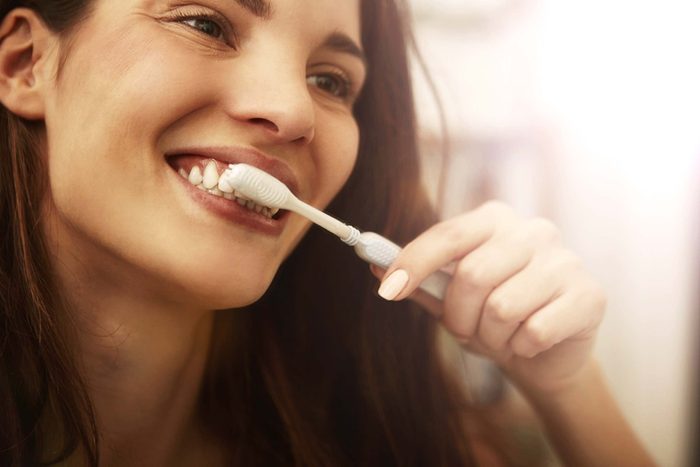
Brush your teeth
Upon landing or arriving at your hotel, Qubein suggests some quick hygiene. Brushing your teeth wakes you up, surprisingly well, he says. “If you have time, take a shower. It helps your body to stay hydrated.”
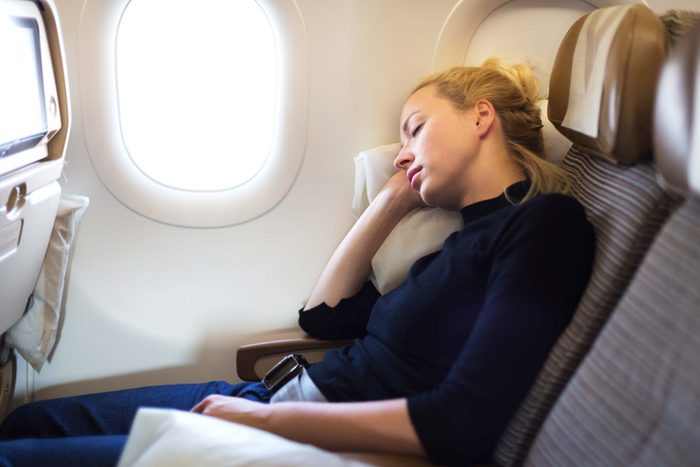
Catch up on sleep
Greg Mann, American Airlines international flight attendant and avid traveler (104 countries and counting!), suggests trying to adjust to the time zone of your destination while still in flight. For example, “on longer flights to Asia that arrive in the morning, it is best to try and sleep at the end of the flight before landing so your body clock is more attuned to the local time zone.” Try these seasoned traveler’s tips for getting to sleep on an airplane.
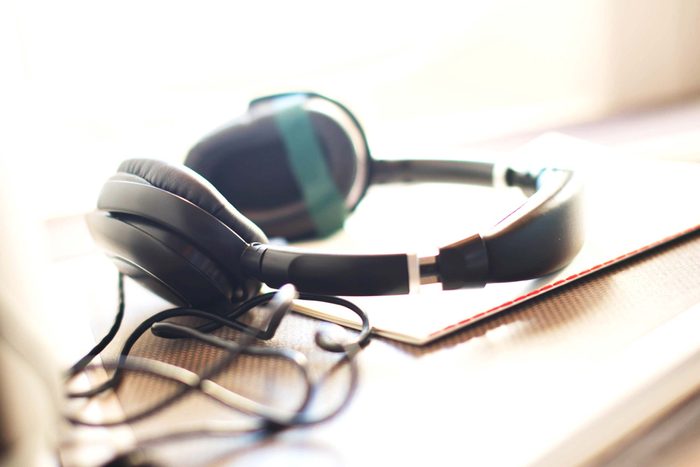
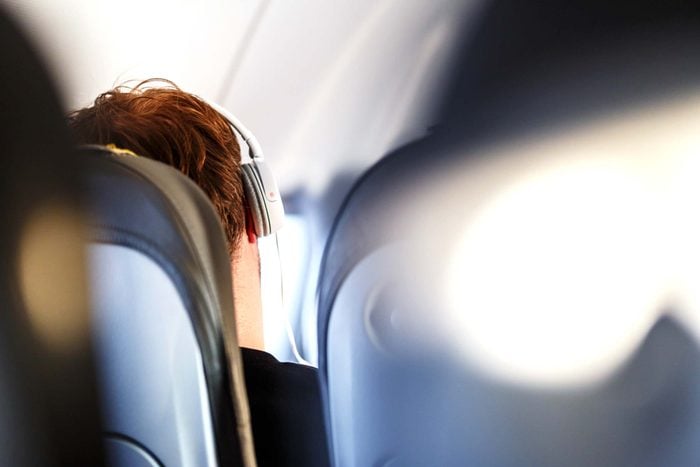
Invest in noise-cancelling headphones
“These eliminate noise and distractions around you, while also allowing you to get some quality rest,” Mann says. If you can’t sleep while listening to music, download a white noise app to create a better environment for sleep.
And try to sleep some more…
It’s not enough to sleep at the right time, you also have to work at it, advises Thierry Kennel, regional vice president of Four Seasons Hotels & Resorts and general manager of Four Seasons Hotel Denver. (He has lived in several cities around the world and currently flies approximately 30,000 miles a year.) While in the air, he recommends, “Let your flight attendants know not to bother you when you’re sleeping (in the nicest way) and bring along a comfortable neck pillow, ear plugs, and eye mask. These will allow you to truly feel comfortable enough to set the environment to allow you to have a peaceful slumber.”
…But don’t forget to move…
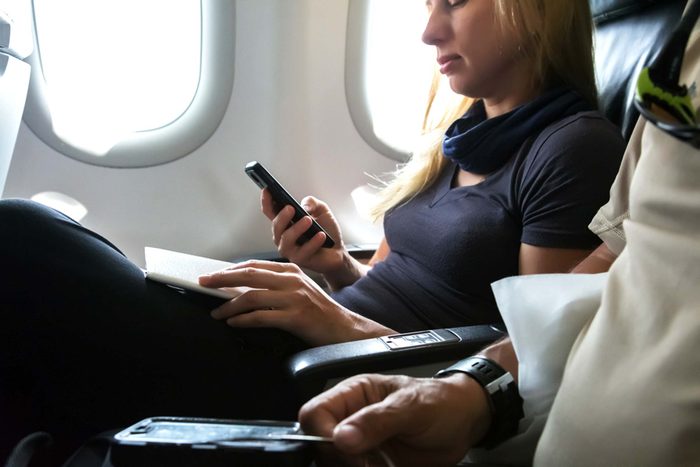
While flying, Mann suggests, “Move around as much as possible throughout the flight. Most airline magazines (including American Way, our in-flight magazine) have simple exercises and movements that you can do while seated.” Stretching your legs on a long flight will help work out the kinks and help keep your circulation moving. Also, follow the golden rules for taking the stress out of air travel.

…And stay moving
As hard as it is to do, some physical exercise (a quick walk or run) is the best way to get rid of jet lag once you have arrived at your destination, Mann says. Kennel agrees, “When I travel, I make sure I exercise daily; our fitness centers and spas at Four Seasons make it fun to work out.”

Go outdoors
“Since jet lag comes from changes to the body’s circadian rhythms by crossing three or more time zones, the goal is to minimize the effects of these disruptions to the body’s biological clock,” says Craig Tanio, MD, co-founder of Rezilir Health and chairman of Maryland Healthcare Commission. Dr. Tanio points out that the pineal gland—located at the base of the brain—is what sets the circadian rhythms. It is extremely sensitive to light, especially from the outdoors. “Be sure to go outdoors after you land—in the afternoon when traveling west and in the morning when heading east— so the natural light can help your body clock adjust.” Jet lag isn’t your only concern when traveling, here’s how to stay healthy on a plane.

Play with light
It’s not only outdoor light that affects us, indoor light and light from your electronics play a part, too. Dr. Tanio suggests, “Since the blue wavelength emitted from computer screens can trick our brains into thinking its daytime, download a program like F.lux to adjust the light from your computer to match the time zone of your destination.”

Take a power nap
Qubein says, “Once you arrive at your destination, try to stick to the local schedule, no matter what your body tells you. Of course, if you are only planning to be there for a few days, then this advice may not apply. A great rule of thumb for me, since I travel all over the world for just a few days at a time, is to sleep when tired. A little power nap will help you feel refreshed.”

Try melatonin
Most experts agree that its best to avoid sleeping pills and alcohol during travel and even after you arrive at your final destination. This will help with any jet lag issues. Dr. Tanio suggests, “Use melatonin, a hormone naturally made by the pineal gland, to advance your biological clock when traveling eastward by taking small doses 30 minutes before sleep.”
Stay mindful
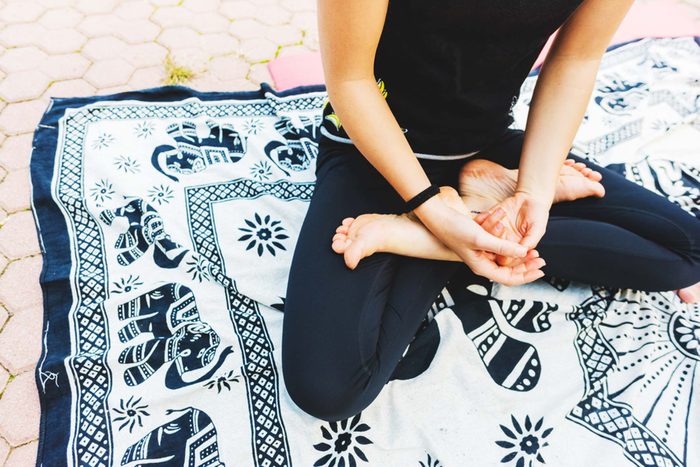
If your schedule permits, travel pros suggest that to get over jet lag, it’s a good idea to plan some time to relax and take care of yourself. Meditation, gentle yoga, and healthy, light meals encourage rest, which will ultimately help to recharge and rejuvenate the body. Dr. Tanio recommends that if possible, “Stay at hotels with sauna and massage nearby—and make sure to budget time for them to help your body recover.” You’ll also want to make sure to pack these foods that can help beat jet lag in your carry-on.
Originally Published: June 26, 2019

