How to Stay Safe When Traveling Alone: 15 Practical Tips You Need to Know

Jill Schildhouse

By Jill Schildhouse

Updated on Mar. 31, 2026

Traveling alone comes with many rewards—and also some risks. These solo travel safety tips can help you protect yourself.

Solo travel safety tips to commit to memory

As a travel writer who has visited 55 countries (so far!) and spends a lot of time on the road alone, I know how appealing solo travel is. You get to do exactly what you want, when you want it, without having to answer to anyone else. But you’re also on your own when it comes to emergencies and potentially dangerous situations. For that reason, over the years, I’ve been diligent about solo travel safety—keeping track of my belongings, paying attention to my surroundings and trusting my instincts when something feels off.

But while researching this story, I realized that some of the things that have kept me safe may have been just as much luck as experience. And you can’t rely on luck when you’re on your own. According to tourism-security expert Peter Tarlow, president of Tourism & More, and travel-risk specialist Lloyd Figgins, CEO of the Travel Risk & Incident Prevention (TRIP) Group and former overseas security advisor to the British government, a little preparation and situational awareness can dramatically improve your safety and leave a lot less up to chance.

Read on for the expert-backed tips that can help you avoid common risks when traveling alone—and know what to do if something goes wrong.

Get Reader’s Digest’s Read Up newsletter for more travel, tech, cleaning, humor and fun facts all week long.

man using laptop at his desk at home
Morsa Images/Getty Images

Do your research before you arrive

One of the simplest ways to improve solo travel safety starts before you even leave home. “Time spent researching your destination is rarely wasted,” says Figgins. Understanding which neighborhoods have higher crime rates, where police stations and hospitals are located and how transportation works locally can make you far less vulnerable once you arrive.

Planning your arrival is especially important. For example, knowing where the official taxi stand is at an airport or train station (or pre-booking a shuttle) can prevent you from accepting rides from random locals pressuring you with promises of cheap transportation. Figgins also recommends identifying safe locations nearby—such as your hotel, busy restaurants or police stations—ahead of time, so you know exactly where to go if you ever feel uncomfortable.

What to do if you feel unsafe at your destination: Move quickly toward a populated location, such as a cafe, store or hotel lobby.

US embassy in Canada
HABesen/Getty Images

Register your trip with your embassy

Before heading overseas, most travelers focus on flights, hotels and itineraries—but few think to tell their own government where they’ll be. That’s a missed opportunity when it comes to solo travel safety.

Tarlow recommends registering your trip with your country’s embassy or consulate, especially when visiting unfamiliar destinations. In the U.S., that means enrolling in the Smart Traveler Enrollment Program (STEP), which allows the State Department to contact you in case of emergencies, including natural disasters, civil unrest or family emergencies back home.

It’s a quick step that can make a meaningful difference if something goes awry—particularly when you’re traveling alone and don’t have someone nearby advocating for you.

What to do if there’s an emergency: Follow the instructions from your embassy, and use your registration information to receive updates, alerts and assistance.

A single individual is carefully placing a first aid kit into a backpack
Aleksey Matrenin/Getty Images

Prepare for medical issues before you travel

Health problems are one of the biggest risks for solo travelers, simply because there’s no companion to help navigate the situation. “Assume you’re going to get sick, and prepare before you go,” says Tarlow. That means packing basic medications and first-aid supplies, especially if you’re traveling somewhere remote. It’s also smart to research hospitals, pharmacies and doctors near your accommodations, as well as identify providers who speak English if you’re traveling abroad.

This advice resonated with me after a bout of food poisoning while traveling in Cambodia two years ago. Thankfully, the cruise ship offered to have a Cambodian crew member escort me to a local pharmacist to help translate our conversation and get me the medication I needed (though I did still have to rely on Google Translate to avoid medication allergies). Even with good travel insurance, figuring out where to go for medical help in an unfamiliar city can feel overwhelming when you’re alone.

What to do if you get sick: Seek medical help quickly, and contact your embassy or consulate if you need assistance navigating the local health-care system.

solo woman traveler walking on the streets of Thailand
lechatnoir/Getty Images

Blend in with the locals

There’s a reason travel experts tell you to leave your flashy jewelry, sports jerseys and yoga pants at home. It’s not because they care about your attire, but because those items practically scream “vulnerable tourist.” As Figgins aptly notes, “criminals will often target those who look lost or new to a particular area.”

Blending in doesn’t mean hiding who you are—it simply means avoiding behaviors and choices that signal vulnerability. Walk with purpose, know your transportation options and avoid standing in the middle of busy streets checking maps.

“Trust your gut instinct, and don’t fall into the trap of thinking you’re being paranoid,” says Figgins. “It’s always best to take evasive action and be wrong than to be complacent and become a victim of crime.”

What to do if someone is following you: If you think someone may be watching or following you, don’t wait for your suspicions to be confirmed. Change direction and move into a busy public place such as a shop or cafe.

woman putting cash in her purse next to a suitcase
Kostikova/Getty Images

Don’t carry all your valuables together

It’s tempting to keep everything in one place when you travel—passport, credit cards and cash tucked neatly into a wallet or small bag. It feels organized and convenient. But if that bag disappears, you could suddenly find yourself stranded in a foreign city without identification, money or a way to pay for a hotel or food.

That’s why Tarlow recommends spreading valuables across multiple locations. Carry one credit card in your wallet, keep another secured in your hotel-room safe and stash a small amount of emergency cash somewhere separate. Tarlow even keeps backup money tucked in his shoe while traveling—an old-school trick that can be surprisingly useful in a worst-case scenario.

The goal is simple: Make sure one theft doesn’t take everything you need to continue your trip.

What to do if your bag is stolen: Contact your bank or credit card company immediately to freeze accounts and begin replacing stolen documents.

man putting smartphone in his backpack
nortonrsx/Getty Images

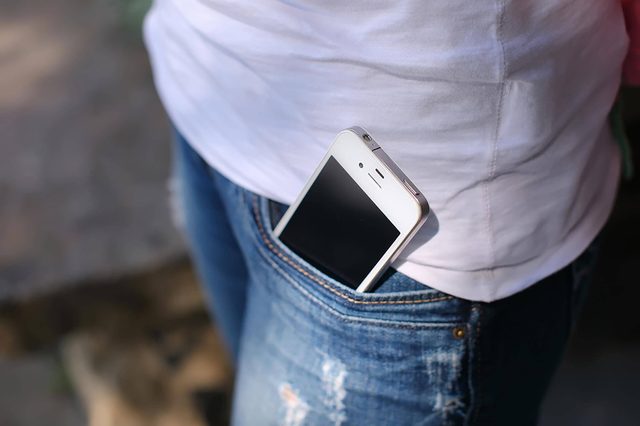
Keep your phone out of sight

Smartphones are one of the most commonly stolen items from travelers today. Because they contain valuable data and expensive hardware, they’re especially attractive to thieves. Figgins recommends keeping your phone tucked away when walking through crowded areas, transit hubs or busy tourist attractions. While on the back of a motorbike tour through Ho Chi Minh City, my guide warned that thieves (also on motorbike) will snatch phones out of tourists’ hands while they are taking photos and selfies. I listened, and while I have no photo proof of my adventure that day, I do still have my phone.

Another pro tip? “It’s a smart idea to use an old phone with a local SIM card when traveling and leave your smartphone at home,” says Figgins. “That way, you still have a phone and the ability to communicate, but if it does get stolen or lost, you haven’t lost all your personal data and an expensive item.”

What to do if your phone is stolen: Use remote security tools to lock your device, and change passwords for important accounts.

close up of passport on a suitcase
Tatjana Meininger/Getty Images

Make copies of your passport and travel documents

Few travel mishaps are more stressful than losing your passport abroad. Without it, you can’t board flights, prove your identity or even check into some hotels—turning what should be a memorable trip into a bureaucratic headache.

That’s why Tarlow says it’s essential to prepare for this worst-case scenario before you leave home. Create both digital and printed copies of key documents, including your passport, identification and travel-insurance details. Leave one copy with a trusted friend or family member, store another in your hotel-room safe, and keep secure digital backups in the cloud so you can access them from anywhere. Having that information readily available can dramatically speed up the process of replacing documents if necessary.

What to do if your passport is lost or stolen: Contact the nearest embassy or consulate immediately to begin the process of replacing it and obtain an emergency travel document.

crowded tourist area
Endrik Baublies/Getty Images

Stay alert in crowded tourist areas

Pickpockets often work in busy locations where travelers are distracted. And one thing you probably don’t realize? “Pickpockets rarely work alone,” Figgins says. “They are often part of a team.” One person may create a distraction—asking for directions, bumping into you or causing a commotion—while another quietly removes your valuables.

Especially when admiring spectacular views or famous landmarks, remain aware of who is around you. The Trevi Fountain in Rome, for example, is a hot spot for pickpockets. Always grab the coins you want to throw in the fountain before arriving at the landmark instead of searching through your wallet there.

What to do if you’re pickpocketed: Cancel your credit cards immediately, and report the theft to local police so you can file an insurance claim.

woman talking on the phone in a hotel lobby
boonsom/Getty Images

Watch what you say in public places

When you’re traveling, it’s easy to slip into excited storytelling mode—chatting about where you’re headed next, how long you’ll be gone or which hotel you’re staying at. But those casual conversations can sometimes reveal more than you intend to the people around you.

Tarlow cautions that travelers often unknowingly broadcast useful information in places like hotel lobbies, airport lounges, and restaurants. Talking loudly about your room number, your evening plans or the fact that you’ll be out exploring for hours can tip off someone who’s paying attention. Keeping details about your accommodations and itinerary private is a simple but effective safety habit.

I’m mindful of this even at home. When I take an Uber to the airport, I’ll often mention that someone is staying at my house—just in case the driver might be tempted to note that the place will be empty for a few days.

What to do if you’ve shared too much information: Stay alert, and consider adjusting your plans or schedule to avoid becoming predictable.

man at hotel reception checking in
LuckyBusiness/Getty Images

Be cautious when checking into hotels

After a long travel day, hotel check-in is often when your guard drops. You’re juggling luggage, confirming your reservation and thinking about a shower or a meal—not who might be listening nearby. But that brief moment at the front desk can be a vulnerable one for solo travelers.

Figgins says check-in is when people are most distracted and least aware of their surroundings. A simple habit can reduce this risk: Ask the receptionist to write down your room number instead of saying it out loud, so no one in the lobby overhears where you’re staying. It’s also smart to pause for a second before heading to the elevators—take a quick look around and note who else might be lingering. Once you’re on your floor, walk directly to your room and stay aware of anyone in the hallway as you unlock the door.

What to do if someone appears to be following you to your room: Don’t open the door. Turn around, return to the front desk and alert hotel staff immediately.

woman standing outdoors in front of hotel
Iuliia Bondar/Getty Images

Trust your instincts about unsafe accommodations

After a fun day of sightseeing, it’s tempting to overlook small red flags at a hotel or rental—an uneasy feeling about the neighborhood, a door that doesn’t quite lock properly or staff behavior that feels off. But when you’re traveling alone, intuition is one of the most important safety tools you have.

“If your gut tells you to get out of there, get out of there,” Tarlow says. In fact, this is his No. 1 solo travel safety tip.

Once you’re inside your room, take a few moments to secure the space. Figgins recommends checking that all the doors and windows—including balcony or patio doors—lock properly. Double-lock the main door, and use the chain if one is available. He also suggests carrying a small door wedge that you can place under the door from the inside, creating an extra barrier even if someone has a key.

What to do if your hotel doesn’t seem safe: Leave as soon as possible and find another place to stay—even if it means losing money on your reservation or appearing impolite to your host.

woman drinking at the bar
Vuk Saric/Getty Images

Watch your drinks when going out alone

One of the best parts of traveling solo is the freedom to say yes to spontaneous moments—like lingering over a glass of wine at a neighborhood bar, chatting with locals or striking up a conversation with other travelers at the counter. Some of my favorite travel memories have started exactly that way (including pub-hopping with random locals in Ireland). But nightlife also requires an extra layer of awareness when you’re on your own.

Tarlow says drink tampering is a risk that solo travelers shouldn’t overlook. “Drink only from a bottle that you watched being opened,” he advises. Accepting a drink from a stranger—or leaving your glass unattended even for a moment—can create an opportunity for someone to interfere with it.

Staying aware of your surroundings, pacing your alcohol consumption and keeping your drink within sight can help reduce those risks while still enjoying the social side of travel.

What to do if you suspect you’ve been drugged: If you suddenly feel dizzy, disoriented or unusually intoxicated, alert bar staff immediately and ask them to call for medical help.

man using his smartphone in a cafe
Gorica Poturak/Getty Images

Protect your digital security while traveling

When you’re navigating a new city, it’s easy to rely heavily on your phone—checking maps, logging into hotel Wi-Fi or confirming travel reservations. But those same conveniences can create opportunities for cybercrime if you’re not careful.

Figgins says many travelers unintentionally expose personal data by connecting to unsecured public Wi-Fi networks in airports, cafes or hotels. Hackers can exploit these networks to intercept passwords, banking information or other sensitive data. One of the simplest ways to reduce that risk is by enabling two-factor authentication (2FA) on important accounts and using a virtual private network (VPN) when accessing sensitive information online. Where possible, he suggests using 2FA for important things like payments and anything that requires additional security protection.

Taking a few extra digital precautions can make a big difference when you’re far from home and relying on your phone for everything from directions to travel documents.

What to do if you suspect your accounts have been compromised: Change your passwords immediately. Also notify your bank or credit card company to monitor for suspicious activity.

receptionist handing a card to a tourist
Maskot/Getty Images

Carry your hotel address with you

Another problem with using your phone for everything? Technology isn’t foolproof. Phones run out of battery, lose signal or occasionally get lost or stolen. One time, after landing in Paris, it took my phone six full hours to get on the network and start working—and I was basically helpless the whole time.

So go old-school and print your hotel’s info, and later, carry a business card from your hotel with its address printed on it. Bonus: Having the hotel address in hand makes it easy to show a taxi driver exactly where you need to go, even if you can’t pronounce the street name or remember the full hotel name.

What to do if your phone isn’t working and you get lost: Show the card to a taxi driver or a nearby shop owner so they can help direct you back to your accommodation.

Aster Safety App
VIA LOGICMARK.COM

Consider these apps geared toward solo travel safety

Technology can provide an extra layer of reassurance when you’re exploring a destination on your own. While no app replaces good situational awareness, a few digital tools can help travelers stay informed and connected.

  • GeoSure: Designed specifically with travel safety in mind, this app analyzes neighborhood safety data around the world, helping travelers understand potential risks in specific areas before they arrive.
  • Aster: This personal safety system pairs a smartphone app with a small emergency button. If a traveler within the United States feels unsafe, pressing the button three times can alert monitoring services and dispatch help to the user’s GPS location. The app can also send scheduled check-in alerts to trusted contacts.
  • Google Maps offline maps: This will allow you to navigate without cell service—avoiding situations like my Paris fiasco!
  • Location-sharing features: You’ll find these in apps like WhatsApp or Apple Find My. Enable them so trusted friends or family members can keep track of where you are.

About the experts

  • Peter Tarlow has a PhD in tourism security and is a world-renowned speaker and expert specializing in the impact of crime and terrorism on the tourism industry, event and tourism risk management, and tourism and economic development. He is the president of Tourism & More, which offers consulting, training and certification to law enforcement, security and travel and tourism professionals.
  • Lloyd Figgins is a travel-risk specialist and the CEO of the Travel Risk & Incident Prevention (TRIP) Group. He is a former overseas security advisor to the British government and has operated in more than 80 countries, including some of the world’s most dangerous regions, advising ambassadors, ministers, intelligence chiefs and global organizations on how to protect their people and make smart, strategic decisions under pressure.

Why trust us

Reader’s Digest has published hundreds of travel stories that help readers explore the world safely, easily and affordably. We regularly cover topics such as the best places to visit (and the best times to visit them), tips and tricks to zoom through airport security, flight-attendant secrets, hotel-room hacks and more. We’re committed to producing high-quality content by writers with expertise and experience in their field in consultation with relevant, qualified experts. We rely on reputable primary sources, including government and professional organizations and academic institutions as well as our writers’ personal experiences where appropriate. For this piece on solo travel safety, Jill Schildhouse tapped her experience as a prolific travel writer, cruise expert and frequent solo traveler. We verify all facts and data, back them with credible sourcing, and revisit them over time to ensure they remain accurate and up to date. Read more about our team, our contributors and our editorial policies.

Sources: