


15 Ordinary People Who Changed History
Updated: May 27, 2024





People who change the world aren't always who you expect. They're housewives, sisters, and ordinary people believe in a better world.
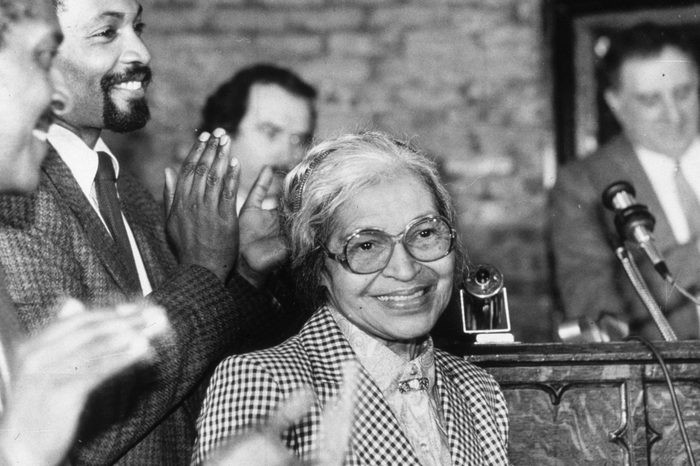
Rosa Parks: Wouldn’t give up her seat
Tired from a full day’s work, Rosa Parks boarded a Montgomery bus on December 1, 1955 and forever became one of the inspirational people who changed the world. When she refused to obey the driver’s order to give up her seat and move to the back of the bus so a white person could sit there, she was arrested for civil disobedience. Parks’ act of defiance, and the Montgomery Bus Boycott that followed, are recognized as pivotal moments in the civil rights movement. Here are 13 human rights that still aren’t universal—but should be.
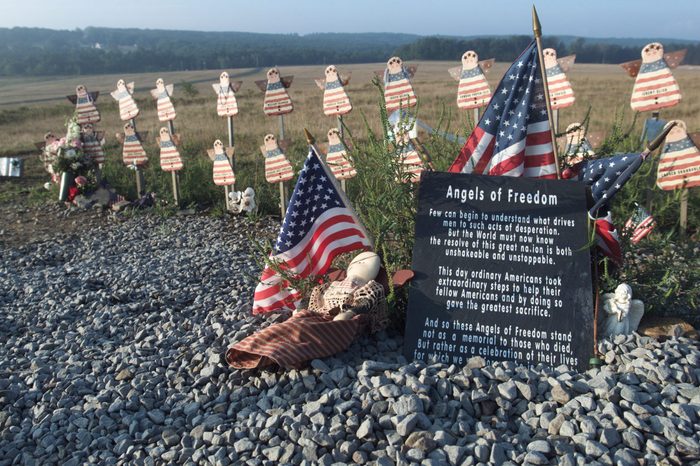
Todd Beamer and the passengers of Flight 93: Fought back against 9/11 terrorists
When account manager Todd Beamer and the other passengers on United Airlines Flight 93 realized their plane had been seized by terrorists, they worked quickly and courageously to reclaim control. Flight 93 crashed in a field in Shanksville, Pennsylvania, but the passengers’ brave resistance galvanized America at its darkest moment since the attack on Pearl Harbor.
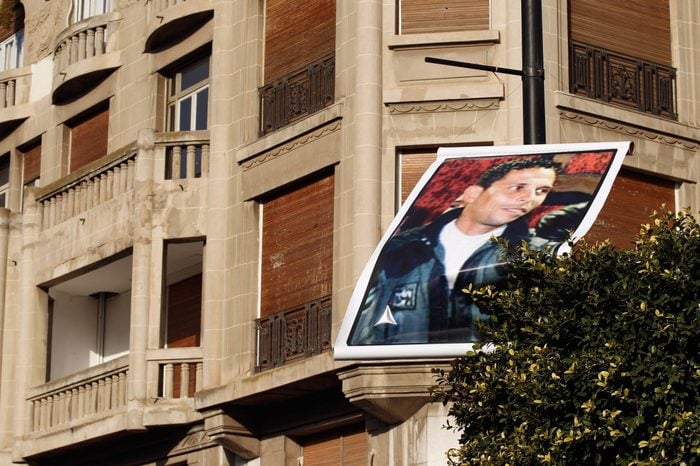
Mohamed Bouazizi: Sparked a revolution
Tunisian street vendor Mohamed Bouazizi never had any dreams bigger than saving enough money to rent or buy a pick-up truck, but he became one of the inspirational people who changed the world. When he set himself on fire out of desperation in December 2010, he became a symbol of the suffering of all Tunisians. Bouazizi’s death inspired the nationwide unrest that resulted in the overthrow of Tunisian dictator Zine El Abidine Ben Ali. The Tunisian uprising, in turn, led to the Arab Spring movement that ultimately toppled regimes in Egypt and Libya.
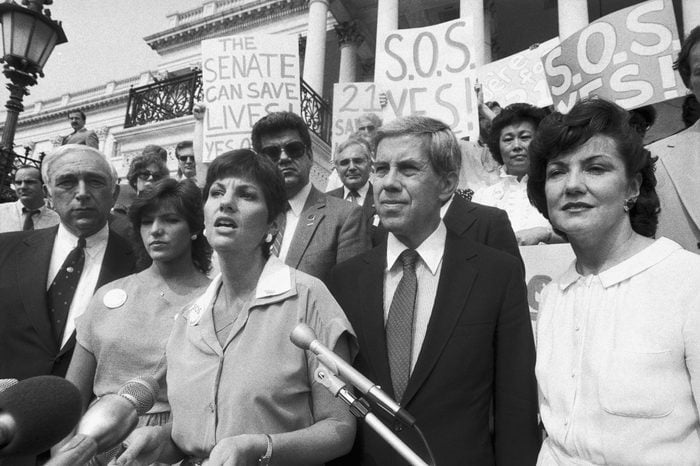
Candy Lightner: Stood up against drunk driving
After her 13-year-old daughter was killed by a repeat DWI offender, Candy Lightner founded Mothers Against Drunk Driving (MADD) in her home on March 7, 1980. Before MADD, there were little to no legal consequences for driving while intoxicated; her organization transformed American attitudes about drunk driving and successfully fought for stricter laws across the country.
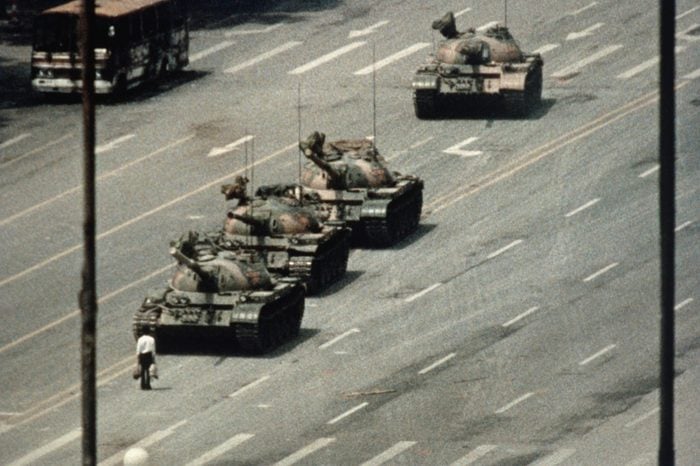
Tiananmen Tank Man: Faced down the Chinese army
We’ve all seen the powerful image of a man standing directly in front of a tank near Tiananmen Square in China, but he was never identified. The photo was taken on June 6, 1989, the day after China’s bloody crackdown on student protesters. Despite his anonymity, Tank Man has become an internationally recognized symbol of resistance to government oppression. Don’t forget that there are also some of the bravest dogs in history.
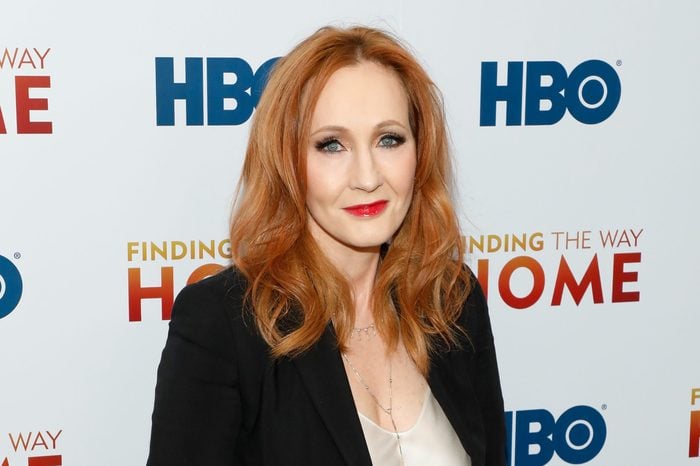
J. K. Rowling: Inspired a new generation of readers
Newly divorced and struggling to make ends meet, single mom Joanne Rowling turned to work on the novel she had been outlining for five years. She never thought she would find herself among other people who changed the world and influenced generations of people. Harry Potter and the Sorcerer’s Stone was published in 1997 under the name J.K. Rowling—her publisher didn’t believe a woman’s name would appeal to young boys. Seven books and more than two decades later, Harry Potter has shattered sales records and enthralled millions of readers of all ages. Here are 57 more trailblazing women who made history with these female firsts.
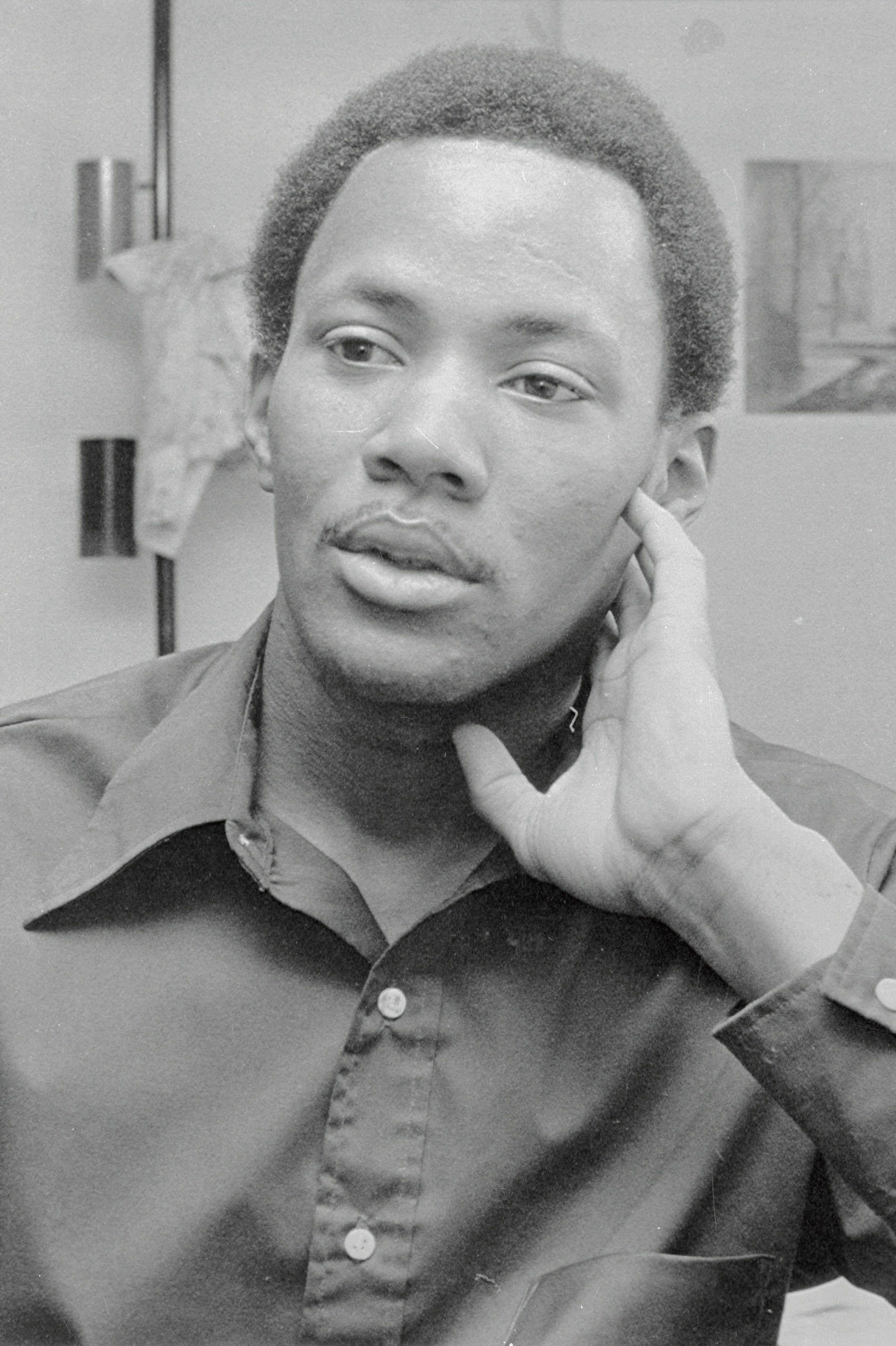
Frank Wills: Did his job…and brought down a president
On June 17, 1972, security guard Frank Wills was making his midnight rounds at the Watergate office building in Washington, D.C. when he noticed tape over the lock of a basement door. Thinking another worker had left it there accidentally, he removed it. Wills later found tape again in the same place. He called the police, and the rest is history. Two years later, President Nixon resigned in disgrace over his involvement in the coverup of the Watergate break-in. The Watergate scandal was one of the biggest lies in history.

Ryan White: Raised awareness of AIDS
Ryan White, a teen from Indiana, was a hemophiliac who contracted AIDS through a blood transfusion. He passed away at 18, with family and Elton John by his bedside. Through his struggle with the disease, White became the new face of the epidemic, debunking the myth that AIDS afflicted only drug users and the sexually promiscuous. His fight for fair and equal treatment from his public school system helped expose the discrimination faced by AIDS patients and made him one of the inspirational people who changed the world. While you might not have learned this in school, you probably haven’t seen these rare history photos that you won’t find in textbooks, either.
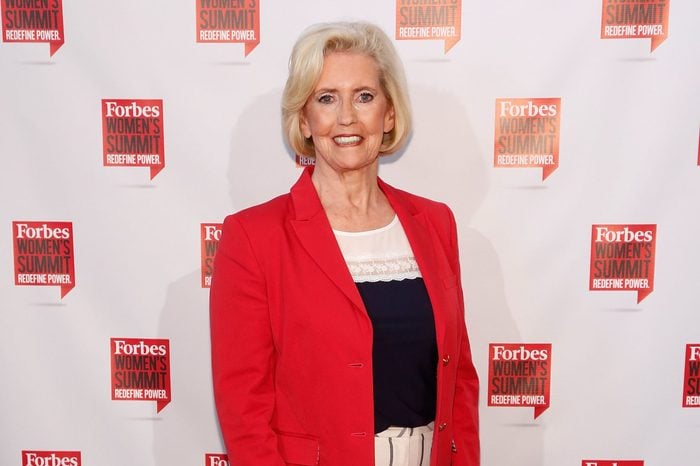
Lilly Ledbetter: Fought for equal pay
Upon retiring from Goodyear after nearly 20 years, Lilly Ledbetter sued the company in 1998 for paying her less over the years than her male coworkers. The lawsuit climbed the judicial ladder until it reached the Supreme Court. Although they did not rule in her favor, Justice Ruth Bader Ginsberg wrote a stirring dissent. Congress subsequently passed the Lilly Ledbetter Fair Pay Act in 2009, changing federal law to better protect women in the workplace. Here are 14 early feminist quotes that still resonate today.
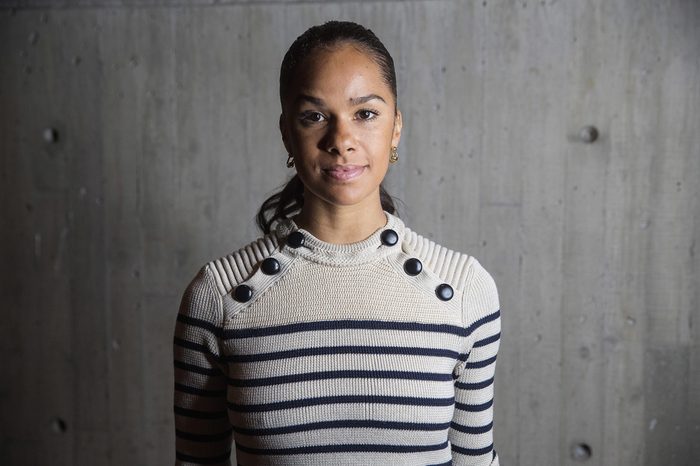
Misty Copeland: Provided representation in the arts
Ballet originated in 16th century France and, like most art forms at the time, was reserved for the wealthy. Centuries later, Misty Copeland became one of the inspirational people who changed the world by proving that ballet wasn’t reserved for just the white or wealthy. Copeland began dancing at the late age of 13 and received her training from a local Boys & Girls Club. Despite cultural norms stacked against her race, body type, and background, Copeland became the first African American principal ballet dancer (the highest role of a ballerina) at the American Ballet Theater, the first in the company’s entire history. She has changed the way the world imagines ballerinas. We bet you didn’t know these famous middle children.
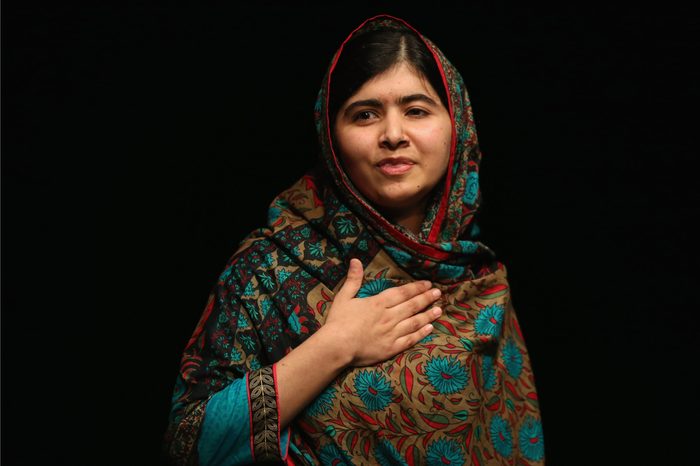
Malala Yousafzai: Fights for better education for women
Born in Pakistan, Yousafzai learned early on about the importance of education from her father, a teacher at a girls’ school. When the Taliban took control of her town in 2008, they prohibited girls from going to school. Yousafzai publicly spoke out against it and was shot on the left side of her head for standing up for what she believed in. After months of recovery and moving to the United Kingdom with her family, she refused to hide in fear, instead, using her voice to start the Malala Fund, a charity dedicated to ensuring every girl has the opportunity to go to school. At 17, she became the youngest person to ever receive the Nobel Peace Prize.
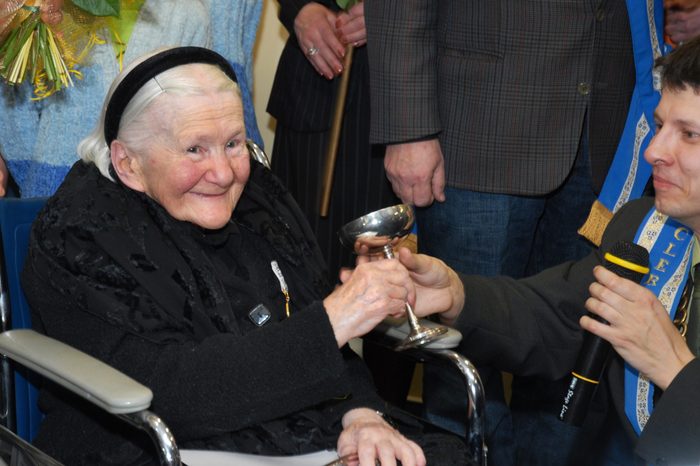
Irena Sendler: Freed Jews in Poland
When Nazi Germans invaded Warsaw in 1939, Sendler, a 29-year-old Polish social worker, offered frightened Jews food and shelter. She even pretended to be a nurse to get inside the Warsaw Ghetto and, working with the underground organization Zegota, helped free an estimated 3,000 Jewish children. In 1943, she was arrested and tortured by the Nazis but refused to give up any information about the rescues. After reading about these inspirational people, don’t miss these 10 historical figures you’ve been picturing all wrong.
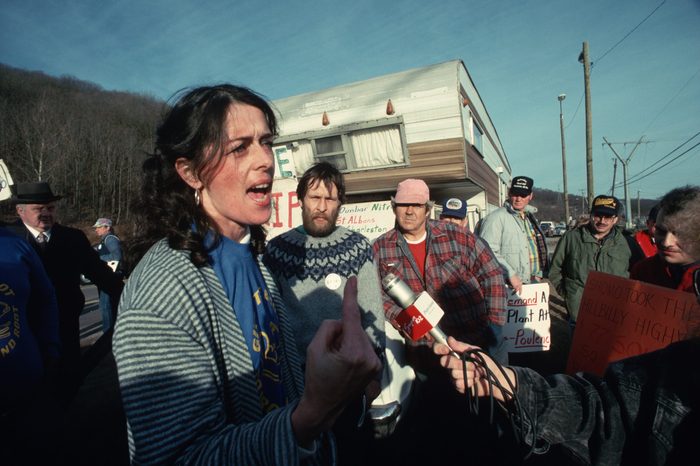
Lois Gibbs: Protected families from toxic waste
This 1970s housewife in Niagara Falls, New York, had two children with very rare illnesses. In fact, almost all her neighbors in what is now called the Love Canal neighborhood also faced a serious medical problem. After learning that they lived next to 20,000 tons of toxic chemicals and that no organization existed to address this problem, Gibbs founded the Citizens Clearinghouse for Hazardous Waste, now known as the Center for Health, Environment, & Justice. Thanks to her, more than 800 families were evacuated, and the cleanup of the Love Canal began. If it weren’t for Gibbs, there would be no U.S. Environmental Protection Agency Superfund to clean toxic sites around the country.
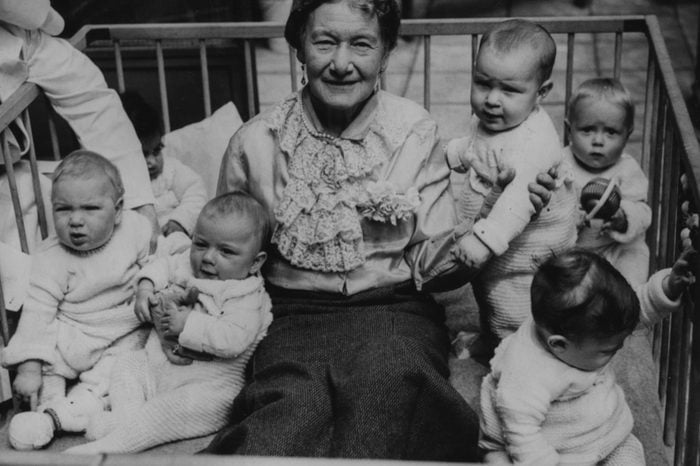
Agnes Baden-Powell: The visionary for Girl Guides
Baden-Powell was the younger sister of Robert Baden-Powell, the founder of the Boy Scouts Association. She helped establish the Girl Guides Association in the United Kingdom. in 1910 after a group of girls attended the first Boy Scout rally, calling themselves Girl Scouts. In the following years, Girl Guides appeared in other European countries, and Girl Scouting was established in the United States. Because of the efforts by Baden-Powell, girls and young women around the world now have the chance to grow physically, mentally, and spiritually through the Scout movement. Learn about moments that changed women’s history, forever.
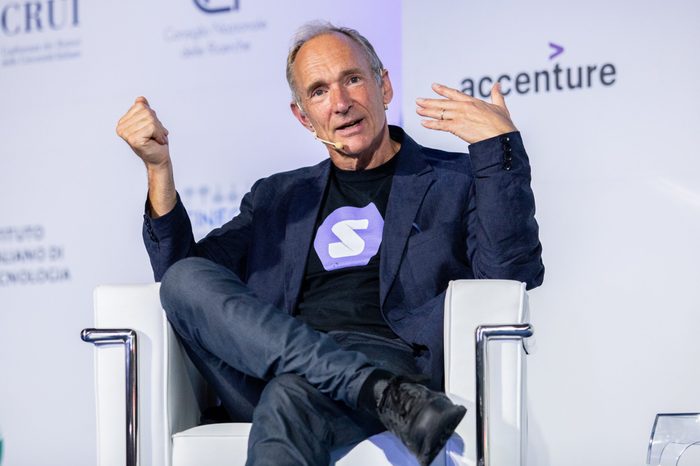
Sir Tim Berners-Lee: Creator of the World Wide Web
You are only able to read this article thanks to the development of the World Wide Web in 1994 at MIT’s Laboratory for Computer Science. But whom do you have to thank for that? Berners-Lee, an average British computer scientist. In the late 1980s, he proposed a project that combined hypertext (the system that allows you to click on links and open other webpages) and the internet. His goal was to allow researchers a place to share information online so that others could see it any time of the day. The end result was the World Wide Web we know and rely on today. He was knighted by Queen Elizabeth II in 2004, and the British Council named his invention the No. 1 moment that shaped the world. Next, don’t forget to check out these split-second decisions that changed history.

