


16 Stunning Photos of Naturally Pink Animals

Updated: Jan. 06, 2023





Have you been lucky enough to see one of these brightly colored animals in the wild?
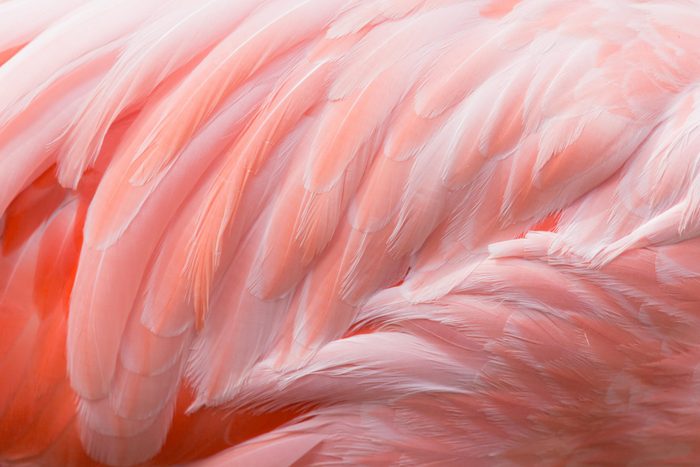
The power of pink
You rarely come across a pink animal in the wild, but there are some out there. Take a look at these naturally pink animals. Another stunning pink sight to see, beaches. These are the most gorgeous pink sand beaches in the world.
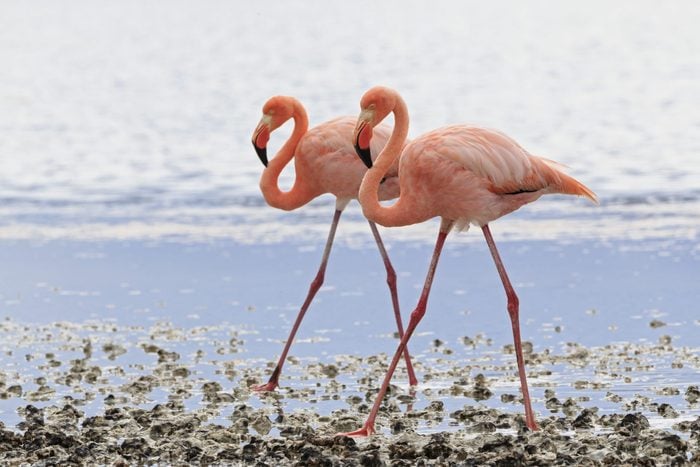
Flamingo
When you think of pink animals your mind probably goes right to a flamingo. These brightly-colored birds are born with gray feathers that turn pink over time because of a natural dye that they get from their diet of brine shrimp and blue-green algae. These are the most colorful animals in the world.

Pink Manta Ray
Photographer Kristian Laine recently captured this breathtaking image of the world’s only pink manta ray. From fin to fin it measures 11 feet and it lives near Lady Elliot Island, which is part of the Great Barrier Reef. The manta ray’s nickname is Inspector Clouseau after The Pink Panther. To see more of Laine’s stunning underwater shots, follow him on Instagram or Facebook.
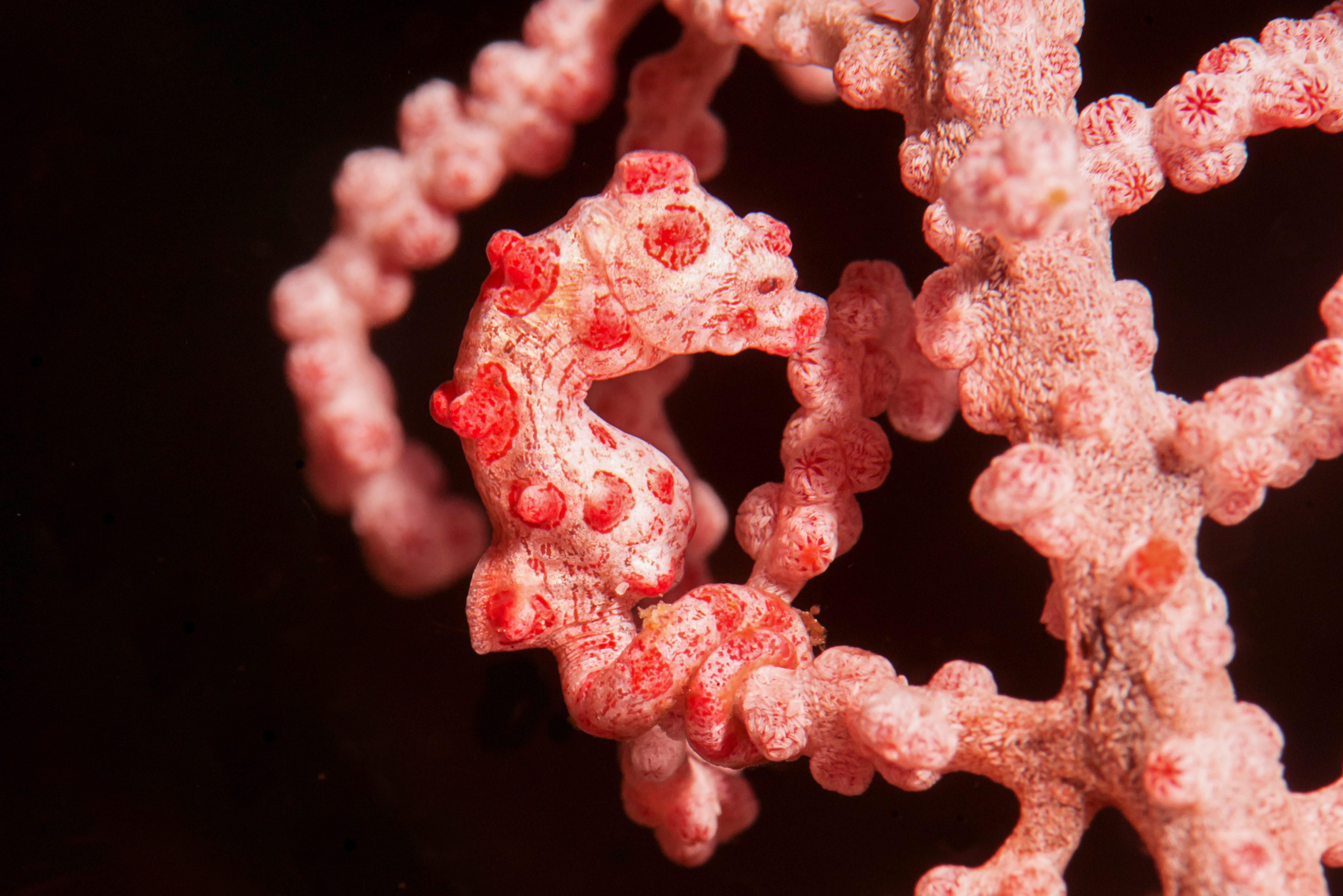
Pygmy Seahorse
This pink sea creature, also known as Bargibant’s pygmy seahorse, is so small and well-camouflaged that it wasn’t discovered until 1969 when a marine biologist stumbled across it while studying coral. It only grows to a maximum length of .94 inches. It has protuberances on its body that can match the color and shape of the coral it’s living in. You find the pygmy seahorse to either be purple with pink protuberances or yellow with orange protuberances.
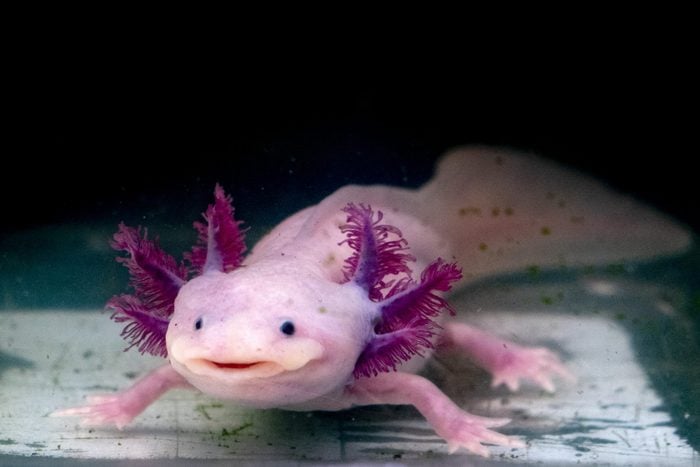
Axolotl
The axolotl salamander is different from other salamanders because it keeps its tadpole-like dorsal fin and external gills throughout its entire life. They also live in the water their whole lives living at the bottoms of lakes and canals. Axolotls come in a few different colors. If they are pink it was a trait passed down from their parents, similar to a dog’s coat. These 9 animals can actually change color.
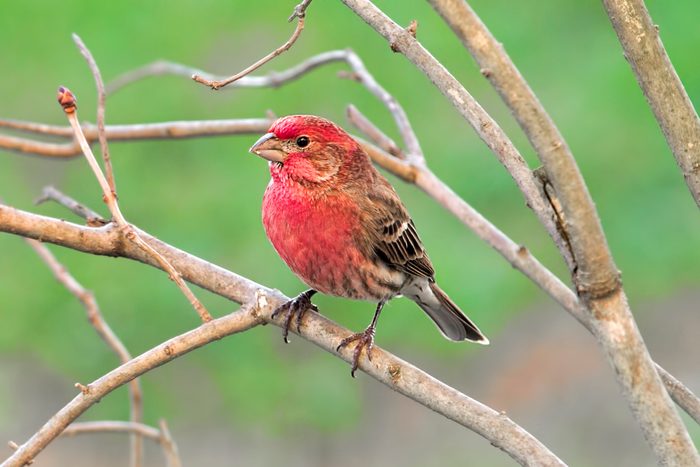
Pine Grosbeak
The pine grosbeak is a plump finch with a round head. The males are the ones that are pinkish-red and gray and the females are gray with reddish-orange or yellow markings.
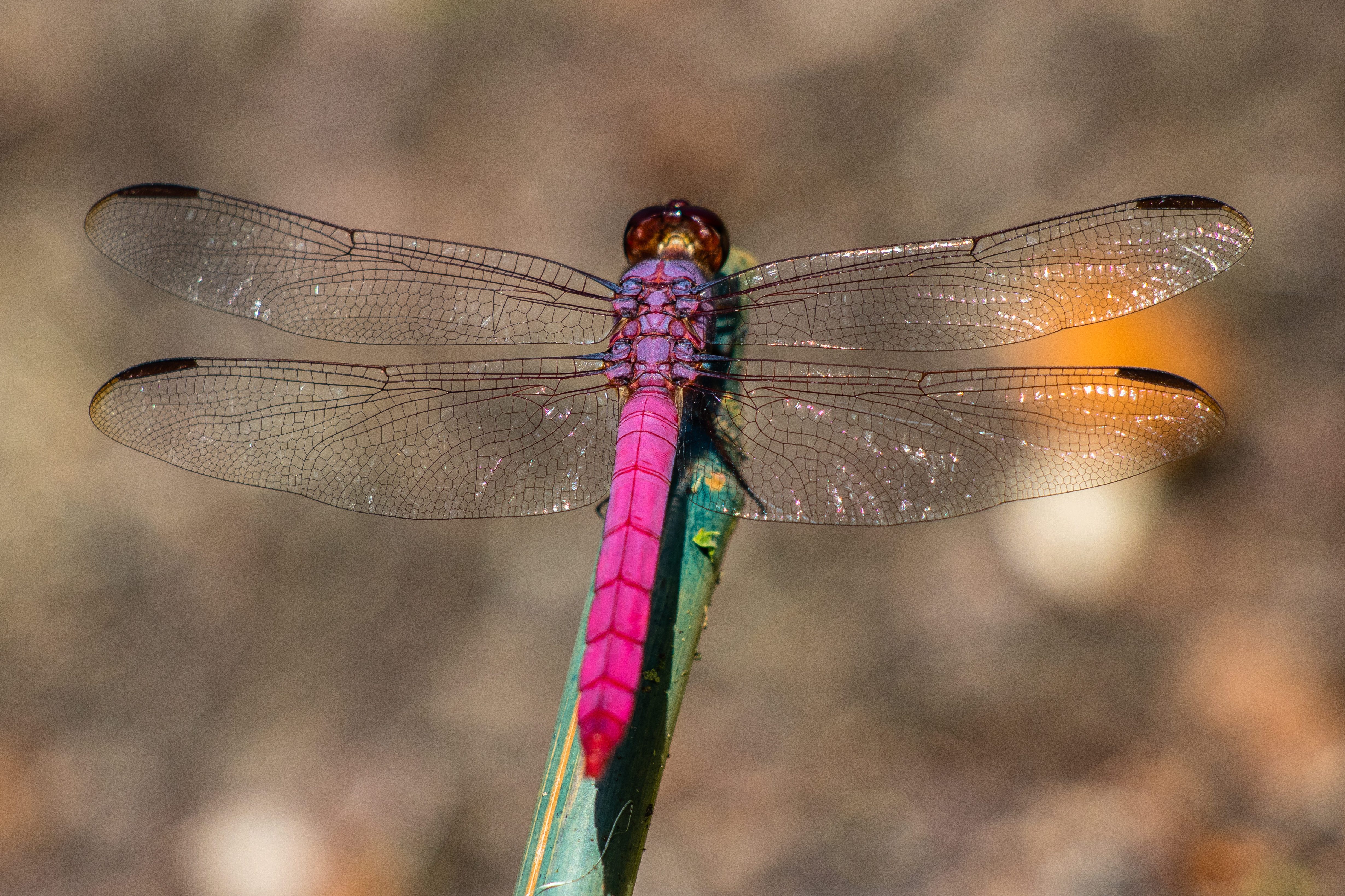
Roseate Skimmer
Despite its pretty appearance, the roseate skimmer is a deadly predator. They live in North America and South America in open ponds and areas with a slow stream of water to feast on insects throughout the day. You don’t want to miss these amazing animal photos.
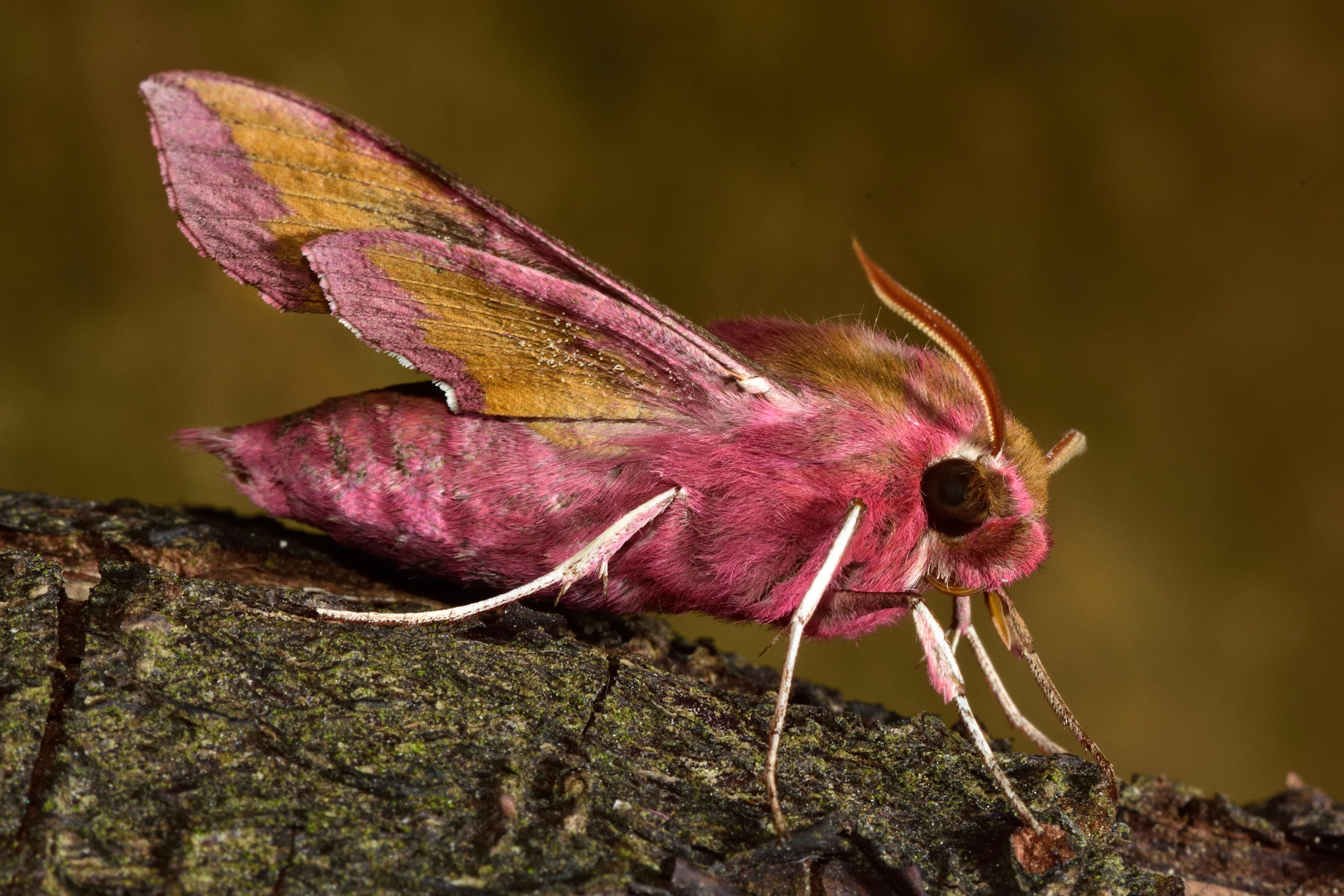
Small Elephant Hawk-moth
This pretty pink moth is known as the small elephant hawk-moth and it can be found in England, Northern Ireland, Scotland, and Wales. They start their lives as gray caterpillars and then transform into pink and olive-colored moths. Don’t confuse the small elephant hawk-moth with the elephant hawk-moth which is bigger and more of a greenish tint.
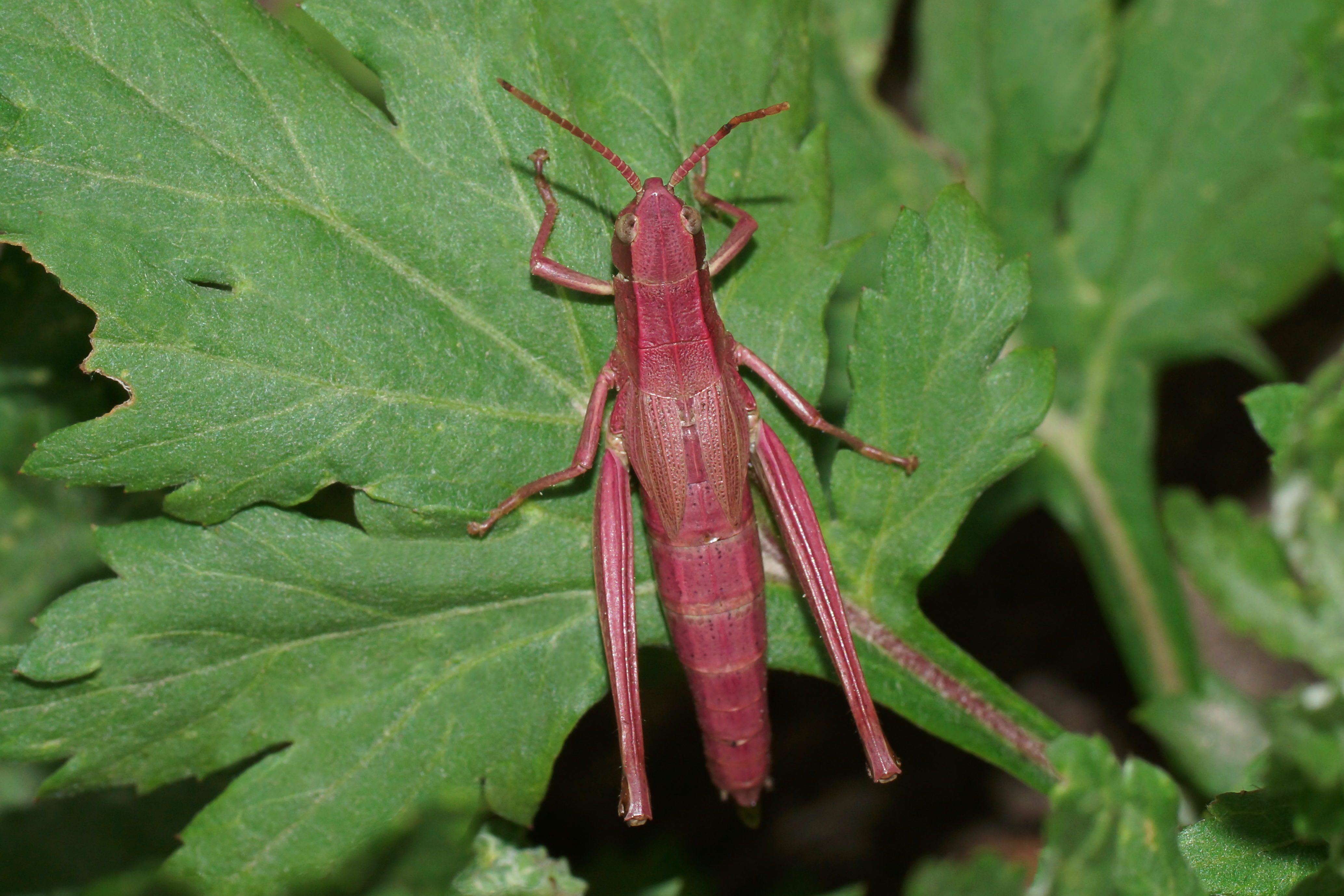
Katydid
You’ll rarely find a pink Katydid, they are typically green. Some are pink due to genetic mutation known as erythrism, which causes a reddish pigmentation that affects the skin, body, hair, feathers, or eggshells of an insect. These are the most strikingly beautiful photos of animals in the wild.
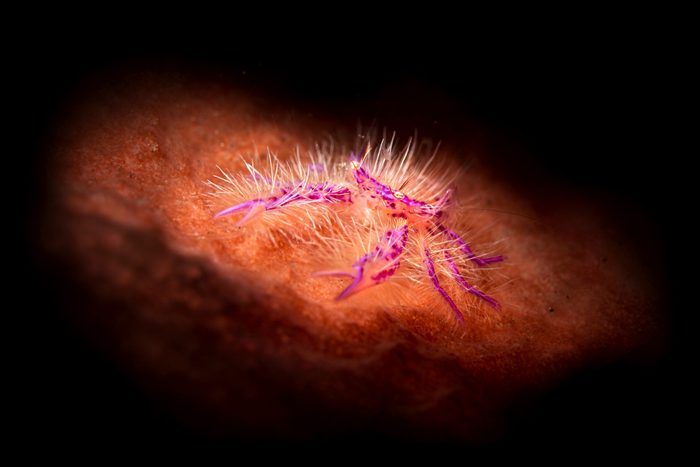
Hairy Squat Lobster
Isn’t that a funny name? These small sea creatures are found in the western Indo-Pacific oceans and are only about half an inch long. It has a translucent body with pinky-purple legs, and purple spots and white hairs covering its body.
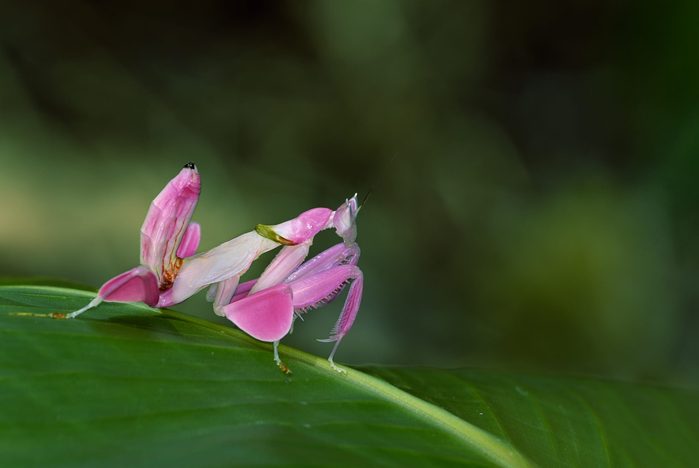
Orchid Mantis
The beautiful pink and white orchid mantis doesn’t actually live on orchids, but it does resemble the petals of the flower closely. It can be found in Malaysia and uses its unique colors to blend in with flowers around it. You probably have these “facts” about animals all wrong.
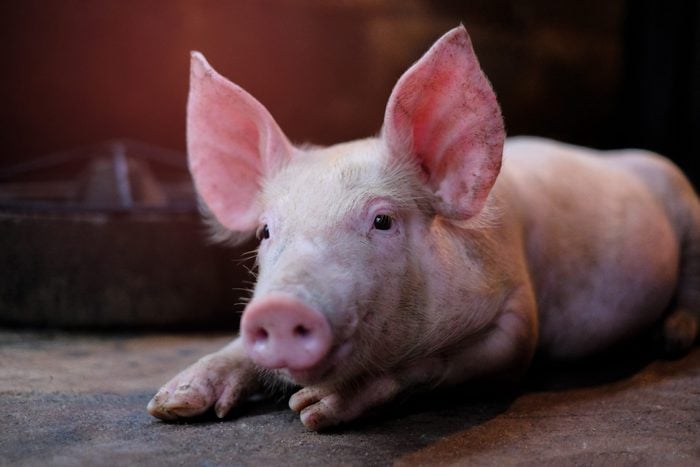
Domestic pigs
Pink pigs actually came to be when farmers would breed lightly colored domesticated pigs. They are pink because of a gene mutation that causes them to stop making melanin.
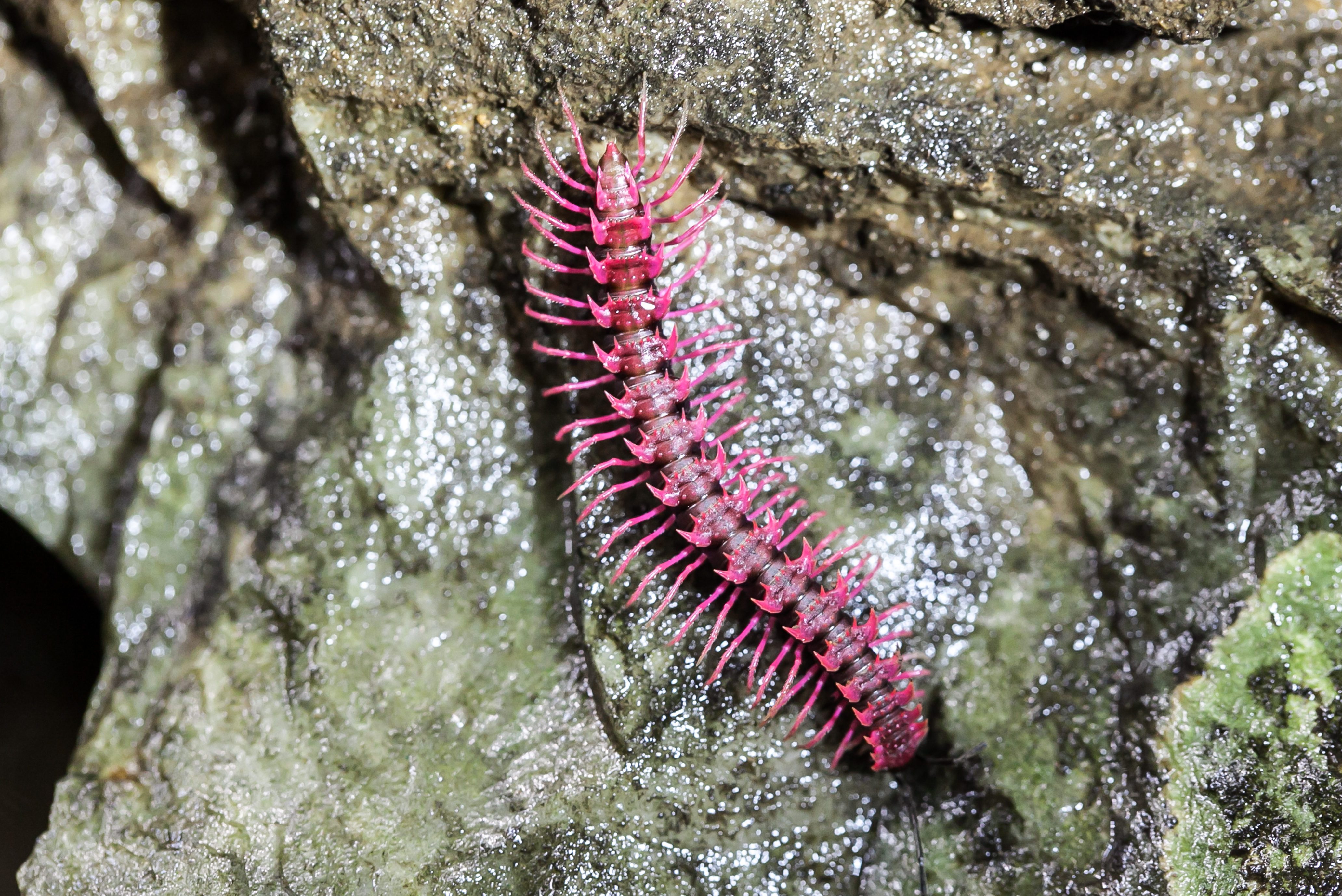
Pink Dragon Millipede
This millipede was first discovered in Thailand and named for its shockingly bright appearance. Their glands produce hydrogen cyanide to fend off predators which gives them their pink color.
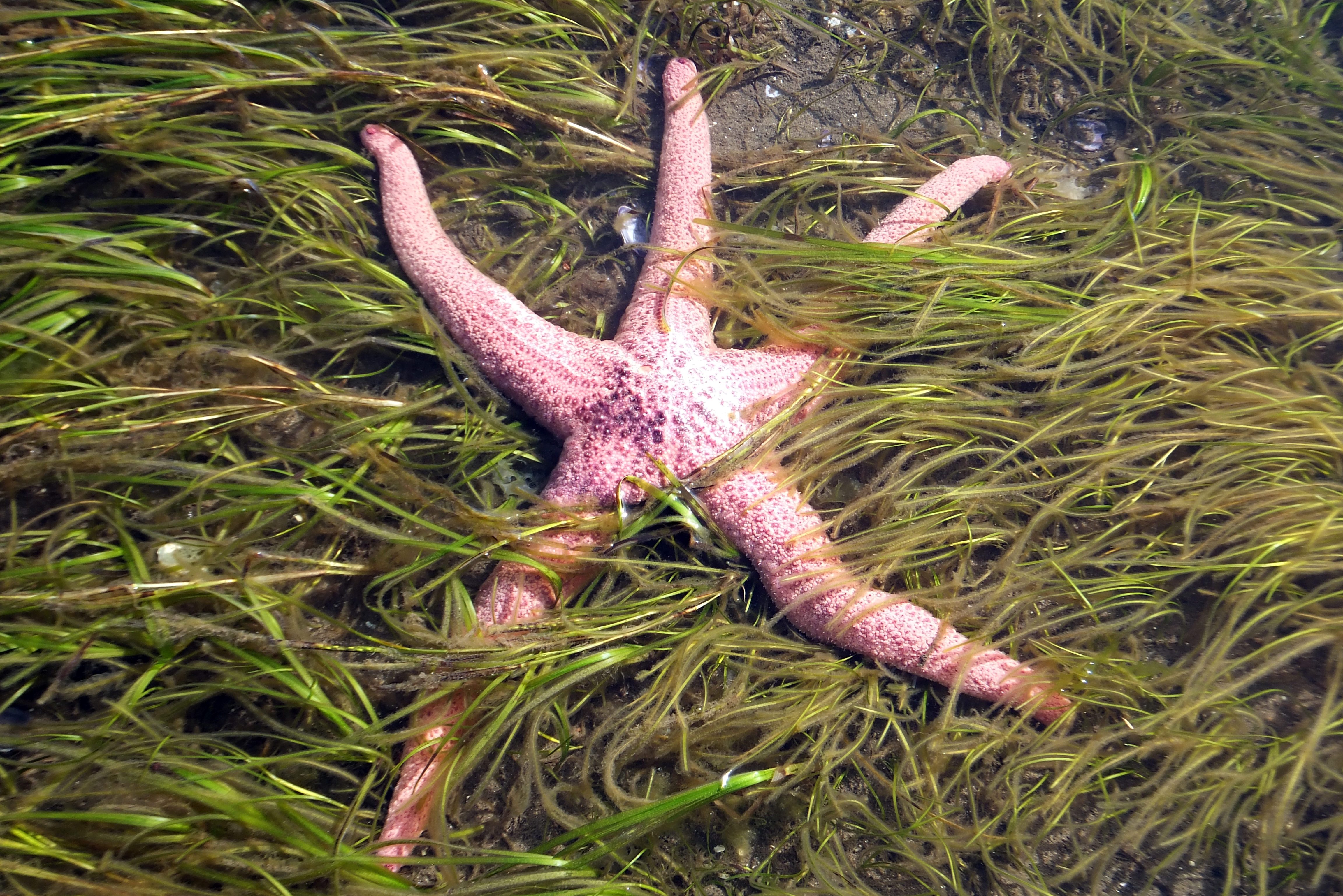
Sea stars
Sea stars come in a variety of different colors and live in all of the world’s oceans. They come in such bright colors to help them camouflage against or scare off predators. Marine biologists decided to rename starfish to sea stars since they are not a fish. These are the most colorful animals in the ocean.
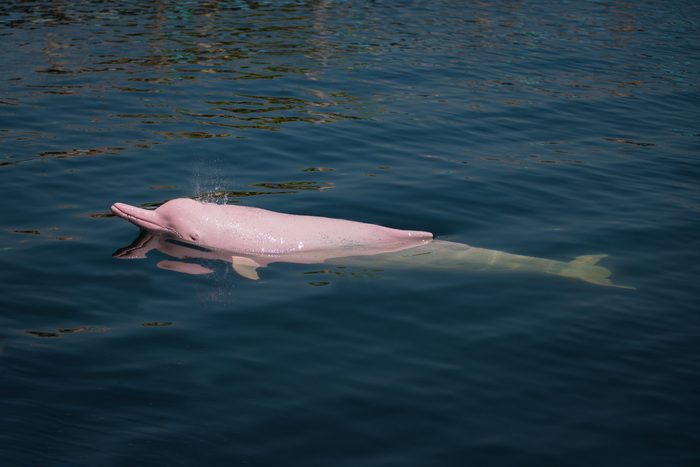
Amazon River Dolphin
Amazon river dolphins are born gray and become pink with age. This happens because as they get older, their skin becomes more translucent which allows the blood to show through giving them a pinkish color. When they get excited they might become a brighter shade of pink just like humans faces when they get embarrassed.
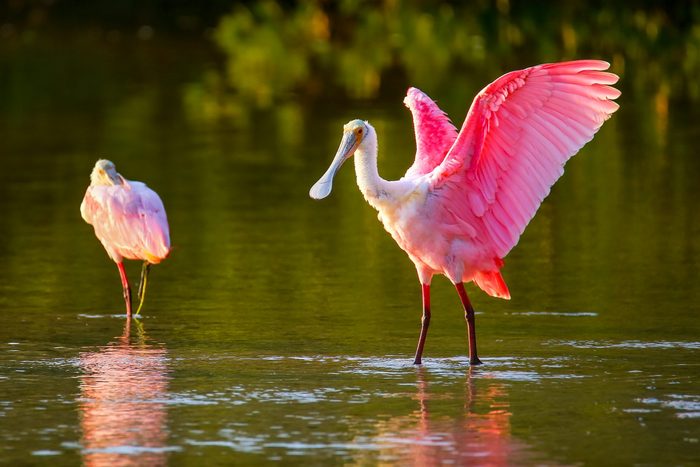
Roseate Spoonbill
The roseate spoonbill looks like a smaller flamingo with a shorter neck and spoon-like bill, hence its name. Just like flamingos, they get their pinkish color because of their diet.

Nudibranch
There are over 2,000 known species of nudibranch and the come in a variety of vibrant colors. They can be found in oceans around the world, but are most commonly found in shallow, tropical waters. Now, take a look at the most stunning deep sea sights in the world.
Originally Published: April 13, 2020
