


25 Things in Your House Right Now That Could Be Worth Money

Updated: Jan. 20, 2023





You may want to spring clean your house, barn, garage, or attic, because these ordinary things could be worth money.
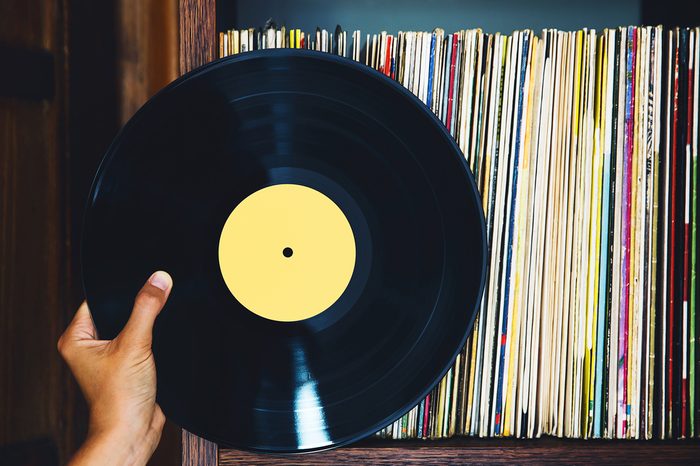
Vinyl
Vinyl is back, baby! National events like the yearly Record Store Day have hipsters and older people alike standing in line for special sales on limited release titles and sought after vintage vinyl. But it’s hard saying what your collection may be worth. “Some records won’t sell for more than 50 cents while coveted first pressings can command thousands of dollars,” says Dan Orkin, who manages the Reverb Price Guide. And even if they’re not that much, they can fetch a good chunk of change, like a 1957 Elvis’ Christmas album that was listed for $149 on Reverb. Check out 10 albums that are worth a fortune today.
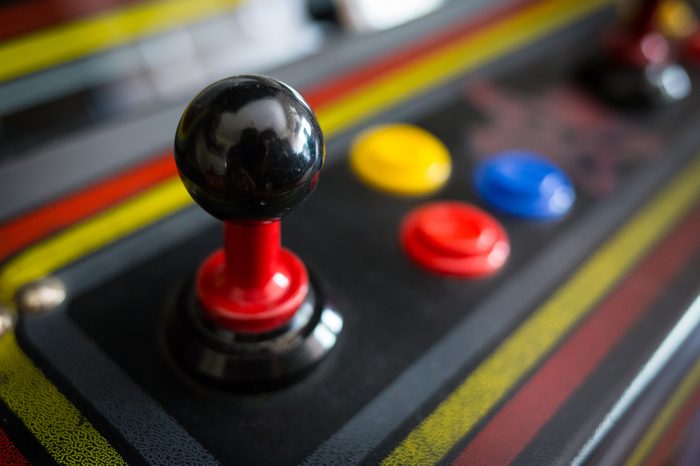
Arcade games
That old arcade game that you dragged from your parents’ attic to your current house’s attic may be worth some change, even if it’s not working. According to Seth Peterson, co-founder and CEO of All You Can Arcade, a nonworking arcade game can still fetch a $100 to $400. Working games range from $600 to $2,500. Some titles are hotter than others right now. “Asteroids is an awesome title with high replayability and is worth $1,000,” says Peterson. “The value of Pong has quadrupled in the last four years and is approaching $2000.”
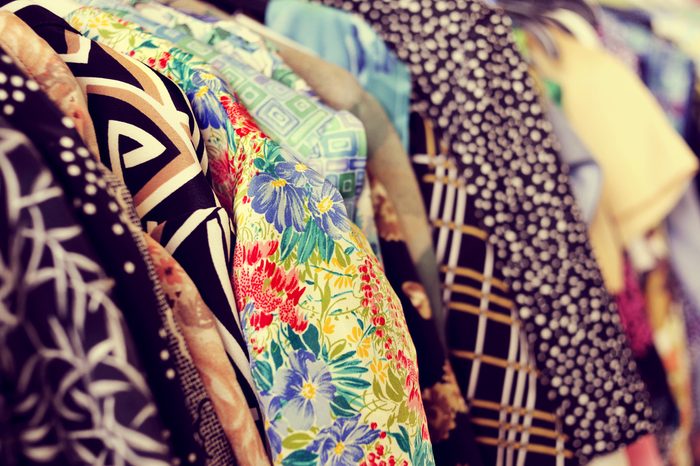
Retro/Vintage T-shirts
Those T-shirts you just couldn’t part with from your youth could be worth a whole lot more than you originally paid for them. “Concert, advertising, and shirts with a cool scene are all the rage,” says Reyne Hirsch, long-time appraiser on PBS’ Antiques Roadshow. A Prince T-shirt on Poshmark sold for $380 and a 1990s Mario Brothers Nintendo 64 Game T-shirt sold for $150. Here are some tips and tricks for finding the perfect vintage gem at thrift stores.
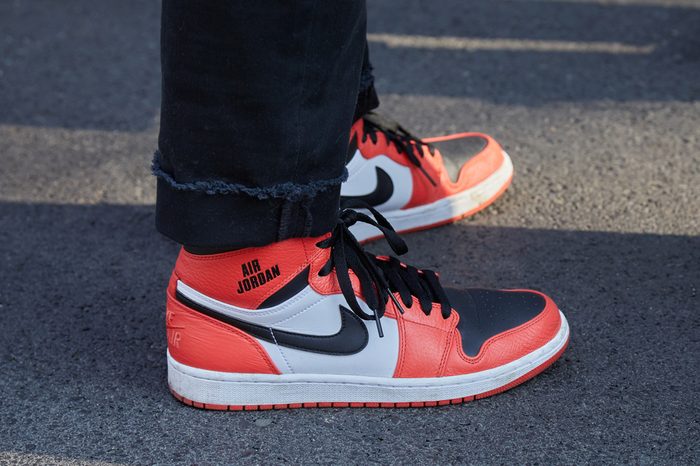
Air Jordans
You begged for them, saved up your allowance, and babysat for endless evenings in order to buy those coveted Air Jordans. Was it worth it? Hirsch says you could have a slam dunk of cash in your soles. “Early Air Jordan sneakers can sell for hundreds if not thousands of dollars, depending on which model and the condition.” Check out 8 cheap items you can buy today that will be worth a fortune later.
Turntables
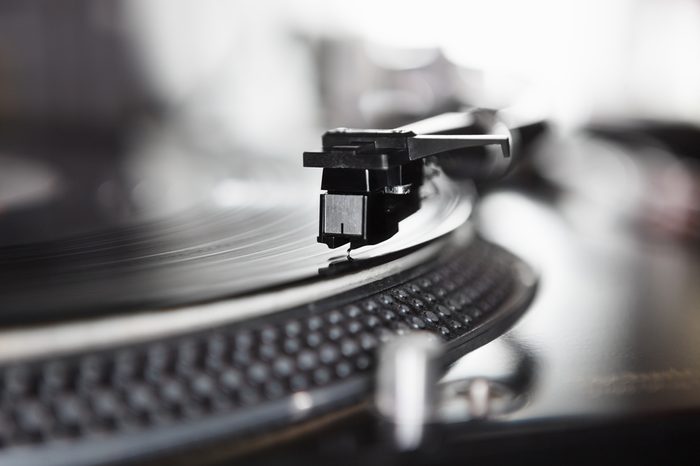
Lovers of vinyl need something to spin their tunes on so they could be anxious to get your old turntable. “Stereo equipment has recently been selling quite well online, especially vintage turntables and stereo receivers,” says Orkin. Check out online sources like Reverb or eBay to see what similar turntables have sold for if you want to part with yours.
1980s and 1990s furniture
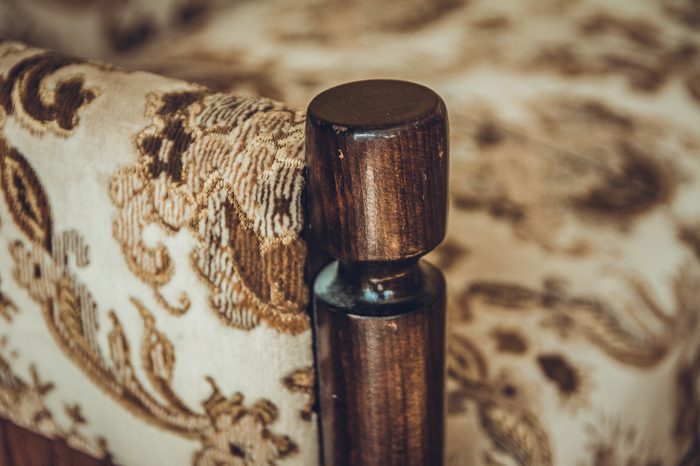
We’ve seen the return of mid-century modern in interior design but it could be on its way out. “What is starting to come into favor is furniture from the 1980s and 1990s,” says Hirsch. “Styles we remember from our childhood are the first things we gravitate towards when we go to furnish our own homes. It’s all about nostalgia,” says Hirsch.
Depression glass
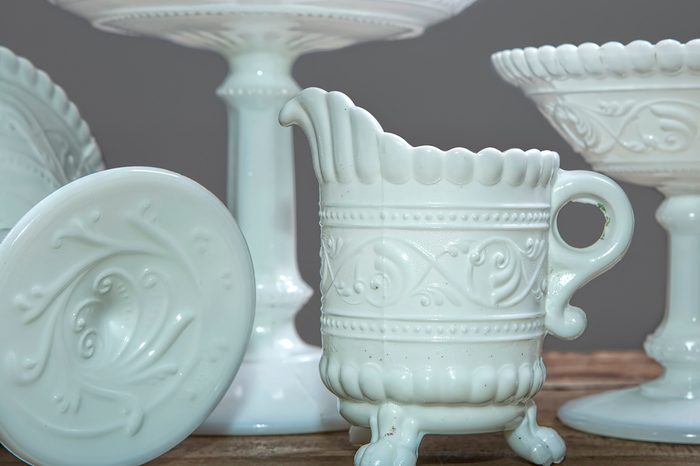
Also known as American Sweetheart, depression glass is something to be happy about. Some patterns and colors are more desirable than others, so if you have a rare color or pattern it could be very valuable; the American Sweetheart pattern is especially valuable in ruby red or cobalt blue, says Hirsch. You can expect to fetch around $30 to $75 dollars a piece. Full sets, like the American Sweetheart eight-piece tea set, sold on eBay for $405, says Reyne.
Cookie jars
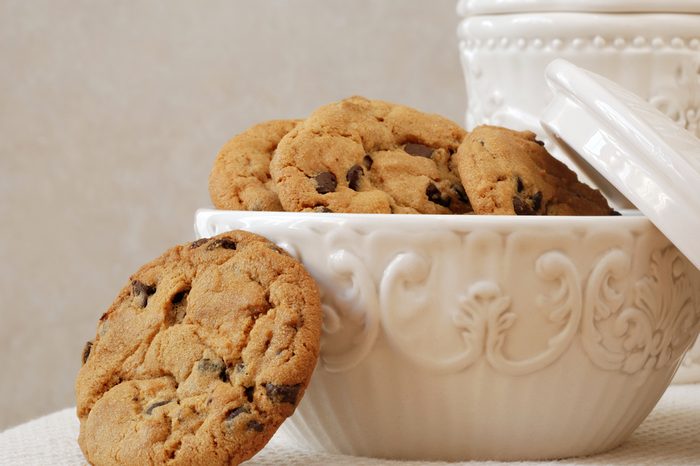
That old cookie jar on your countertop is a hot collectible right now, Hirsch says, if it’s from the ’40s or ’50s. An Uncle Mistletoe Marshall Fields cookie jar from the 1950s sold for $1,200. But you don’t have to have a Marshall Fields version to reap the cash: Hirsch says that cookie jars in the shape of a popular figure, like an iconic cartoon figure, go for $200 to $500.
Fender and Gibson guitars
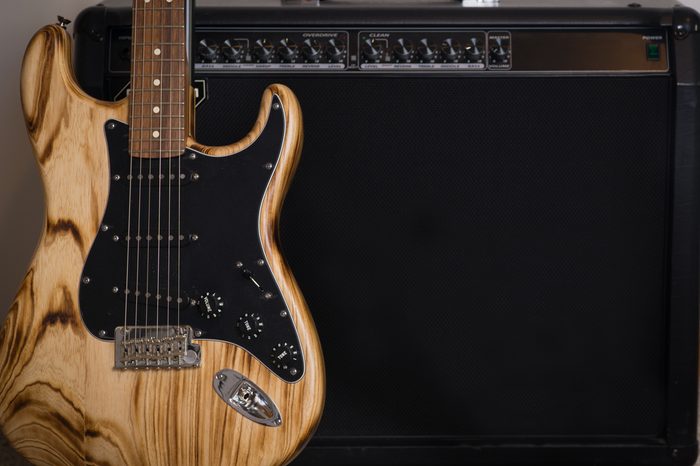
You may have given up your ambitions of being in a rock band, but that Gibson you plunked down cash for in high school is probably worth some serious bread today. “Vintage guitars from Fender and Gibson have remained popular over the years because they’re easily the two most recognizable guitar brands,” says Orkin. The price range is incredibly vast, but on Reverb, Orkin notes, Gibson guitars are consistently being bought and sold. A Gibson Les Paul from the 1950s can claim prices in the hundreds of thousands, Orkin says, while less sought-after brands and models may fetch hundreds.
Watches
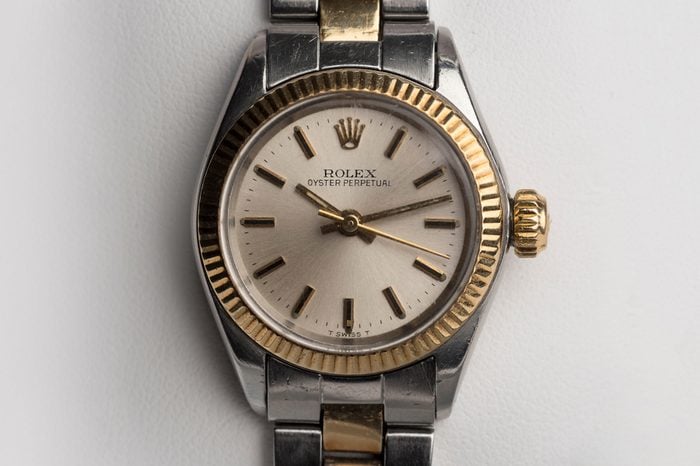
“Watches are a lot like fancy cars—the big names are what you’re looking for,” says Dietrich. But it’s the men’s watches that people collect. Women’s watches are jewelry and fashion and just not as desirable, she points out. And the more complex the men’s watch, the more valuable it could be. “Hand wound, gold or platinum, more jewels, moon phases, stopwatch functionality, day and time, etc., are what buyers are looking for,” notes Dietrich. You’ll do even better if you have a Rolex, Patek Philippe, LeCoultre, Vacheron Constantin, or Movado.

Books
“Books are one of the biggest antique goldmines,” says John Linden, lead designer at MirrorCoop whose work includes interior design with vintage and antique decor. “Collectors pay a lot of money for first-edition copies of certain books. A first-edition copy of James Joyce’s Ulysses, for example, is valued at around $8,000; while there were only 1,000 copies printed, those books pop up all the time, says Linden. If you own one of these rare books, you’re sitting on a gold mine.
Costumes and masks
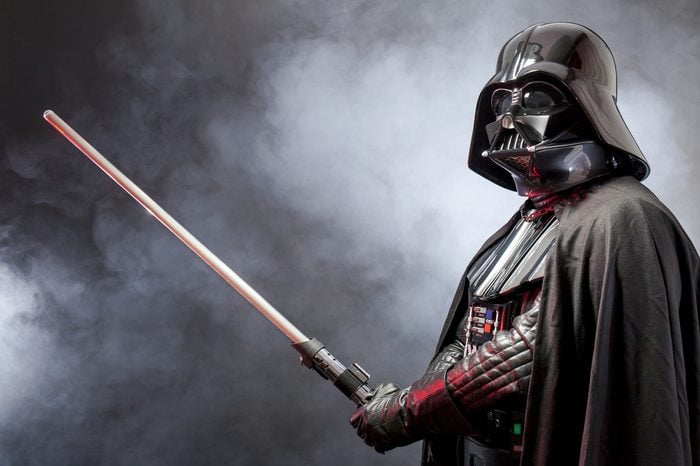
“Vintage Halloween masks and costumes are fun and collectible, but not worth a ton of money,” says Gary Germer, owner and appraiser with Gary Germer & Associates. A Darth Vader mask sold for $47 on the estate sales website EVERYTHING BUT THE HOUSE (EBTH)—EBTH. com; a set of Star Trek shirts sold for $91. Vintage holiday decorations can also be pretty valuable.
Old microphones
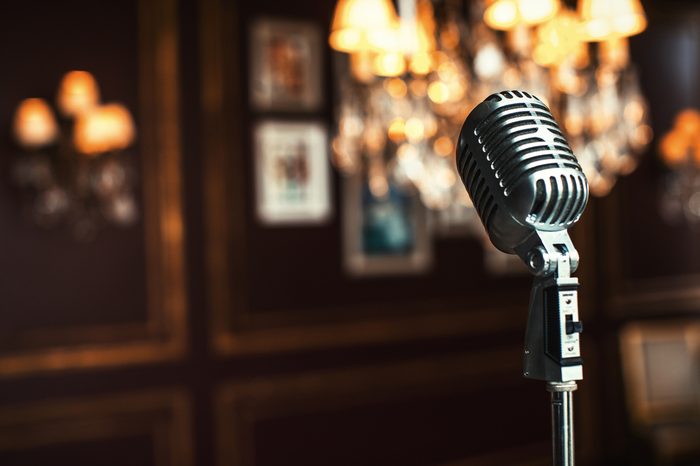
Some of us sang into hairbrushes while others used a real microphone. If you have a vintage microphone laying around, you could find a musician or music producer who would be willing to spend for it. Rare finds like the Neumann U-47 from the 1940s are worth tens of thousands of dollars online, Orkin says. But the vintage microphones most people are likely to find stashed away in a box is from a maker called Shure, which could probably fetch around $50, Orkin says.
Vintage cookbooks
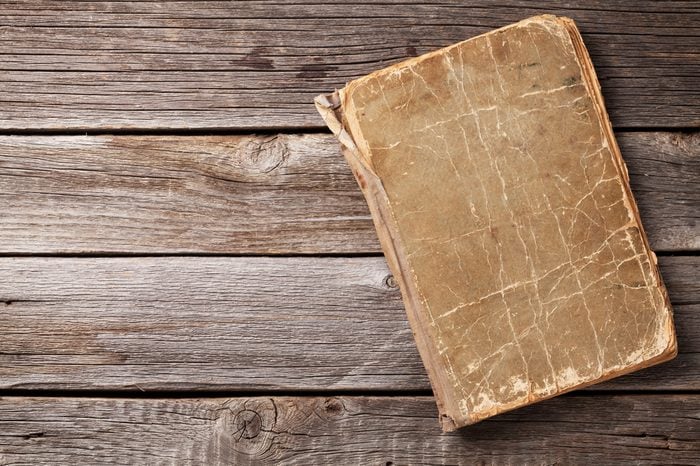
Take a closer look at the old cookbooks that have been handed down to you; even if they have been lovingly used in the kitchen, they could be worth some scratch. Linden says cookbooks that have gone out-of-print are highly valuable. And celebrity chefs like the beloved Julia Child are always in demand—Linden mentions that a 1961 first edition of Mastering the Art of French Cooking sold on AbeBooks for $2,000.
Pedal cars
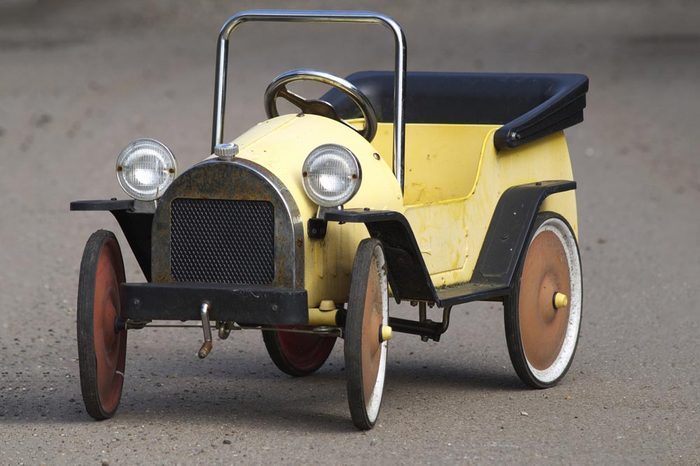
You hung onto your grandpa’s pedal car for nostalgic reasons, but depending on the age and condition, it could be a goldmine. Even with a little rust on it, a 1930 Lincoln pedal car is worth about $1,000, Germer says. These are the most valuable finds in Antiques Roadshow history.
Typewriters
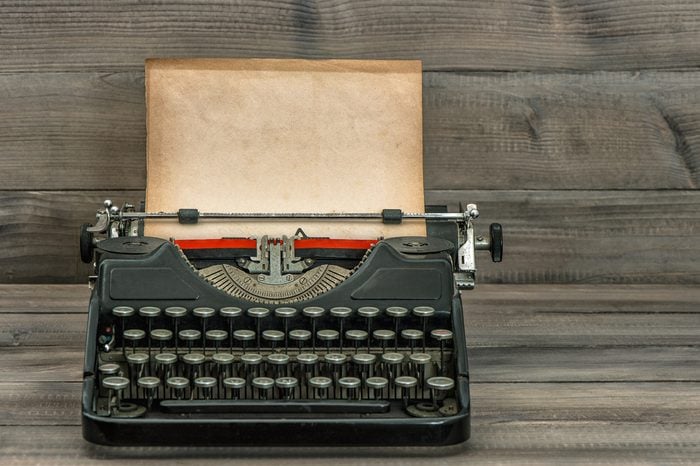
Germer says his nephew calls these “antique mechanical keyboards.” He adds that anything with gears, push buttons, and tubes are especially fascinating to the younger generation who have grown up in a wireless world. “Old typewriters need to be in working condition and will sell for $20 to $100; fully restored, in the low hundreds,” says Germer. Can you guess what these antique objects were used for?
Auto parts
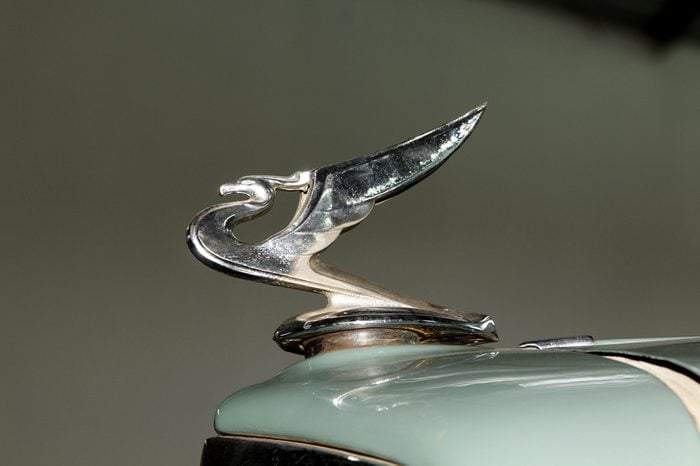
You might want to check under the tarps or in the rafters of your garage—there could be some dusty gems. “Hood ornaments, car vases, and hubcaps are the most collected for themselves because of decorative value. Headlamps and other body parts are often repurposed for the industrial design look,” notes Germer. A hood ornament in decent condition, for example, can draw $20, but if you discover a rare one, it could collect a tidy sum of up $2,500.
LEGOs
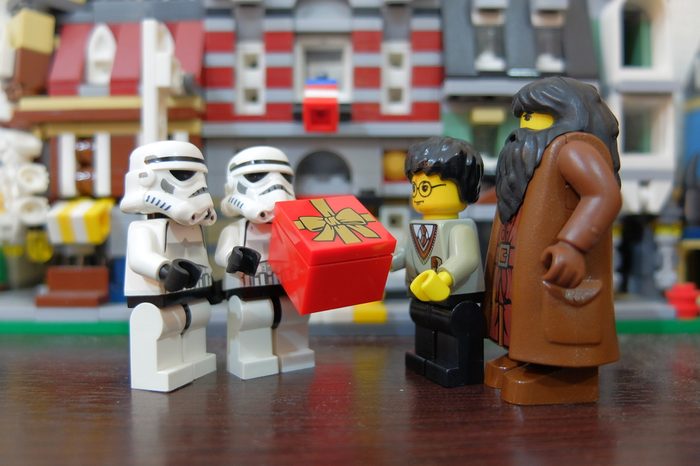
Maybe not the one you stepped on in the middle of the night, but specific LEGOs are worth their weight in gold. For example, the 2010 mini-figure Jessie from Toy Story 2 in like-new condition is selling for around $10 on Bricklink.com. A LEGO Harry Potter and the Order of the Phoenix Hogwarts Castle Set sold for $450. However, some of the most coveted LEGOs are the missing parts from valued sets—like a window, steering wheel, or rare color brick—and can bring up to hundreds. Here are 11 more childhood toys that are worth thousands.
Magazines
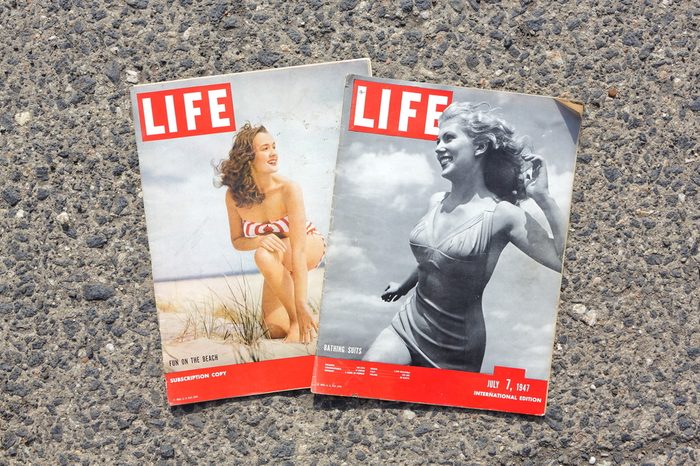
Magazines, newspapers, programs, and the like are in a category called “ephemera,” Jacquie Denny, cofounder of EBTH, says. That’s collector lingo for any printed matter that wasn’t made to last. “The value of items in this category is related to rarity, condition, and the number of issues,” notes Denny. Surprisingly enough, they don’t have to be ancient. A special edition Life magazine from 1969 featuring the Woodstock musical festival sold for $113 on EBTH. You may be richer than you think—if you have any of these items in your attic.
Not-so-old cookbooks
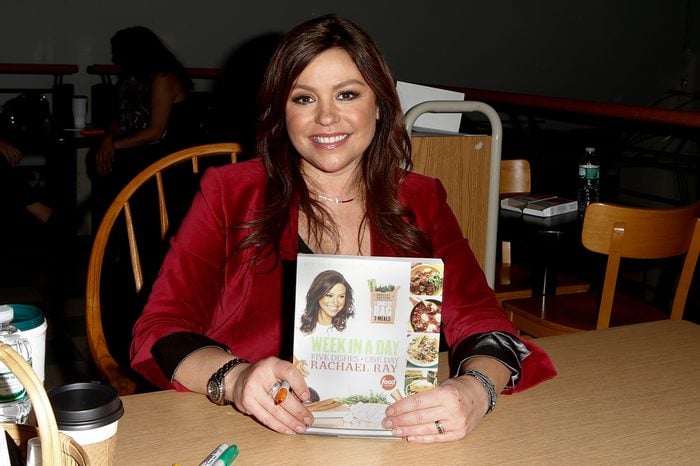
You don’t have to have an out-of-print Julia Child cookbook to earn some extra bread. Betty Crocker cookbooks that were mass-produced and widely used can be worth $10 to $500, depending on their condition (ideally, not too many fingerprint stains on the pages). But signed cookbooks by a famous chef can sell like hotcakes. “Cookbooks published by a celebrity chef will generally perform better if signed and sold while their market is current. If they’re sold after the chef has lost popularity, the value will be greatly diminished,” Denny says.
Vintage handbags
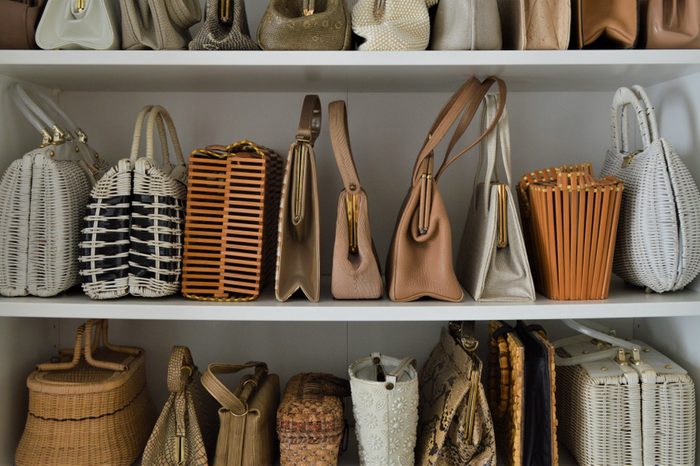
OK, answer honestly: How many posh handbags have you accumulated over the years? And how many are piled in a dark corner of your closet? Fashion history is fun to look at and to collect, and such a collection could earn you a sizable chunk of change. “Vintage Chanel in good condition will retail on a secondary market for $2,000 to $3,000—or even $400 if it is in poor condition,” says Marie Dietrich, an appraiser at Gary Germer and Associates. Prada, on the other hand usually sells for much less, says Dietrich, though the nicer ones still go for $500 to $800. Here’s where you can sell posh handbags and other specialty items online.
Postcards
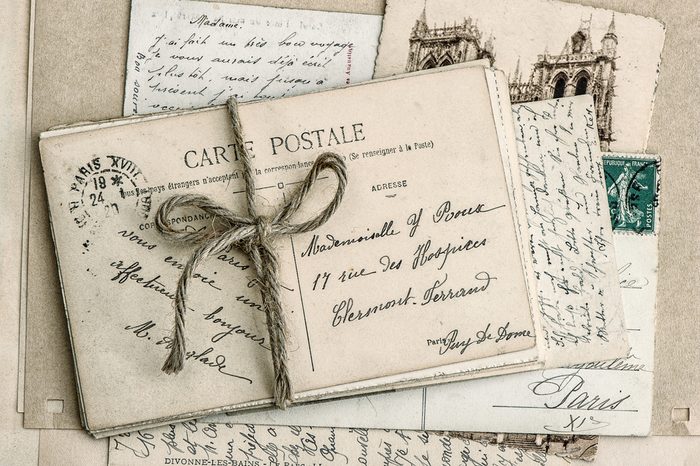
Almost everyone has random old postcards lying around in a drawer. A single postcard can sell for $2 or as much as a few hundred dollars, depending on a few factors. According to auctioneers Warwick & Warwick, the age, rarity, condition, and subject matter all play a role. If the postcard is signed by someone noteworthy, has a message of historical significance, or has a sought-after postage stamp or postal markings, it will bring in more. Some of the more popular collectible postcards can be Art Nouveau and Art Deco style, or feature social history, street scenes, or transportation.

TV Guides
Speaking of nostalgia, the April 9-15, 1983 issue of TV Guide featuring Elvis Presley on the cover sold for $36 on EBTH. Although TV Guides are easy to find at garage sales and flea markets, what people seem to desire is the subject matter on the cover—especially if it fits into their collection. Fans of Elvis Presley make up a big portion of the market for TV Guides featuring him.
Polaroid camera
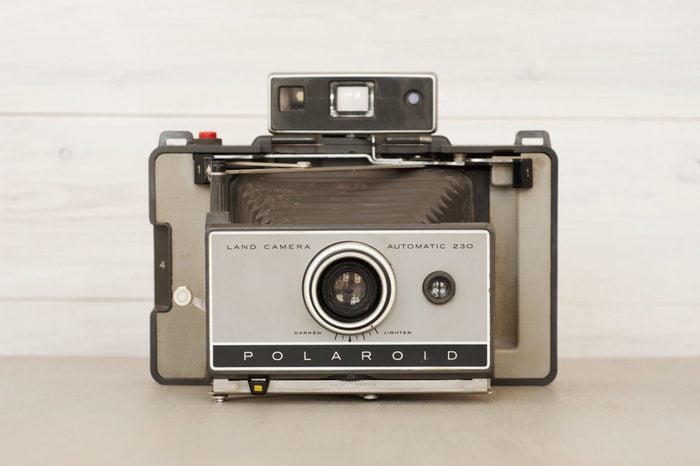
There are plenty of people willing to pay a pretty penny for your Polaroid. Taking a picture and watching it develop before your eyes has always been cool. Plus, once a Polaroid shot develops, it looks like the vintage filter on Instagram. A Polaroid instant camera with film sold on EBTH for $152; a fancier Polaroid with a gold- and leather-bound case was snapped up for $553 on EBTH. Buy these items now and stash them for safekeeping because they will be worth a lot of moola down the road.
Retro video games
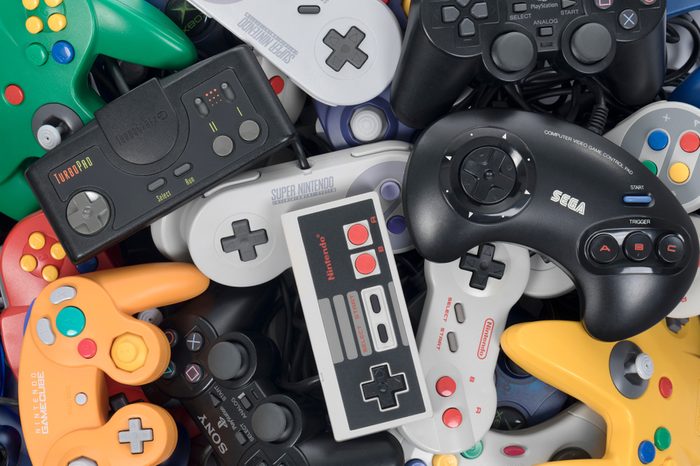
Maybe it’s because of the fascination with gaming, the vintage artwork, or the fact that as adults, the games people were denied as children are affordable to them now—and desirable. “Retro video games are currently enjoying a renaissance in popularity,” says Denny. What that means for you if you have them stacked away in a closet is extra moola. In June 2019, EBTH auctioned off a collection of vintage Sega games for $2,382, but single titles do very well on their own, like a 2001 Smash Bros. Melee for Nintendo GameCube that sold for about $37 on eBay. Be sure to check your kitchen after this for these vintage kitchen items worth more than you think.
Sources:
- Dan Orkin, manager of the Reverb Price Guide
- Seth Peterson, co-founder and CEO of All You Can Arcade
- Reyne Hirsch, long-time appraiser on PBS’ Antiques Roadshow
- John Linden, lead designer at MirrorCoop
- Jacquie Denny, cofounder of EBTH
Originally Published: November 18, 2020

