


18 Human Foods Dogs Can’t Eat, According to Vets

Updated: Jan. 24, 2024





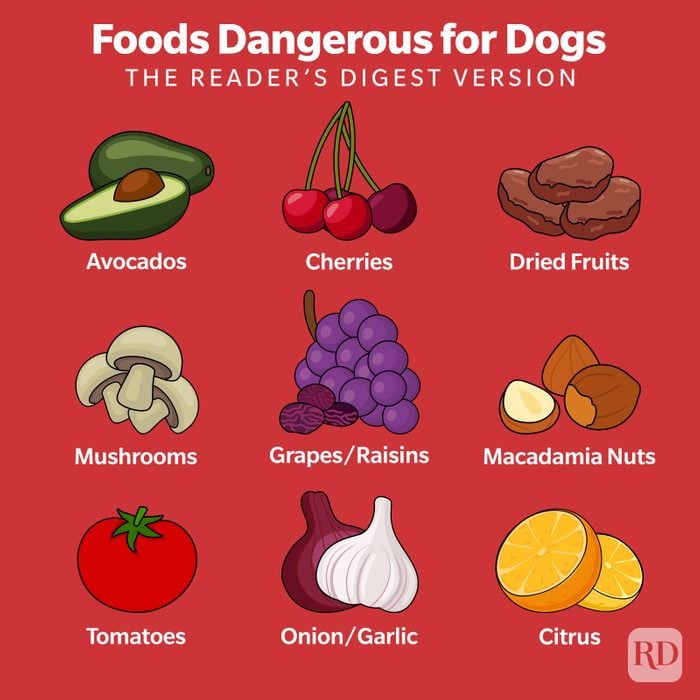
What's good (or what tastes good) for us isn't necessarily great for our fur babies. Vets tell us about the foods dogs can't eat—and why.
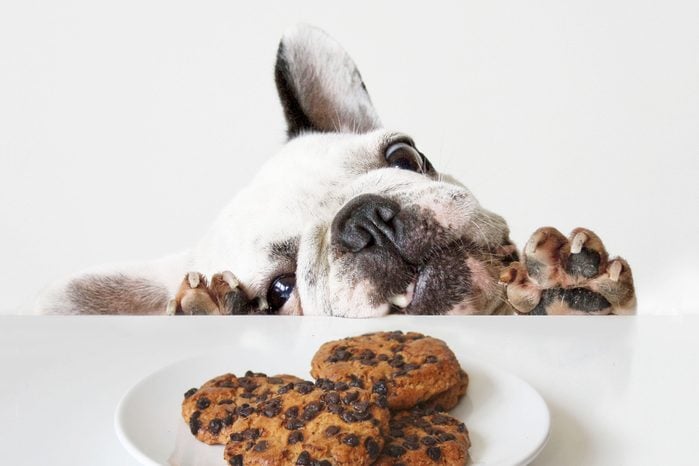
The foods dogs can’t eat
Most of us are guilty of slipping our furry friends some people food now and then. The good news: There are plenty of human foods dogs can eat, like bananas and eggs. And now for the bad news: There are also plenty of human foods dogs can’t—and shouldn’t—eat. Just because it grows on a tree, bush or vine doesn’t mean it’s good for your dog. So before you give in to those sweet puppy-dog eyes when your furry friend is begging for a taste of your meal, make sure you’re aware of what foods dogs can’t eat.
We asked veterinarians to share their expertise on which foods could have adverse—and even deadly—side effects. We have the answers that will help you avoid an emergency and create the best diet possible for your four-legged pal.
Get Reader’s Digest’s Read Up newsletter for more pet insights, humor, cleaning, travel, tech and fun facts all week long.
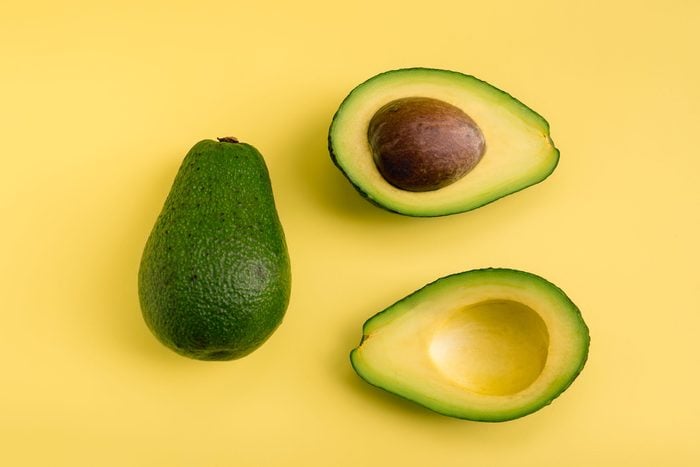
Avocados
Yes, they’re a fruit, and no, your dog shouldn’t eat them. Avocados contain persin, a toxin that can cause vomiting and diarrhea. “It’s particularly concentrated in the skin of the avocado, although any part of the fruit is unsafe for dogs to eat,” says Shawna Garner, DVM, the U.S. lead veterinarian at FirstVet. Avocados are also very high in fat, notes Gary Richter, DVM, a veterinary health expert with Rover. So in addition to their toxic capabilities, they can cause gastrointestinal upset if ingested in large amounts.
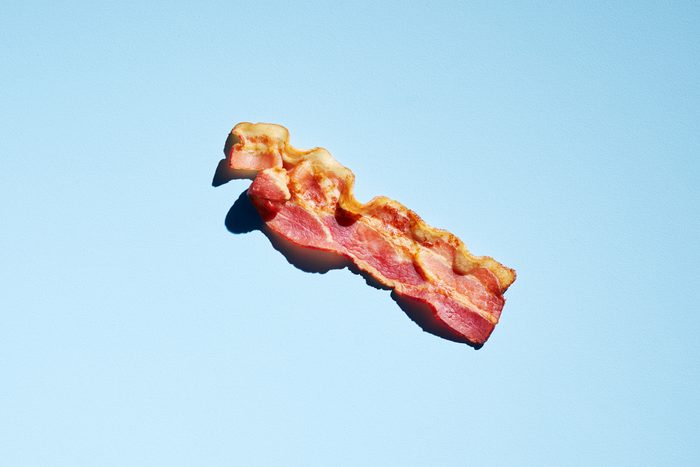
Bacon
We’re as surprised as you are to find bacon on our list of foods dogs can’t eat. The high fat and sodium content put your dog at risk for pancreatitis, high blood pressure, obesity and bowel cancer. But if your pet is begging for some of your breakfast, it’s safe to slip him small bits of low-fat, low-sodium bacon. This is the kind dog food manufacturers use in their products. In general, you should be on the lookout for these signs of dog illness in your seemingly healthy pet.
Candy
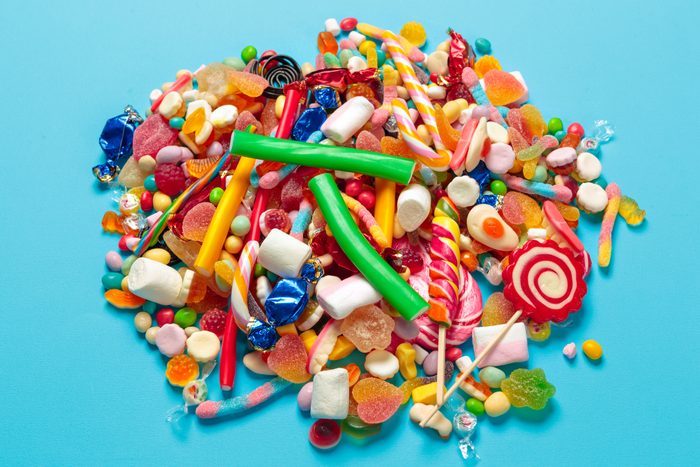
Keep the candy bowl far away from your dog. Eating significant amounts of sugary, high-fat sweets can give dogs pancreatitis, even though symptoms may not show for two to four days. Look out for decreased appetite, diarrhea, lethargy and abdominal pain.
Cherries
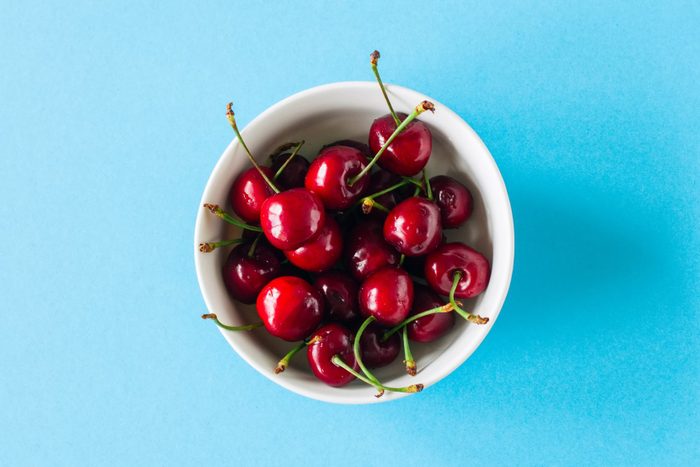
The pit and skin of cherries contain small amounts of cyanide, says Dr. Garner. So if your dog gets ahold of a whole bowl of cherries, he can be poisoned. “If a dog eats a whole cherry, this may cause an upset stomach,” says Dr. Garner. “However, several cherries could lead to breathing difficulties and an unwanted emergency visit to the vet.” By the way, we asked vets if dogs can eat ice cream—and all pet parents should know the answer.
Chocolate
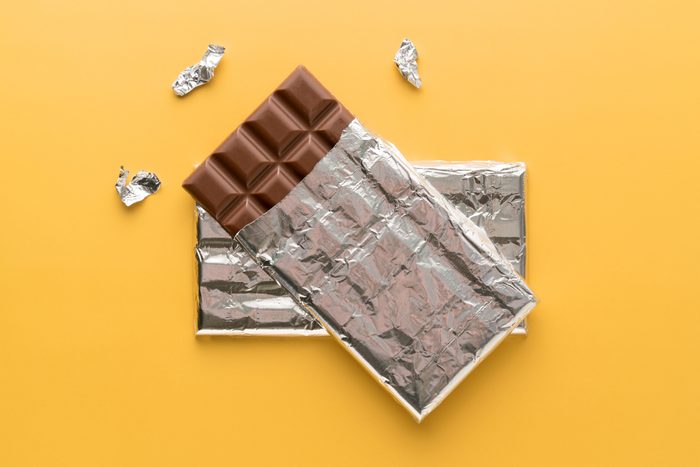
Chocolate is the worst kind of candy your dog can eat because it contains theobromine, a substance similar to caffeine. Baking and dark chocolates have the highest levels of theobromine, but milk and white chocolate are also harmful to dogs. Symptoms of chocolate poisoning include high blood pressure, tremors and seizures.
Citrus
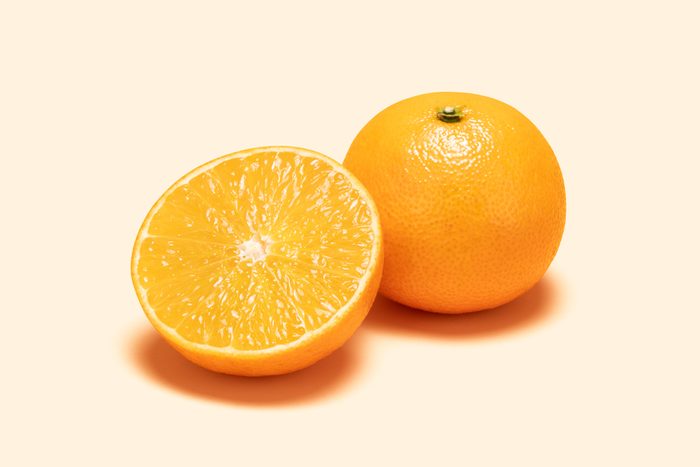
A section of orange or tangerine may be safe to feed your dog, but watch out for the rest of the fruit. “Other parts of the plant, including the leaves, stem and skin, are toxic,” says Dr. Garner. “If consumed, they can cause an upset stomach, and vomiting and diarrhea if consumed in large amounts.” By the way, here’s the scoop on whether dogs can eat popcorn or not.

Coffee and tea
These drinks—and really any form of caffeine—can give animals hypertension, abnormal heart rhythms, hyperthermia (increased body temperature) and seizures. A few laps of spilled coffee won’t poison your dog, but ingesting moderate amounts of coffee grounds and tea bags can kill small dogs.
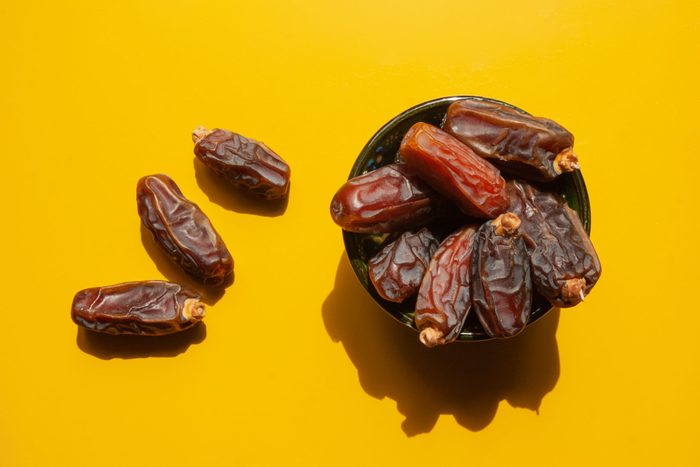
Dried fruit
With the exception of a couple of dried cranberries, dried fruit (which isn’t the best for your teeth either) is generally a no-no for dogs. While none has the toxicity of raisins, dried fruit is high in sugar, which makes it an unhealthy snack. “You’re better off choosing fresh fruit alternatives,” Dr. Garner says, “as long as they are safe for dogs to eat.”
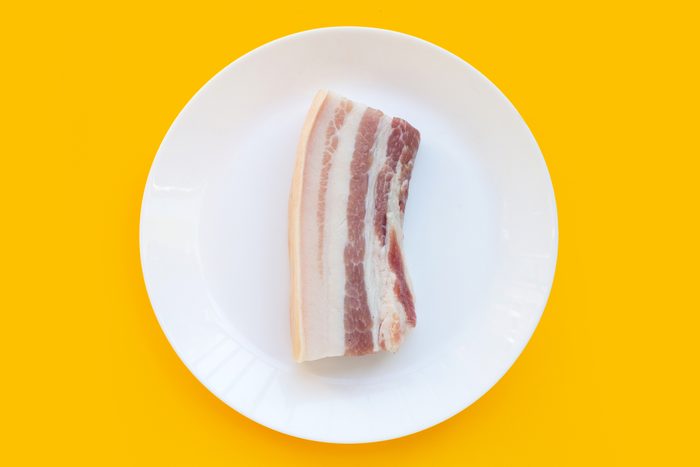
Fat trimmings and cooked bones
Don’t scrape leftovers from your steak dinner into the dog bowl. Not only can fat trimmings lead to obesity—it doesn’t take many extra calories for small dogs to become obese—but they also contribute to pancreatitis. Severe cases can result in a blood infection and internal bleeding. Small bones, like those found in some meat, are a choking hazard, and they can splinter and tear into a dog’s throat or intestines.
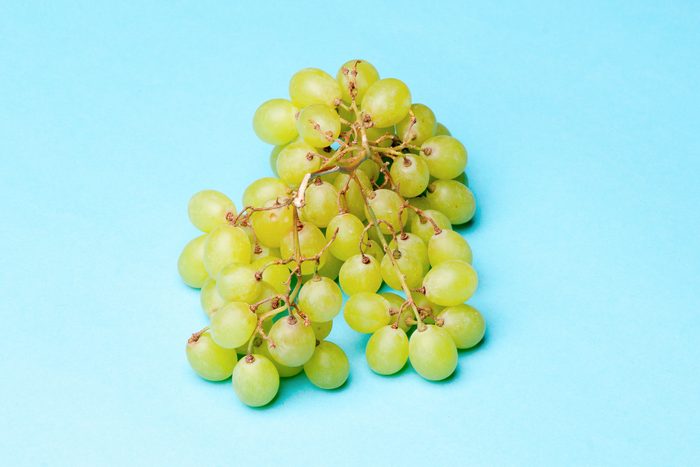
Grapes and raisins
Dog parents won’t be shocked to see these items on our list of foods dogs can’t eat. Dr. Richter says grapes and raisins can cause kidney toxicity in some dogs. “The effect is not dose-dependent,” he adds, “so even a single grape or raisin can potentially be fatal.” While fatalities are rare, if you know your dog has eaten grapes or raisins, take him to the vet ASAP.
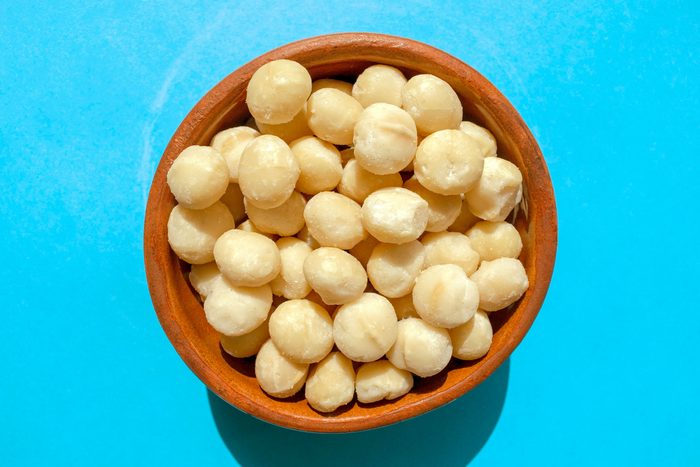
Macadamia nuts
Nuts are generally not a good snack for dogs due to their high fat content; plus, packaged nuts are often loaded with salt. But macadamia nuts are particularly problematic because they can cause weakness, vomiting and diarrhea in dogs. While these symptoms will usually resolve on their own, Dr. Garner says it’s still a good idea to call your veterinarian if your dog gets ahold of these nuts.
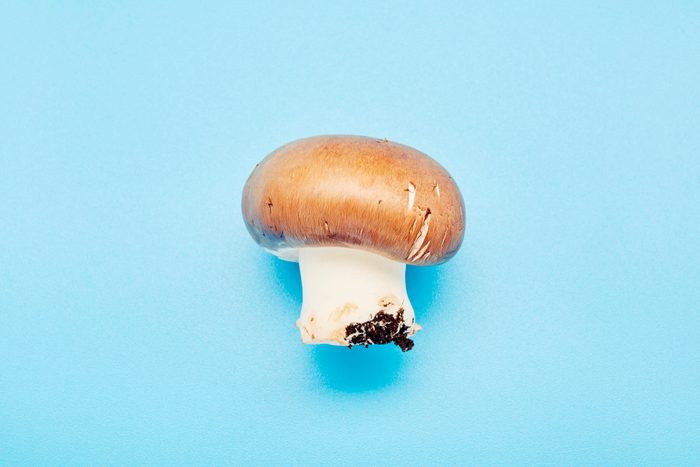
Mushrooms
If you and your dog take a walk through the woods, or anywhere wild mushrooms might pop up, make sure he doesn’t chomp on one while he has his nose to the ground. “Store-bought shouldn’t be hazardous,” says Dr. Garner, “but it’s best to avoid mushrooms altogether when it comes to a dog’s diet.” Here are more shockingly common dog dangers in your own backyard.
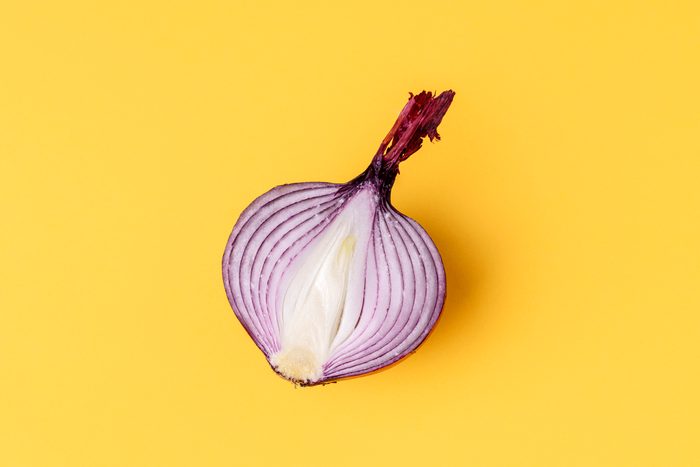
Onions
Foods from the onion family—including onions, garlic, leeks and chives—should be avoided because they contain a toxin called N-propyl disulfide. “This can cause serious damage to canine red blood cells, meaning that the dog’s body will struggle to distribute oxygen properly,” says Dr. Garner. “It is never safe to give a dog onion or any other foods from the onion family.”
Dr. Richter concurs. “Onion toxicity is rare because most dogs wouldn’t eat enough onions to be a problem,” he says. “But theoretically, if someone had a large plate of cooked onions that got eaten by the dog, it could be a problem.” You should be on particularly high alert during holidays. For example, think of all the Thanksgiving foods that incorporate cooked onions and could pose a danger to your pet.
And Lisa Weeth, DVM, head of the nutrition department at Metropolitan Animal Specialty Hospital, adds a special note of caution: “A 50-pound dog sneaking a few licks of a sauce that includes garlic and onion is unlikely to cause any issues, but adding garlic to their diet as an additive or in a supplement over days to weeks can cause nausea or vomiting and result in anemia. If the anemia becomes severe enough and chronic enough, it can cause lethargy, weakness, pale gums and collapse. There are many in the blogosphere who still tout unproven health ‘benefits’ for garlic while ignoring the very real negative health risks of this food. I would not recommend intentionally feeding anything in the garlic or onion family to dogs.”
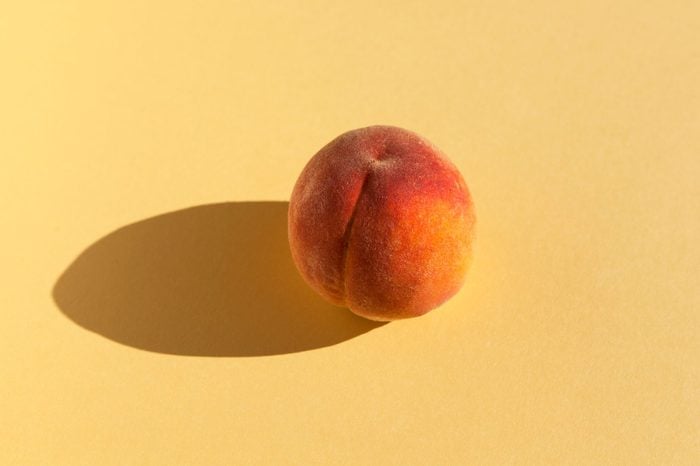
Peaches
The flesh of a peach is a great source of fiber and vitamin A, but the pit contains cyanide. Cyanide interferes with cellular oxygen transport, preventing your dog’s blood cells from getting the right amount of oxygen. Signs of cyanide poisoning include dilated pupils, red gums and difficulty breathing. Other pitted fruits like cherries and plums pose the same problem. Be sure to cut the fruit into small pieces before feeding your dog.
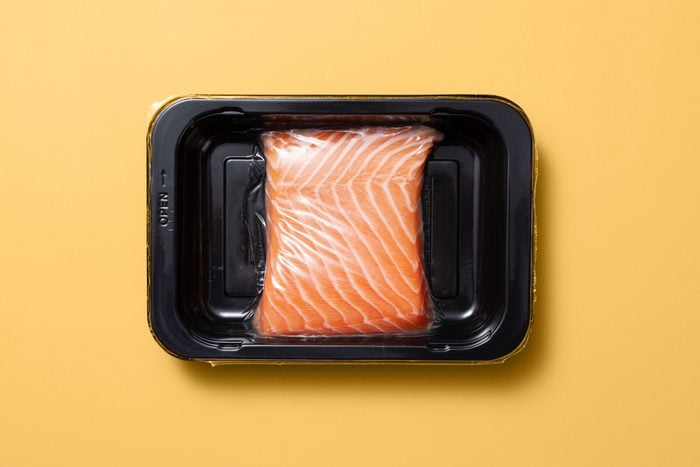
Raw fish
Eating raw fish regularly can cause a vitamin B deficiency, which could be accompanied by seizures. The most toxic fish for dogs are salmon and trout. Raw salmon can host parasites infected with a bacteria called Neorickettsia helminthoeca, which can be fatal if not treated properly.
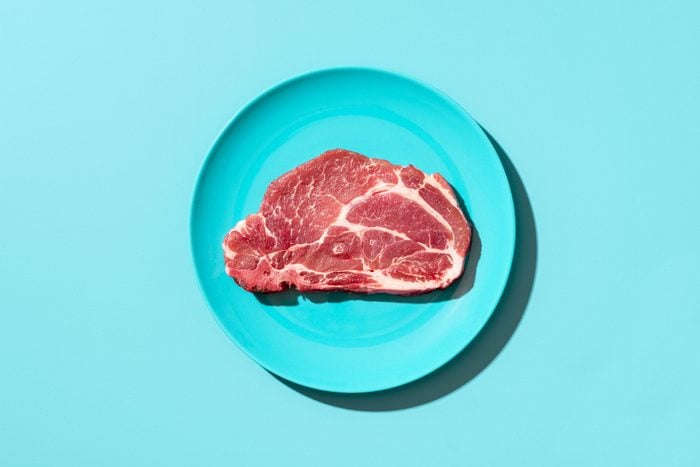
Raw meat
Raw meat is a controversial topic for pet owners. It’s a great source of protein, but it does carry the risk of microbes and parasites like E. coli or, in raw poultry, salmonella. If you do give raw meat to your dog, buy the highest quality possible and keep all ingredients fresh.
Salt
Your dog could experience vomiting, diarrhea, excessive thirst or urination, potential injury to the kidneys and even death as a result of salt poisoning. Be on the lookout for sources of salt in places other than your kitchen, like rock salt for de-icing products, table salt, paint balls and sea water.
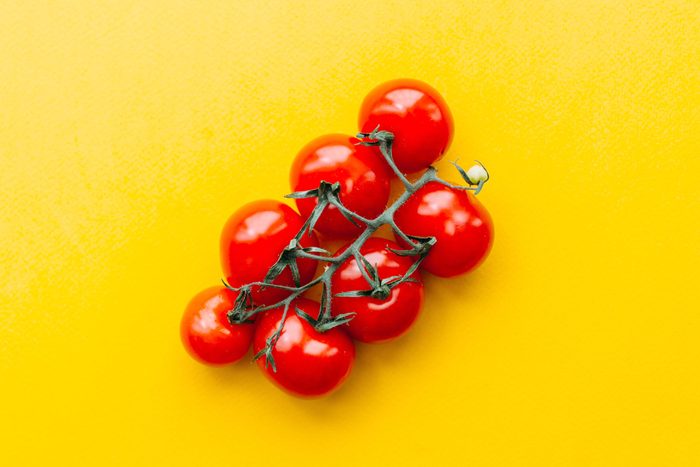
Tomatoes
Like other fruits and vegetables in the nightshade family, tomatoes contain solanine, which, when ingested in large amounts, can cause GI distress and arrhythmia in dogs. The good news is that ripe tomatoes contain far less solanine than green ones, so a piece of ripe tomato is probably OK and not poisonous for your dog. But absolutely keep him away from green tomatoes and tomato leaves and stems, where solanine is concentrated.
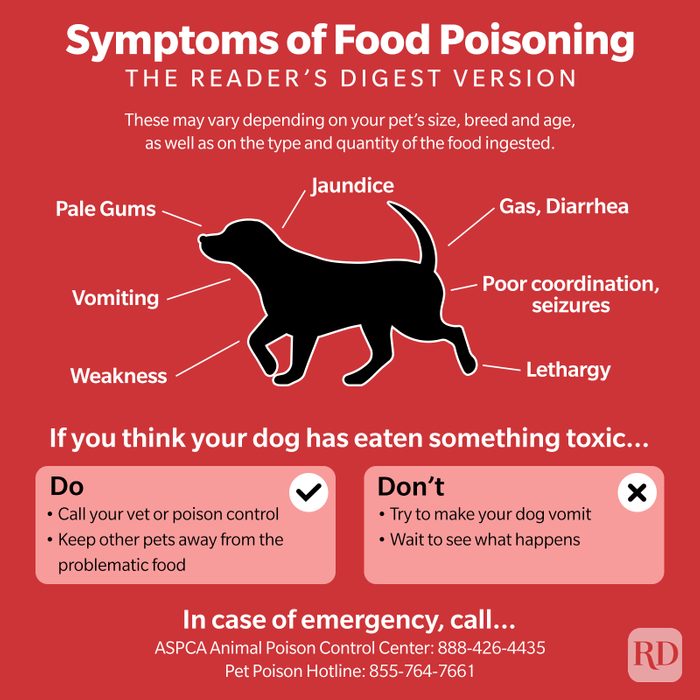
Signs of food poisoning in dogs
If your dog eats something toxic, or something with bacteria in it, they could get food poisoning. Signs of food poisoning include:
- Vomiting
- Diarrhea
- Gas
- Pale gums
- Jaundice
- Lethargy
- Weakness
- Poor coordination
- Seizures
If you suspect your dog is suffering from food poisoning, call your vet or poison control. They’ll give you instructions on what to do, which may include taking your dog to the emergency vet. Keep other animals away from the problematic food so as not to get them sick too.
Now that you know what common foods dogs can’t eat, learn if dogs can eat hot dogs and popcorn before you toss some bits to your pup.
Additional reporting by Claire Nowak.
About the experts
- Shawna Garner, DVM, is the U.S. lead veterinarian at FirstVet, an on-demand video consultation platform. She graduated from the Ross University School of Veterinary Medicine in 2001, did general practice for two years and spent five years as an emergency room clinician.
- Lisa Weeth, DVM, is head of the nutrition department at Metropolitan Animal Specialty Hospital in Los Angeles. She has experience in general and emergency settings, and is now dedicated to providing nutritional support to veterinarians and pet owners.
- Gary Richter, DVM, is an award-winning veterinarian and a veterinary health expert with Rover.com. He has owned and been the medical director of Montclair Veterinary Hospital in Oakland, California, since 2002 and started Holistic Veterinary Care in 2009.
Originally Published: September 05, 2018


