


The Most Historic Landmark in Every State
Updated: May 15, 2024





Calling all history buffs! Step back in time at one of these significant sites in each state, from Revolutionary War battlefields to famous presidential homes.
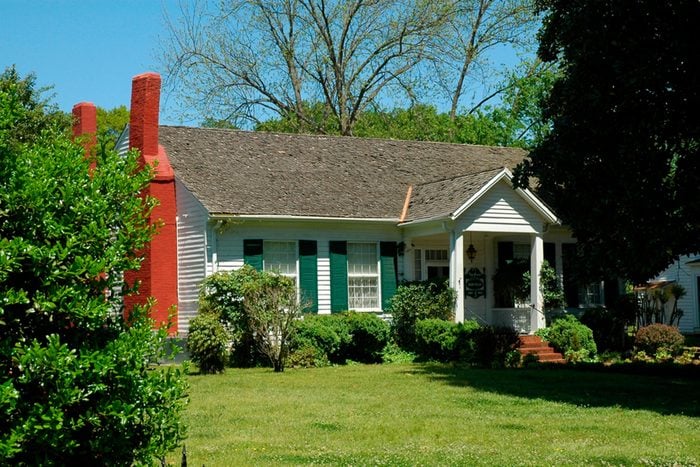
Alabama: Ivy Green
At Ivy Green, Helen Keller’s birthplace in the town of Tuscumbia, you can wander the rooms where “America’s First Lady of Courage” grew up. If you visit during the week-long Helen Keller Festival in June, watch a live production of the award-winning play Miracle Worker, which was based on her life. Don’t miss the most charming small towns in every state.
Alaska: Baranof Castle
On Alaska Day, trek to the top of Baranof Castle, more commonly known as Castle Hill, to experience a reenactment of the day that Russia handed the territory over to the United States on October 18, 1867. You’ll be standing in the exact spot where the transaction took place, and where the first 49-star U.S. flag was raised. Find out the best train rides across America.
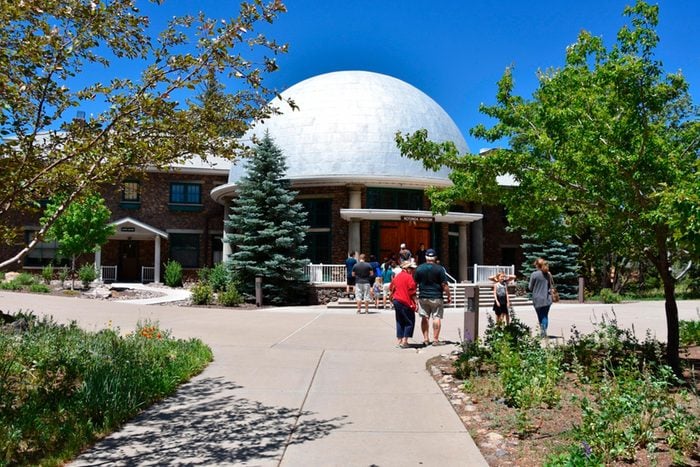
Arizona: Lowell Observatory
For an out-of-this-world experience, check out Lowell Observatory, the spot where Pluto was first discovered in 1930. Now one of “The World’s 100 Most Important Places,” according to Time Magazine, it’s open for tours and nightly stargazing. When it’s your turn at the telescope, here are iconic constellations to look for in the sky. Trust us, you’ll be seeing stars.
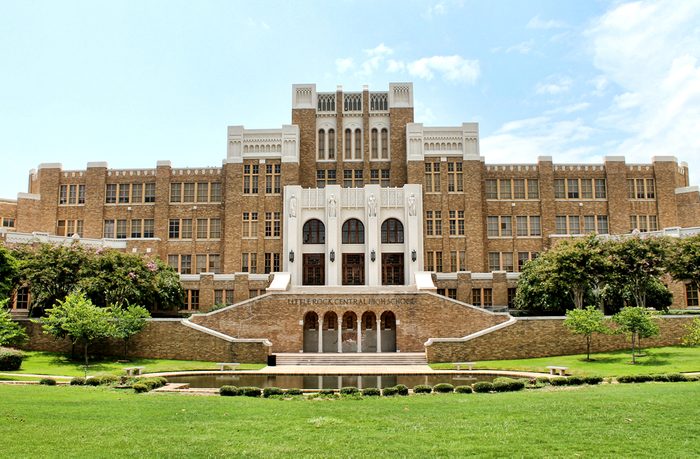
Arkansas: Central High School
Maybe you haven’t heard of Little Rock Central High School, but you’ve likely heard of Brown v. Board of Education, the famous Supreme Court case that changed race relations in the United States by overturning the principle of “separate but equal.” And it all started with the Little Rock Nine, the nine African-American students who defied segregation and entered the halls of, yep, this Arkansas high school, which is now part of the National Park Service.
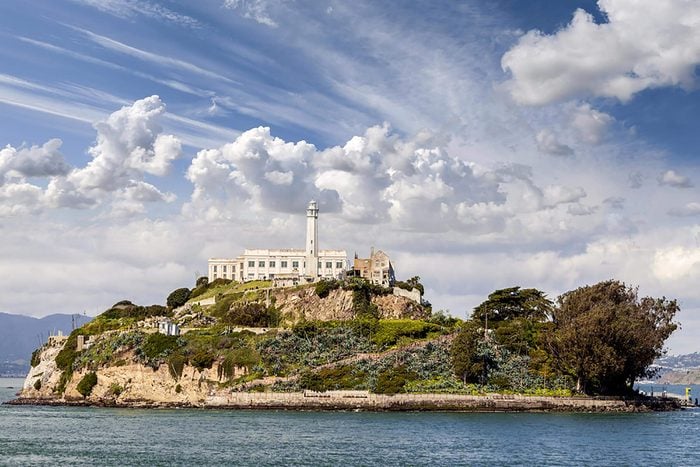
California: Alcatraz Island
What did Al Capone, “Machine Gun” Kelly, and Alvin Karpis (aka “Public Enemy No. 1”) all have in common? They were prisoners at Alcatraz, a former federal penitentiary that’s now a popular tourist attraction. Take a ferry across the San Francisco Bay to “the Rock” to spend a day exploring the abandoned cells which were full of famous criminals in the 1930s. You can even go on a chilling after-dark tour… no “get out of jail free” card required. Don’t miss the most historic hotel in every state.
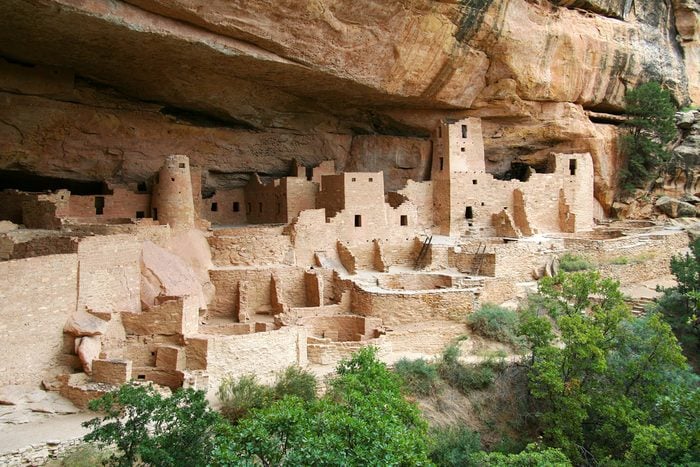
Colorado: Mesa Verde National Park
While Mesa Verde National Park is full of striking sandstone structures and breathtaking views, the real highlight is the over 600 cliff dwellings nestled in the canyon walls. Known as Cliff Palace, you can take a guided tour of 150 of the rooms, which were built over 700 years ago by the Puebloans. And speaking of ruins, take a look at the weirdest archaeological discoveries.
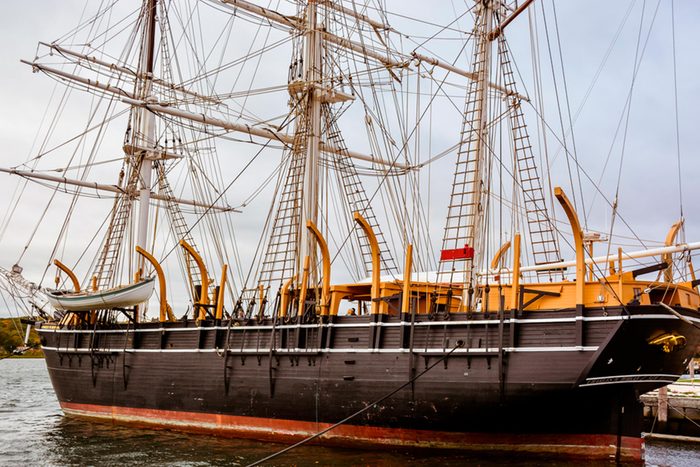
Connecticut: The Charles W. Morgan
All aboard! This wooden whaling boat, anchored in Mystic Seaport, is America’s oldest commercial ship still afloat. It may not be heading out to the high seas anytime soon, but the Charles W. Morgan, which set sail on its maiden voyage all the way back in 1841, is still open for touring. Walk through the port’s museum afterward to learn more about maritime history.
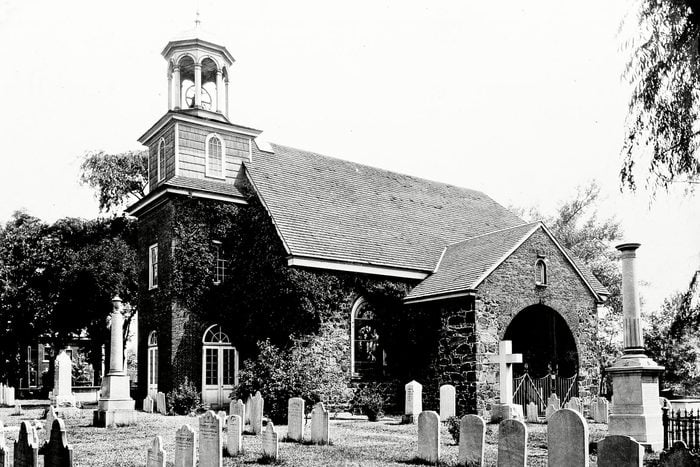
Delaware: Old Swedes Church
Built in the 1600s by the first European settlers, Old Swedes Church is now the longest continuously running place of worship in the United States. Tour the burial grounds where some of the original Swedish settlers are still buried, admire the 400-year old colonial architecture, or head to the chapel to ring the old church bell. Find out the oldest cemetery in every state.
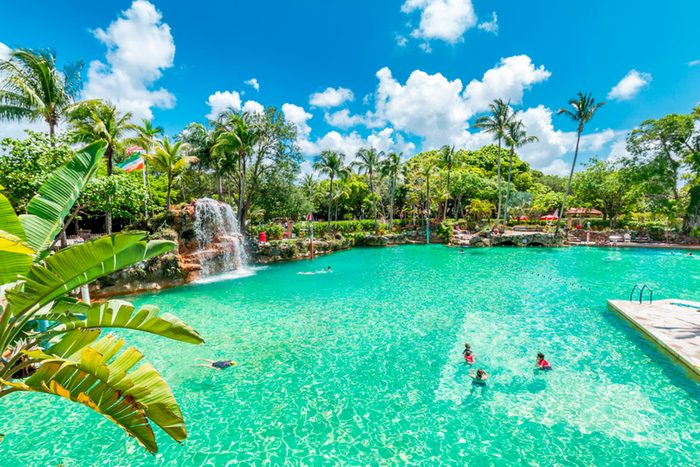
Florida: Venetian Pool
The next time you find yourself in Coral Gables, take a dip in the country’s oldest and largest freshwater pool. Listed on the National Register of Historic Places, it started as a coral rock quarry in the 1920s and was later filled with 820,000 gallons of spring water and opened as a public pool. There are even waterfalls and hidden grottos to explore. Here are all of the best natural swimming pools in the country.

Georgia: Martin Luther King Jr. National Historic Site
We have a dream…of visiting the spot where one of the country’s biggest dreams began. The historic district, located in Atlanta, includes the home where Dr. Martin Luther King Jr. lived for the first 12 years of his life and Ebenezer Baptist Church, where he gave many a speech and sermon. Before you leave, stroll down the International Civil Rights Walk of Fame.
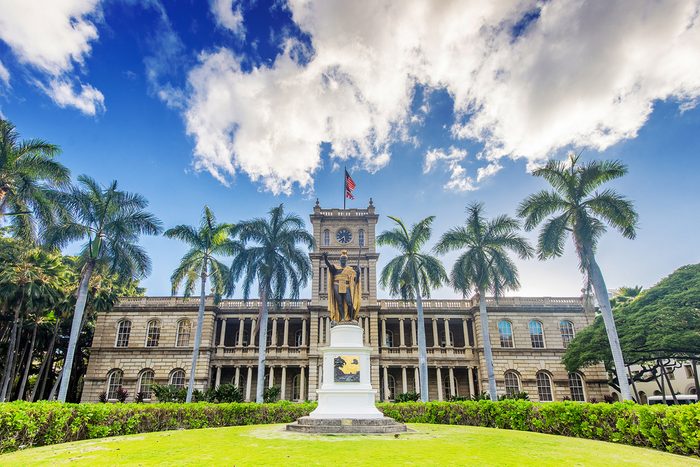
Hawaii: Iolani Palace
Did you know the United States has its own official royal residence? Flanked by palm trees in Honolulu, Iolani Palace is a testament to Hawaiian history. Built in 1882 by King Kalakaua, the palace was inspired by the beautiful castles he had seen in Europe. Kalakaua outfitted the palace with fine furnishings and hosted grand balls there. But the palace is also the site of the final days of the Hawaiian monarchy. The king was succeeded by his sister, Queen Liliuokalani, who was imprisoned in the castle before the monarchy was overthrown in 1893. The palace then served as the capitol but was restored and made into a museum during the 1970s.
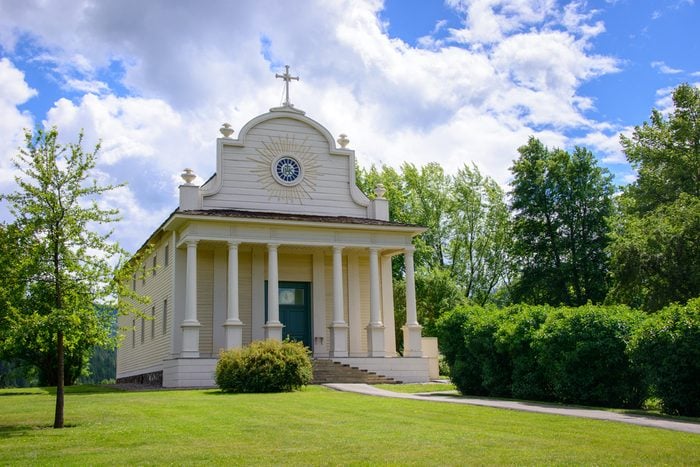
Idaho: Cataldo Mission
Step inside Idaho’s oldest building and you’ll instantly be transported to medieval Europe. That’s because while the Cataldo Mission was built by the Jesuits in the mid-1800s, it was designed by Antonio Ravalli to look like an ancient European cathedral. Also known as the Mission of the Sacred Heart, it is open to the public for tours and Catholic masses are still held there regularly.
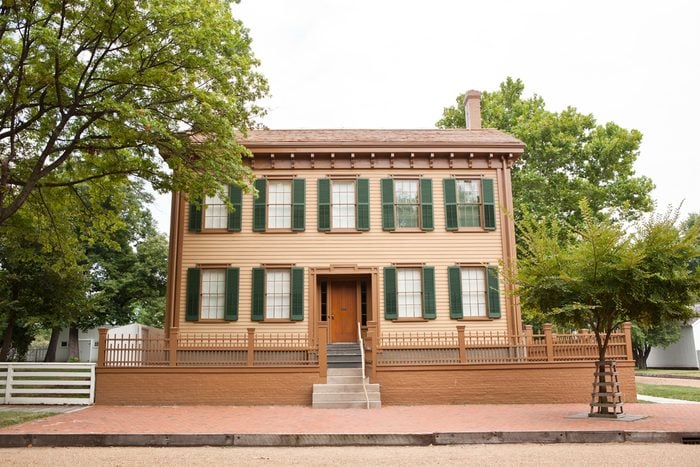
Illinois: Abraham Lincoln Home
Spend a day in the shoes of our 16th president at his home in downtown Springfield. Wander through the rooms, including the formal parlor, sitting room, and the master bedroom, where Abraham Lincoln and his family lived for 17 years. It has been restored to its original 1860s appearance so you’ll feel like you stepped back in time. In fact, you can almost imagine the Lincoln children running down the halls…
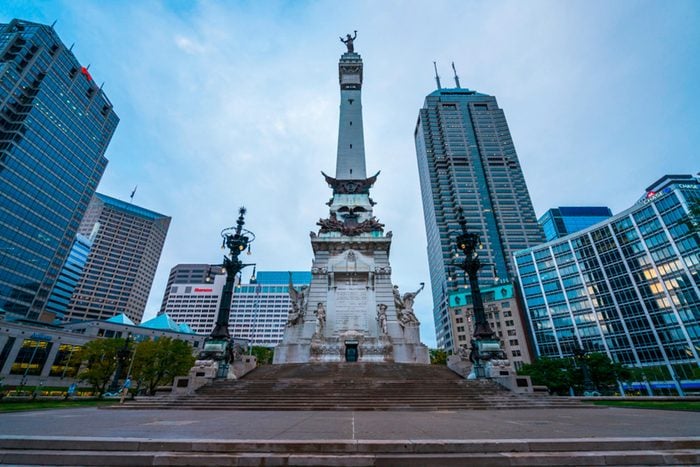
Indiana: Soldiers and Sailors Monument
You can skip the gym after you climb the 331 steps to the top of the Soldiers and Sailors Monument in the heart of downtown Indianapolis. The 285-foot tall limestone structure, topped with a statue of Victory herself, was built to honor all of the Indiana soldiers who fought in the Revolutionary War, the War of 1812, the Civil War, the Spanish-American War, and more.
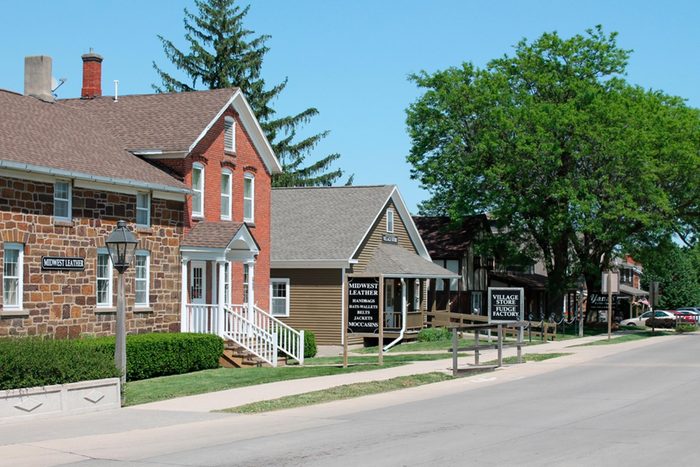
Iowa: Amana Colonies
There’s no need to book a flight to Germany for an authentic Oktoberfest experience—you can find it in the middle of Iowa, in the Amana Colonies. The seven villages were originally settled by a group of German Pietists seeking religious freedom back in 1855. For over 80 years, the community thrived completely independently of the rest of the United States. See what a day in the life was like in the colonies by visiting the old woodworking shop or enjoying beer and brats at the brau haus. Find out more small towns that are the most European cities in America.
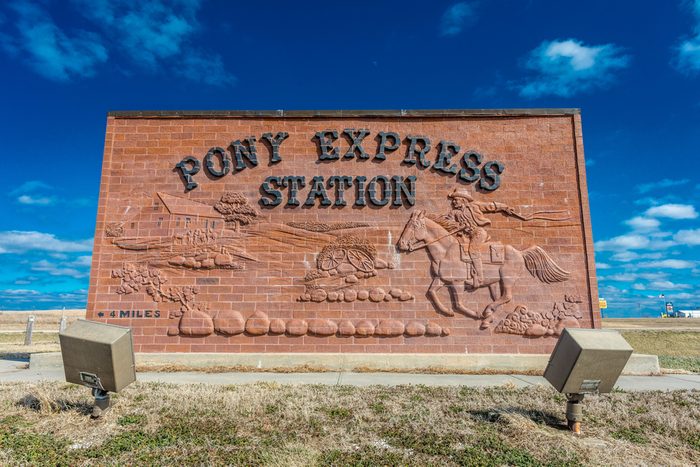
Kansas: Hollenberg Pony Express Station
Snail mail? Before the postal service, there was the Pony Express, the cross-country mail service where horseriders delivered letters and newspapers. And in Kansas, you’ll find the only surviving Pony Express stop at the Hollenberg Station. Inside the historic building, not only will you see what a frontier “post office” looked like, you’ll also get to try on replica clothing from the period.
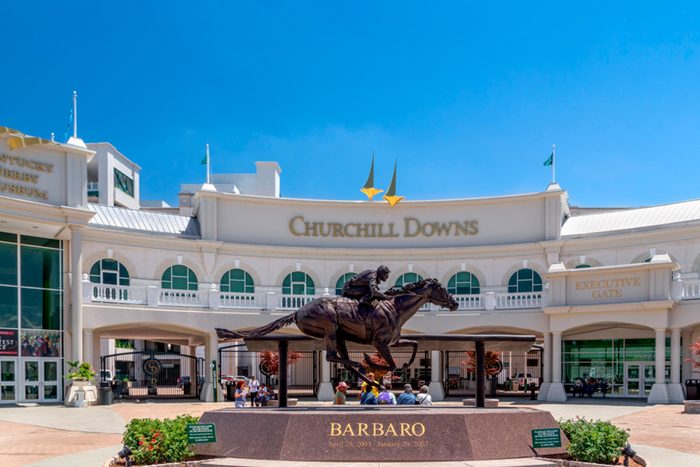
Kentucky: Churchill Downs
We say “Kentucky,” you say “Derby.” The annual horse race is one of the things the Bluegrass State is most known for…and there’s also a lot of history associated with those recognizable Twin Spires. Like that Churchill Downs was started by the grandson of famous explorer William Clark (yes, of Lewis and Clark) in 1875. Check out these things you definitely didn’t know about the Kentucky Derby.
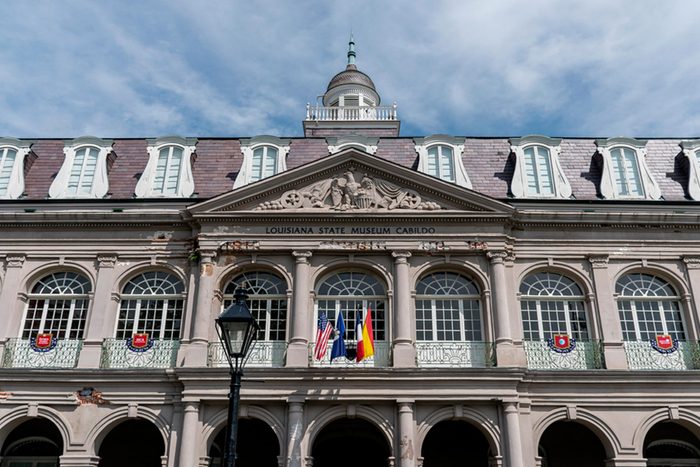
Louisiana: Cabildo
Nestled in New Orleans’ historic French Quarter, you’ll find the Cabildo, a stunning Spanish structure built in the late 1700s. Spanish for “town hall,” the Cabildo is where many significant events have taken place over the years, from the signing of the Louisiana Purchase in 1803 to the decision in the controversial Plessy v. Ferguson Supreme Court case (the Cabildo was once the site of the Louisiana Supreme Court). Now a museum, the Cabildo contains three floors of artifacts and exhibits on the state’s colorful history.
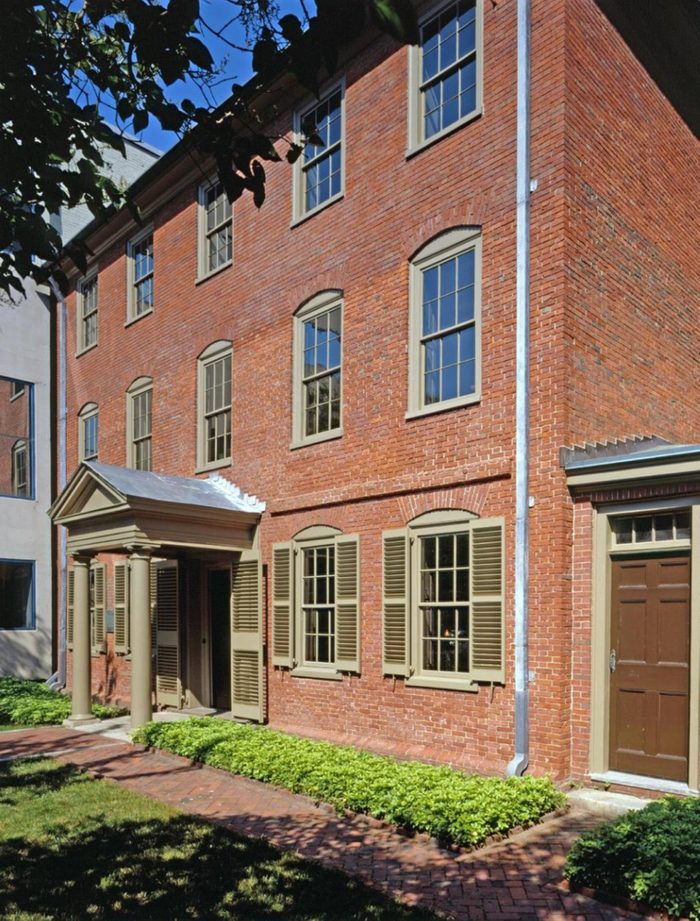
Maine: Wadsworth-Longfellow House
See where one of the most famous 19th-century poets penned his prose by touring the boyhood home of Henry Wadsworth Longfellow. Most known for his poem “Paul Revere’s Ride,” Longfellow lived in the Cambridge cottage for over 45 years, during which General George Washington also used it as his headquarters during the Siege of Boston in 1775. Don’t miss the beautiful Longfellow Garden out back, either. Read on for more American literary road trip landmarks to visit.
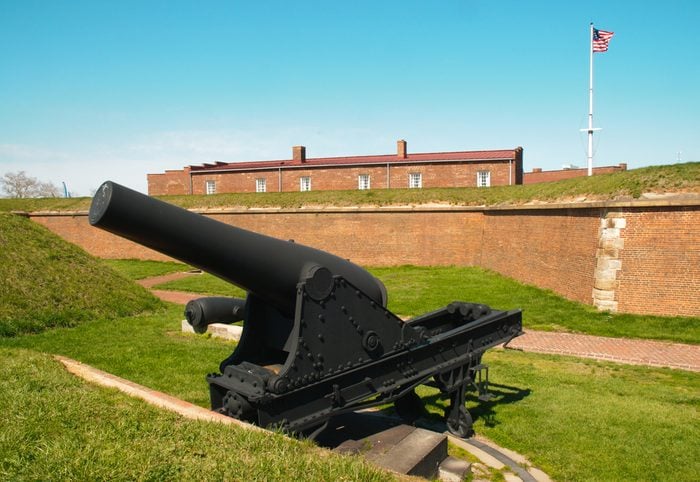
Maryland: Fort McHenry
Oh say can you see the walls of Fort McHenry? If not, add it to your history buff bucket list—it’s the spot where Francis Scott Key was inspired to write the “Star Spangled Banner”, which later became the U.S. national anthem. The Baltimore fort played a major role in defending America from the British during the War of 1812. Visit the historic cannons overlooking the harbor, watch a flag-changing ceremony, or see the “bombs bursting” (aka the fireworks) at night.
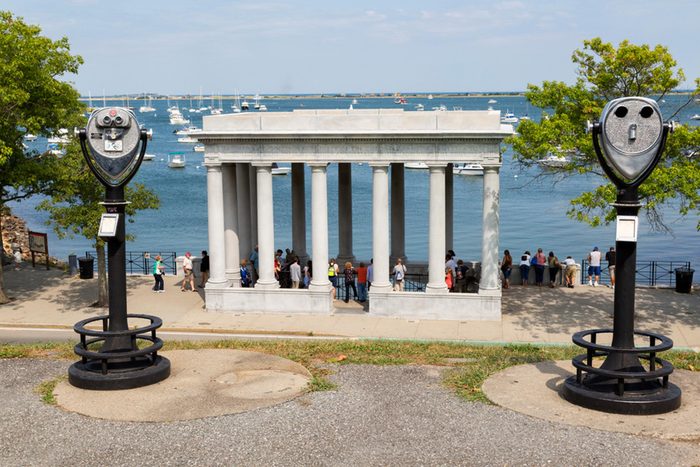
Massachusetts: Plymouth Rock
Good things come in small packages. Or rather, small parks. Plymouth Rock Memorial State Park may be the tiniest state park in Massachusetts but it boasts some pretty big history. Namely Plymouth Rock, the boulder where it’s said that the pilgrims first stepped off the Mayflower onto American soil in 1620.

Michigan: Fort Mackinac
At Michigan’s Mackinac Island, you’ll come for the fudge but stay for the fort, Fort Mackinac, that is. Formerly called Fort Michilimackinac, it was constructed during the Revolutionary War by the British and marked the spot of the first land battle of the War of 1812. The fort eventually was seized by the Americans and now contains the oldest building in the state. You can even fire one of the fort’s cannons yourself. Bombs away! Psst… Mackinac Island makes for a fun weekend getaway.
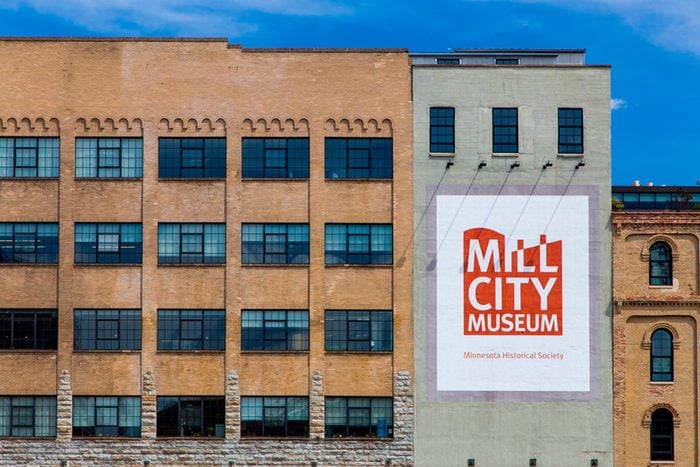
Minnesota: Mill City Museum
Flour power! That should be the motto of this Minnesota museum, built into the remains of the Washburn “A” Mill, which used to be the world’s largest flour mill. It turned Minneapolis into the milling capital of the world for over 50 years, even earning it the nickname “Mill City.” At the museum, tour the old flour elevators and spend some time in the lab learning fun ways to cook with the grain.
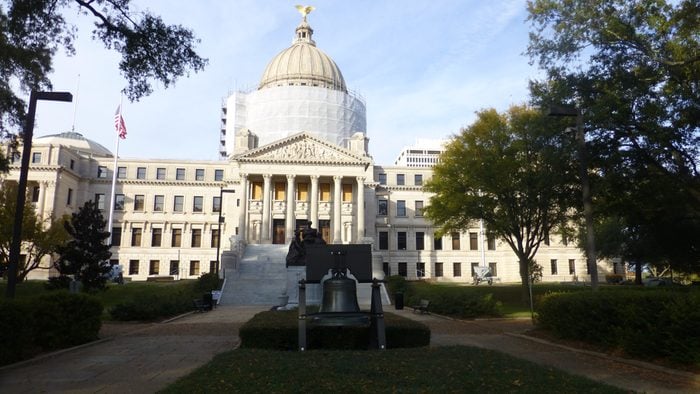
Mississippi: Old Mississippi State Capitol
It may be one of the most beautiful and extravagant buildings in the state with limestone accents, 11 different types of marble, and a gorgeous copper dome, but the former state capitol building in Jackson is also rife with history—like how it was the spot where Mississippi’s secession from the Union took place in 1861. Make sure you see the Hall of Governors, where portraits of every Mississippi governor since 1798 are hung.
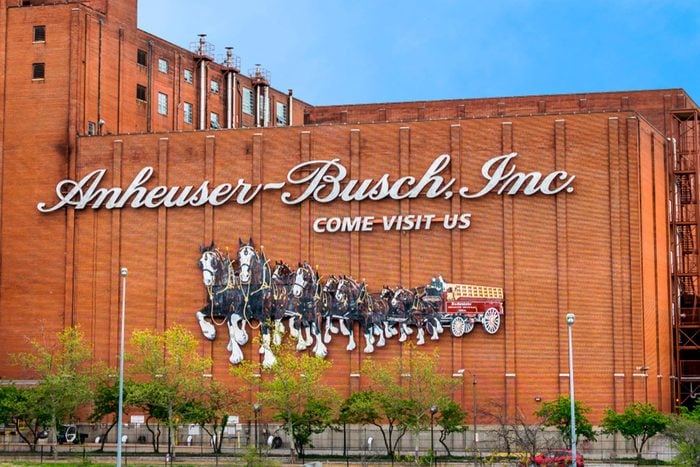
Missouri: Anheuser-Busch Brewery
Pour a pint at the historic brewery in St. Louis that’s been in operation since 1860 when it was acquired by German immigrant Eberhard Anheuser. As you tour the facility, lager lovers will learn about how Anheuser-Busch was the first American brewery to pasteurize beer, how they survived Prohibition, and how Budweiser became America’s most popular beer. Of course, you’ll make a stop at the beloved Clydesdales’ stables, too.
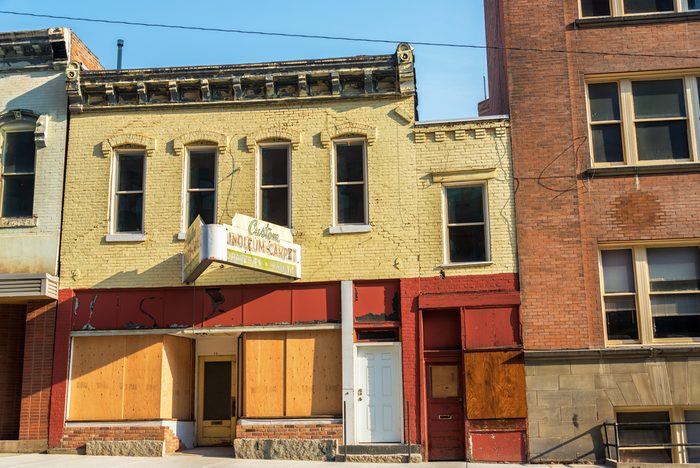
Montana: Butte Historic District
The largest National Historic Landmark District in the country, Butte was once one of the most famous mining towns in the West. In fact, it was dubbed the “Richest Hill on Earth,” as it produced the most copper in the United States during the late 1800s. Even today, more than 10,000 miles of mine shafts and tunnels run underneath the ornate Victorian mansions that make up the town.
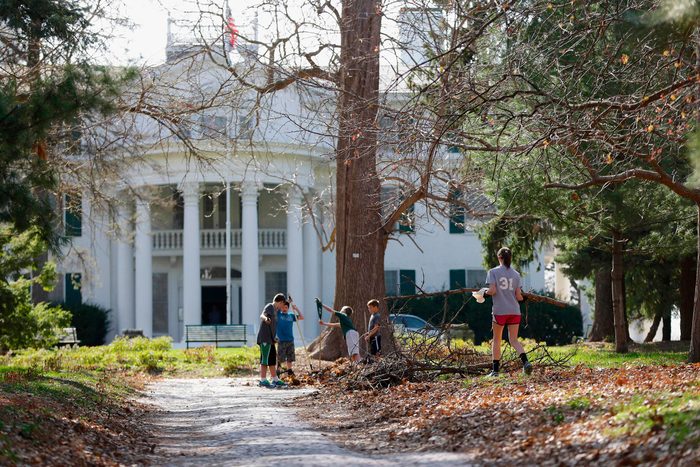
Nebraska: Arbor Lodge State Historical Park
J. Sterling Morton was Nebraska’s No. 1 treehugger. After all, he founded Arbor Day on April 10, 1872, when one million trees were planted. And his estate, which was built to resemble the White House, is as impressive as his agricultural accomplishments. Tour the 52 rooms to get a glimpse into the life of the Morton family before heading outside to the arboretum and botanical gardens. Find out the most underrated cities in America worth a visit.
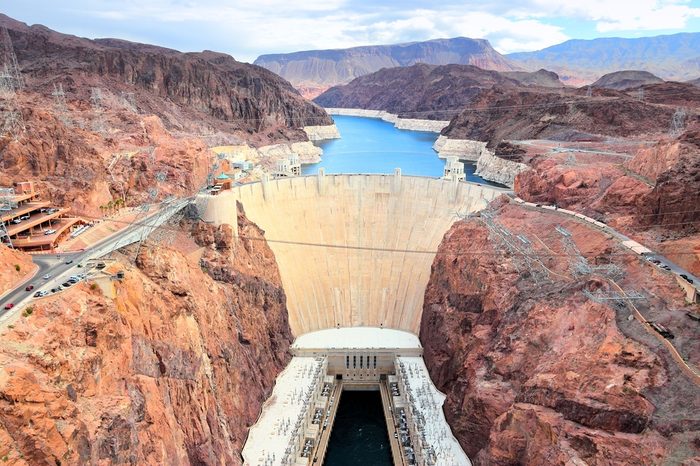
Nevada: Hoover Dam
Las Vegas isn’t all Nevada has to offer—it also has some “dam” good history. Built during the Great Depression, the Hoover Dam is currently the tallest dam in the Western Hemisphere at a towering 725 feet and it contains 3.25 million cubic yards of concrete, enough to build a highway across the entire United States. If you walk across it, there’s a point where you can straddle the state border and stand in both Nevada and Arizona at the same time.
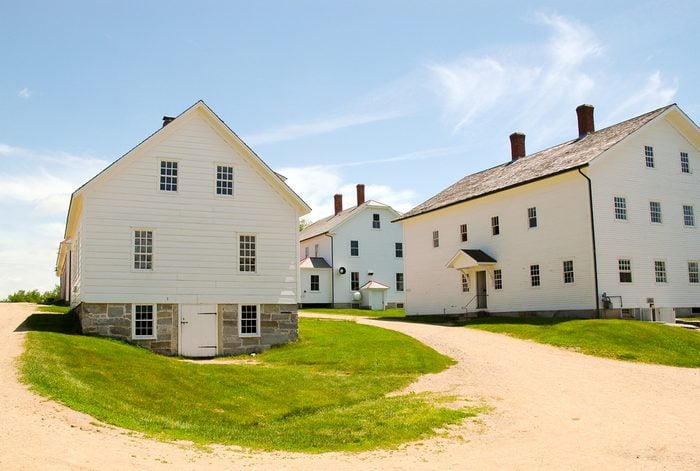
New Hampshire: Canterbury Shaker Village
This quaint village is where the original movers and Shakers of New Hampshire lived, aka the Canterbury Shakers who immigrated to America from England in the 18th century. Tour the 25 original Shaker buildings that have been preserved for over 200 years, including the carriage house, pump room, schoolhouse, and infirmary. At the peak of the Shaker movement, Canterbury was one of 19 communities along the East Coast.
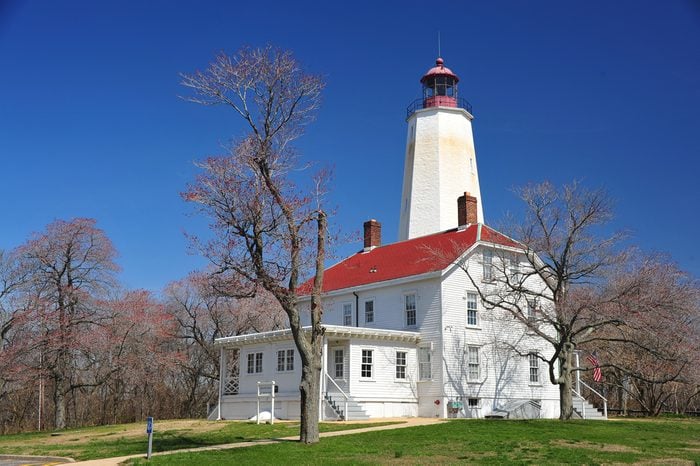
New Jersey: Sandy Hook Lighthouse
Meet the New Jersey landmark that has literally been lighting the way for ships since 1764, making it the oldest working lighthouse in the country. The only times it’s gone dark are during the Civil War, the Spanish-American War, and both World Wars. To get to the lens room at the top, you’ll climb 95 steps followed by an iron-rung ladder.
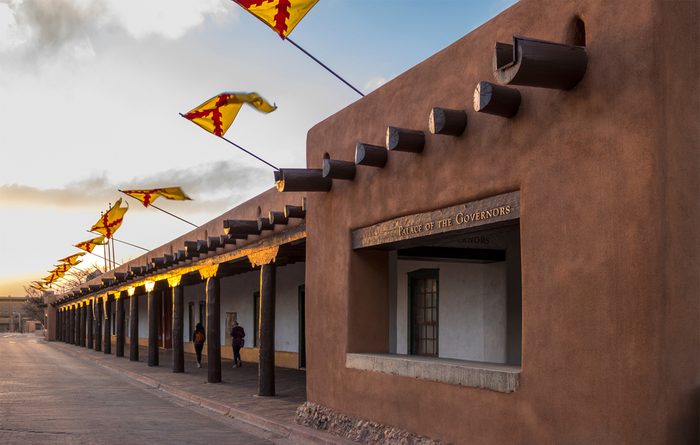
New Mexico: Palace of the Governors
When you think about notable government buildings, you likely think of the White House or the Capitol Building. But the Palace of Governors, situated in Santa Fe, should be on that list, too. It’s actually the oldest continuously-used government building in the country, originally built in 1610 for Spain’s royal governor. Now home to the New Mexico History Museum, the palace also contains the Native American Artisans Program, where local vendors sell handmade crafts, jewelry, and more.
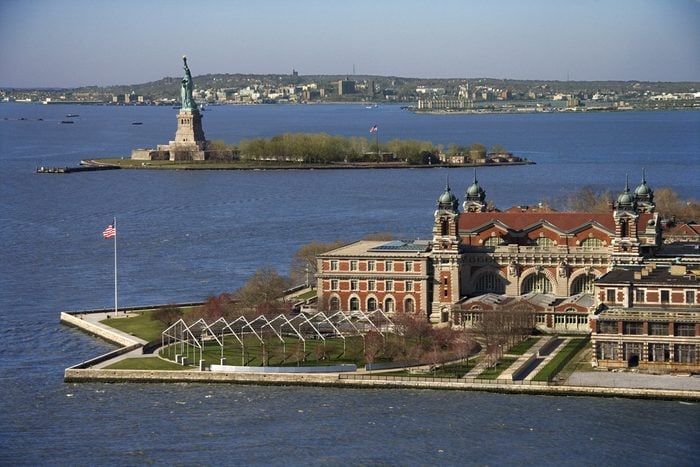
New York: Ellis Island
The tiny island in the middle of New York Harbor is where over 12 million immigrants came into the United States in the early 20th century, chasing the American dream. Roam the museum to learn more about the people who made our country what it is today, or venture over to Liberty Island to climb Lady Liberty herself. Neat trivia: the Main Building, which houses the museum, is in New York, though most of the island is considered part of New Jersey. It’s accessible from both states via ferry service. Don’t miss fascinating facts about the neighboring Statue of Liberty.
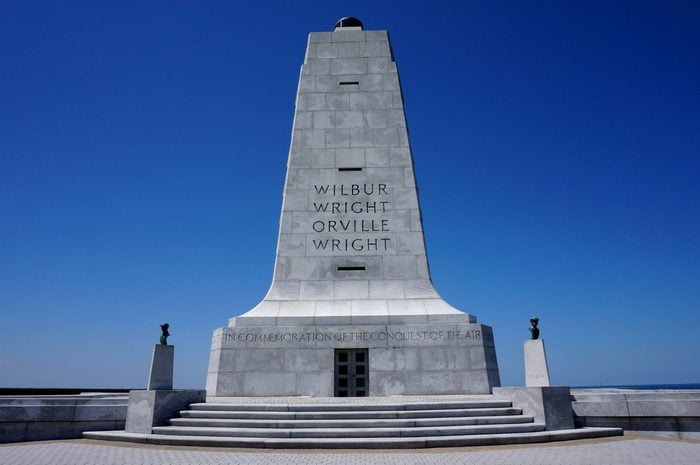
North Carolina: Wright Brothers National Memorial
The day was December 17, 1903. Two brothers from Ohio stood on the dunes of Kill Devil Hills. And as only five bystanders looked on, the Wright brothers launched the world’s first successful flight with their handcrafted airplane that they built in their bicycle shop. Visit the memorial to see where it all took place.
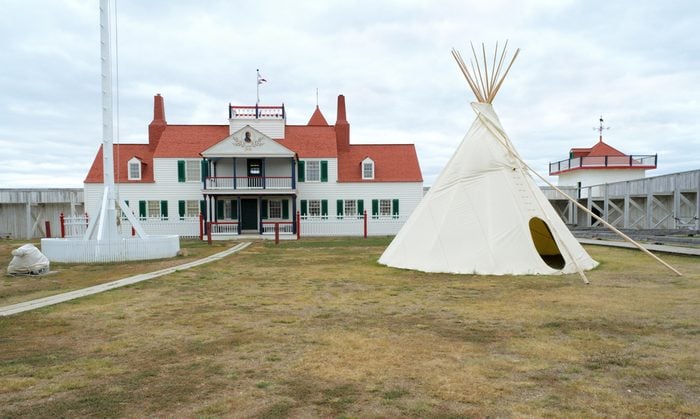
North Dakota: Fort Union Trading Post
This landmark, erected in 1828, was one of the most important trading posts (and the longest lasting) on the upper Missouri River when it was still in operation. Run by the American Fur Company, it saw plenty of famous faces from John James Audobon, famed naturalist and painter, to Prince Maximilian, who used the post to trade guns and ammunition for grizzly bear and bison furs from the Native Americans.
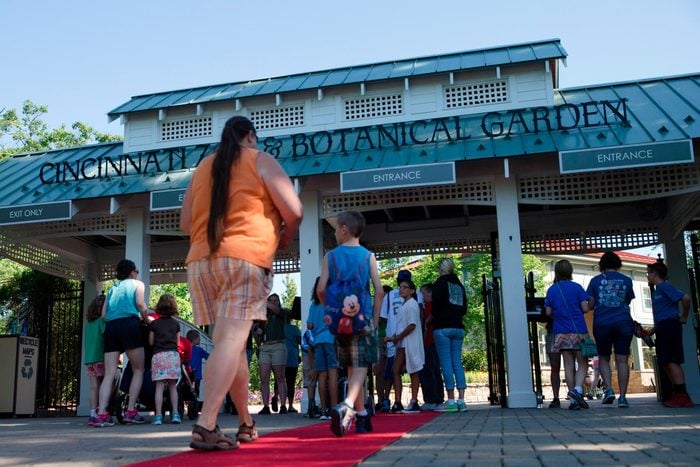
Ohio: Cincinnati Zoo
When it comes to zoos in the United States, Cincinnati’s is a contender for king of the jungle. That’s because it has the oldest continuously operating zoo building. The limestone dome, built in 1875, used to be the Monkey House but has since become the Reptile House, home to all sorts of snakes, lizards, and turtles. Adults and kids alike will love marveling over the architecture… and the animals, of course.
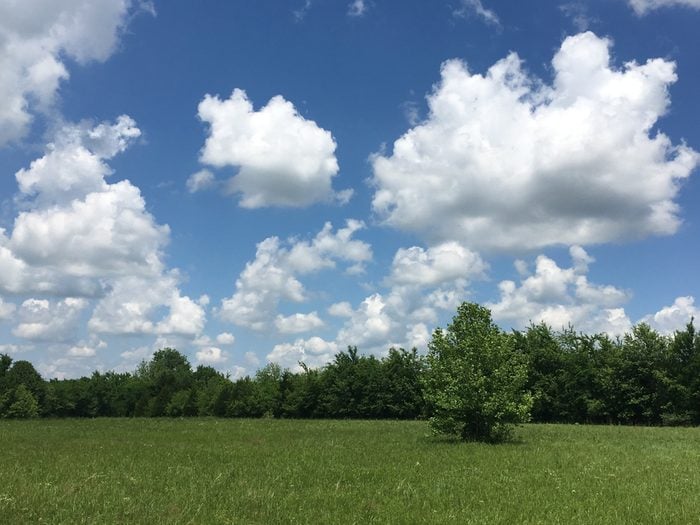
Oklahoma: Honey Springs Battlefield
On July 17, 1863, the largest battle in Oklahoma’s history was fought. The Battle of Honey Springs during the Civil War, one of the few that took place in Indian territory, was won mostly due to the First Kansas Colored, which was the first African-American regiment in the Union army. Stroll one of the six walking trails that now wind through the battlefield with informative signs mapping out the battle along it.
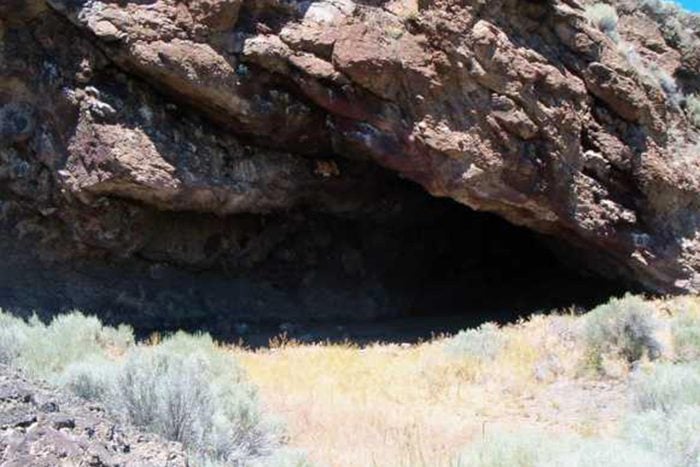
Oregon: Fort Rock Cave
Think the shoes in your closet are old? They’re probably not nearly as ancient as the sagebrush sandals discovered in 1938 in what’s now Fort Rock Cave. The footwear, deemed the oldest in the world, is thought to be up to 11,000 years old and is one of the first signs of Native American life on the West Coast. Guided tours led by park rangers are available during the summer months.
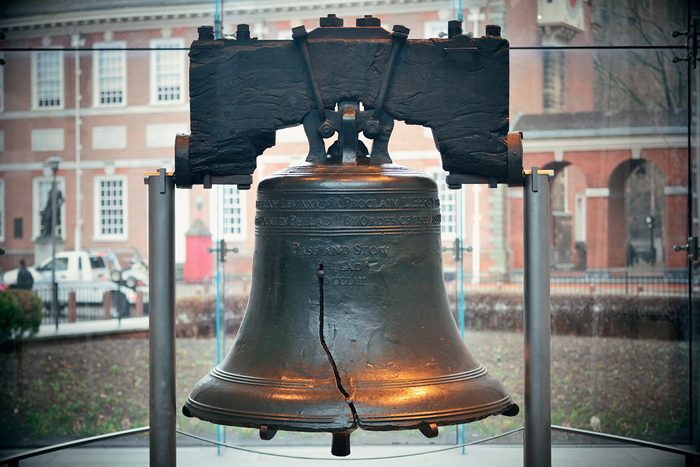
Pennsylvania: Liberty Bell
Let freedom ring (literally) with a stop at the Liberty Bell in downtown Philadelphia. After you get an up-close look at the iconic cracked bell, which is inscribed with the phrase “Proclaim liberty throughout all the land unto all the inhabitants thereof,” tour Independence Hall, where the bell originally was housed. Here you can step into the room where both the Declaration of Independence and the Constitution were signed in the late 1700s.
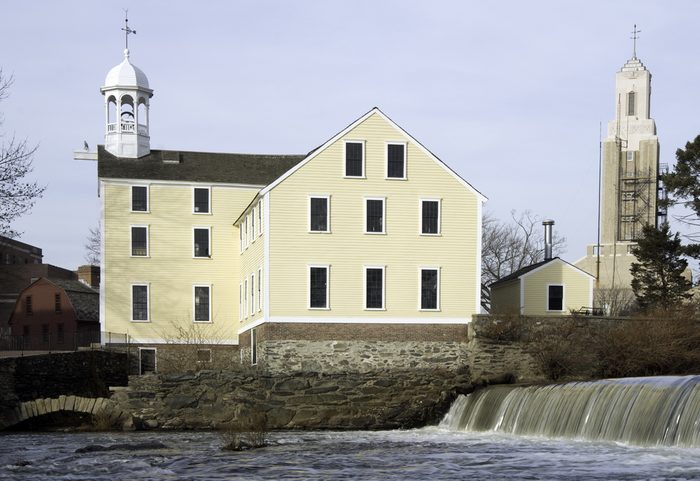
Rhode Island: Slater Mill
Considered the birthplace of the American Industrial Revolution in 1793, Slater Mill in Pawtucket was the country’s first cotton-spinning factory powered by water. Today, the old textile mill still boasts its machine shop, complete with artifacts and 19th-century tools, along with the 16,000-pound wheel that churns the water of the Blackstone River.
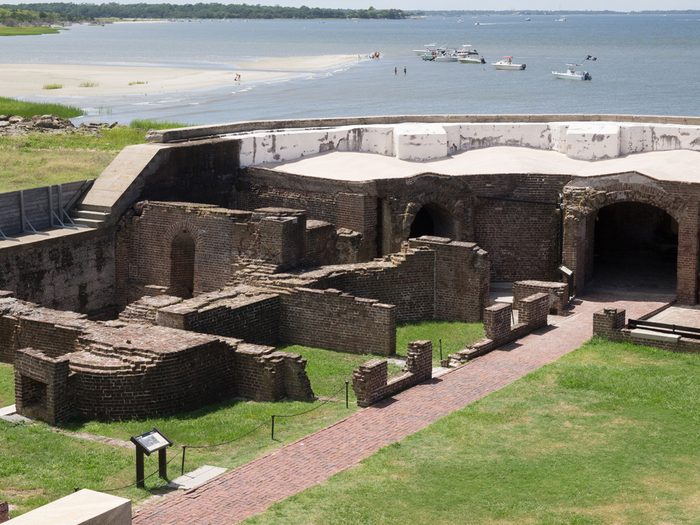
South Carolina: Fort Sumter
In the middle of Charleston Harbor lies Fort Sumter. The tiny island is where the first shots of the Civil War were fired at 4:30 a.m. on April 12, 1861, in the Battle of Fort Sumter. As you explore the remains, you can still see pieces of bullets and shrapnel in the brick walls.
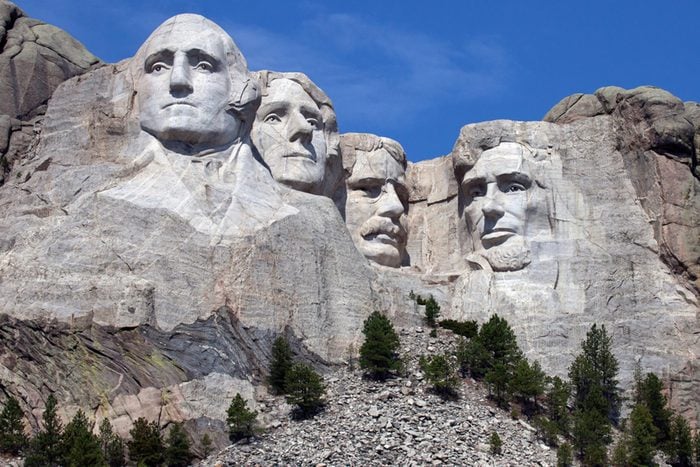
South Dakota: Mount Rushmore
Talk about putting your best 60-foot long face forward. That’s what George Washington, Thomas Jefferson, Abraham Lincoln, and Theodore Roosevelt did, with their figures carved into a mountainside in the Black Hills of South Dakota. It’s also one of the U.S. landmarks that has a secret.
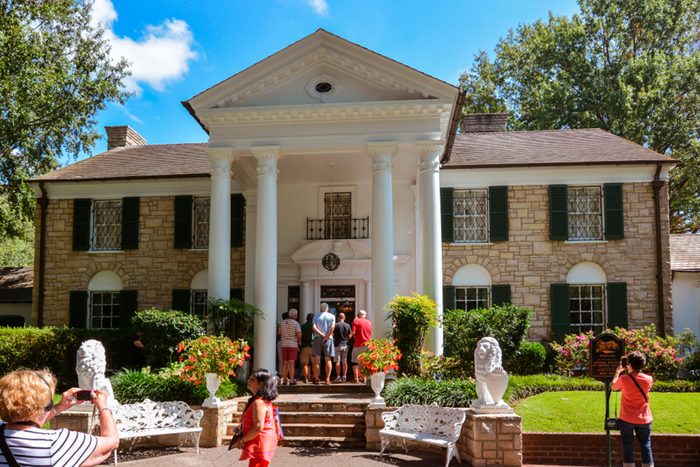
Tennessee: Graceland
This Memphis mansion looks fit for a king. And that’s because it was… for the King of Rock n’ Roll, Elvis Presley himself. Join the hundreds of thousands of visitors who flock to the icon’s home every year and take an interactive tour narrated by John Stamos and Elvis’ daughter, Lisa Marie. You won’t want to miss the famous Jungle Room where Elvis loved entertaining friends and family and even recorded two of his albums.
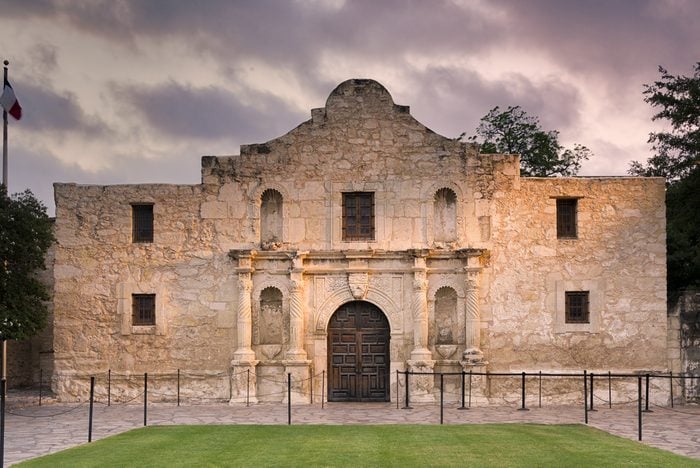
Texas: The Alamo
Everything is bigger in Texas, even the battles. Honor the brave American soldiers who lost their lives in one of the bloodiest battles in history at The Alamo. The 4.2-acre fortress and compound, which was the site of the first Spanish colonization in the United States, was the spot where Texas fought for its independence from Mexico in 1836 in the infamous Battle of the Alamo. You’ll also want to check out the most overlooked landmarks in America.
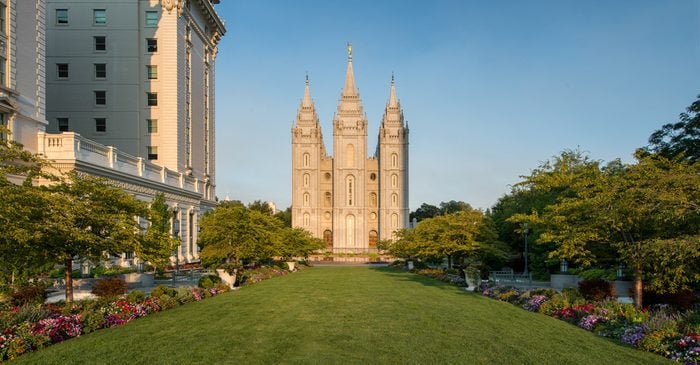
Utah: Temple Square
Don’t let the word “square” fool you—Temple Square is actually a 35-acre area in the center of Salt Lake City. It consists of the stunning Salt Lake Temple, the Tabernacle, and the Family History Library. Wander the grounds of the massive temple which took 40 years to construct in the mid-1800s (only members of the Church of Jesus Christ of Latter-day Saints can enter the temple), then listen to a performance from the world-renowned Mormon Tabernacle Choir.
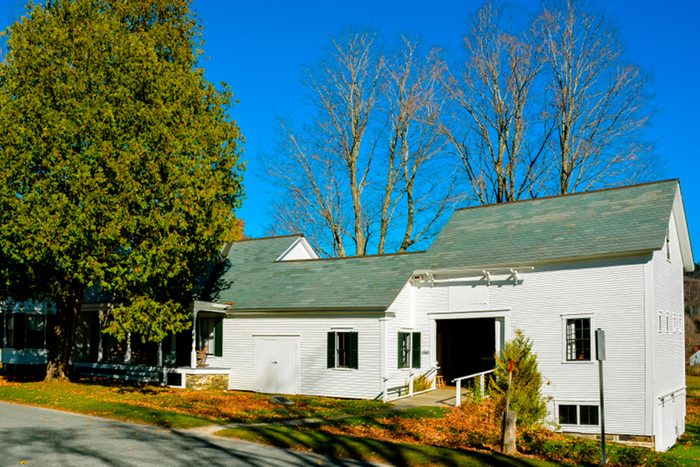
Vermont: Calvin Coolidge Homestead
Want to know what it’s like to grow up to be president of the United States? At Calvin Coolidge’s home in Plymouth Notch, you can get a sense of the 30th president’s childhood. The historic district also includes the cheese factory owned by Coolidge’s father and the one-room schoolhouse Coolidge attended as a boy. Test your presidential knowledge by trying to identify some of the greatest American leaders by their baby photos.
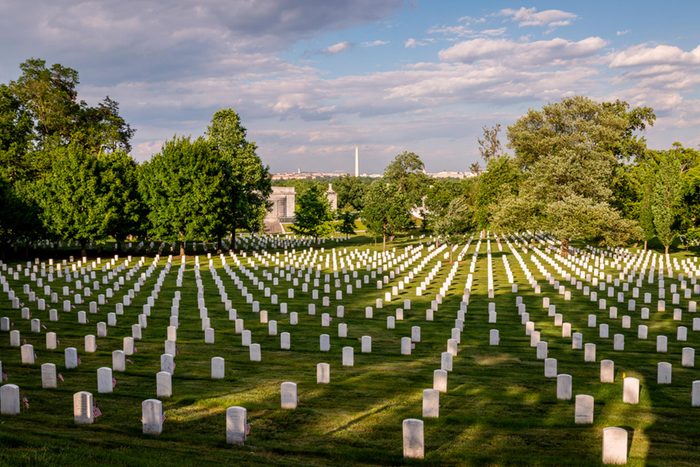
Virginia: Arlington National Cemetery
There’s no shortage of historical must-visits in Virginia. But one of the most famous—and most emotionally charged—is Arlington National Cemetery, where over 400,000 servicemen and women and veterans are buried. Some highlights include the Arlington House (a memorial to George Washington), the Tomb of the Unknown Soldier, and John F. Kennedy’s gravesite.
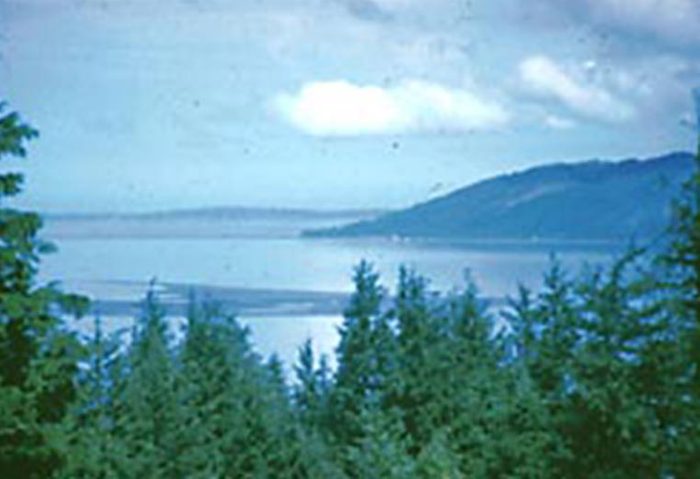
Washington: Chinook Point
Hike to the top of the bluff at Chinook Point to stand in the footsteps of Lewis and Clark, who saw the Pacific Ocean from this same vantage point for the first time in 1805. It’s also where Captain Robert Gray became the first European to find the Columbia River in 1792, an area that eventually became Fort Columbia.
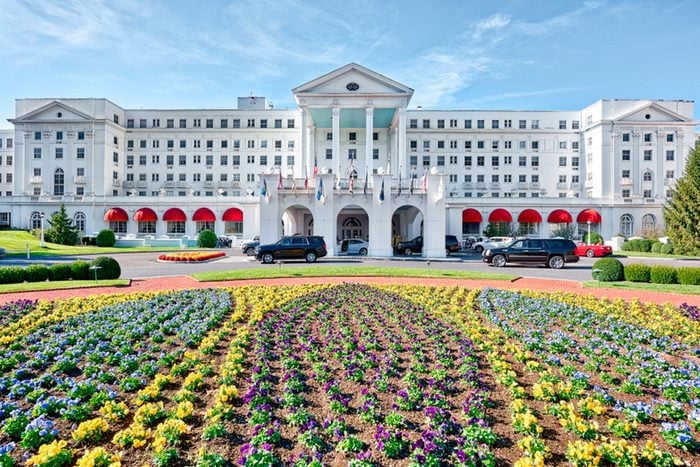
West Virginia: The Greenbrier
This isn’t your average luxury resort. Built in 1858, The Greenbrier has served numerous important roles from being a hideaway for U.S. presidents like Woodrow Wilson and John F. Kennedy to temporarily being converted into a hospital for soldiers. But the coolest thing about this West Virginia icon? It sits atop an underground bunker, which was a top-secret fallout shelter for Congress and government employees during the Cold War.
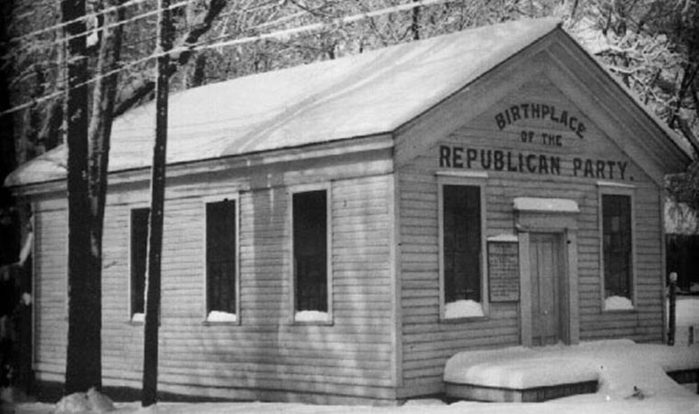
Wisconsin: Little White Schoolhouse
In an effort to keep church and state separate, the Republican Party held their first-ever meeting in 1854 in a schoolhouse, the Little White Schoolhouse in Ripon to be exact. The birthplace of the GOP has been restored as a museum and offers self-guided tours along with political history exhibits and artifacts. Find out the most incredible places to stay overnight in each state.
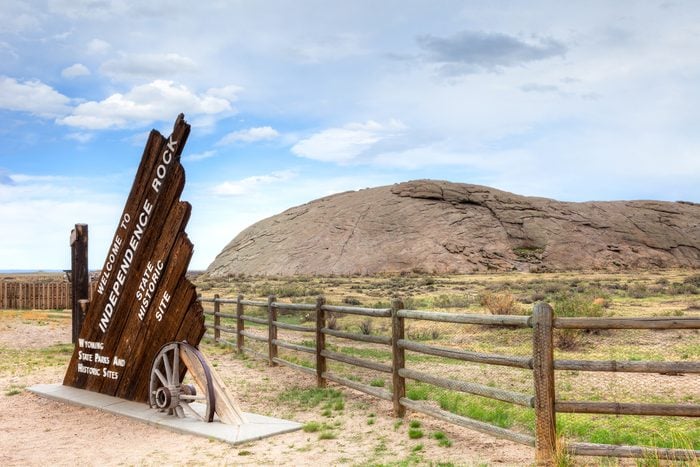
Wyoming: Independence Rock
The Oregon Trail is more than just a computer game: It was the trail that pioneers traveled across the country in covered wagons to settle on the west coast. And one of the major markers along the trail was Independence Rock in Wyoming. Also known as the “Register of the Desert” because of all of the names engraved in it, the rock was named because pioneers had to reach it by the Fourth of July in order to make it safely across the Rocky Mountains before winter.
