


15 Natural Phenomena That Only Happen in Winter

Updated: Jan. 26, 2023





From snow squalls to bomb cyclones to hoarfrost and more, these winter phenomena are as beautiful as they are dangerous.
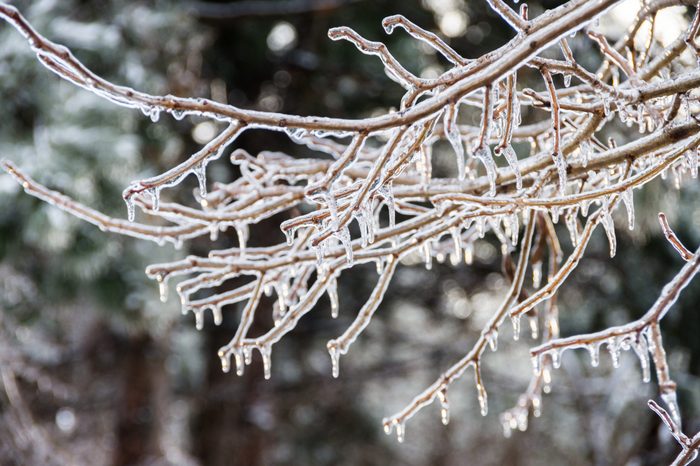
Winter is often described as a “Winter Wonderland,” but winter storms can be fierce. From snow squall to bomb cyclones to hoarfrost, there are some unusual phenomena that occur only in winter.
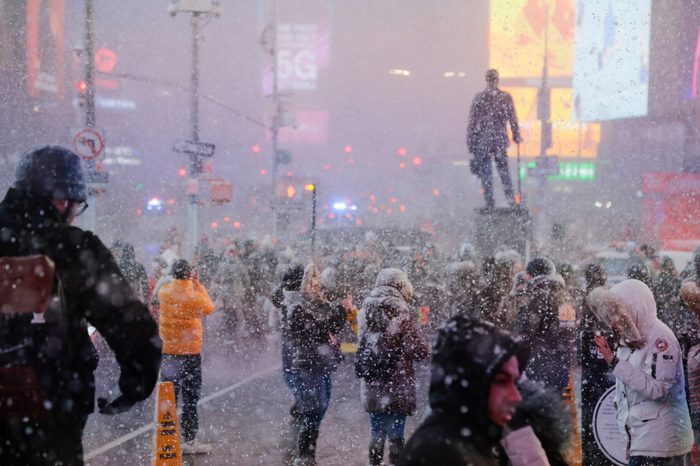
Snow squall
If you haven’t heard of a snow squall, you’re not alone. The National Weather Service gave this phenomenon its name and started issuing snow squall warnings in November 2018. The term snow squall is derived from the concept of a regular squall, with the customary blustery winds, but in this case the extended period of reduced visibility is due to intense snowfall. Discover additional interesting words that were created by accident.
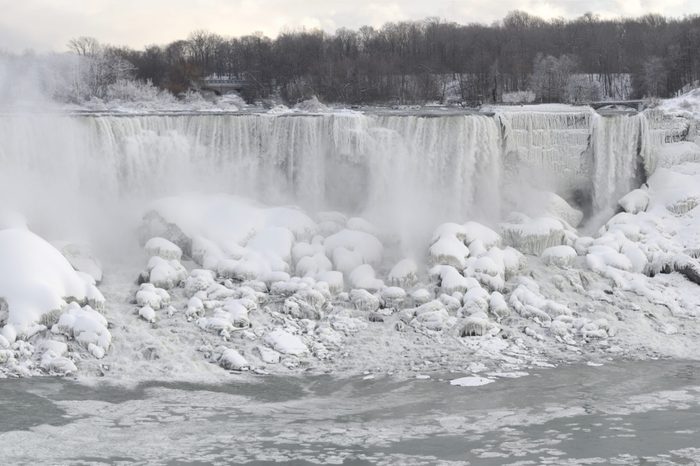
Niagara Falls freezing
In extremely cold weather, whole sections of flowing water can actually freeze. Niagara Falls, on the border of the United States and Canada, is stunning to see any time of year. In winter the falls can look like they’ve actually frozen in action, though in fact, there’s really still water moving underneath the surface. Learn more fun facts about the world’s most beautiful waterfalls.
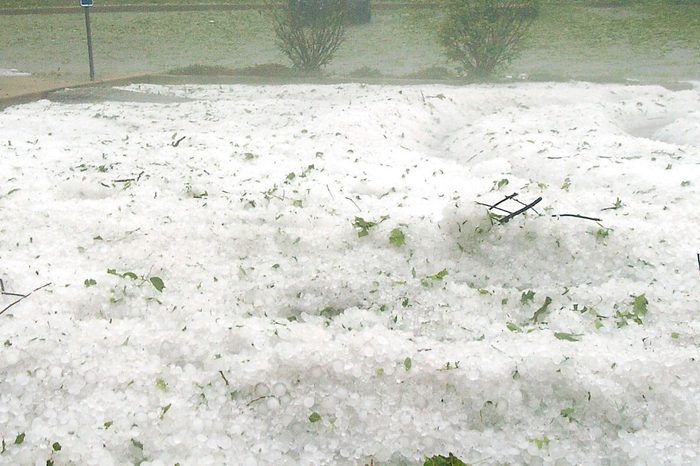
Hail glacier
Hail is simply rain that has frozen before or as it starts to shower down. If there’s enough of it, the hail collects on the ground in big icy mounds. In 2012, the sheer volume of hail and rain from a thunderstorm near Dumas, Texas created a “hail glacier.” Read on for more weird facts about rain you never knew.
Thundersnow
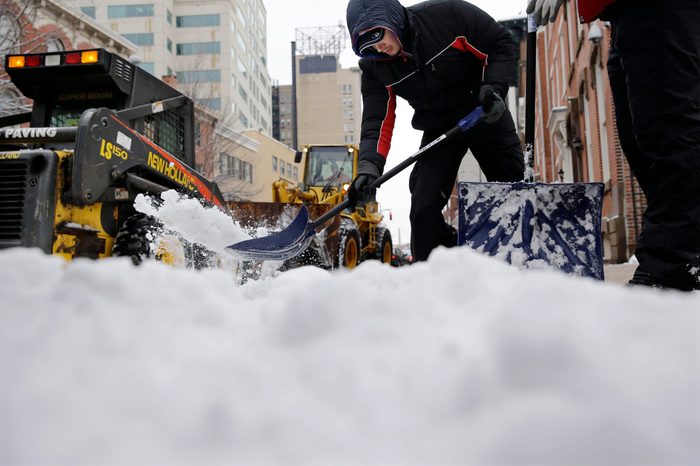
Everyone has heard the sound of thunder during a thunderstorm, but … thundersnow? Yes, thundersnow happens during thunderstorms that create snow, not rain. If you can’t get enough of snow, don’t miss the most beautiful snow-covered towns around the world.
Frozen bubbles of methane
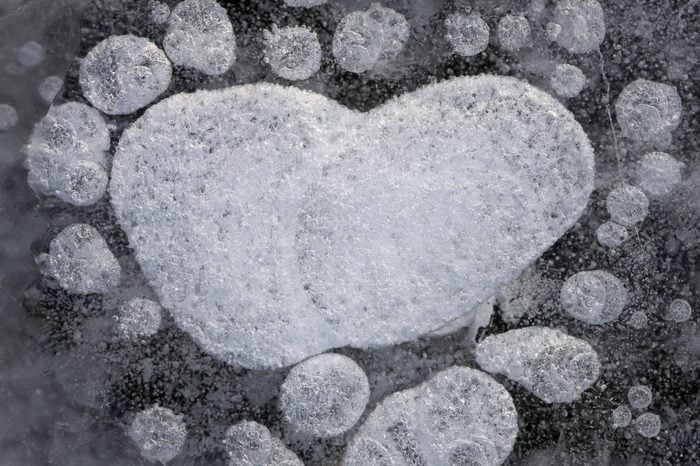
We know what happens when water freezes, but what can happen when a gas freezes? Beneath the surface of Canada’s Lake Abraham in Alberta, bubbles of methane gas freeze on the way to the surface. The appearance—like glittering jewels can be stunningly beautiful, but don’t get too close. According to Smithsonian Magazine, “Methane bubbles form in bodies of water when dead organic matter (leaves and animals) falls into the water and sinks to the bottom, to the delight of bacteria waiting below. The bacteria munches on the matter and poops out methane, which turns to white floating blobs when it comes into contact with frozen water.” While gorgeous to look at, the methane bubbles can be a hazard if popped.
Nor’easter
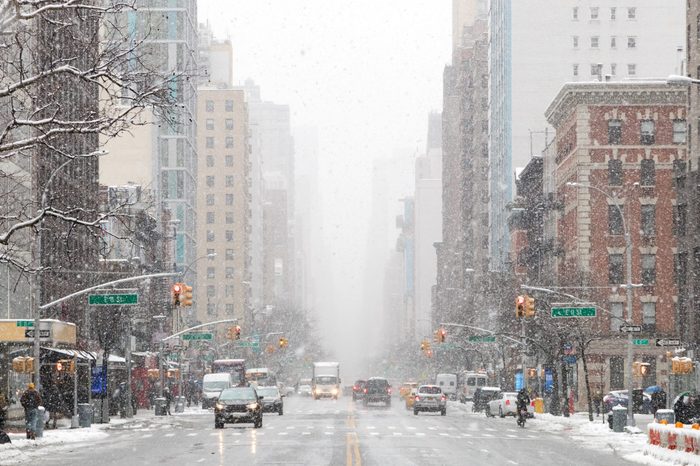
The name of this winter phenomenon seems more self-explanatory than others. This winter storm usually has winds that develop in the northeast of the United States and move along the East Coast. Even though Nor’easter’s can happen anytime of the year, they’re more likely to occur from September and April.
Hoarfrost
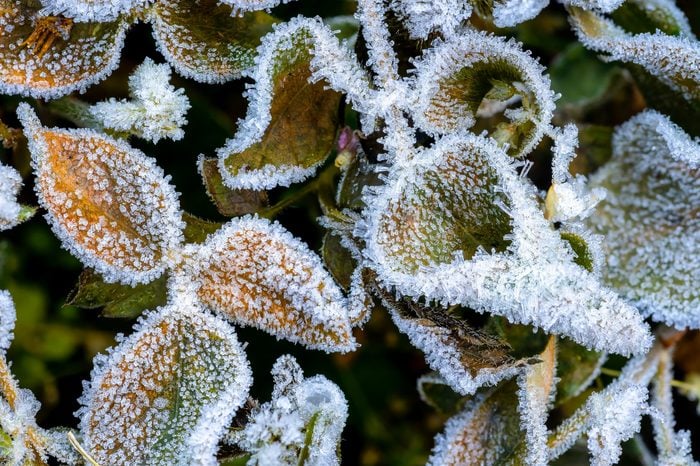
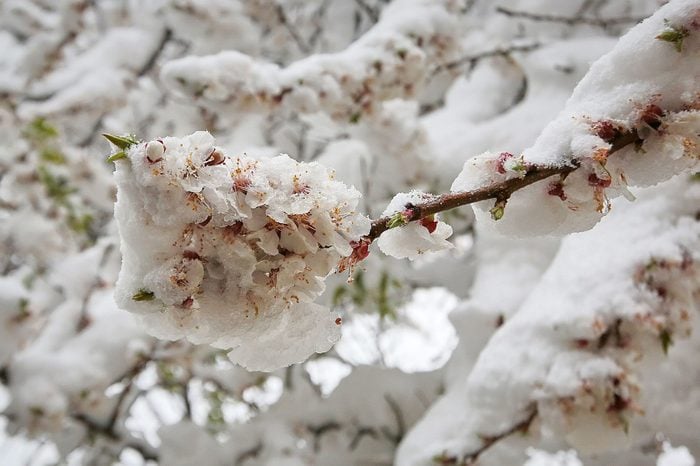
Hoarfrost is similar to frost and gets its name from the Old English meaning of “old man’s beard.” The strangely beautiful effect is caused when moisture in the air turns into to ice crystals that lightly coat an object, usually a plant. Hoarfrost is uncommon, as both the air and the object have to be at or around freezing. You can witness hoarfrost for yourself at one of these life-changing experiences you can only have in America.
Frost quake
You’ve heard of earthquakes, but what about frost quakes? Frost quakes are also called ice quakes or cryoseisms and they happen when there’s moisture beneath the ground. When you have snow fall and there is moisture underground that’s freezing and expanding and pressing against the rock and soil underground, it can crack and produce loud popping and even banging noises. It’s the frozen parts breaking underground that make the sounds heard aboveground.
Bomb cyclone or “bombogenesis”
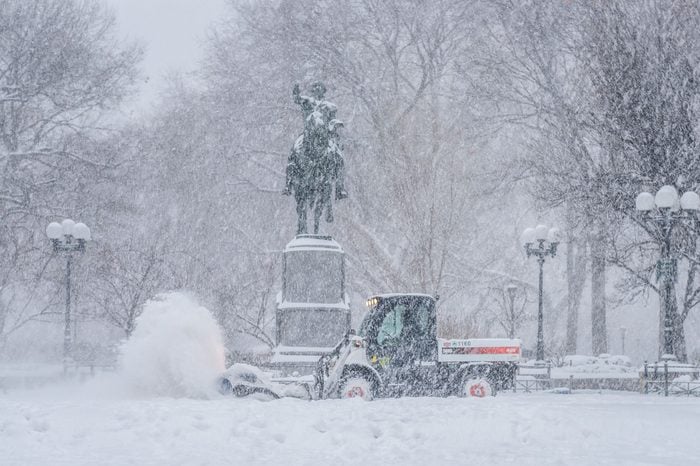
Bombogenesis sounds like a hilarious made up word you’ll want to start using, but it’s actually very real. According to ABC News, “Bombogenesis—or a ‘bomb cyclone”—occurs when the pressure of a storm drops 24 millibars in 24 hours, or at the rate of 1 millibar per hour. A millibar is a measure of atmospheric pressure inside a storm, telling meteorologists how strong or weak the storm system is.” Here are a few other funny words that sound fake but aren’t.
Freezing fog
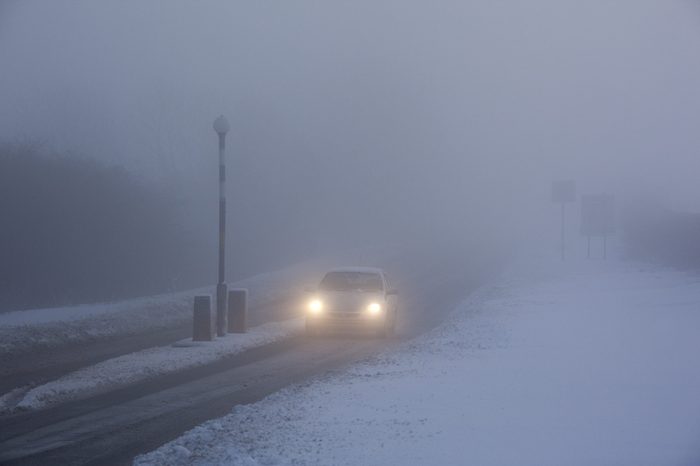
If fog is what happens when a cloud touches the ground, then what’s freezing fog? Typically occurring when temperatures hit freezing or near-freezing, freezing fog can be a real hazard in cold weather climates. “When freezing fog forms, any moisture deposited by the fog onto roadways can also freeze,” AccuWeather Meteorologist Ryan Adamson says. “This can cause icy spots, especially on bridges and overpasses, so motorists need to exercise extra caution when there is fog with temperatures below freezing.” These are some of the weather myths you need to stop believing.
Polar vortex
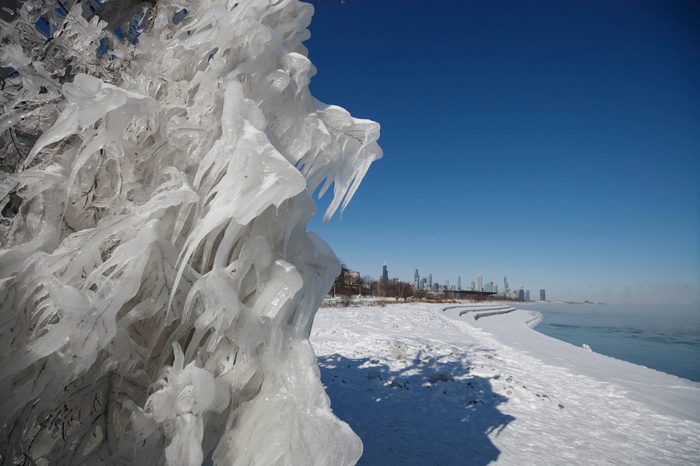
There are a lot of winter occurrences and some may come from the arctic north. The polar vortex surrounds the Earth’s north and south poles. It’s a big expanse of low pressure and cold air. During colder winter months, the polar vortex expands and sends Arctic air hurling along the jet stream to the United States. That’s when you really want to bundle up. This is exactly how to layer clothes this winter to stay warm.
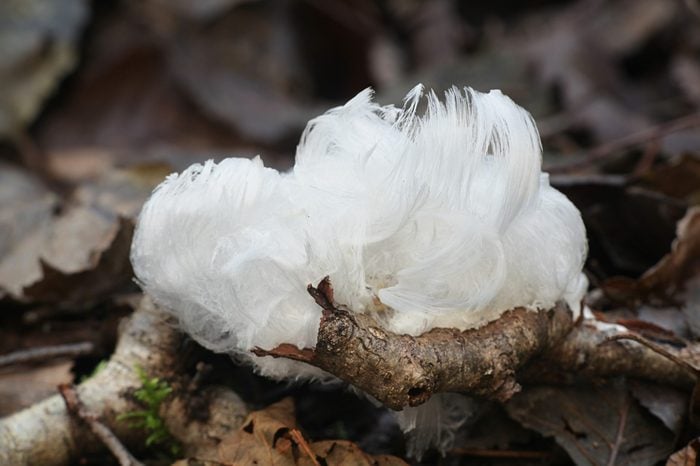
Frost flower
Contrary to the name, a frost flower isn’t exactly a flower. A frost flower is formed in cold weather as the water in plant stems begins to freeze and expand and tiny cracks form. The water vapor leaves these tiny pockets and swirls into the air, then bits of ice form as it freezes. This is a continuous process of water vapor leaving and freezing, producing the flower-like structure you see. Sadly the beautiful frost flowers are too delicate to harvest, as the heat from your hands will melt them before you could get them home. This is the reason why poinsettias are the official Christmas flower. And even though the flowers aren’t pink, it is possible to receive pink snow as another strange natural phenomenon.
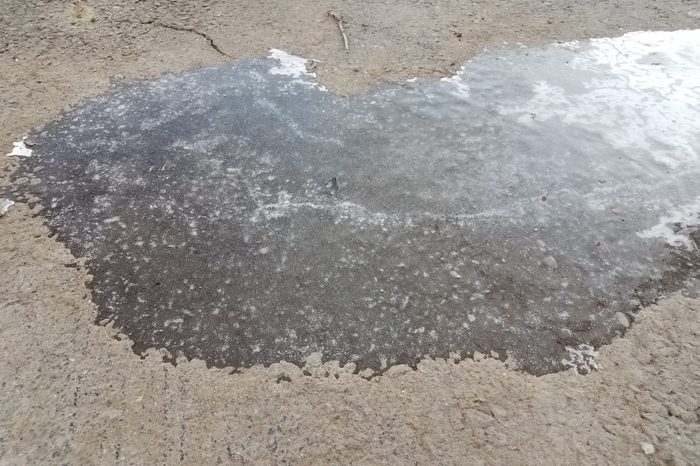
Black ice
Contrary to its name, black ice isn’t actually black. It’s a sheet of thin, transparent ice found on pavement. It’s notoriously difficult to see when driving or even when walking on the street, as the ice appears the same dark color as the roads.
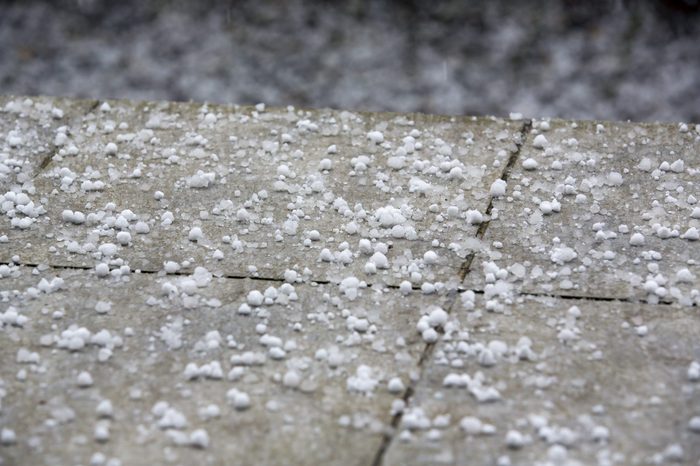
Graupel
Graupel sounds like something out of Grimm’s Fairy Tales, but it’s an actual winter-weather term. A weather report in 1889 first showed the word graupel, which is described as soft hail or pellets of snow. Wordsmiths will enjoy these words that no longer exist—from the first-ever dictionary.
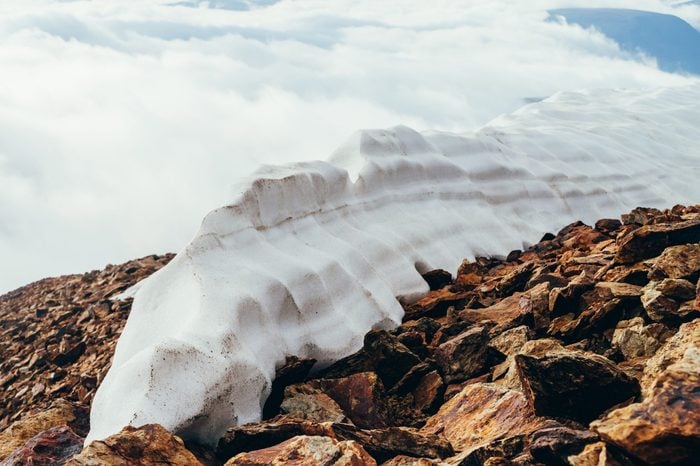
Firn
Firn is the German word for “of last year” and can also be called Névé. Firn is a word used to describe the stage between snow and glacial ice, typically found at the top of a glacier. Nature’s process of compacting the snow takes about a year. Is visiting a glacier on your bucket list? Have a look through these popular destinations that are even better in winter.
Originally Published: January 07, 2020
