


10 Places That Forbid You from Taking Pictures
Updated: Apr. 27, 2023





No matter how historic or picturesque these locations may be, you simply can’t take photos of them.
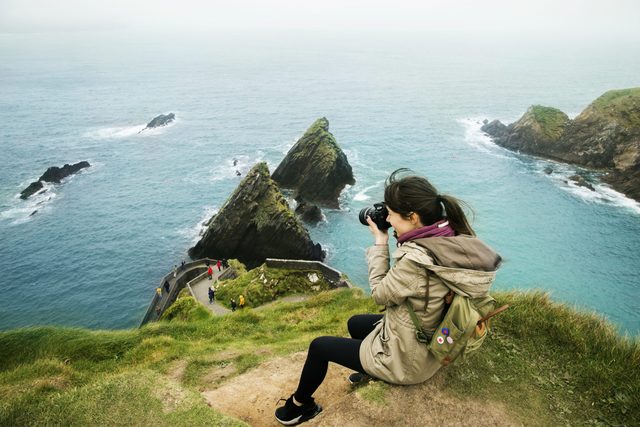
Worth a thousand words
A picture is worth a thousand words…but not at these destinations throughout the world. Some of the best and biggest global landmarks don’t allow personal photography of any kind, so scroll through to see where you need to ditch the camera.
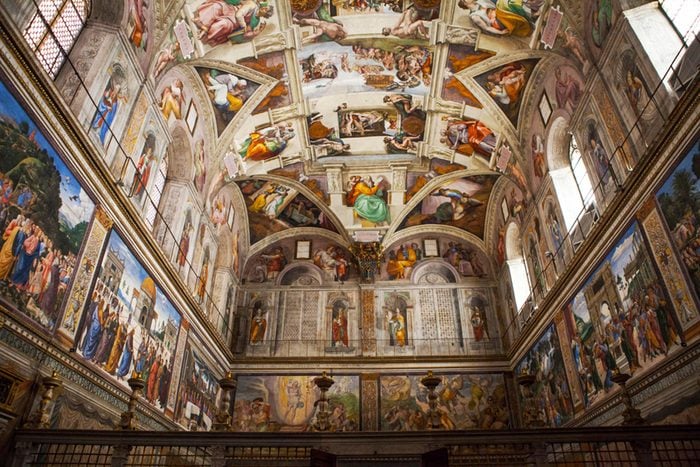
The Sistine Chapel
The Sistine Chapel in Vatican City is one of the most popular tourist attractions in the world, which is why it’s a bummer that tourists aren’t allowed to take photos or videos inside. The chapel went under restoration work from 1980 to 1994, which was funded by the Nippon Television Network Corporation of Japan. The price tag ended up being $4.2 million. In return, Nippon got exclusive rights to film and photograph the artwork. That copyright actually expired three years after each part of the restoration was complete, but the Vatican decided to keep the photography ban in place to protects the precious artwork from harmful camera flashes. These are 14 historic places that are now abandoned.
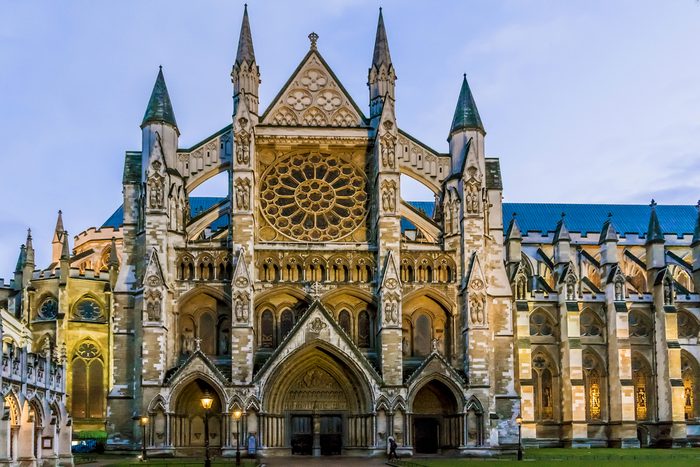
Westminster Abbey
Westminster Abbey isn’t just a gorgeous Gothic church; it’s been the coronation church of British monarchs since 1066. Yet no matter how historic or breathtaking it may be, you’re not allowed to take photos inside it. Luckily, there’s a pretty good reason for it, according to the church’s website: “We want you to take in its unique beauty and history without the distractions that widespread photography would bring. We want to retain the sacred and intimate atmosphere of a building which is, above all, a living, working church.” You are able to take photos inside the Cloisters, Chapter House, and College Garden. These 12 abandoned churches are eerily gorgeous.
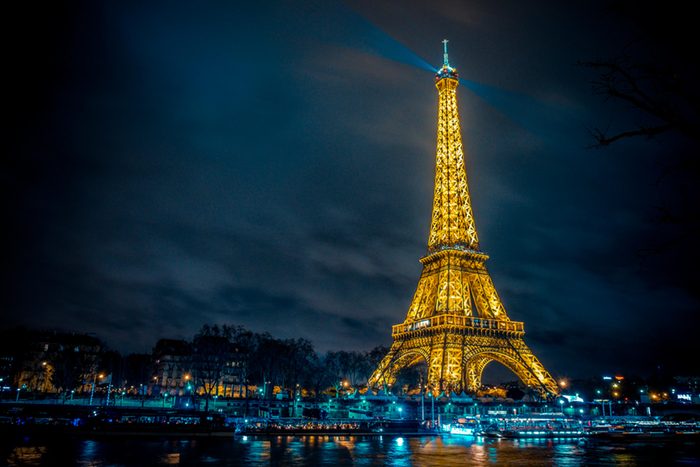
The Eiffel Tower
If you’re planning a romantic getaway to Paris, don’t think about posting a selfie in front of the Eiffel Tower after dark. Taking nighttime photos of the Eiffel Tower is technically illegal, but the issue isn’t with the building itself. The light show on the Eiffel Tower, installed by Pierre Bideau in 1985, is actually an artistic display and protected by copyright, Snopes.com explains. And since the lights shimmer every five minutes from dusk to 1 a.m.—and a dark tower without lights isn’t all that photogenic—snapping a night photo that doesn’t violate the copyright is hardly possible nor desirable.
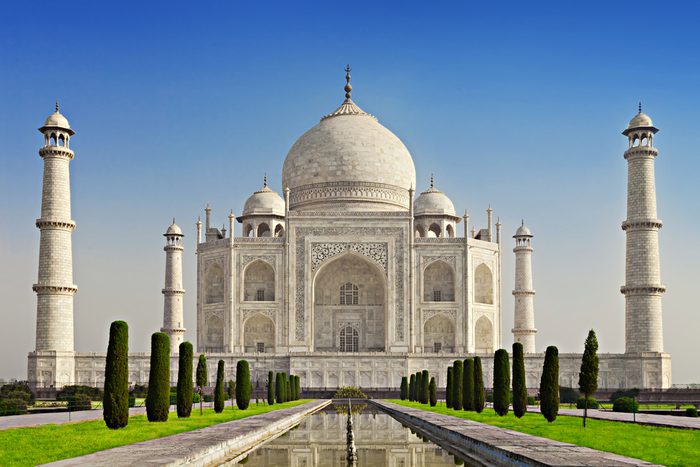
Taj Mahal
Many people incorrectly think that the Taj Mahal in India is a mosque or a palace. In reality, it’s a mausoleum, commissioned by the Mughal emperor Shah Jahan to hold the remains of his late wife. As such, photography is prohibited inside the main mausoleum, and visitors are asked to keep quiet while inside. Check out these international laws you never knew were real.
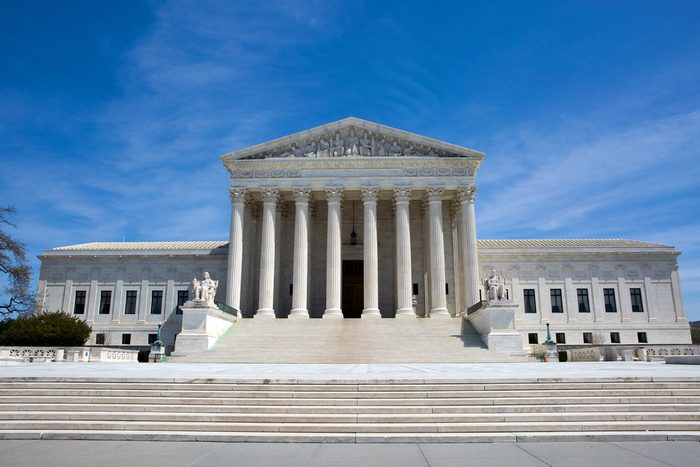
Supreme Court
While you’re visiting the Supreme Court in Washington, D.C., you can certainly take personal photos of the public spaces. However, photography inside the Courtroom, which is most likely the reason you came to the Supreme Court in the first place, is prohibited, thanks to Federal Rule 53. It states: “Except as otherwise provided by a statute or these rules, the court must not permit the taking of photographs in the courtroom during judicial proceedings or the broadcasting of judicial proceedings from the courtroom.” This is the most historic landmark in each U.S. state.
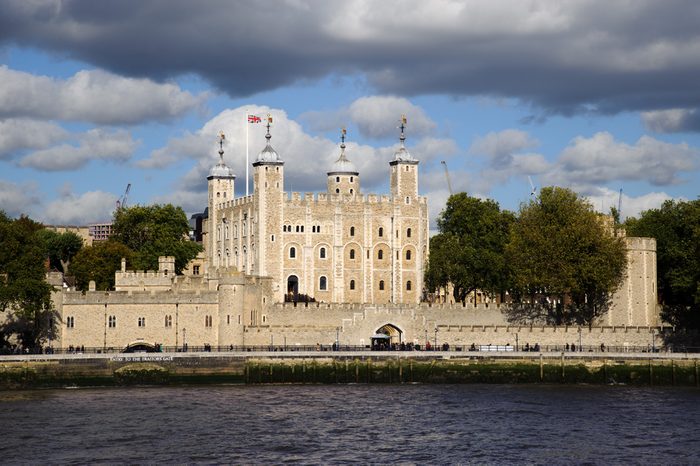
The Tower of London
There’s a lot to see in the Tower of London: the architecture, armor from past royalty, historic artifacts, the Beefeater tour. Arguably the most prized feature is the Jewel House, which has housed the exquisite Crown Jewels since 1661. Sadly, you can’t take photos of the Crown Jewels for security reasons. And with the intimidating security guards watching your every move as you walk through the Jewel House, you won’t want to even try. Don’t miss these 18 bizarre things that have been banned around the world.
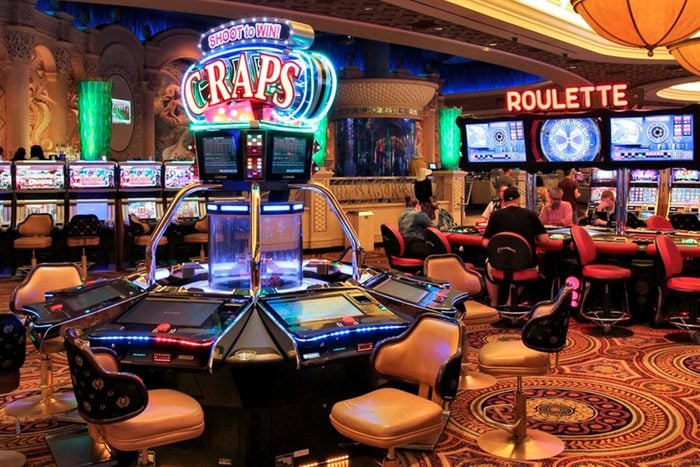
Las Vegas casinos
According to lasvegasadvisor.com, Las Vegas casinos have long prohibited photography and filming on the casino floor to ensure players’ privacy, prevent cheating, and protect the casino from a potential robbery. Today, some casinos still strictly uphold this rule, while others have given leeway to people who just want a few shots of their group for personal use. If you’re unsure of a casino’s photography rules and start snapping away, you can bet security will make their way over and give it to you straight. Not into gambling? Here are 13 things to do in Las Vegas that don’t involve casinos.
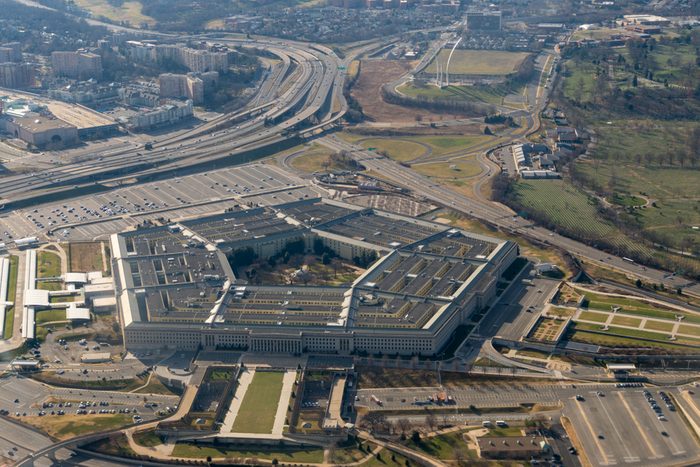
The Pentagon
As the headquarters of the U.S. Department of Defense, it makes sense that security is strict at the Pentagon. You can only explore it as a civilian by going on an official tour, and once you arrive, no photos are allowed inside or outside the building. In fact, you can’t even take your cell phone inside. Want to know more? Here are 14 fascinating facts you never knew about the Pentagon.
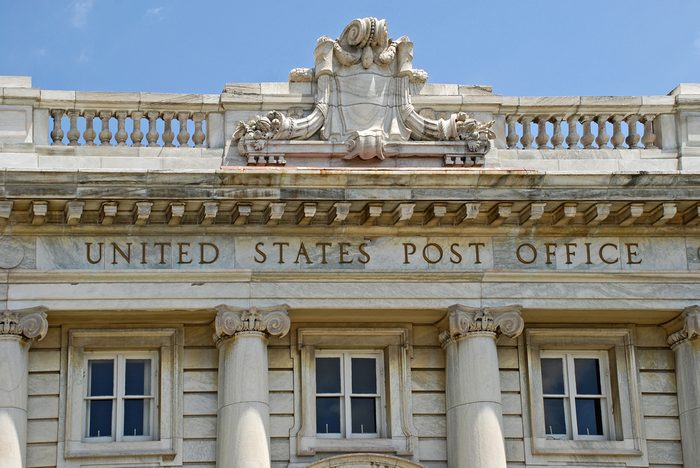
The post office
So far, none of the locations on this list should have been too surprising. But the post office? Really? Yes, there are actually guidelines for taking photos inside a U.S. post office. You can only take photos for personal use at the discretion of the postmaster, as long as they don’t disrupt the employees and are taken in areas that are accessible to the public. But wait, there’s another big caveat: “No picture can depict any Postal Service employee, customer, security camera, or cover of mail (i.e., the exterior of a mailpiece, which would show customer name and address among other things).” Once all of those things are taken out of the equation, there’s not a whole lot you’d want to take a photo of anyway. Here are more strange things you won’t believe are banned in the United States.
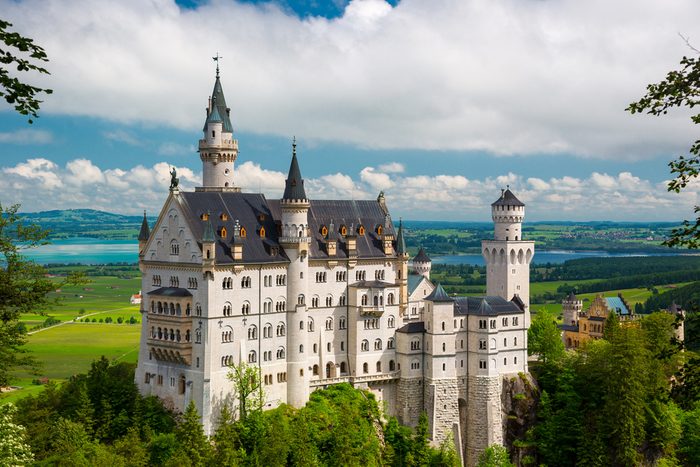
Neuschwanstein Castle
Also called “the castle of the fairy-tale king,” this 19th-century palace is among the most visited castles in Germany and the world. Sadly, no photography or filming is allowed inside, but at least you can capture its Disney princess castle vibes from the outside. Next, read up on these 10 forbidden places no one is allowed to visit.
Sources:
- Mentalfloss.com. The Reason Why No Photography is Allowed in the Sistine Chapel.
- Westminster-abbey.org. Access, facilities, and FAQ.
- Snopes.com. Is it Illegal to Take Photographs of the Eiffel Tower at Night?
- Theatlantic.com. Why Aren’t Cameras Allowed at the Supreme Court Again?
- Hrp.org.uk. Tower facilities.
- Lasvegasadvisor.com. Can We Take Photographs in Casinos?
- USPS.com. Requests for Filming and Still Photography on Postal Service Premises.
