


45 Secret Quirks of all 45 U.S. Presidents

Updated: May 23, 2024





Even presidents have their secrets.
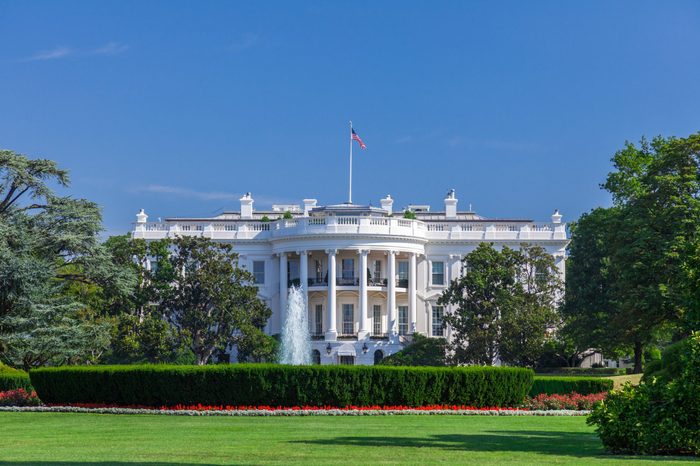
More than meets the eye with these secret president quirks
Presidents of the United States of America are some of the most visible public figures in the world, but that doesn’t mean we know everything about them. Whether it’s playing multiple musical instruments, to gracing the cover of Cosmopolitan, to trying to get a stuffed possum to take off, there’s plenty still to learn about these leaders of the free world. See if you can correctly answer these presidential trivia questions everyone gets wrong.
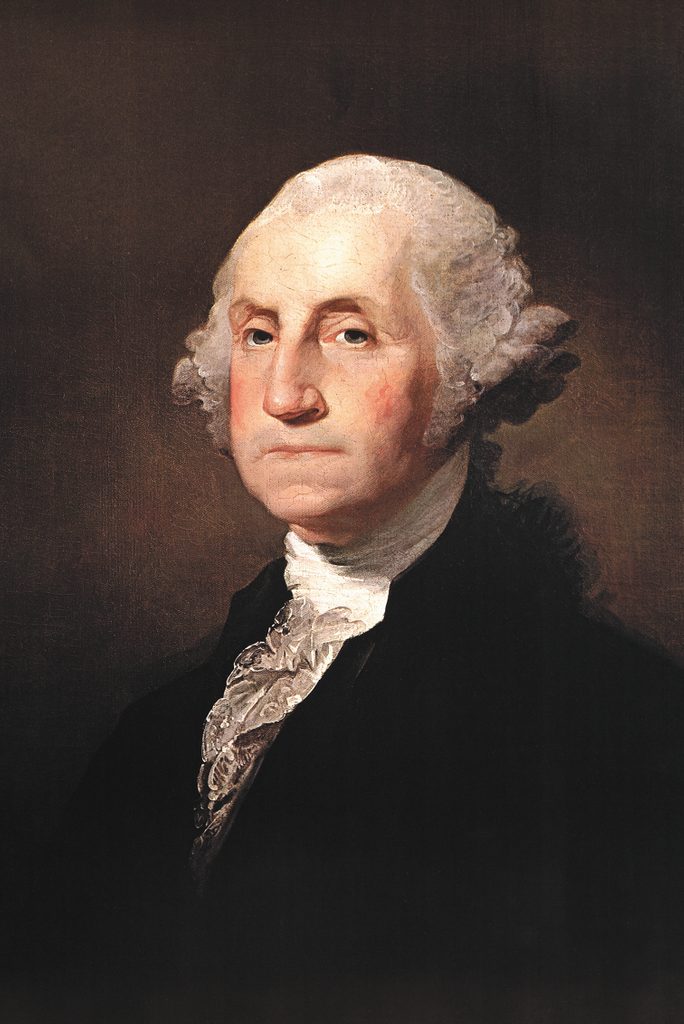
George Washington’s dentures were made of something much worse than wood
Though it’s a commonly held belief that George Washington’s false teeth were made from wood, that’s not the case—and far less disturbing than the truth. His dentures were actually made from a combination of animal bone, some of his original pulled teeth, and human teeth he purchased from some of the enslaved people who worked for him. Though this sounds too horrific to be true, the sales receipts from the purchase of the teeth still exist. Also, given that Washington had dental problems his entire life, he ended up having multiple sets of false teeth—not a single wooden set. Here are 11 other surprising facts about George Washington that you didn’t learn in school.
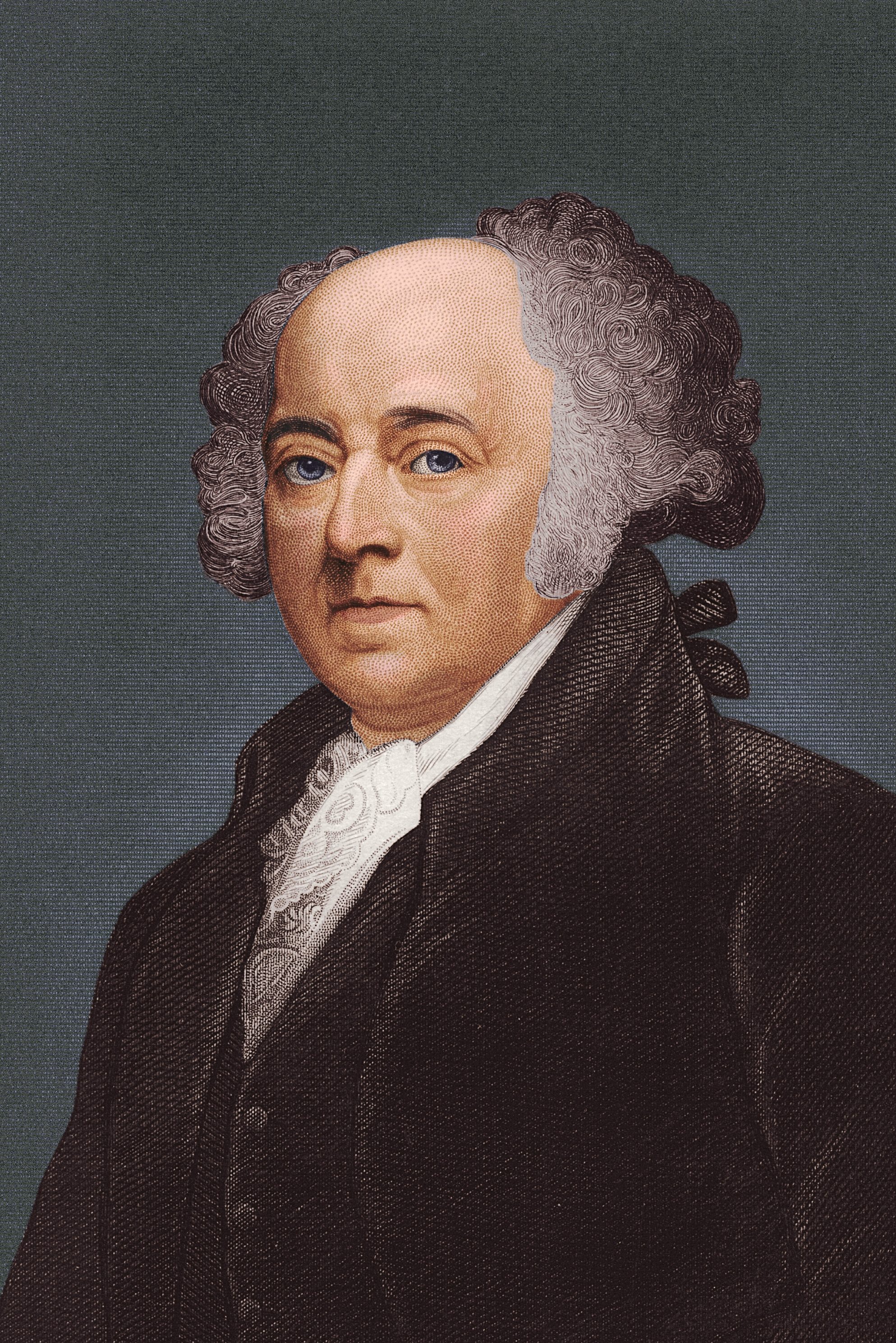
John Adams once shared a bed with Benjamin Franklin
The second president of the United States was a pretty interesting guy who lived to be 90. And during his long life, he had plenty of adventures and experiences—including bunking with fellow founding father Benjamin Franklin. As both men were headed from Philadelphia to Staten Island for a meeting, they ended up traveling through New Brunswick, New Jersey. That must have been a popular spot, because there was only one bed available that night. “The chamber was little larger than the bed, without a chimney and with only one small window,” Adams wrote.
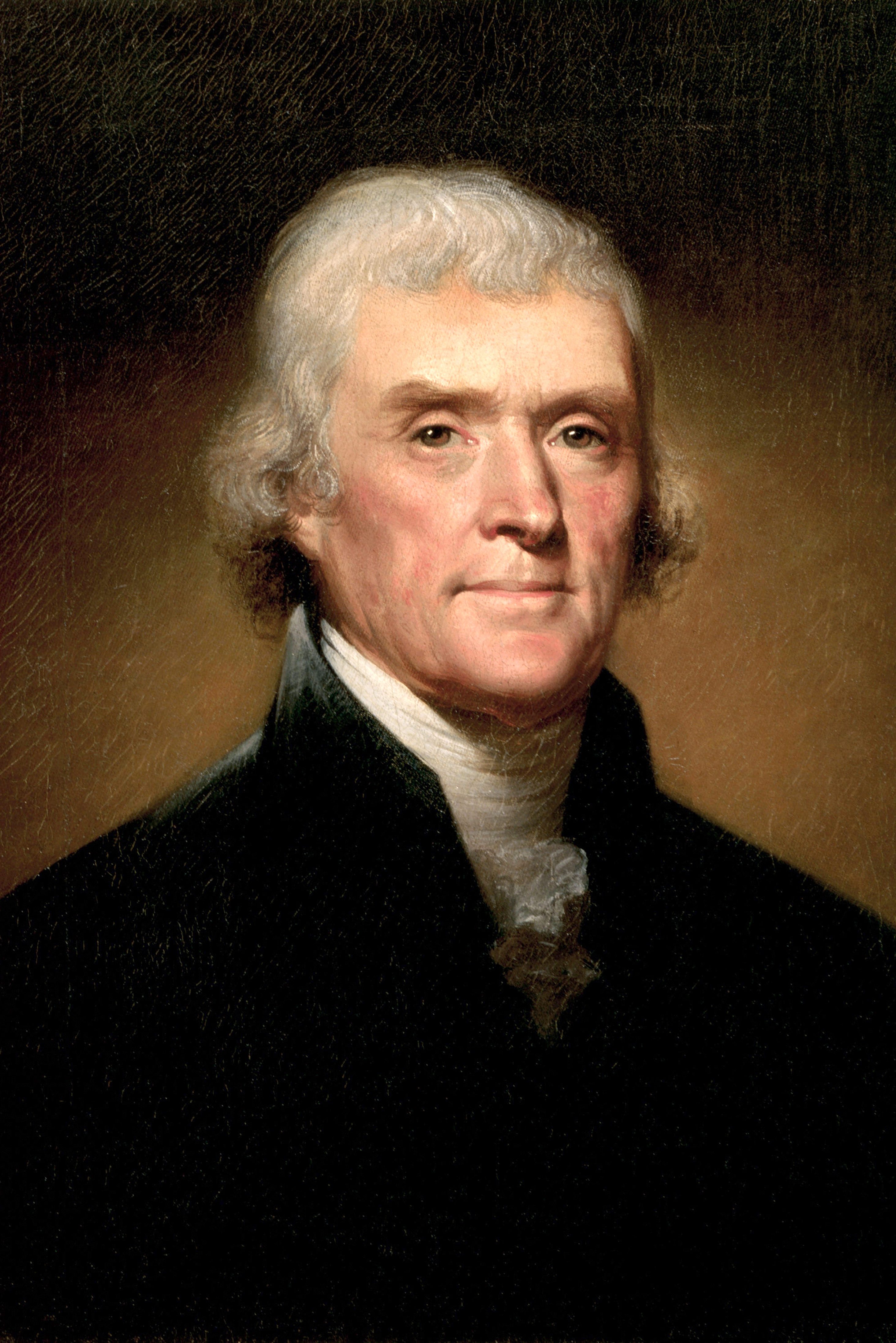
Thomas Jefferson loved mastodons
Like many kids, Thomas Jefferson went through a phase where he wanted to be a paleontologist and study ancient life forms. Except he didn’t really outgrow it. More than anything else, he was fascinated with mastodons, a type of prehistoric elephant. Even after he moved into the White House, Jefferson spent time with mastodon bones, spreading them out across the floor. Part of his interest stemmed from the fact that he believed that mastodons still existed in the American West. In fact, it’s one of the primary reasons he sent Meriwether Lewis and William Clark on their expedition to get a better grasp on the undiscovered West.
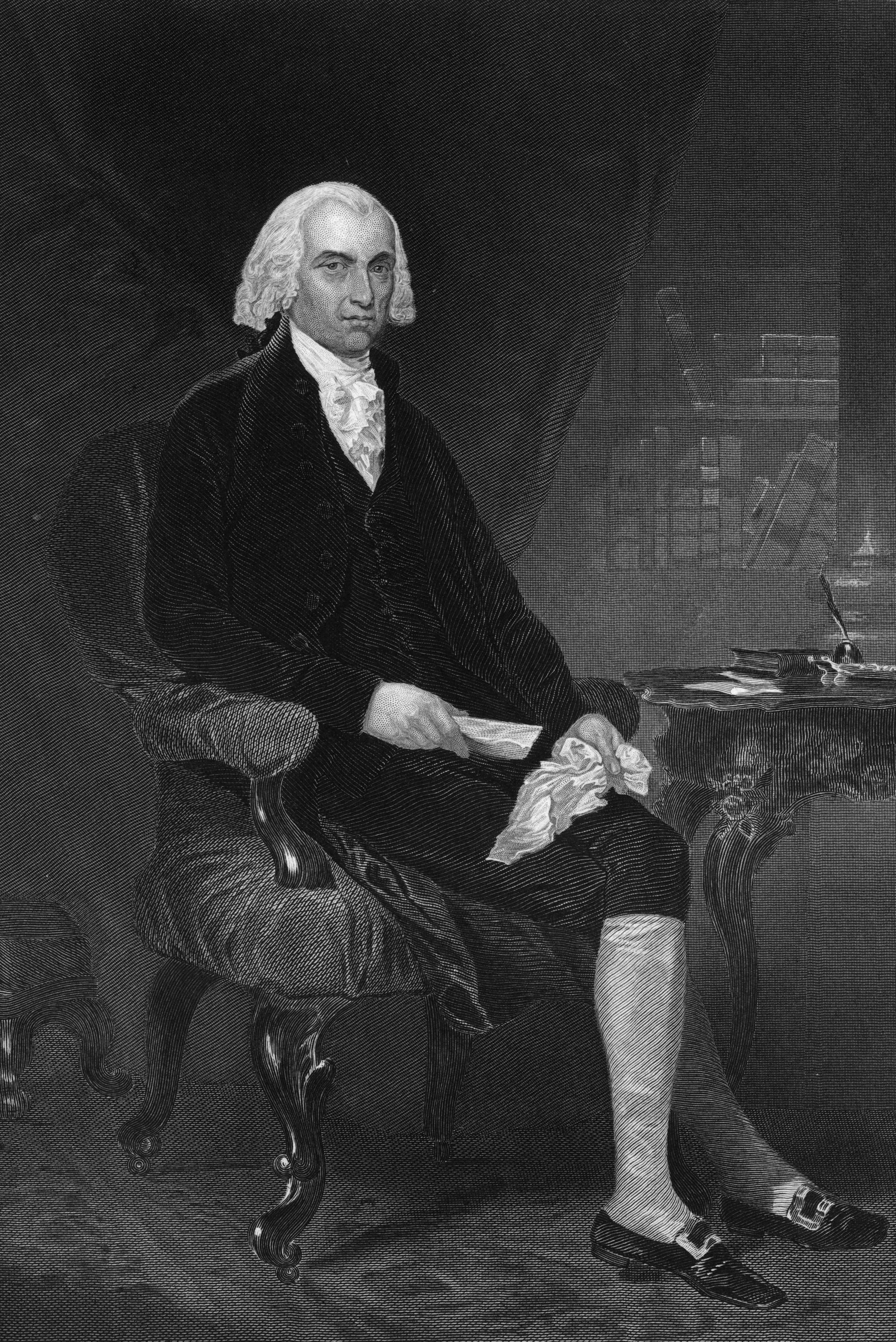
James Madison was a pocket-sized president
We tend to think of presidents are figures that loom large—literally and figuratively. But that wasn’t the case with James Madison, who was only 5’4″ tall and rarely weighed more than 100 pounds. It didn’t help matters that his voice was especially weak, which made it difficult for people to hear him when he spoke or made speeches. Though he was known for his intellect, his stature and demeanor didn’t go unnoticed: the wife of a Virginia politician once labeled him “the most unsociable creature in existence.” That’s not a kind description of the man considered the “Father of the Constitution.”
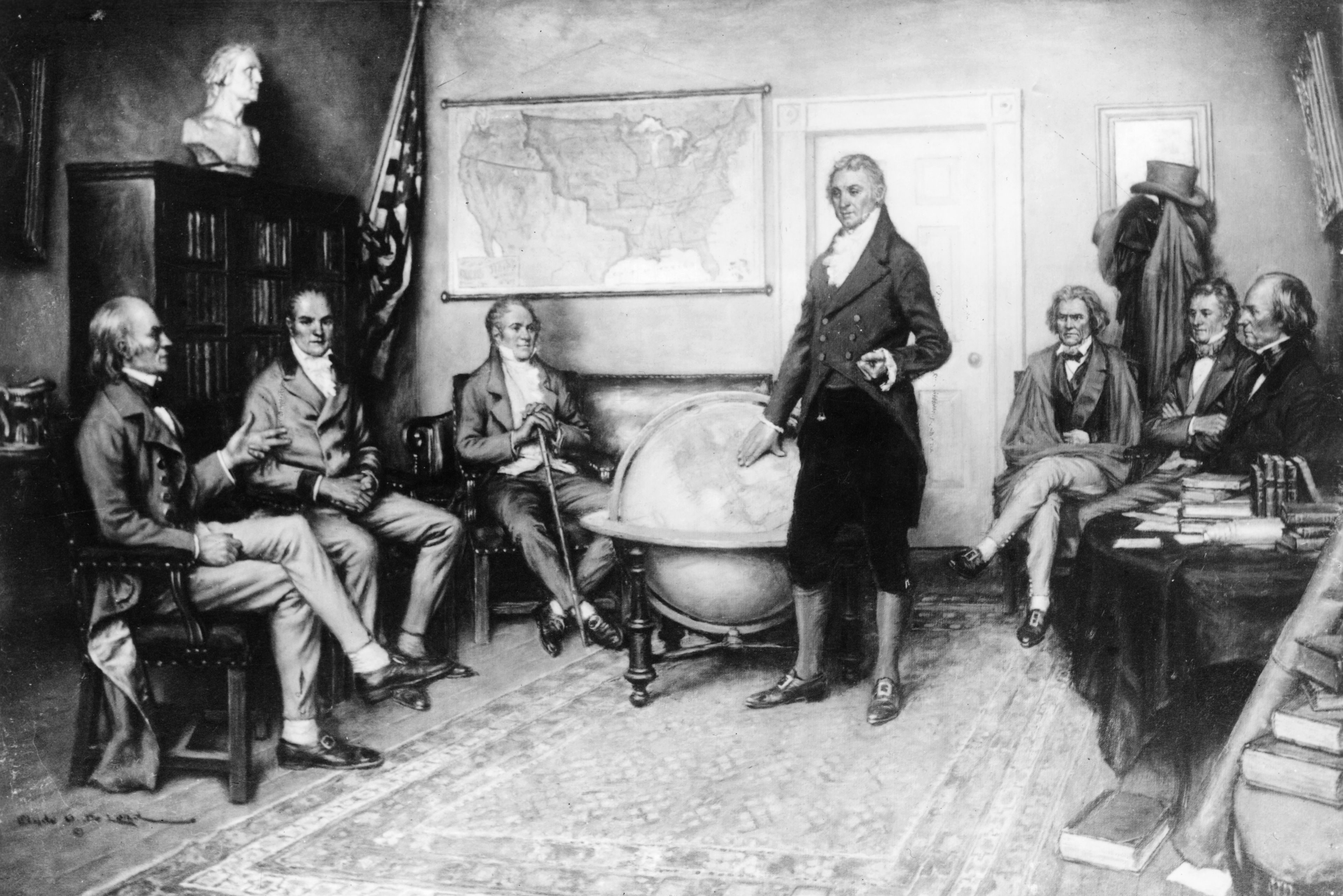
James Monroe’s fashion was outdated
To those of us living in 2020, the clothing worn by America’s earliest presidents looked pretty similar: dark pants, high white socks, black buckled shoes, topped off with powdered wigs. But in reality, fashion is constantly changing—even back then. That’s what made James Monroe’s clothing choices stand out: he was the last president to stick with the fashion of the Revolutionary War period, earning him the nickname “The Last Cocked Hat.” One man who visited the White House in 1825 had this to say of Monroe’s appearance: “He is tall and well-formed. His dress plain and in the old style, small clothes, silk hose, knee-buckles, and pumps fastened with buckles. His manner was quiet and dignified.”
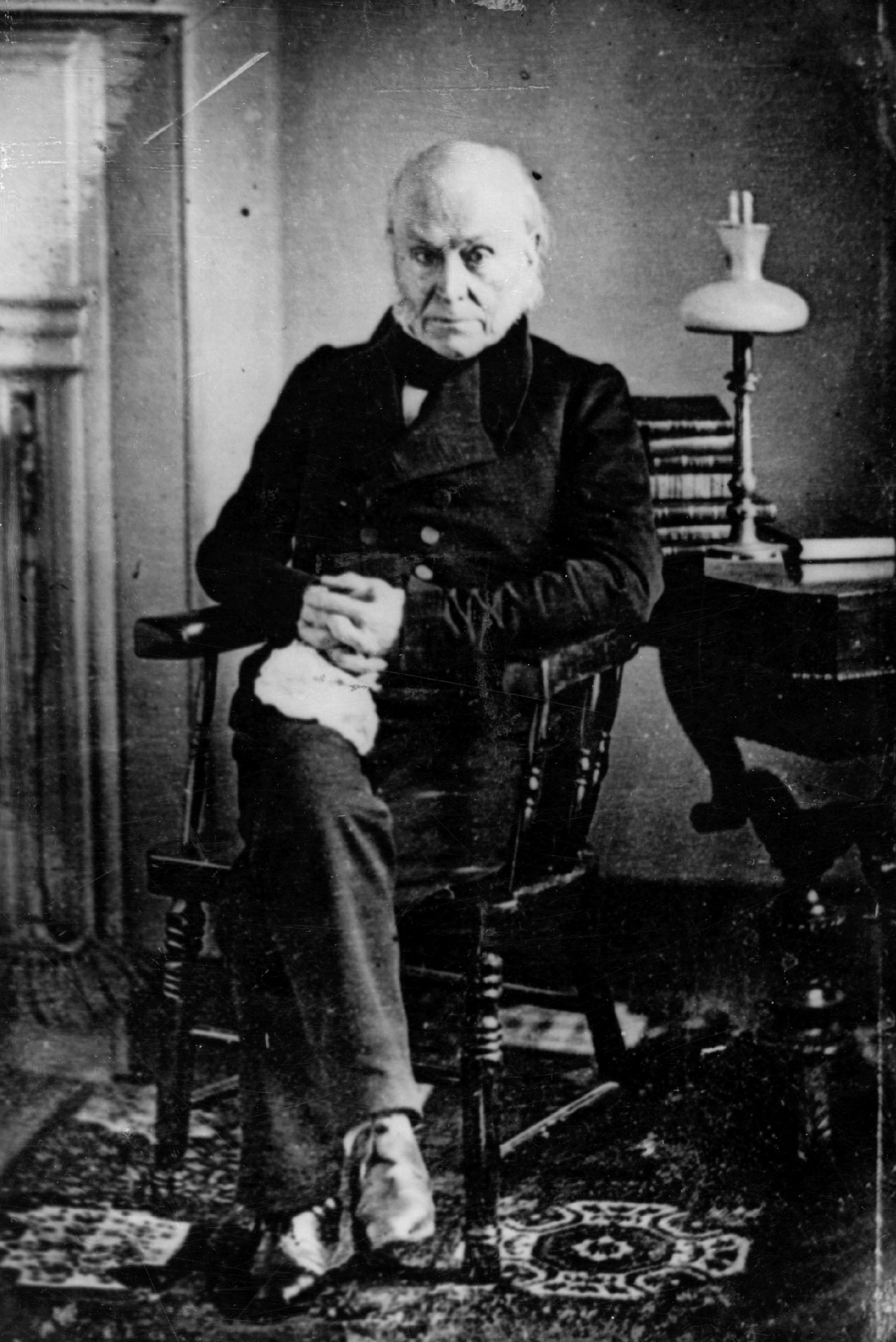
John Quincy Adams enjoyed early-morning skinny dipping
America’s sixth president was a second-generation Commander-in-Chief and a pretty serious guy. But when it came to getting some exercise and fresh air in the mornings, he had a slightly unorthodox method: skinny-dipping in the Potomac River at 5 a.m. Writing in his diary in 1818 (seven years before he would assume the office of president), Adams detailed his morning routine: “I rise usually between four and five—walk two miles, bathe in Potowmack river, and walk home, which occupies two hours—read or write, or more frequently idly waste the time till eight or nine when we breakfast—read or write till twelve or one, when I go to the office; now usually in the carriage—at the office till five then home till dinner. After dinner read newspapers till dark; soon after which I retire to bed.”
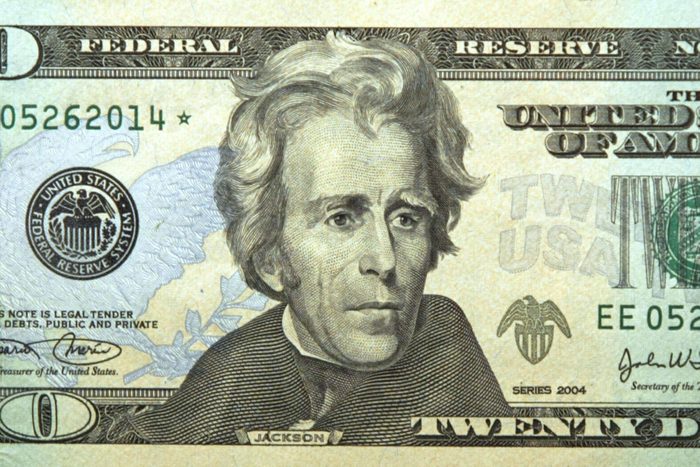
The face on the $20 bill didn’t believe in paper currency
Andrew Jackson had a lot of strong opinions—including some that resulted in duels. But one of his more unusual stances was on paper money: namely, that it shouldn’t exist. These feelings stem from a time when he took a financial hit because of devalued paper notes and therefore believed that paper currency should not be insured by state and/or national banks. Instead, he preferred that only gold and silver be used as currency. Not only did Jackson’s wish fail to come true, but he also ended up on the $20 bill, as well as previous iterations of the $5, $10, $50 and $10,000 bills, as well as the Confederate $1,000 bill. See if you can match the president to the U.S. currency.
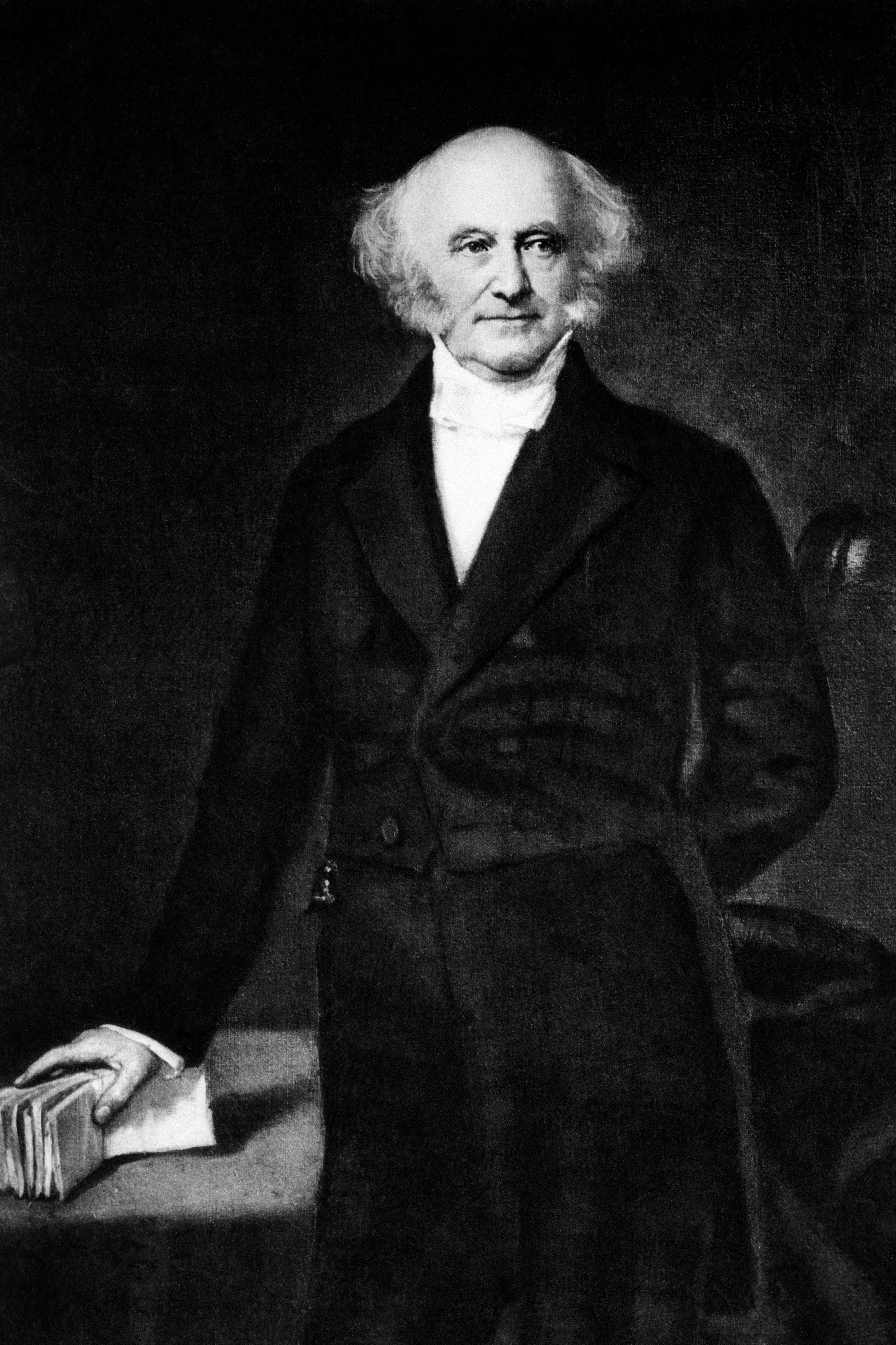
Martin Van Buren was the first president born in the United States
Born in Kinderhook, New York in 1782, Martin Van Buren was the first president technically born in the United States of America (in other words, after the Revolutionary War). But despite holding this place in history, he was also the only president whose first language was not English—it was Dutch. This was the case because the village of Kinderhook was relatively isolated and had a large Dutch-speaking population, which included Van Buren’s parents. As a result, the eighth president didn’t learn how to speak English until he attended school in the late 1780s. Find out more presidential firsts you didn’t learn about in school.
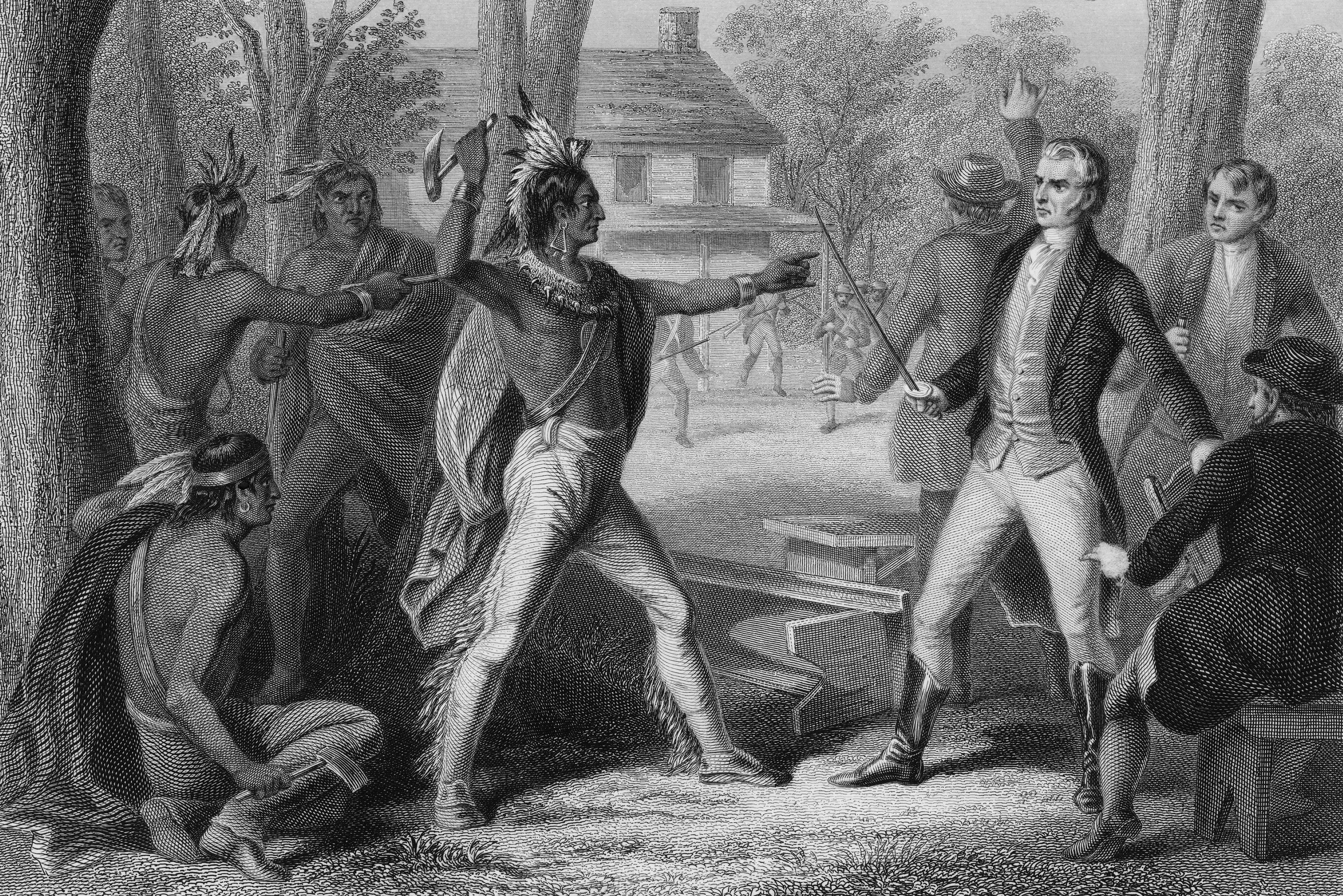
William Henry Harrison’s feud with Native Americans ended in a natural phenomenon
Before he was the ninth president, William Henry Harrison was the governor of the Indiana Territory. But this area was much larger than present-day Indiana: it encompassed the future states of Indiana, Illinois, Michigan, Wisconsin, and eastern Minnesota, from 1801 to 1812. While attempting to annex land belonging to Native Americans, Harrison was in a feud with Shawnee leaders Tecumseh and his brother Tenskwatawa, a self-proclaimed prophet. Part of this involved Harrison writing Tenskwatawa a letter taunting him and his alleged prophetic abilities, requesting that he “cause the sun to stand still-the moon to alter its course-the rivers to cease to flow-or the dead to rise from their graves.” As it turns out, this did happen when there was a solar eclipse in the summer of 1806.
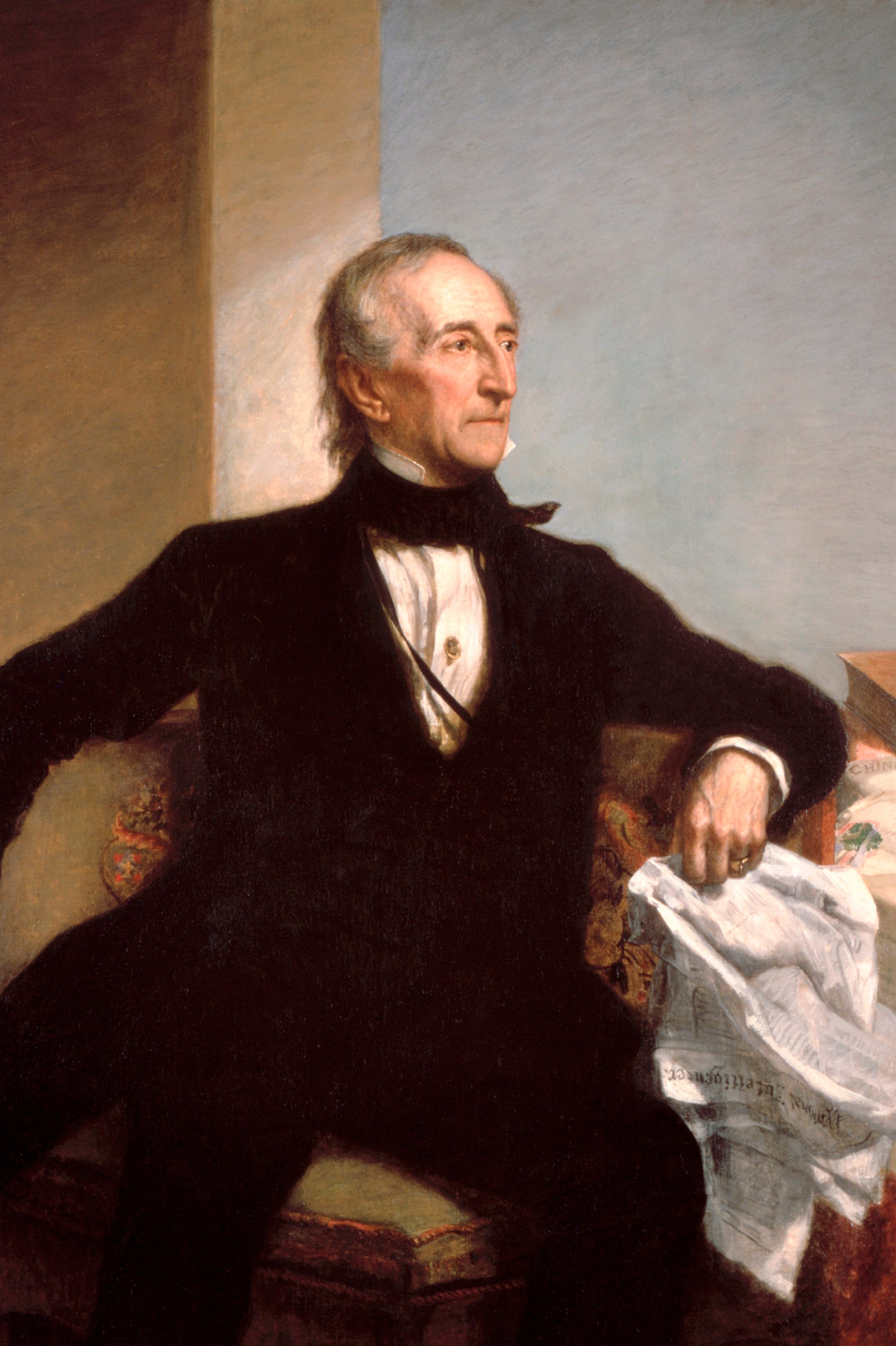
John Tyler was quite virile
The tenth president, John Tyler, had more children than any other president: a total of 15 with two different wives. His first eight children were born to his first wife, Letitia, who fell ill and died in the White House in 1842. Their names were Mary, Robert, Anne, John, Letitia, Elizabeth Alice, and Tazewell. Tyler then had seven additional children with his second wife, Julia: David, John, Julia, Lachlan, Lyon, Robert, and Pearl. Believe it or not, two of his grandchildren are still living (or at least they were as recently as 2018).
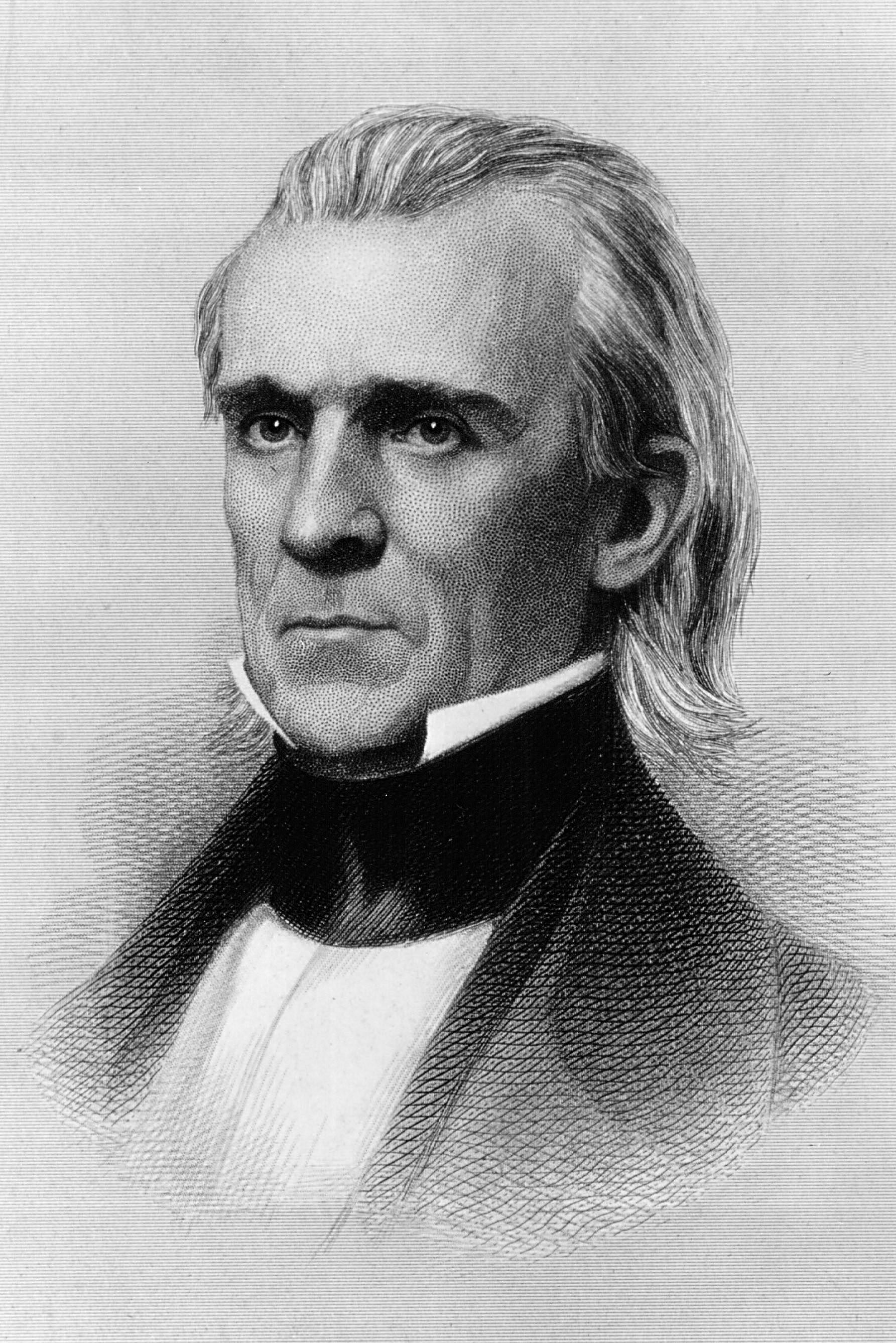
The grave of James Polk keeps moving
When James K. Polk died of what was likely cholera right after leaving office in 1849, he was buried in a city cemetery near the outskirts of Nashville, as was customary when someone perished from an infectious disease. Then, a few months later he was re-interred near his Nashville mansion, Polk Place. But alas, that was not to be his final resting place. In 1893, Polk’s tomb was moved yet again to the state Capitol grounds. Though he has been there for more than a century, legislators in Tennessee are deciding whether to move him for the fourth time to his old family home in Columbia, Tennessee.
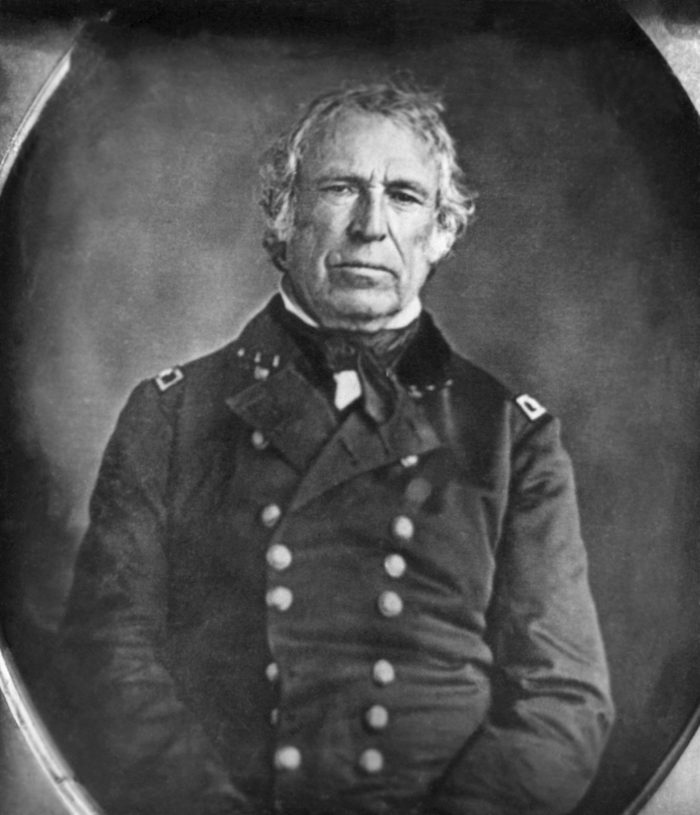
Zachary Taylor may not have been poisoned after all
Twelfth president Zachary Taylor spent a lot of years in the military, serving from 1808 to 1848. He participated in several armed conflicts, including the War of 1812, the Black Hawk War, the Second Seminole War, and the Mexican War. But despite surviving many wars, Taylor only lasted 16 months in office. Though some initially believed that he was poisoned because of his anti-slavery stance, we now know that was not the case. More than 140 years after his death, Taylor’s body was exhumed and scientists conducted tests to determine his actual cause of death. As it turns out, he had not been poisoned. Instead, he died as a suspected result of cholera that it is thought he contracted through bacteria from eating cherries and drinking milk on a hot summer day. Why exactly he died is one of 15 presidential mysteries that have never been solved.
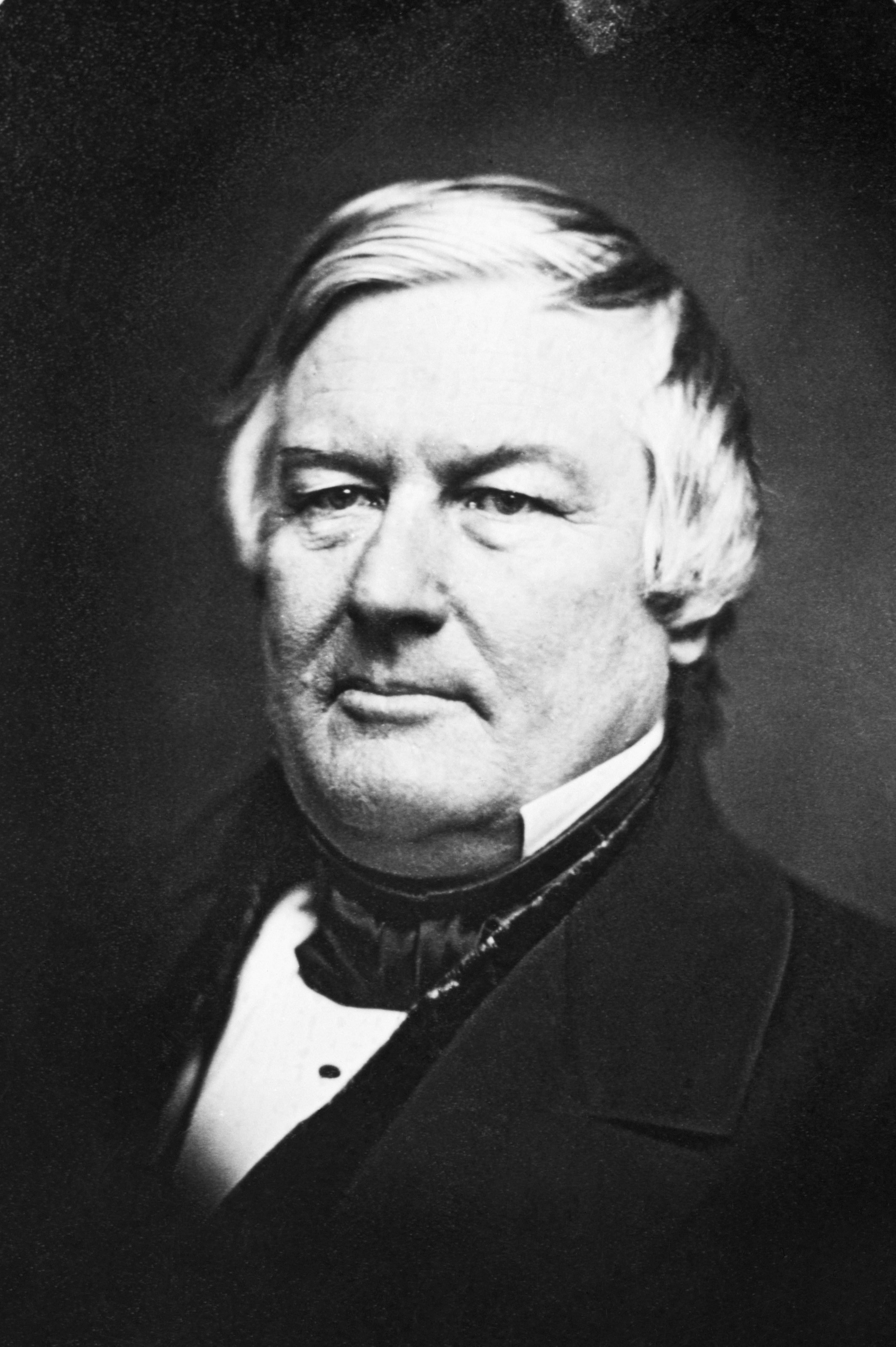
Millard Fillmore had advanced views on health
After taking a temperance pledge in his 20s, Millard Fillmore tended to stay away from alcohol and tobacco out of concern for his health: a viewpoint that was relatively rare at the time. “It’s been reported that he was especially vigilant about the presentation of physical health, leading him to take great care to maintain a healthy lifestyle regimen,” Henna Hundal, the host of a nationally syndicated radio program that focuses on presidents and the 2020 election tells Reader’s Digest. His position, however, was limited to himself: Fillmore was also known for offering guests a drink from a large collection of spirits.
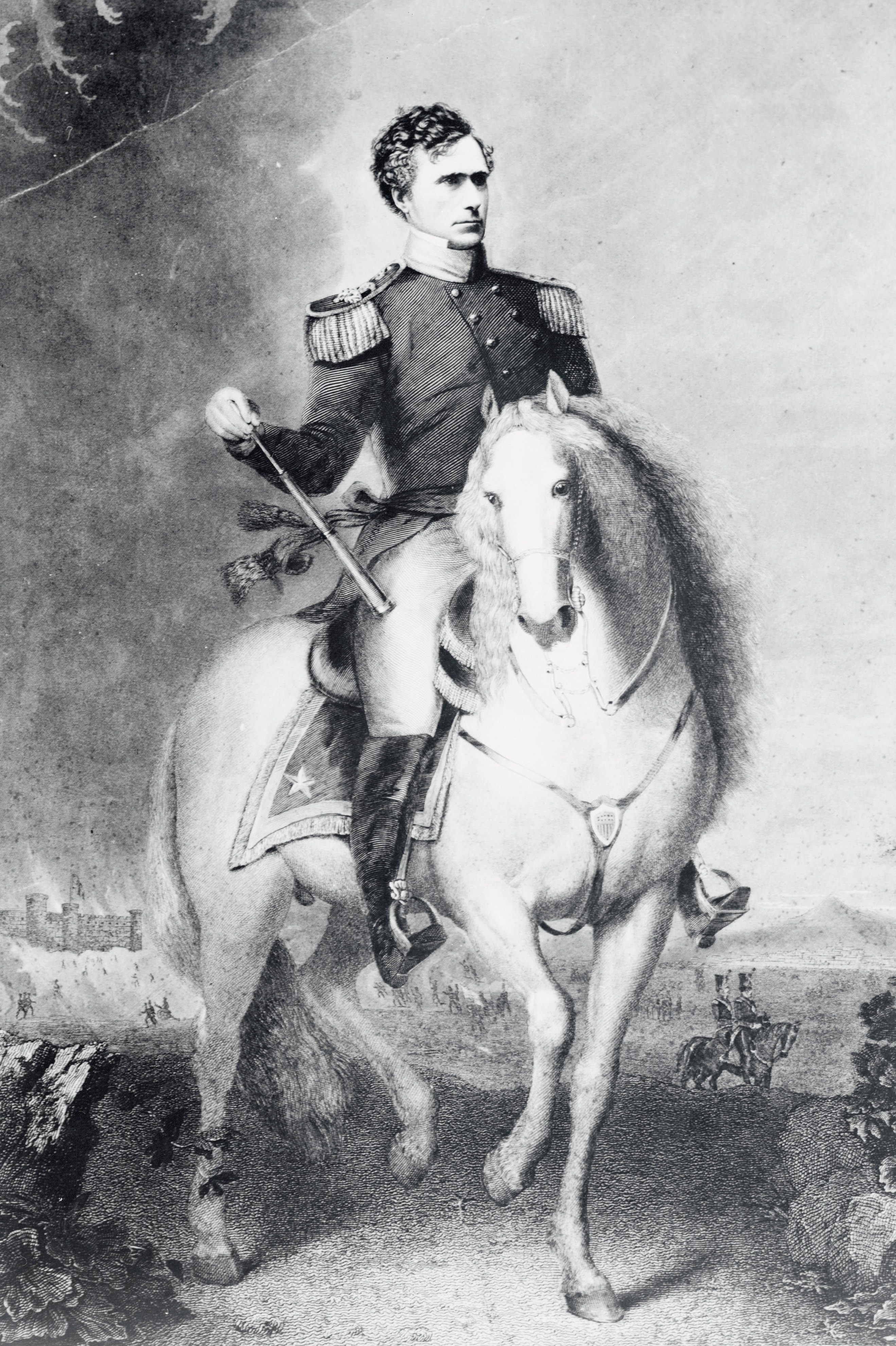
Franklin Pierce was arrested in office
When we think of presidents that have been in trouble for possible crimes while in office, Franklin Pierce may not immediately come to mind. But that was the case when he was arrested for running over an old woman with his horse. However, in 1853, the court ruled that there was insufficient evidence to convict him and the charges were dropped. In addition, during Pierce’s presidential campaign, the Democratic party had one of the best campaign slogans in U.S. history: “We Polked you in 1844; we shall Pierce you in 1852.”
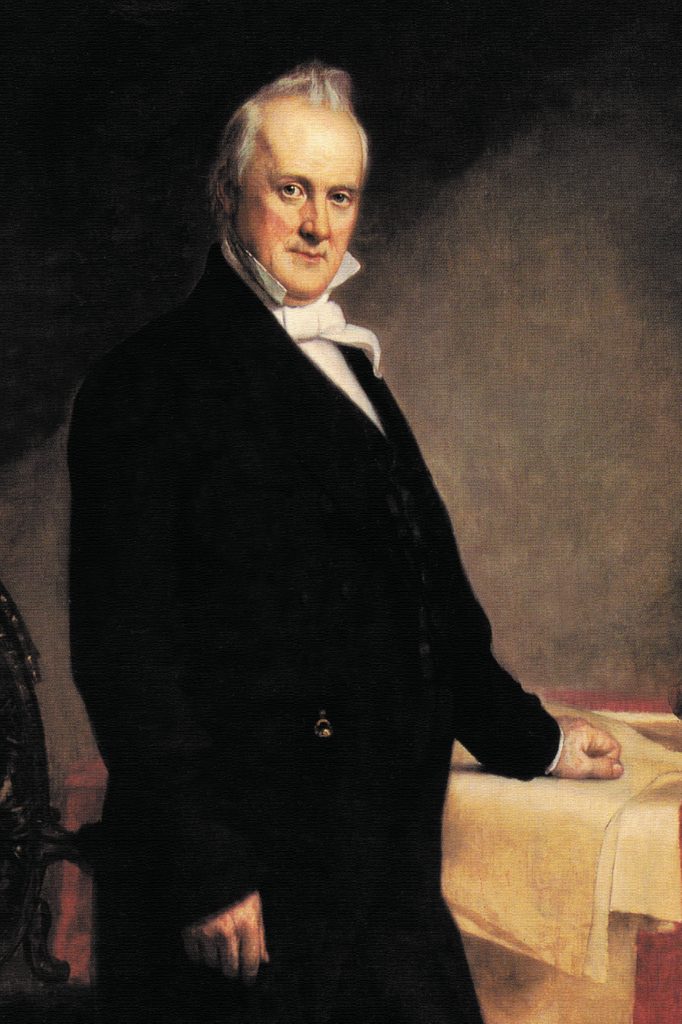
James Buchanan was a lifelong bachelor…sort of
The 15th president, James Buchanan, was the only president to remain a bachelor his whole life, meaning that he never got married. He was once engaged to a woman named Ann Coleman, but she broke off the engagement and then died a few days later. Some presidential scholars also hypothesize that Buchanan may have had at least one romantic relationship with a man. Despite both being independently wealthy, Buchanan and Alabama Senator William Rufus King shared a single room at a Washington, D.C. boarding house for more than 10 years. This did not go unnoticed: Andrew Jackson referred to them as “Miss Nancy and Miss Fancy,” and one newspaper described the relationship as a “conspicuous intimacy.” Here are 15 other famous people who chose to stay single.
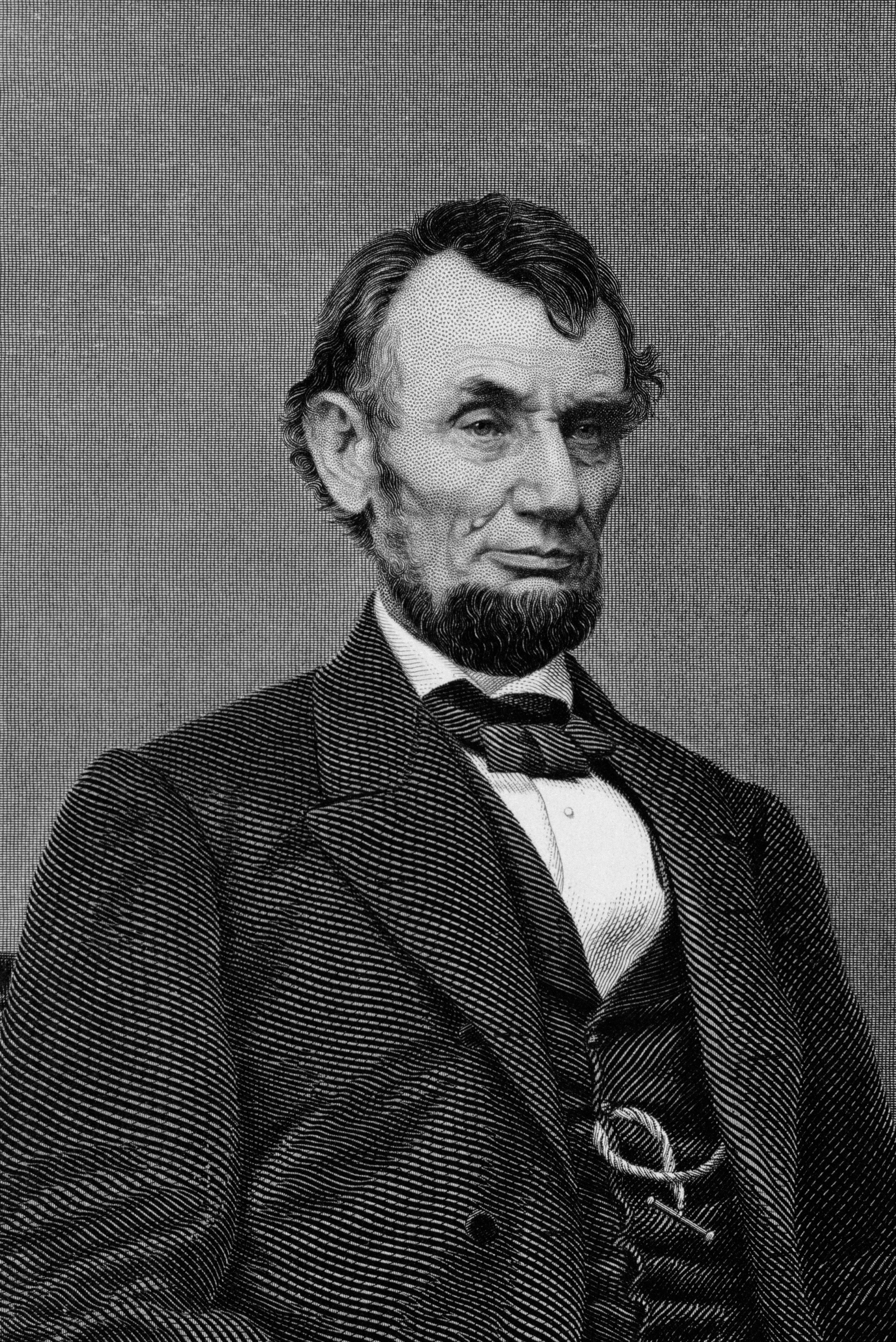
Abraham Lincoln established the Secret Service a few hours before he died
In an unfortunate case of terrible timing, Abraham Lincoln signed legislation creating the U.S. Secret Service on April 14, 1865. Then, a few hours later, John Wilkes Booth assassinated Lincoln during a play at Ford’s Theater. But even if the Secret Service did exist that night, it would not have come to Lincoln’s rescue: the original purpose of the organization was to prevent and stop counterfeiting money. It was only in 1901, after two other presidents had been assassinated—James A. Garfield in 1881 and William McKinley in 1901—that the Secret Service was tasked with protecting the life of the person who held the highest office in the land. Find out 11 of the cleverest Secret Service code names for U.S. presidents.
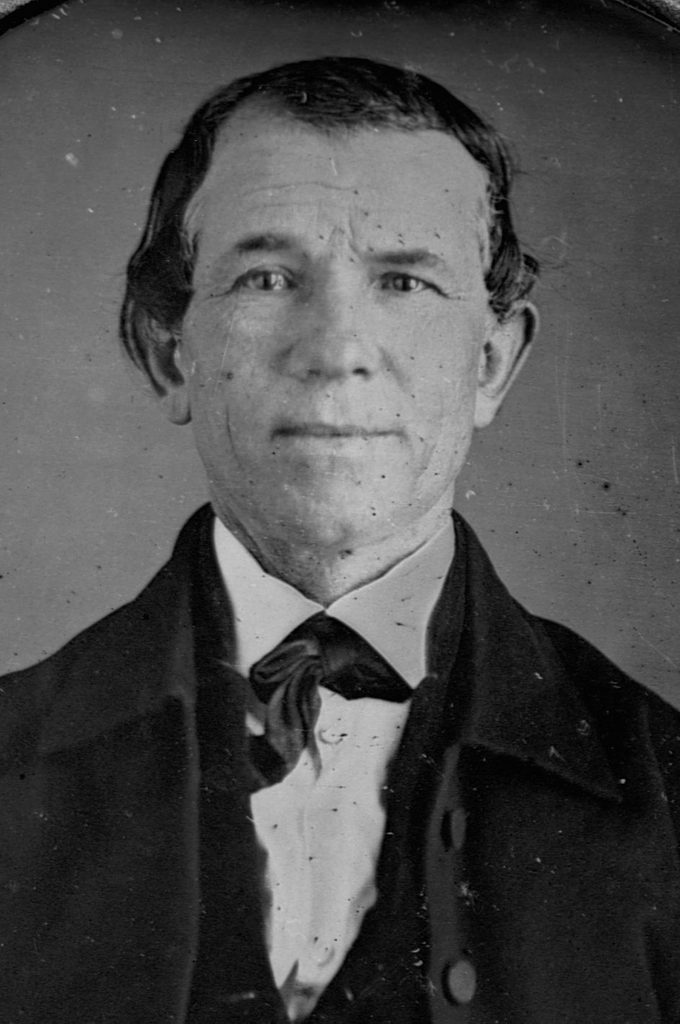
Andrew Johnson adopted a family of mice
Though it sounds more like something out of a Disney movie than the actual life of a president, Andrew Johnson cared for a family of mice that lived in his White House bedroom. After Johnson’s 1868 impeachment, he wasn’t the most popular guy in Washington, D.C. Fortunately for him, mice don’t care about your political career, so he befriended a few, leaving out water and flour for them next to his fireplace. He affectionately referred to them as his “little fellows.”
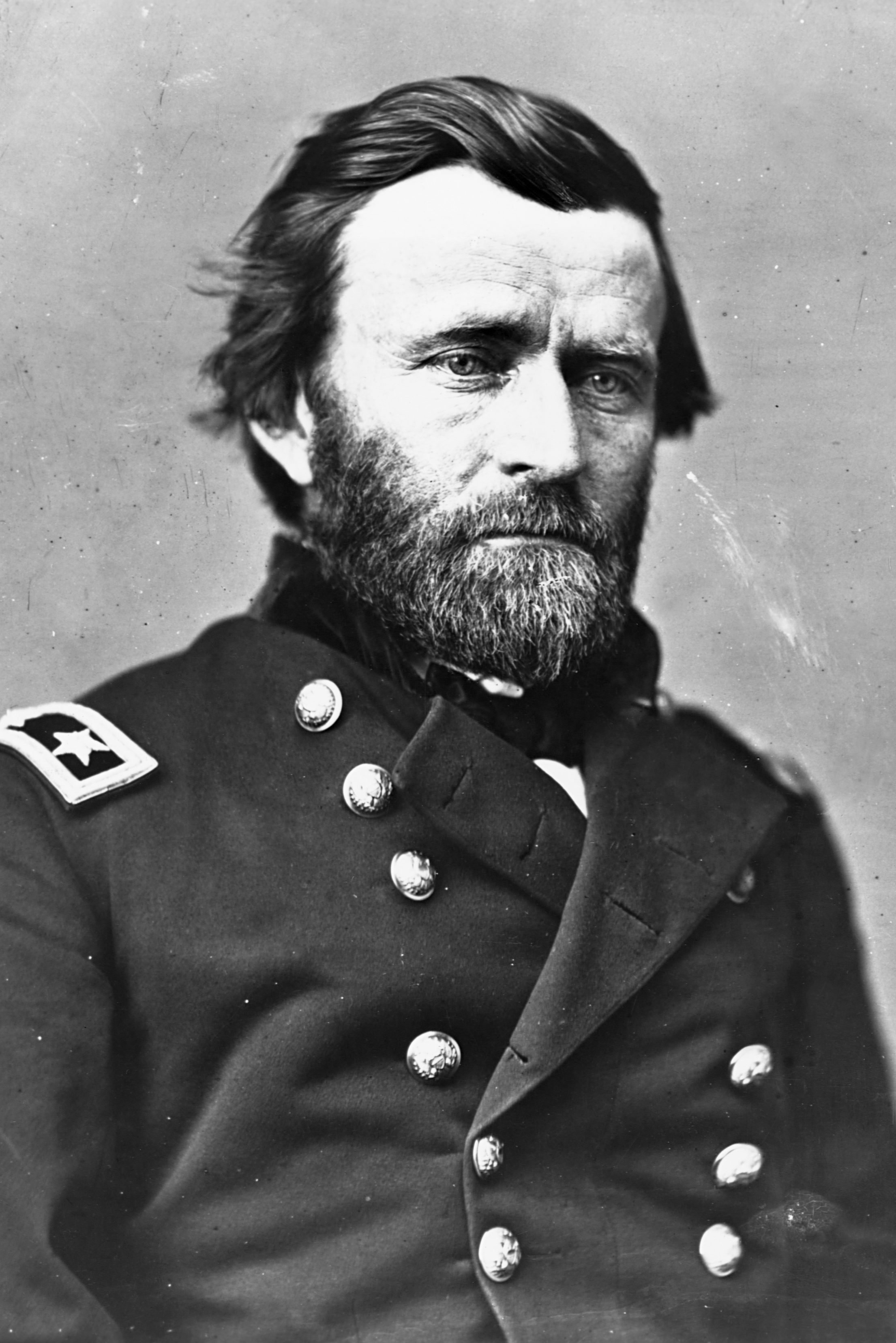
Ulysses S. Grant wasn’t his real name
Though you likely know the 18th president as Ulysses S. Grant, in reality, that wasn’t his real name. For starters, his first name was Hiram—not Ulysses. There was a mix-up on his application to West Point, and Grant decided to stick with that version of his name. On top of that, his middle initial “S” doesn’t stand for anything—just like fellow president, Harry S. Truman. As the final commander of the Union Army during the Civil War, Grant found his first initials—”U.S.” appropriate for his position. His soldiers nicknamed him “Uncle Sam” thanks to these initials. See if you can guess the middle name of every U.S. president.
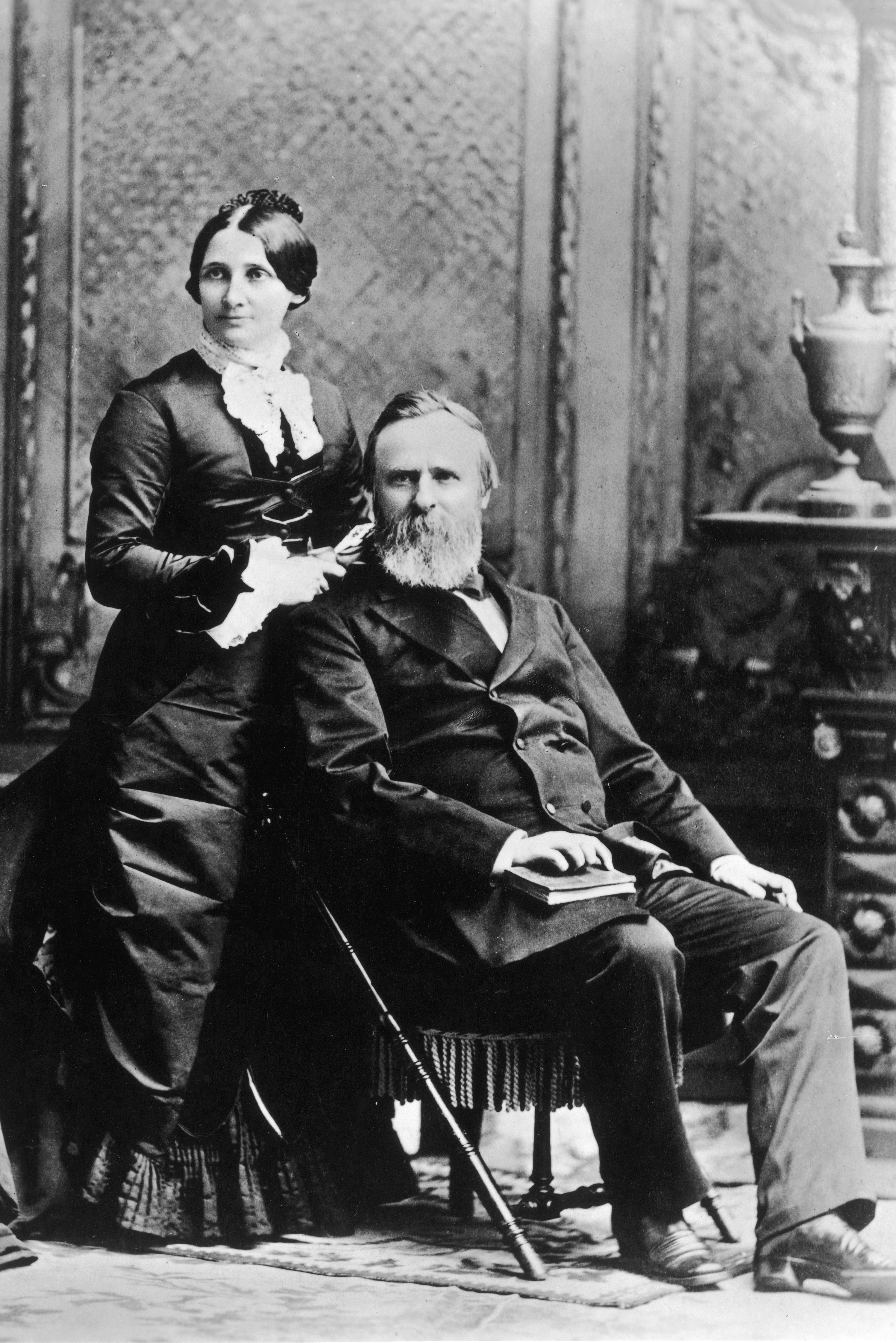
Rutherford B. Hayes and his wife owned the first Siamese cat in the United States
Upon hearing that Lucy, the wife of 19th president Rutherford B. Hayes, was a fan of cats, David B. Sickels, the American counsel in Bangkok, sent the first couple a Siamese cat—which happened to be the first feline of that variety in United States history. In a letter in 1878, Sickels wrote: “This pussy goes to Hong Kong whence she will be transshipped by the Occidental & Oriental line, in charge of the purser, to San Francisco and then sent by express to Washington.” The cat arrived in 1879, and Rutherford and Lucy named it Siam. Find out about more of the strangest gifts ever given to U.S. presidents.
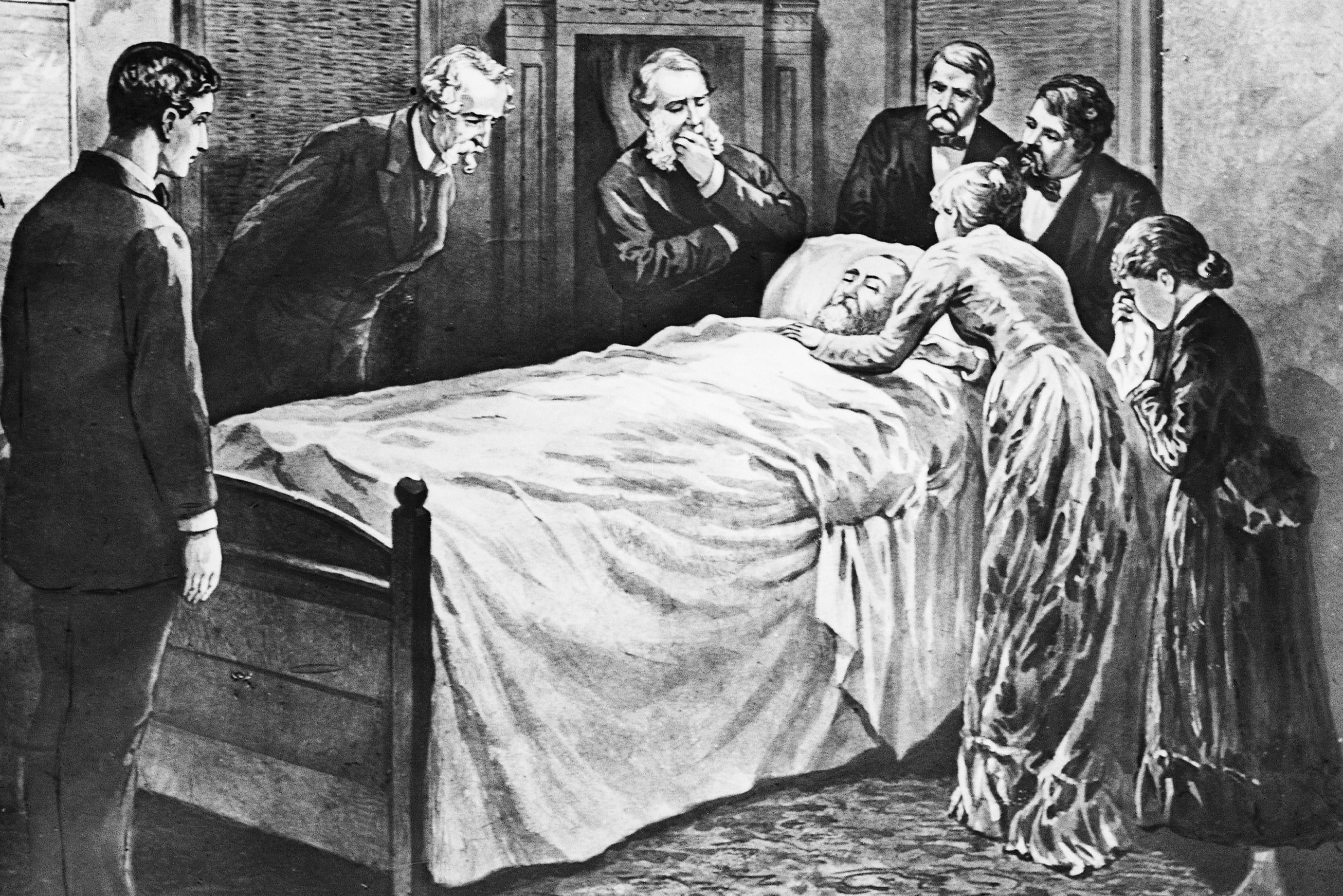
James A. Garfield was assassinated but didn’t die for the reason you think
When Charles Guiteau, a former supporter of James A. Garfield, didn’t get the European ambassadorship he thought he deserved, he got really angry and shot the 20th president twice at a Washington, D.C. train station. The good news was that Garfield received a lot of immediate medical attention from doctors. The bad news is that they didn’t wash their hands and/or medical instruments well enough before poking and prodding his open wound. As a result, he developed sepsis, followed by a heart attack, blood infection, and splenic artery rupture. Garfield managed to stay alive for around 80 days after he was shot before ultimately succumbing to his injuries on September 19, 1881. Guiteau was hanged for the crime the following year.
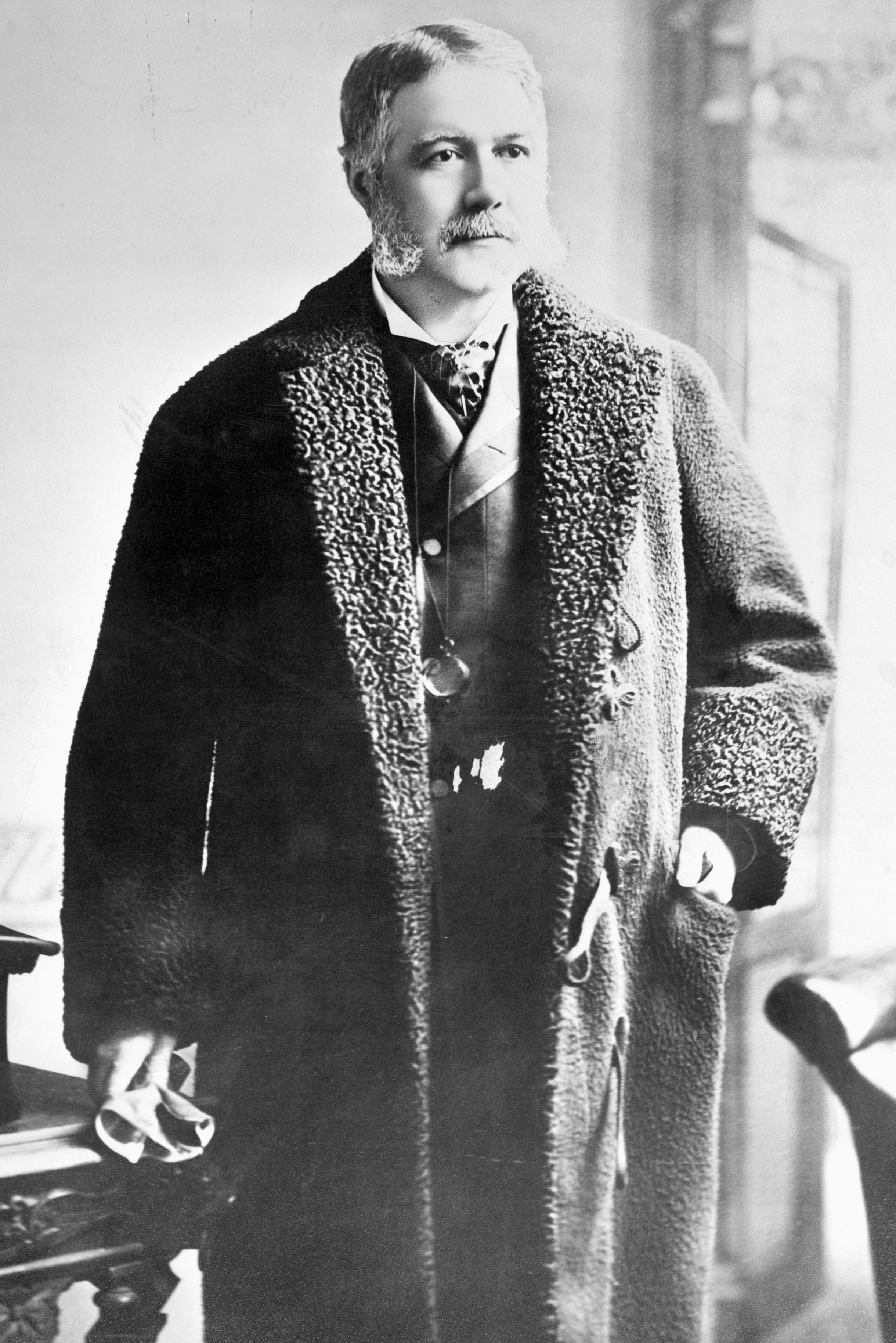
Chester A. Arthur was known for being a snappy dresser
There’s a difference between looking professional as the president, and becoming a full-blown fashion icon at the time—and Chester A. Arthur falls into the latter category. Known for his love of light trousers, high hats, frock coats, and silken scarves, Arthur gained nicknames like “Elegant Arthur,” the “Gentleman Boss” and “Dude of all the White House residents” after taking the oath of office. Not only was he fashionable: Arthur also typically changed clothes at least once a day, usually dining in a tuxedo. He reportedly owned 80 pairs of pants and 80 pairs of shoes.
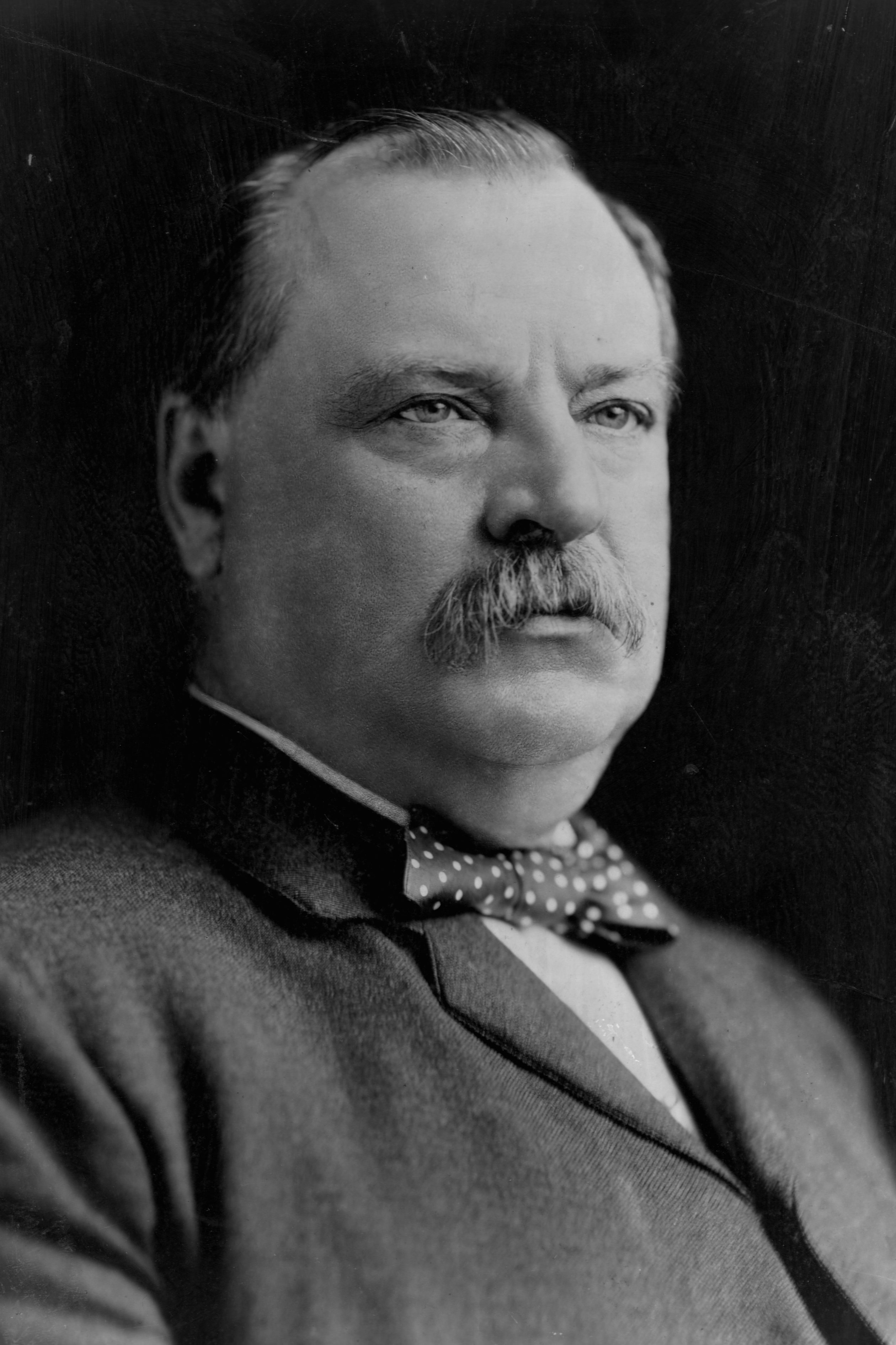
Part of Grover Cleveland is in a museum
You may (or may not!) already know that Grover Cleveland was the only president to serve two non-consecutive terms, making him both the 22nd and the 24th president. But did you know that part of his body now resides in a museum? During his second term in office, Cleveland had a “secret tumor” called an epithelioma removed from the roof of his mouth. That tumor is now housed in the Mutter Museum in Philadelphia, Pennsylvania. In addition to this piece of Cleveland, the Mutter Museum is also home to other unusual biological specimens, like a woman who turned into soap and Albert Einstein’s brain. Find out the strangest museum in every state.
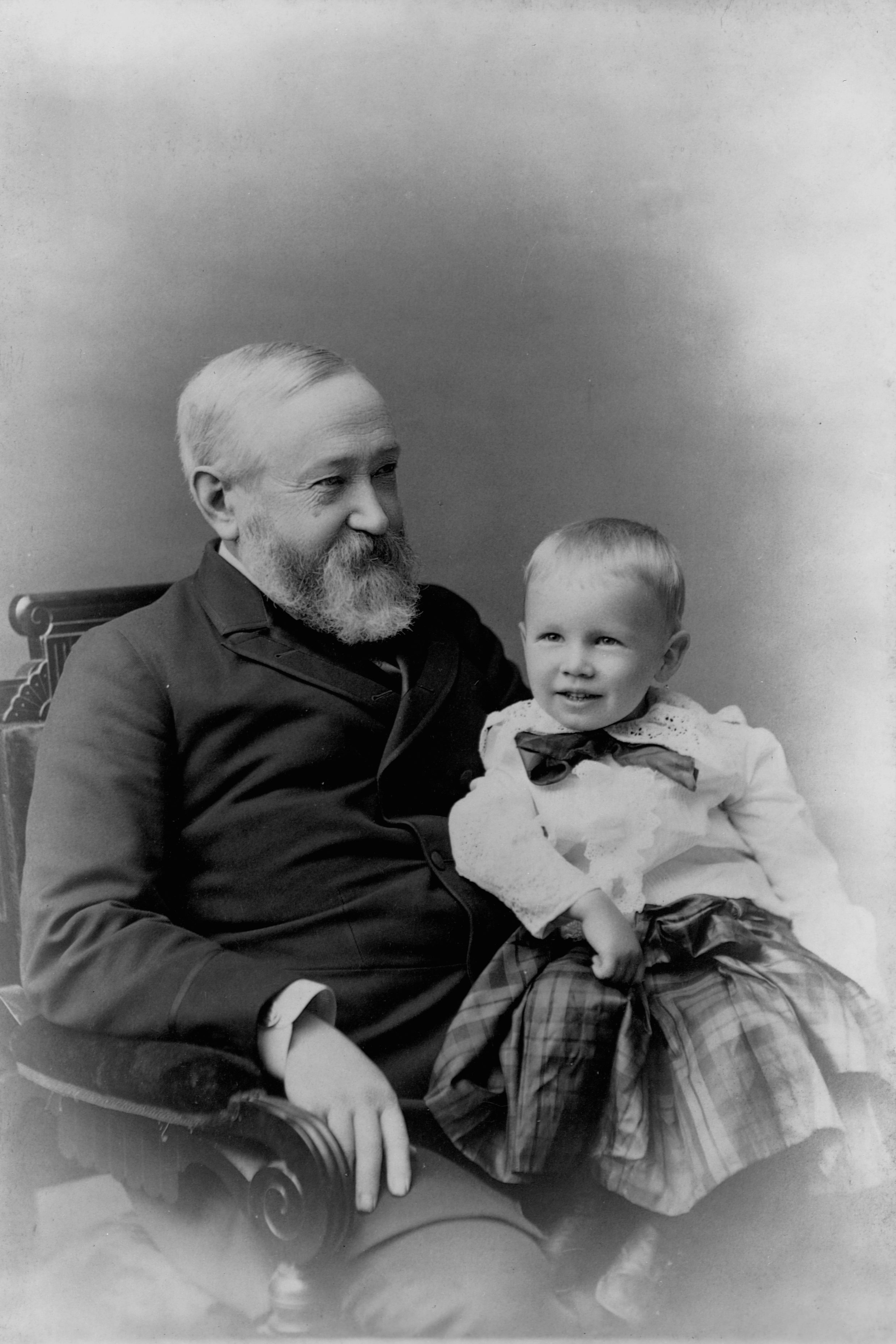
Benjamin Harrison had a pet goat at the White House
Presidents having pets at the White House isn’t unusual. But Benjamin Harrison’s choice of animal companion was slightly unconventional. He had a pet goat named Old Whiskers, who would cart Harrison’s grandchildren around the White House lawn. But it wasn’t always smooth sailing with Old Whiskers. One day, while pulling a cart full of (human) kids, Old Whiskers escaped from the White House, slipping through the gate. Clearly flustered and wanting to ensure that his grandchildren and goat were safe from harm, Harrison ran after Old Whiskers down Pennsylvania Avenue—so fast that he had to hold onto his top hat to keep it from blowing off. Thankfully, people on the street were able to catch the goat and all was well once again.
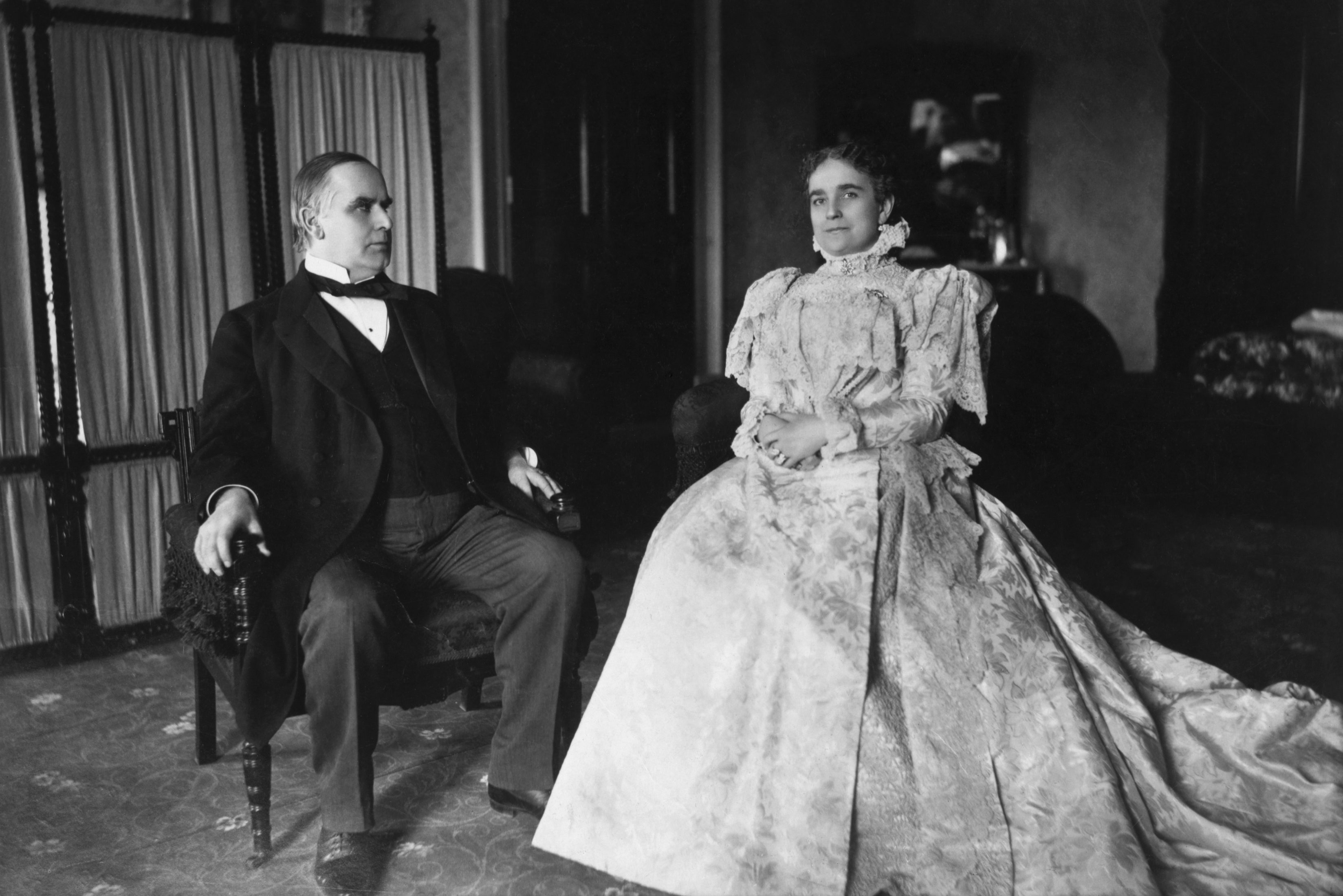
William McKinley used a handkerchief to hide his wife’s epilepsy
Not only was William McKinley assassinated by a deranged anarchist during the Pan-American Exposition in Buffalo, New York on September 14, 1901, but he also had a tragic personal life before that. In 1871, his wife Ida gave birth to their first daughter, Katherine, followed by a second daughter—also named Ida—in 1873. Sadly, Ida (the daughter) died when she was only four months old. Then, in 1875, Katherine contracted typhoid fever and also passed away. At the same time, Ida (the mother) experienced a severe decline in her physical and mental health, thanks to undiagnosed epilepsy and phlebitis (inflammation of a vein), as well as grieving her children. Ida’s epilepsy continued once the first couple moved into the White House, and McKinley would use a handkerchief to cover his wife’s face while she had seizures. Find out 44 surprising facts you never knew about America’s first ladies.
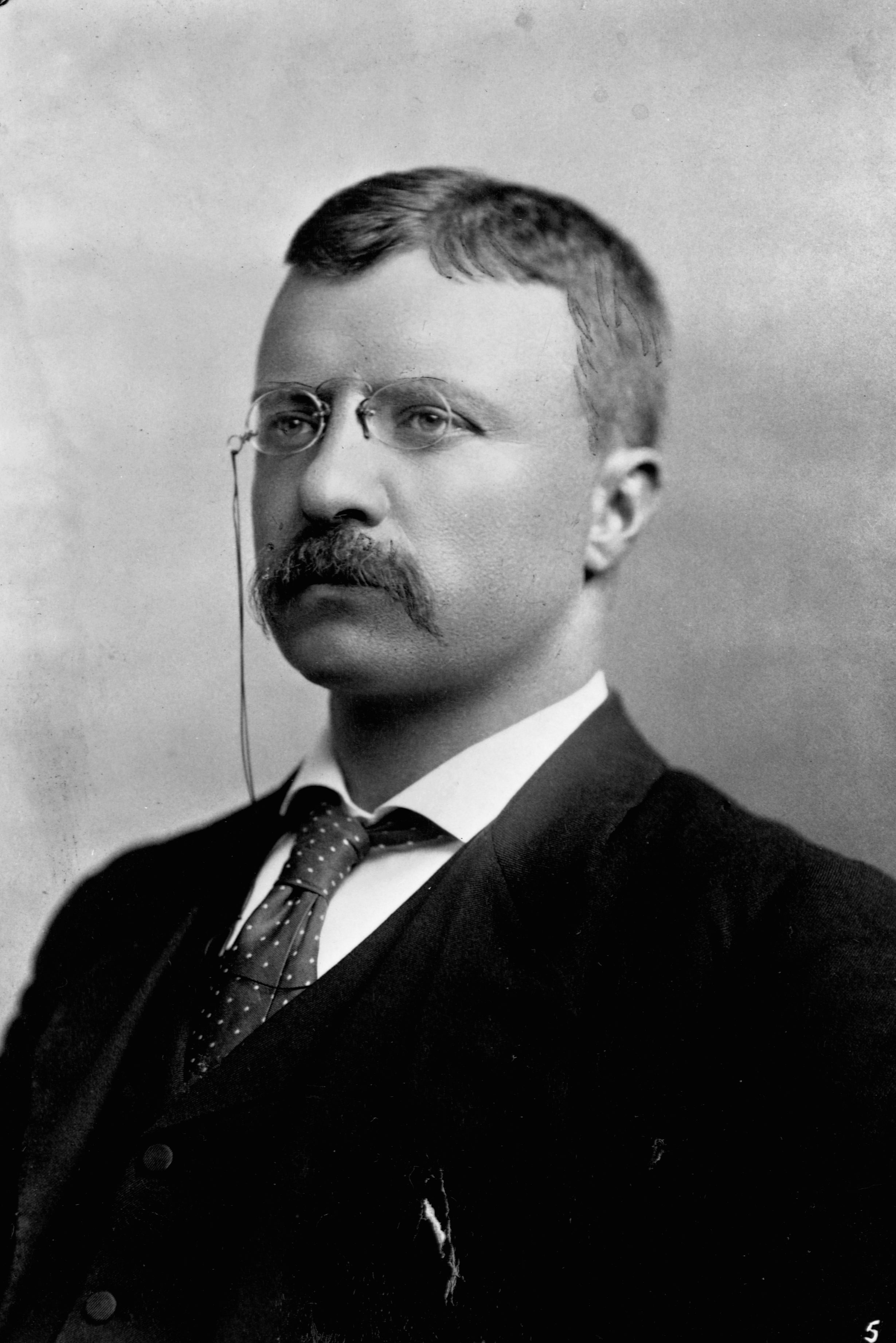
Theodore Roosevelt hated being called “Teddy”
You may already know that children’s stuffed bears are called “Teddy Bears” as an homage to President Theodore Roosevelt, but did you know that the 26th president actually hated being called that? Actually, first let’s start by acknowledging that his original childhood nickname was “Teedie,” not “Teddie” or “Teddy.” Later on, Roosevelt’s first wife Alice called him “Teddy” as a term of endearment. But after she died unexpectedly—and on the same day as his own mother, February 14, 1884—he refused to let anyone else call him by that name. Instead, he preferred to be called “Colonel Roosevelt.”
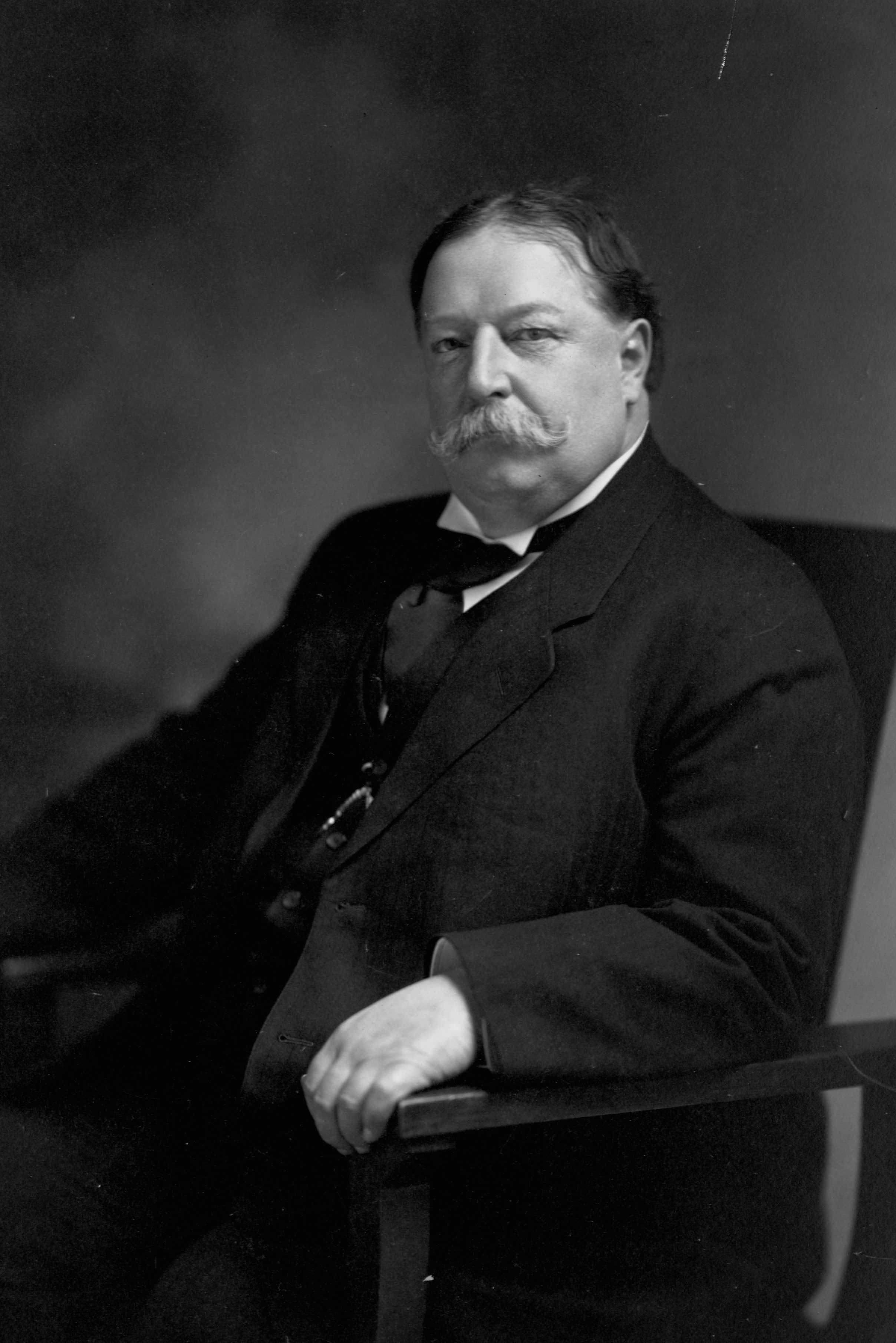
William Howard Taft also wanted a toy named after him
As a child, you probably had a Teddy bear. But if William Howard Taft had his way, you would have also had a Billy possum. Sadly for our twenty-seventh president, it never took off. The whole thing started when the menu for dinner for a banquet held in Taft’s honor consisted of a roasted possum and sweet potatoes. At the end of the meal, the hosts presented him with a stuffed animal possum, which they told him would be the hottest new toy, replacing the Teddy bear. As you’ve probably guessed by now, the Billy possum never took off and was only sold for a few months.
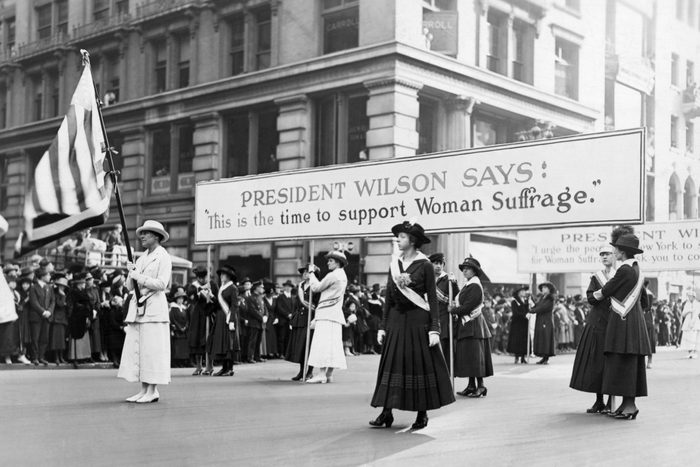
Woodrow Wilson had a mixed record when it came to human rights
When it comes to Woodrow Wilson and human rights, we have some good news and some bad news. The good news is that he supported women’s suffrage…eventually. Although he wasn’t on board with it at first, he was horrified when he found out that suffragists were force-fed after they were arrested for protesting in front of the White House in 1917, and later advocated for men and women to have equal voting rights. But unfortunately, he wasn’t as progressive in all areas; namely, he was opposed to racial integration. Back when he was president of Princeton University, it did not admit any African-American students. Then, once he was in the White House, he maintained white-only restrooms and blocked civil rights-related activities. Find out the states where women could vote before 1920.
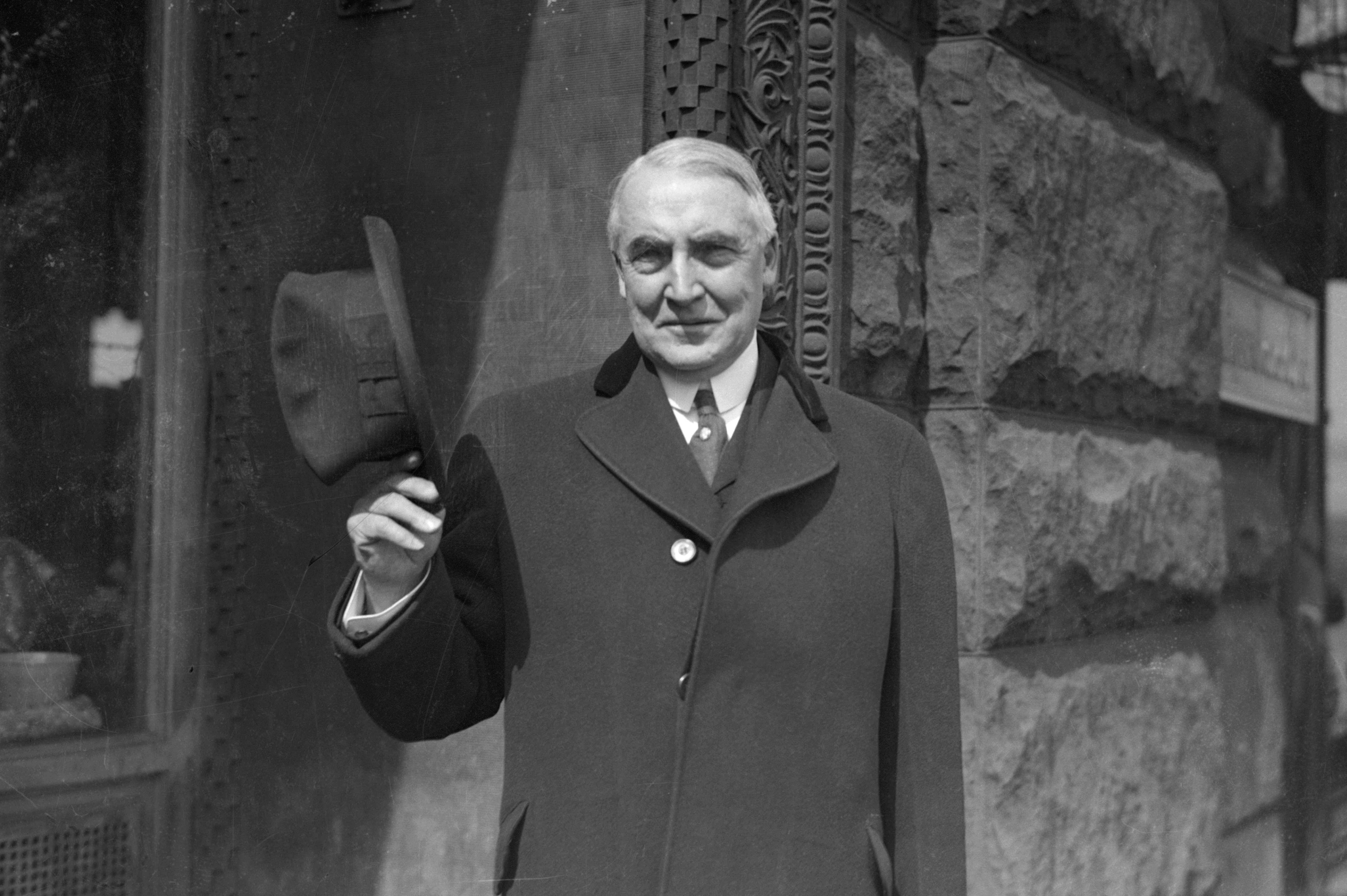
Warren G. Harding had a nickname for a certain ‘”member” of his party
The 29th president, Warren G. Harding, married a divorcée named Florence “Flossie” Mabel Kling DeWolf when he was 25, and she was 30 years old, but that didn’t stop him from having other relationships with women. Not only is there a record of him having at least two extramarital affairs, in 2014, the Library of Congress released letters Harding wrote to one of his mistresses, Carrie Fulton Phillips. In the letters, written between 1910 and 1920, Harding used a code name to refer to his penis. That name was Jerry. For example, in one letter he wrote: “Jerry came and will not go, says he loves you, that you are the only, only love worthwhile in all this world, and I must tell you so and a score or more of other fond things he suggests, but I spare you. You must not be annoyed. He is so utterly devoted that he only exists to give you all.”
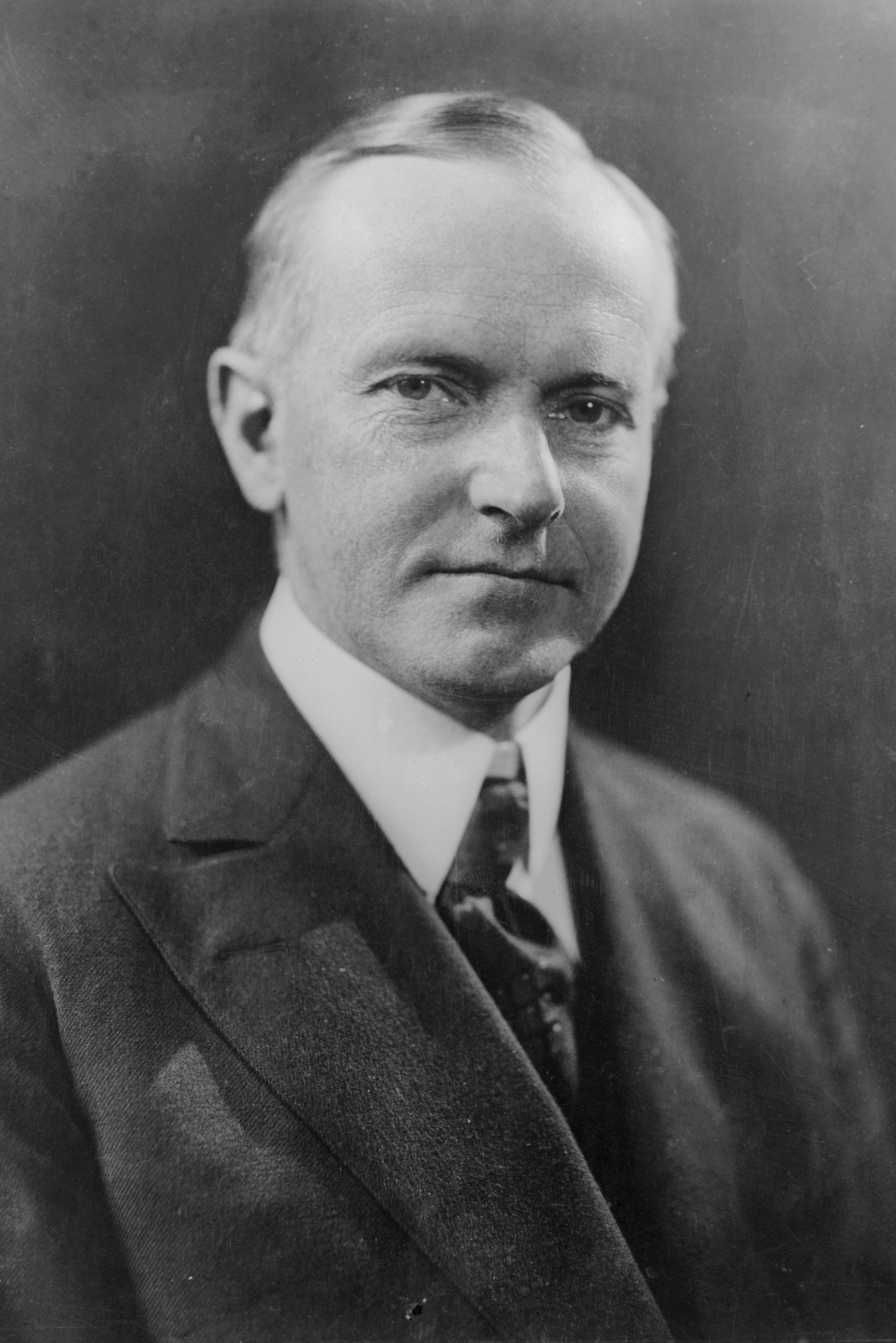
Calvin Coolidge rode a mechanical horse to get a workout
Even though Calvin Coolidge was a big fan of horseback riding, the Secret Service wasn’t too fond of this activity. To make up for the exercise he was used to getting from riding a horse, Coolidge had a mechanical horse installed in the White House. The idea behind the mechanical steed, which ran on electricity, was that it was supposed to move your body the same way it would when riding a real horse while it was galloping or trotting, and therefore, somehow be good for your health. Coolidge and his mechanical horse were both mocked by the press, which dubbed the contraption “Thunderbolt.”
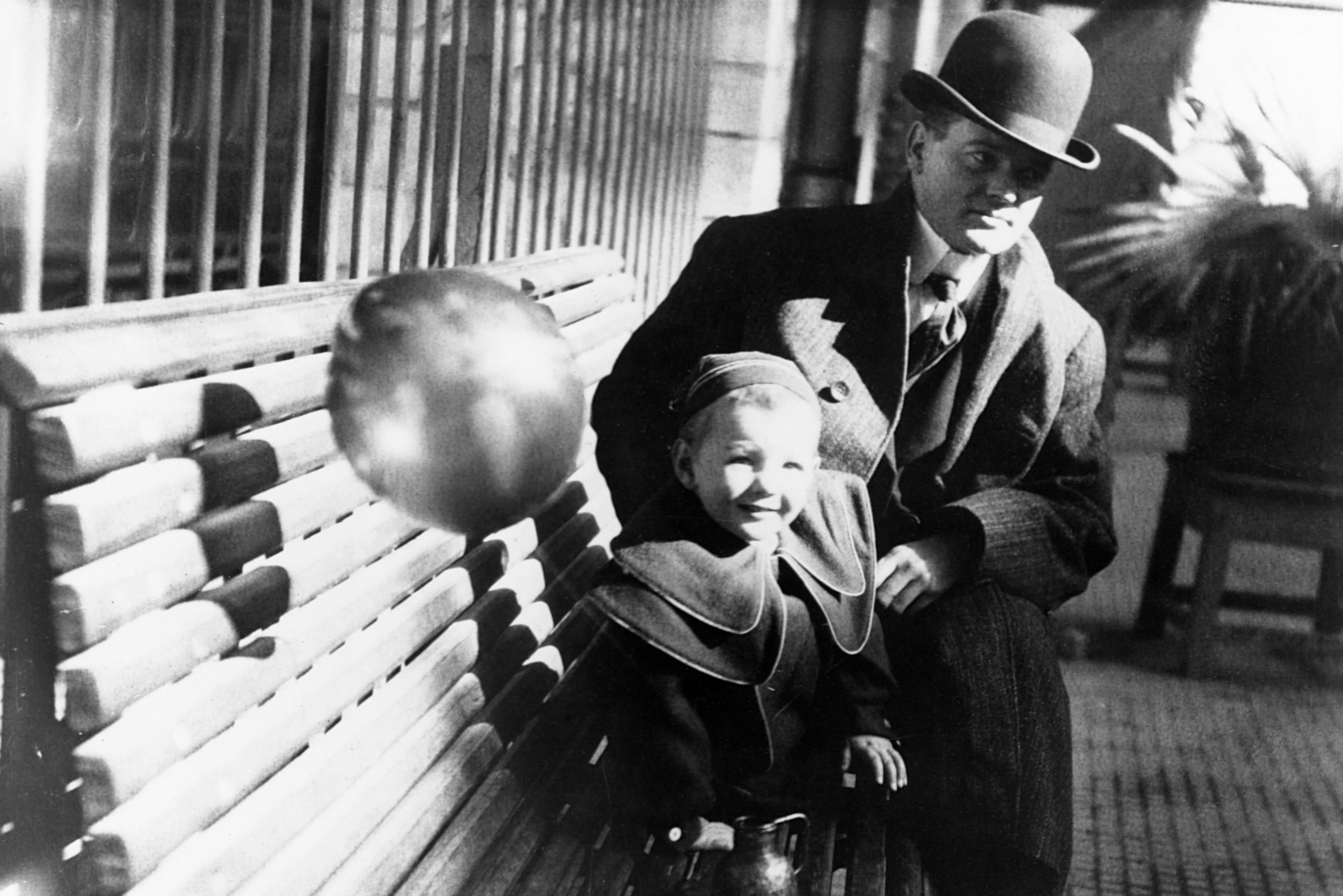
Herbert Hoover allowed his son to have a pet alligator
Always an animal lover, Herbert Hoover had no shortage of pet dogs. But it’s his son Allan who had the most unique pet: a pair of alligators. The alligators were typically kept in a bathtub at his Washington, D.C. mansion when Hoover served as Harding’s Secretary of Commerce, but the duo had a propensity to escape. Eventually, First Lady Lou Henry Hoover convinced her son to send the alligators to the Washington Zoo for the winters, but they were permitted to return to their home in the spring. In a 1921 letter to her secretary Philippi Harding, Lou Henry Hoover wrote that Allan and his father built a pond for the alligators at the Hoovers’ 2300 South Street home. They also discussed creating a second pond after the alligators chewed the tops off of all the water lilies. “Beauty and the Beast are not congenial,” Harding wrote back.
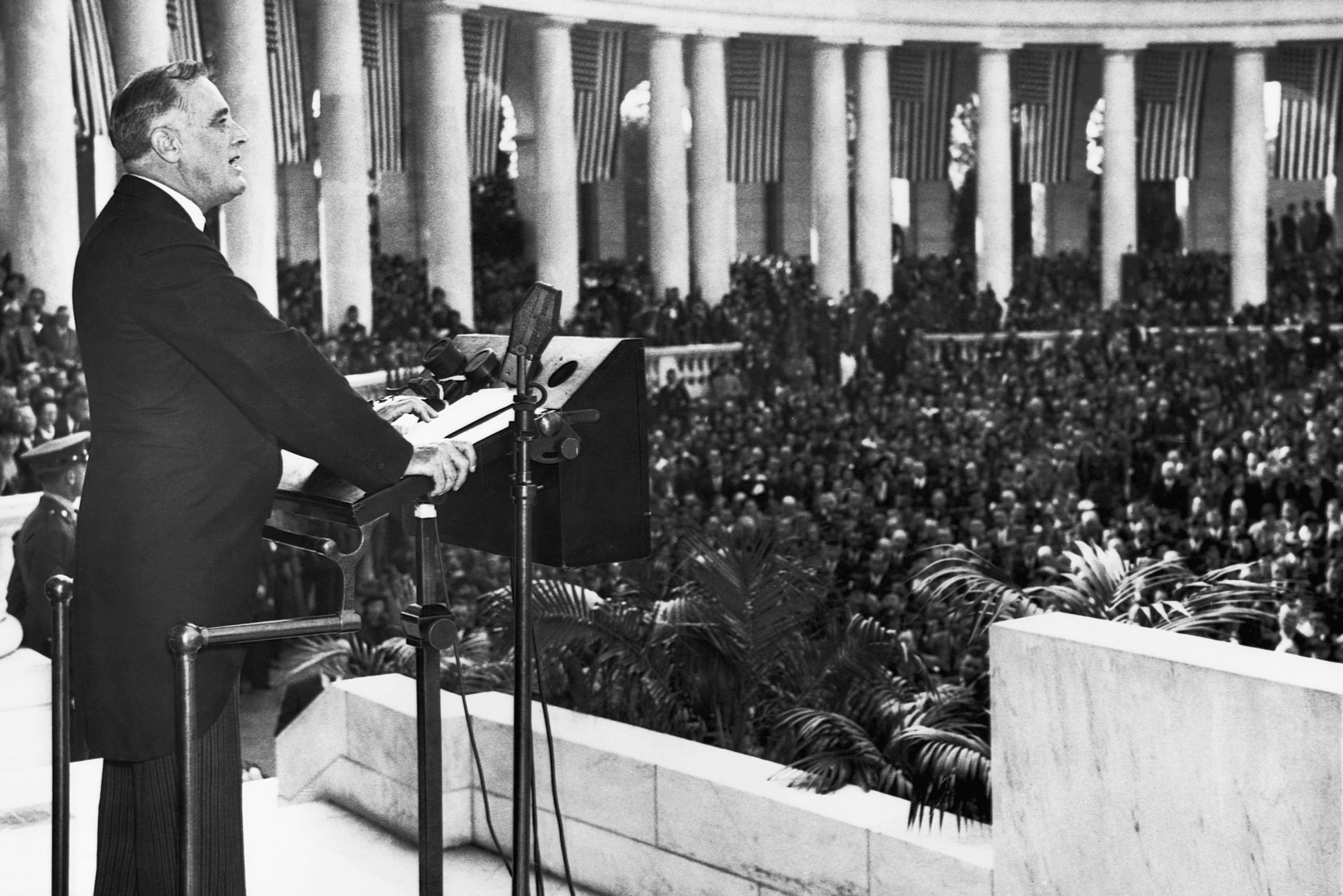
FDR’s disability was hidden from the public
Though we now know that while Franklin Delano Roosevelt was president, he was largely confined to a wheelchair—that wasn’t common knowledge while he was in office. The future president contracted polio in 1921 and became paralyzed from the waist down and had to rely on everything from canes to leg braces to leaning on other people or podiums to wheelchairs for the rest of his life. The media of the time, for the most part, didn’t report on FDR’s disability. In addition, he requested that any photos of him be taken while he was seated in a car or standing at a podium. On the rare occasion when a photographer did get a snap of the president in his wheelchair, Secret Service agents reportedly removed the film from their camera.
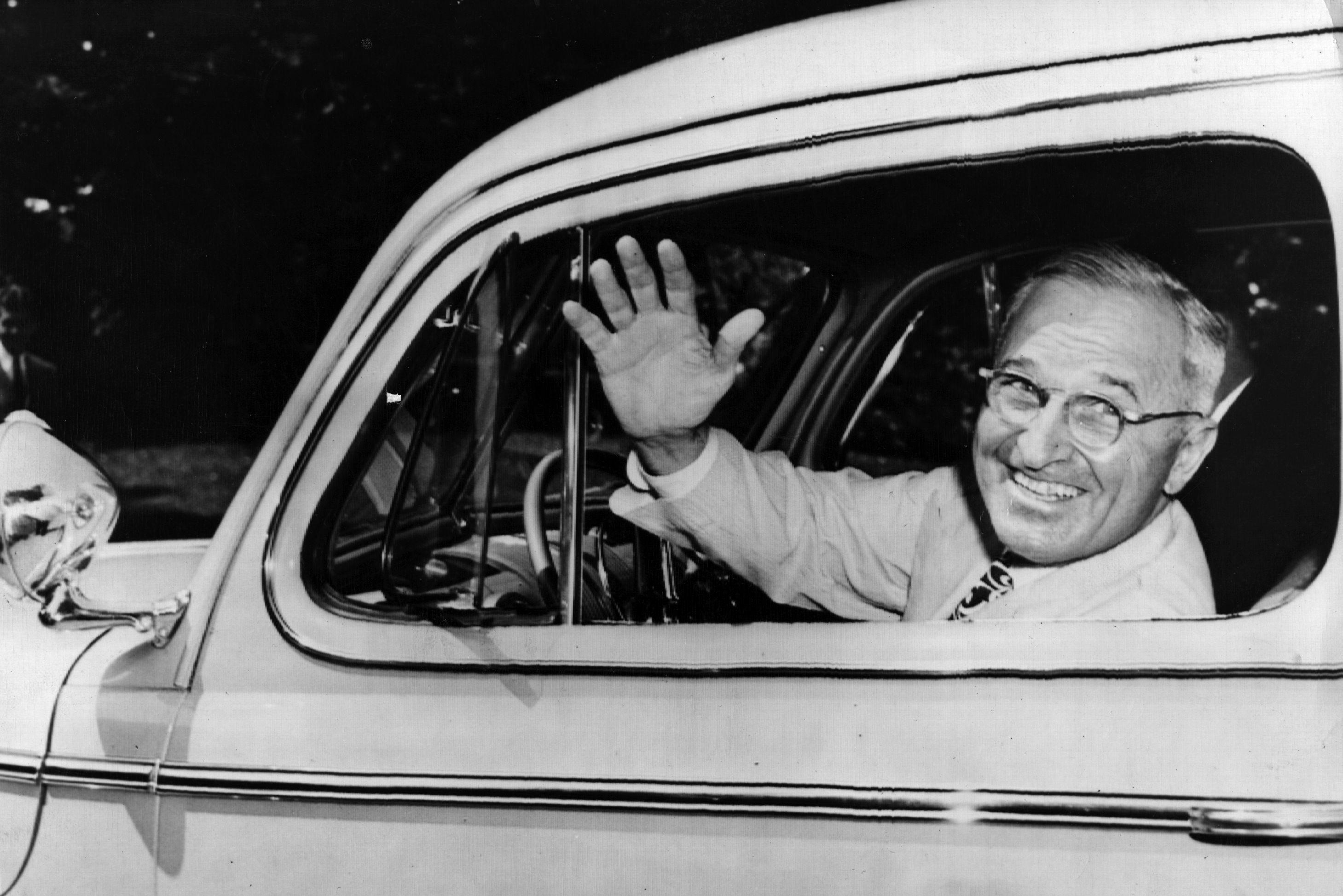
Harry S. Truman tried to take a cross-country road trip without anyone noticing
After Harry S. Truman finished his terms as president, all he wanted to do was take a nice, relaxing cross-country road trip with his wife Bess. But when you’ve been the Leader of the Free World, being able to travel without all the attention and hoopla associated with being a former president isn’t a given. Though they went with the best of intentions, the former first couple was constantly recognized at roadside diners and other attractions. These were the days before presidents had Secret Service cover them for the rest of their lives, so at least they had more freedom than more recent presidents.
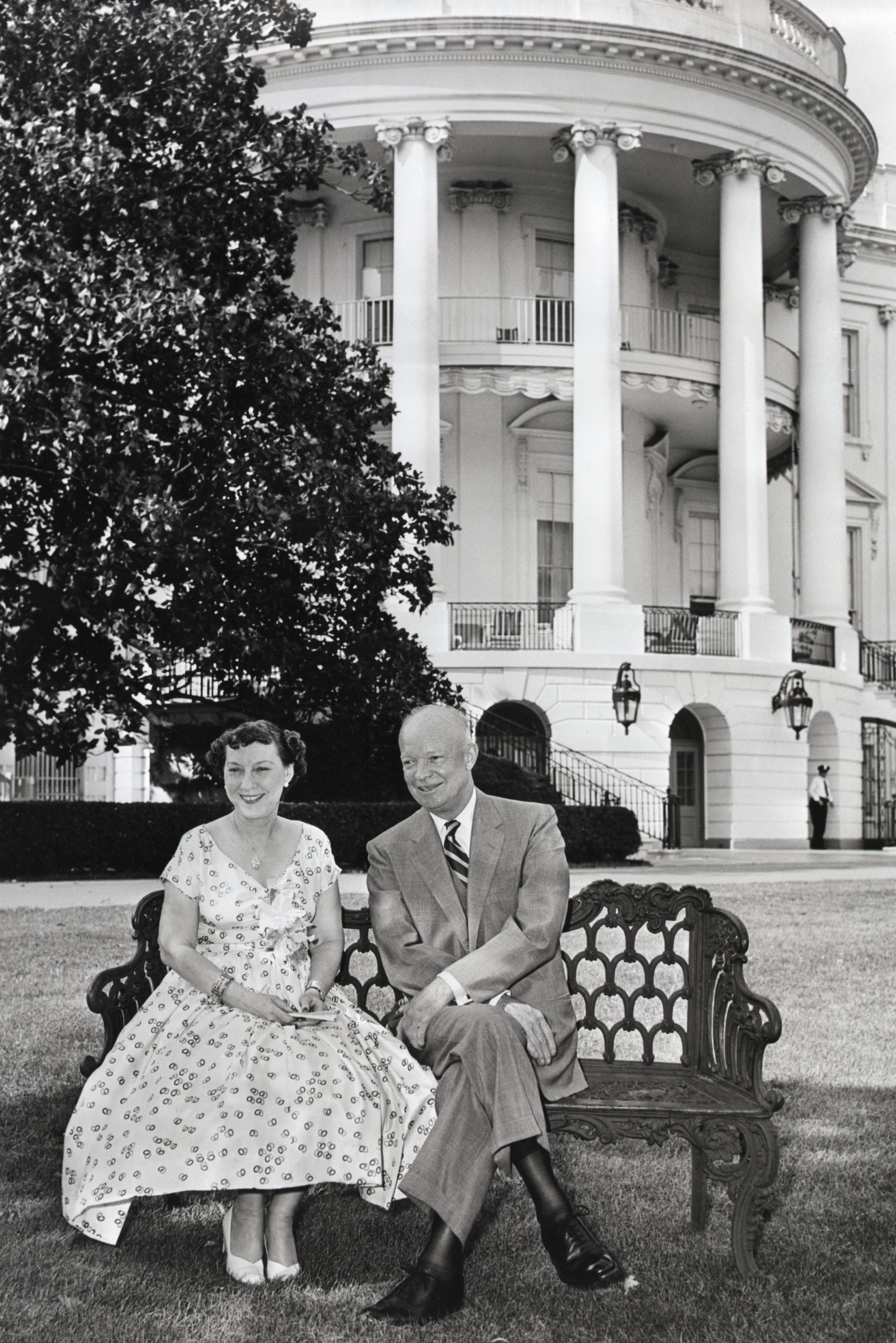
Squirrels were the enemy of Dwight D. Eisenhower’s White House
Dwight D. Eisenhower loved America but hated squirrels—or at least the ones that dug up his putting green at the White House. Though Ike was thrilled when the American Public Golf Association installed an outdoor putting green just outside the Oval Office in 1954, he was less impressed with the squirrels who tore up the grounds in order to bury their nuts.”The next time you see one of those squirrels go near my putting green, take a gun and shoot it!” he reportedly ordered his valet, Sergeant John Moaney. The Secret Service wasn’t too keen on him having guns, so the squirrels were trapped and released in a nearby park instead. Find out things no president is allowed to do while in office.
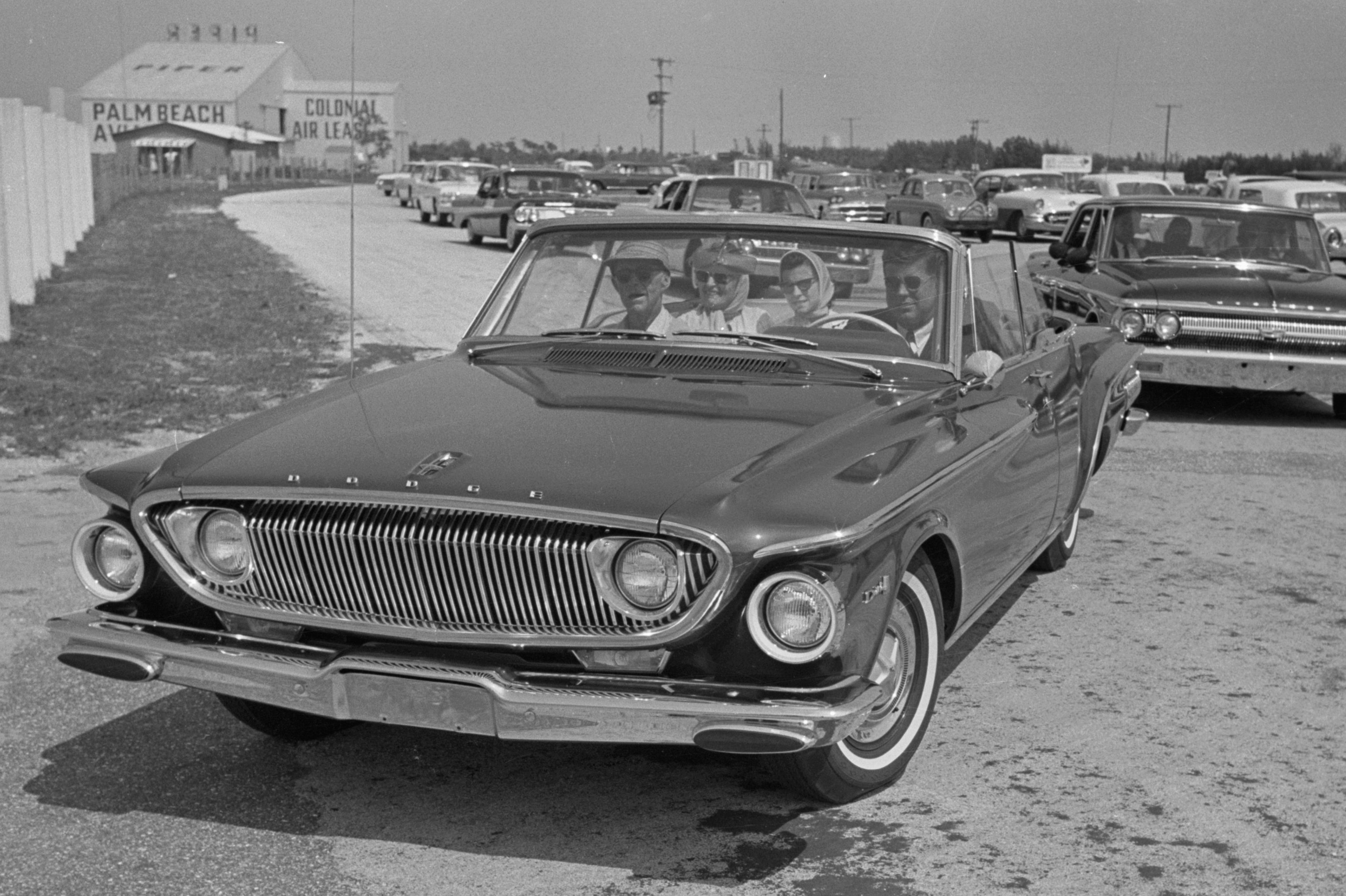
JFK got into a car accident with Larry King
In 1958, when he was still a senator, John Fitzgerald Kennedy got into a fender bender in Palm Beach with Larry King, the now-famous TV host. King wrote about the incident in his autobiography, explaining that he had just arrived from Brooklyn and was so taken by the posh Florida town that he took his eyes off the road. Kennedy was not impressed. “How could you?” he yelled. “Early Sunday morning, no traffic, not a cloud in the sky, I’m parked—how could you run into me?” According to King, Kennedy did calm down and promised to drop the whole thing, in exchange for King’s vote in the next election.
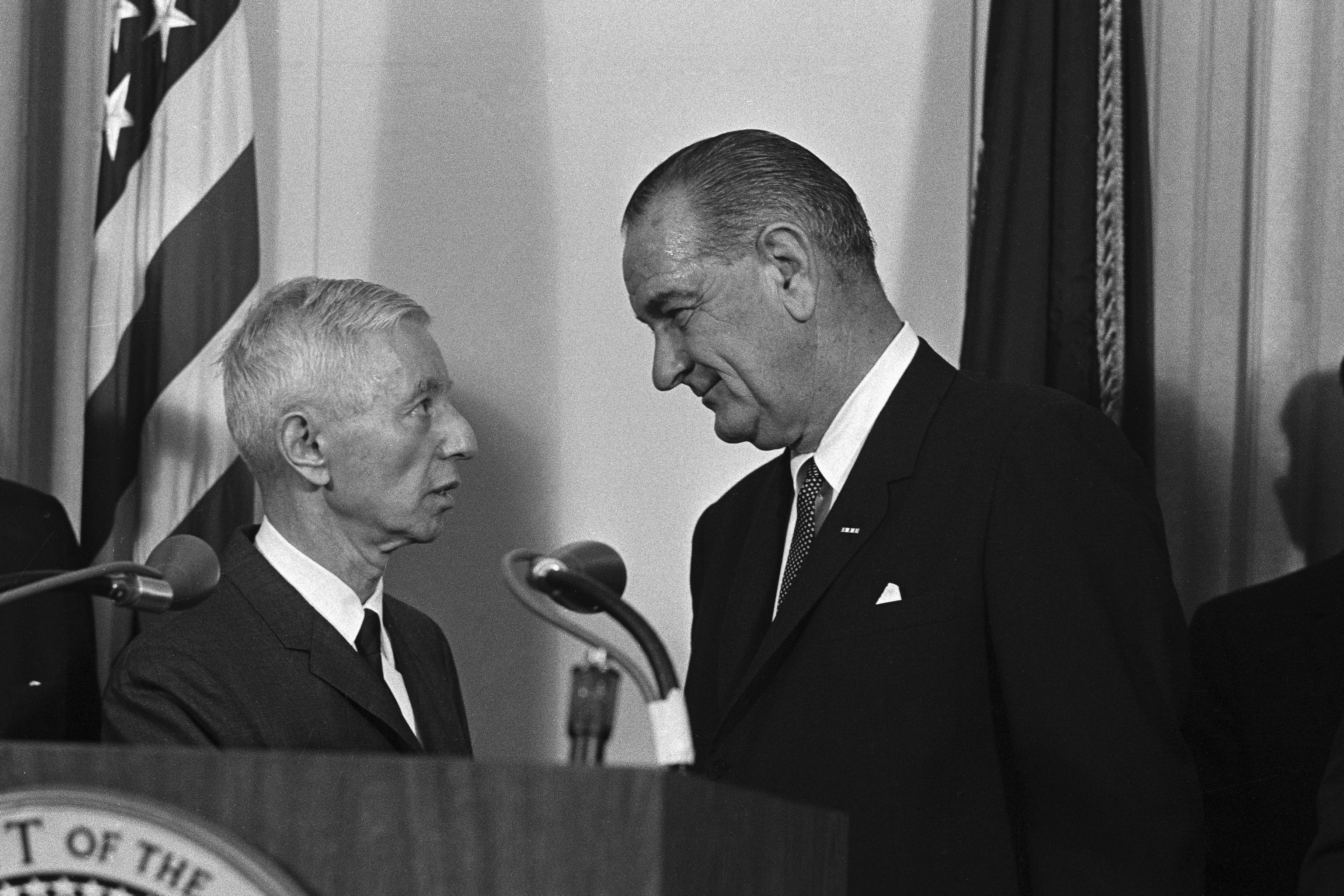
LBJ had his own method of coercing people
Standing 6 feet 4 inches tall, Lyndon Baines Johnson was a towering presence—literally. After taking over as president after Kennedy was assassinated, Johnson had some big shoes to fill (not literally), and used his stature to his advantage as a way of intimidating his political opponents. Referred to as “The Johnson Treatment,” the move involved LBJ standing over someone with his face only a few inches away from theirs, and letting them know what he wanted.
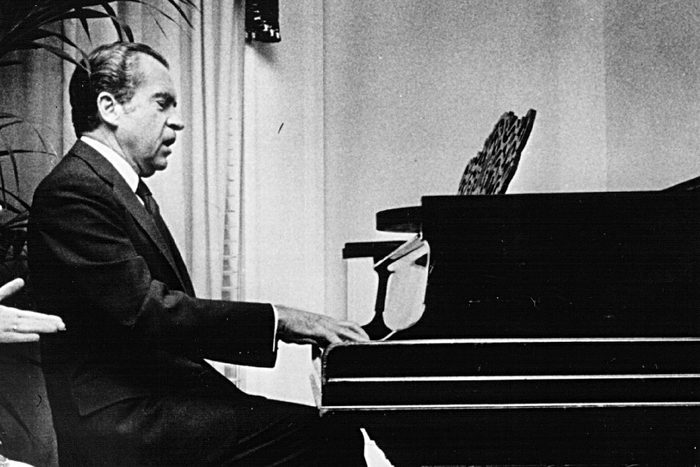
Richard Nixon could play 5 musical instruments
Though he was unable to read music, Richard Nixon could play five musical instruments: the piano, saxophone, clarinet, accordion, and violin. When he was a child, he would travel 200 miles to study piano under his aunt, who attended the Indianapolis Conservatory of Music. Nixon’s musical abilities came in handy when he was running for president: he appeared on an episode of The Jack Paar Program in 1963, which helped improve his public image. (Just not enough—he lost that election.) Once he did make it into the White House, he performed for Duke Ellington, as well as on the Grand Ole Opry. Fun piece of presidential trivia, turns out, Nixon wasn’t the only president with a hidden talent.
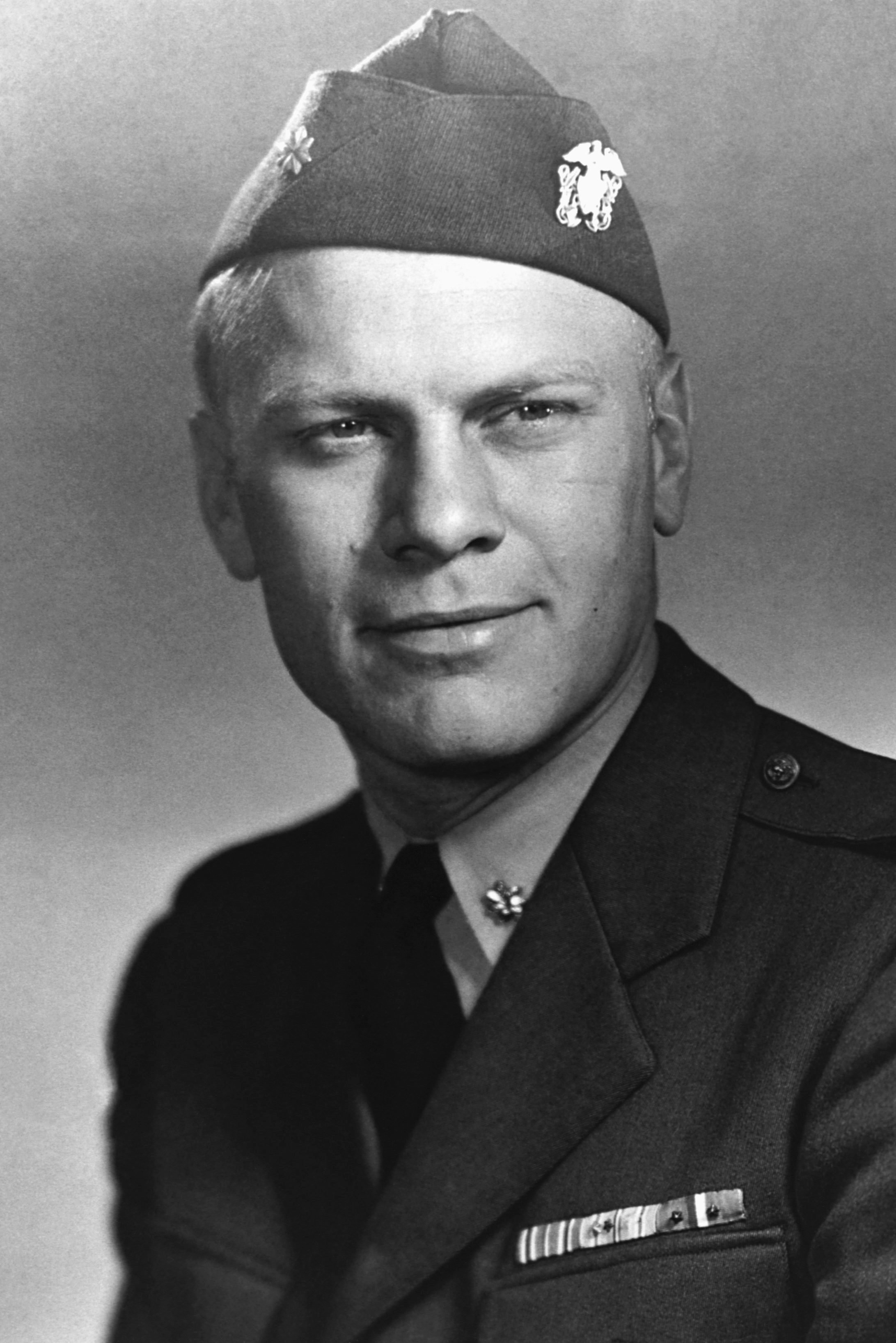
Gerald Ford briefly worked as a model
Before Gerald Ford’s face was seen in a White House presidential portrait, he graced the cover of Cosmopolitan magazine. The all-American boy played football during his time at the University of Michigan and then began modeling when he graduated in 1941 as a way of earning some extra money. The following year, Ford joined the Navy and appeared on the cover of Cosmopolitan in his uniform—though he was not given modeling credit. He then served in World War II until 1945.
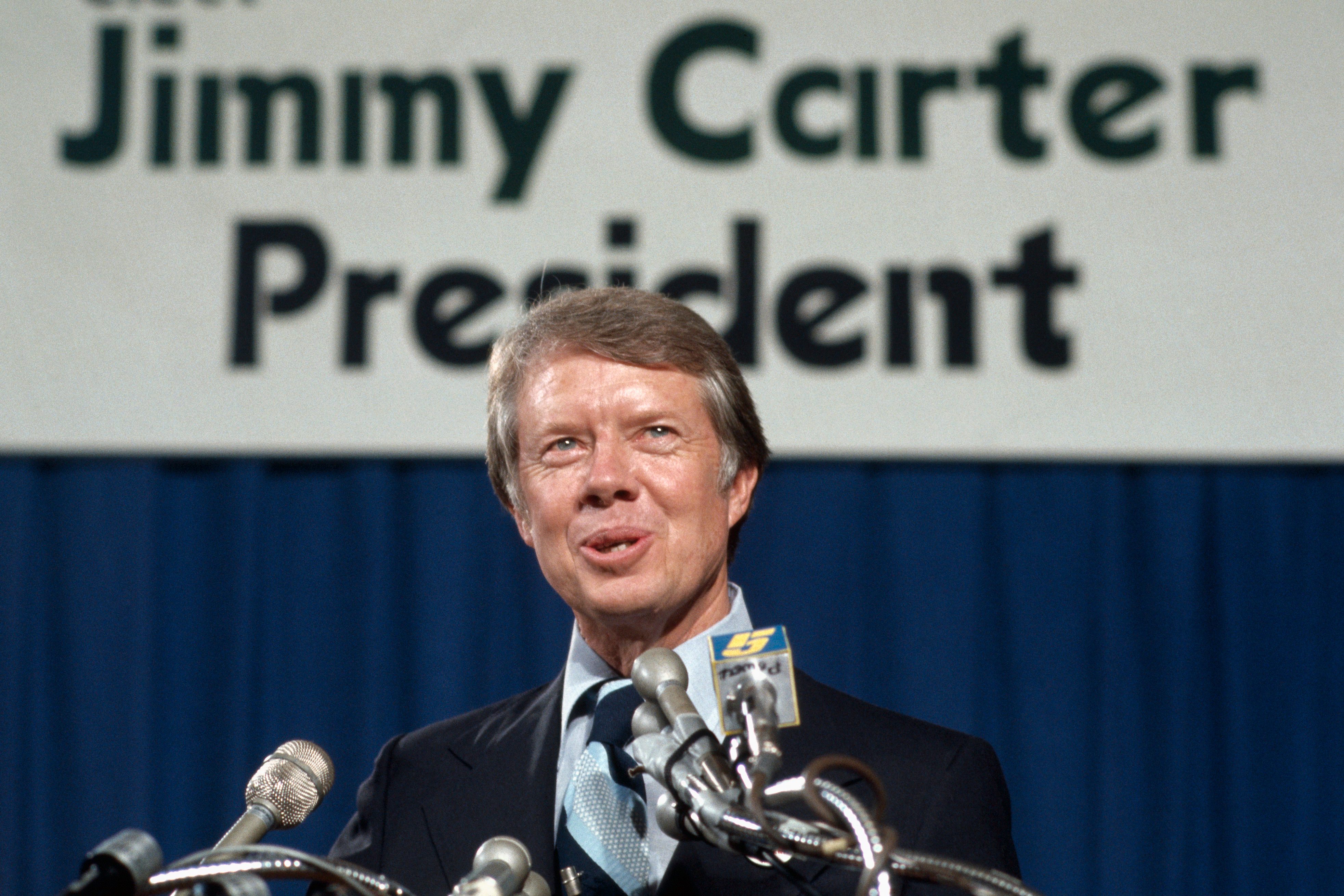
Jimmy Carter reported seeing a UFO
Back before the Georgia peanut farmer moved into the White House, Jimmy Carter filed a report with the National Investigations Committee on Aerial Phenomena in 1973 regarding an Unidentified Flying Object (UFO) he says he spotted in October 1969. Referring to it as “the darndest thing I’ve ever seen,” Carter was not shy about talking about his UFO sighting while on the presidential campaign trail in 1976. In addition to Carter, between 10 and 12 other people witnessed the event which he described as an object that was “very bright [with] changing colors and about the size of the moon.” Learn about more UFO sightings no one can explain.
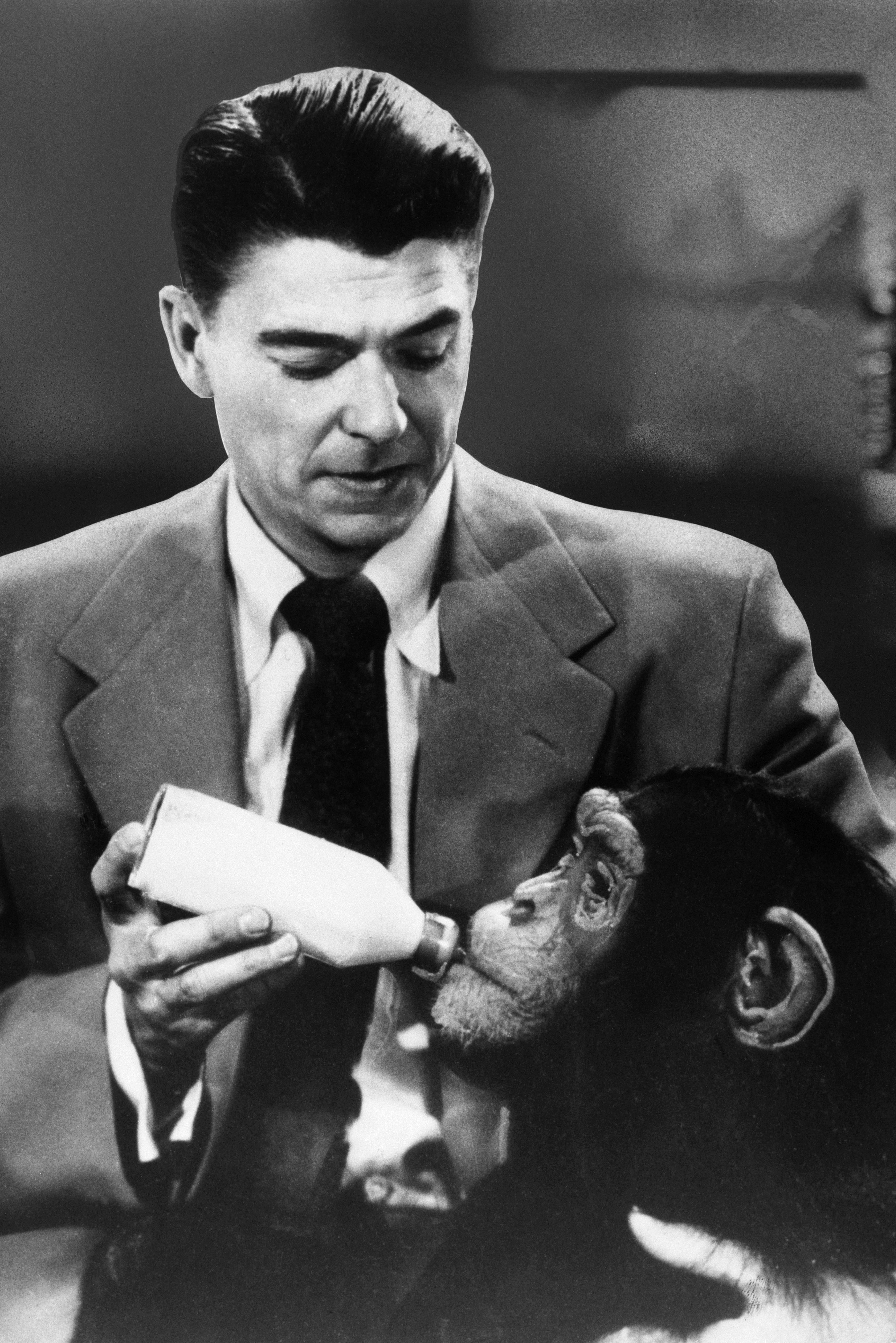
Ronald Reagan was almost killed by a chimpanzee
Long before he stepped foot in the Oval Office, Ronald Reagan was best known for being an actor. Most of the time, he was happy with this career choice (though he was always miffed that he never won an Oscar). And then there was the day he was almost killed by one of his co-stars, who happened to be a chimpanzee. In his 1951 movie Bedtime for Bonzo, Reagan was tasked with trying to wrangle an active primate. In one of the scenes, the chimp that played Bonzo grabbed Reagan’s necktie and started pulling it. Her grip only got tighter, and eventually, Reagan’s tie knot was about the size of his fingernail. Fortunately, a crew member cut the tie off of him before he was strangled.
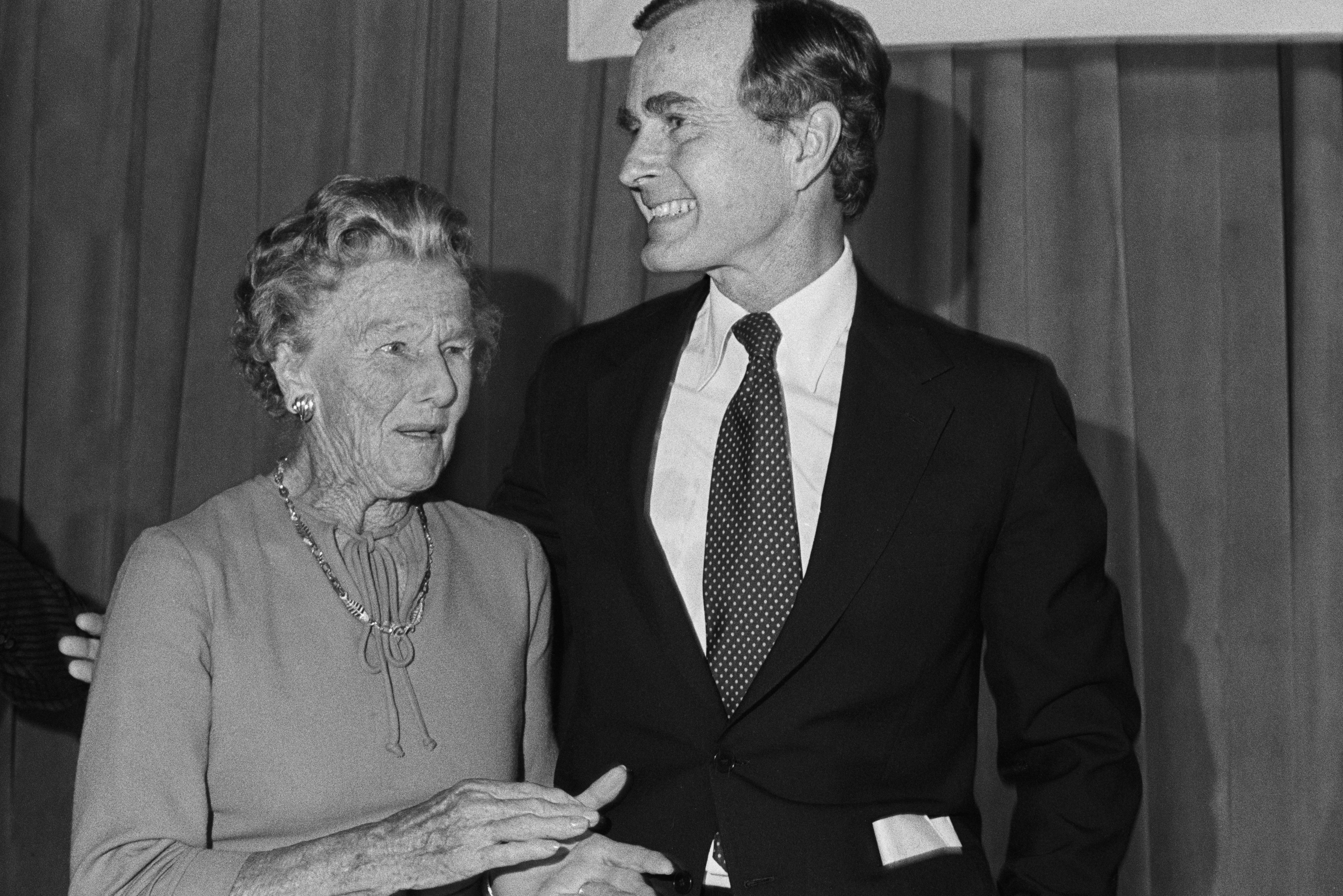
George H.W. Bush’s nickname was “Poppy”
Similar to Teddy Roosevelt, George H.W. Bush wasn’t a fan of his childhood nickname, Poppy. His mother, Dorothy Walker Bush, called him Poppy when he was a young boy. “George was named after his grandfather, George Herbert Walker. Since George’s mother called Grandfather Walker ‘Pop,’ she began calling her son, his namesake, ‘little Pop,’ or ‘Poppy’ Hence, Poppy Bush is the name the president’s family friends have called him since his youth,” according to George Bush: The Unauthorized Biography by Webster G. Tarpley and Anton Chaitkin. Today, the family name lives on: Bush’s granddaughter, Jenna Bush Hager, named her daughter “Poppy” after her grandfather.
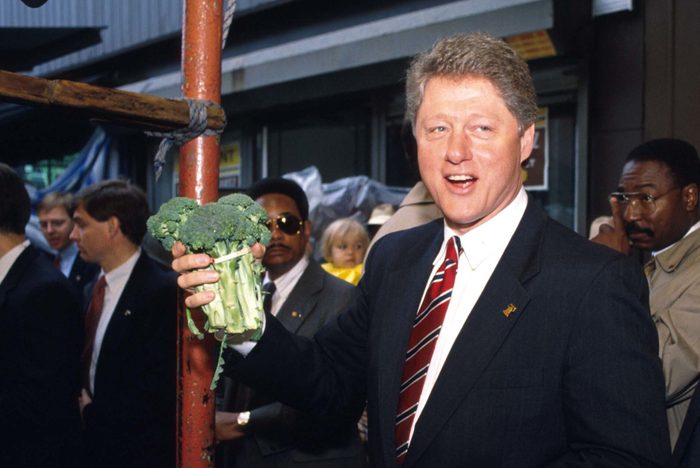
Bill Clinton is now a vegan (sort of)
In an attempt to help combat and control his heart disease, Bill Clinton switched to a vegan diet in 2010. “I just decided that I was the high-risk person, and I didn’t want to fool with this anymore. And I wanted to live to be a grandfather,” Clinton said in an interview with AARP. “So I decided to pick the diet that I thought would maximize my chances of long-term survival.” But in 2016, while on the campaign trail with his wife, Hilary Clinton, Bill admitted to eating some meat: organic salmon once a week upon the recommendation of his doctor, but said that he would just as soon leave it out.
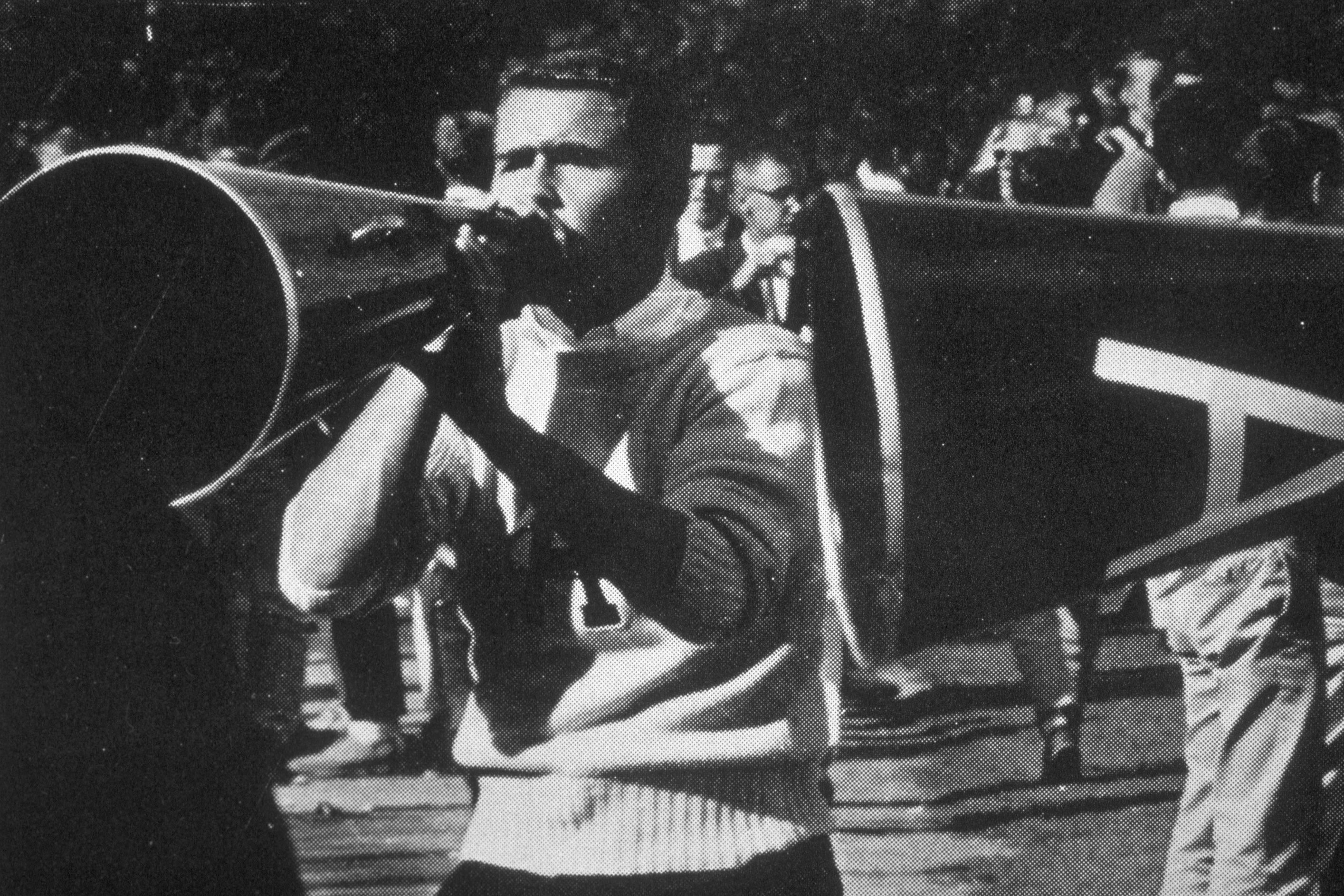
George W. Bush was a cheerleader
George W. Bush is one of four presidents that were once cheerleaders. (The other three are FDR, Reagan, and Eisenhower). The younger Bush was a cheerleader in both high school and college. In 1963, when he was a high school senior, he served as head cheerleader at Phillips Academy Andover, Massachusetts. He continued to root for his classmates in college when he was a cheerleader at Yale University from 1964 to 1968. In 2000, the New York Times published photos of Bush’s cheerleading career, including one where he is dressed in drag as part of a skit to mock their school’s rivals. Find out things U.S. presidents have to pay for on their own.
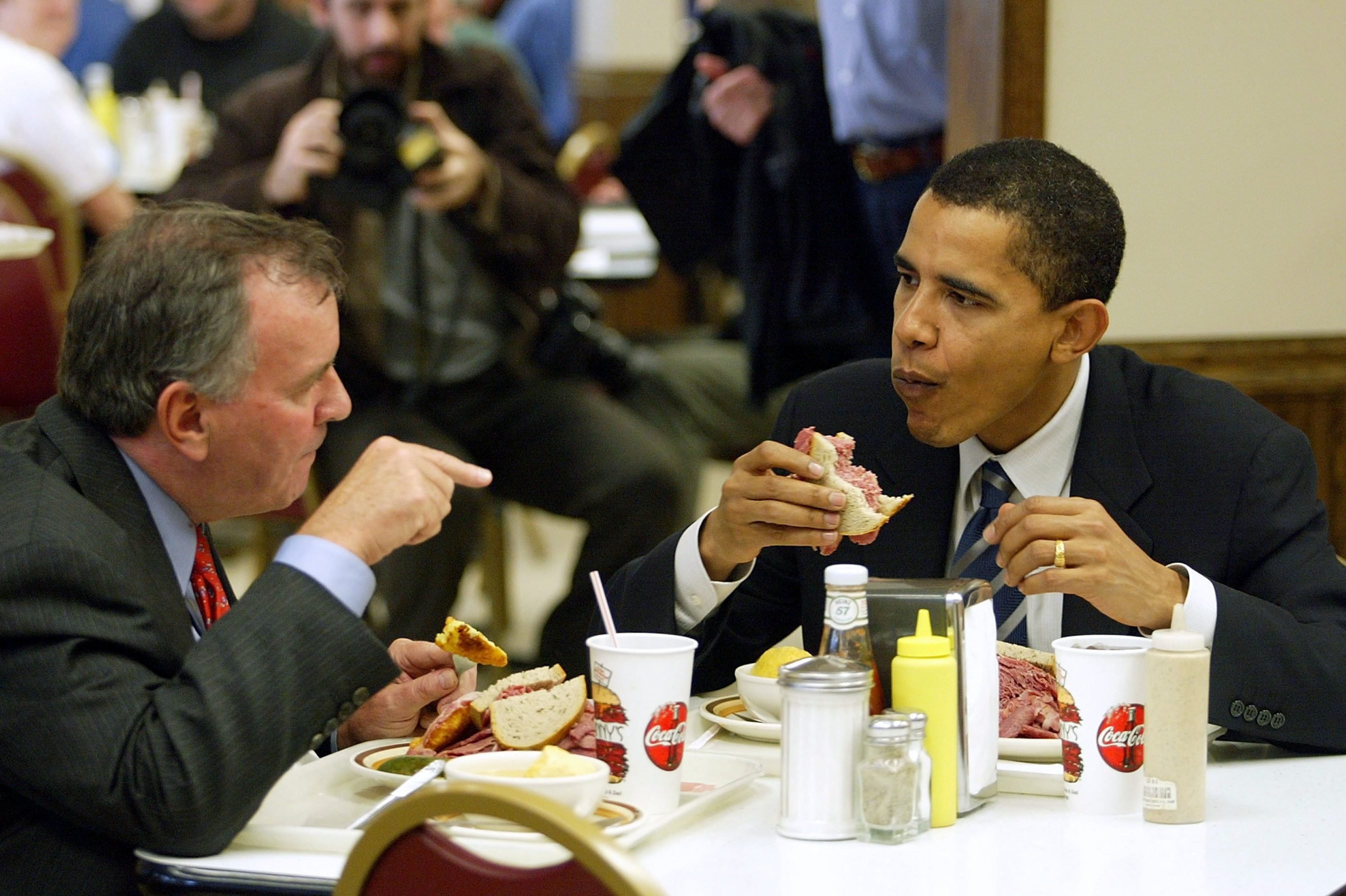
Barack Obama’s favorite food is (allegedly) broccoli
Taft loved possum, Reagan always had plenty of jelly beans on hand, and Clinton was a fan of McDonald’s. Barack Obama’s favorite food is something a little healthier: broccoli. In a 2013 interview with a young journalist at the Kids’ State Dinner, he proclaimed his love for the cruciferous veggie. But is broccoli really his favorite food, or was this just a ploy to get kids to eat more of it? In 2012, Scholastic named chili, french fries, and pork chops as his favorite foods, and Obama has also mentioned his love of nachos. So which is it? It may come down to how it’s cooked. “[In] my family, when they cooked vegetables, they were all boiled,” he said, adding that he has since learned that healthy foods can taste good as well.
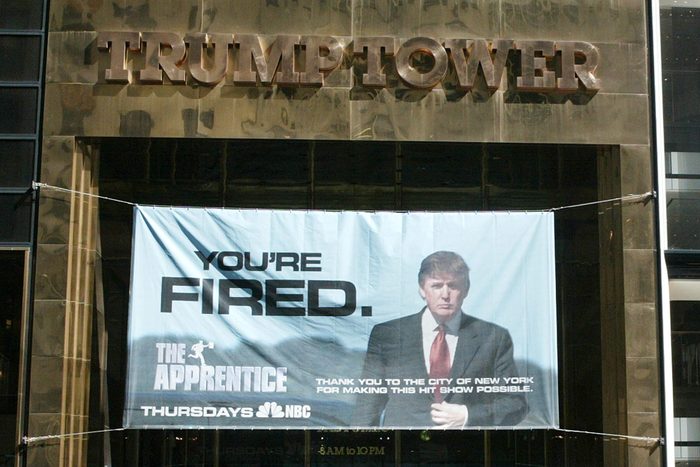
Donald Trump has spent a lot of time on TV and movie sets
In addition to being the 44th President of the United States, Donald Trump has quite an extensive list of TV and film credits, most of them playing himself. He made cameos on several scripted TV shows including The Nanny, Spin City, Sex and the City, The Drew Carey Show, and Suddenly Susan, as well as in movies like Home Alone 2: Lost in New York and Zoolander. Trump was also the host of the reality competition The Apprentice from 2004 to 2015 and appeared on a 2013 episode of Inside the Actor’s Studio with James Lipton. Read on for more astonishing facts about the U.S. presidents.
Originally Published: February 10, 2020

