


Delayed or Canceled Flight? Here’s What to Do So You Aren’t Left Hanging

Updated: Jul. 21, 2024






Here's what to do if your flight is delayed or canceled
Sometimes the actual travel part of traveling throws up unpleasant roadblocks to your vacation dreams. When flying, your flight(s) may get delayed or canceled, causing you to miss a connection and leaving you wondering whether you should leave the airport during your layover to find your way into the best airport lounges. You don’t need to know the best day to buy airline tickets to learn about your rights as a passenger, should the airline cancel your flight.
Why do flights get delayed or canceled?
There are a number of reasons why you might see a canceled flight or significant delay in your original itinerary. Here are some of the common reasons your flight may not take off on time to add to your collection of airplane trivia:
- Crew timeouts: According to the Legal Information Institute at Cornell Law, crews and pilots are restricted to a maximum number of hours they can work during any given shift. Once they’ve met those limits, the airline needs to find new crew to work the flight, which can cause long delays, depending on crew availability.
- Lack of staff: Similar to crew timeouts, sometimes airlines simply lack the staff they need for certain flights, due to illness, absences, or vacancies.
- Sick passengers: Sometimes a canceled or delayed flight is caused by a passenger having a medical emergency in the air.
Other reasons your flight might be delayed or canceled:
- Unforeseen weather events
- Mechanical issues with the plane
- Computer glitches on the ground
- Plane maintenance
- Issues at the destination airport (making landing safely a concern)
What to do if your flight is delayed
Clint Henderson, Managing Editor for News at The Points Guy, says, “If your flight is delayed or canceled, first see if the airline you are flying can put you on a competitor’s flight.” Meaning that if you were booked on American Airlines and your flight is delayed or canceled, ask an American representative if they will put you on the next Delta flight to your final destination, or a flight from a budget airline. Or, if there’s a long line at the gate, try calling the airline instead. One thing airlines don’t tell you is that wait times over the phone can be shorter than in person.
Okay, so now you’re dealing with a canceled flight and find yourself stuck at the airport. Believe it or not, there’s a lot you can do in an airport to make the time spent waiting for the next flight go by faster, without spending a lot (or any) money. Eating is always a good way to pass time, but food and drinks inside the airport cost twice as much as they do outside in the real world. Instead of another $4 bottle of water or a greasy plate of overpriced mozzarella sticks, here’s a travel tip for what you can do if your flight is delayed or canceled en route to one of the best family vacations:
- Watch your kids have fun in a play area
- Search for art and other interesting airport decor
- Go to the airport gym or yoga room
- Edit your travel photos
- Charge your devices
- Visit the airport chapel
- Watch airplanes take off and land
- Binge a TV show
- If you hold the right travel credit card, you may be eligible for one of the Priority Pass lounges at the airport to have a more comfortable place to relax, work, and eat during your delay
Another option if your flight is delayed and you’ve made it to the airport with lots of time to spare is to try and hop on an earlier flight, taking advantage of the fact that many airlines are still waiving change fees as we head into the summer travel season. It’s important to remember that even if the airline tells you that your flight is delayed, changing staff and weather conditions may allow it to catch up to its regularly scheduled time, which is why you should track where your airplane is coming from. Airlines usually have a feature in their app allowing you to track the current location of your airplane in transit to your gate.
What to do if your flight is canceled
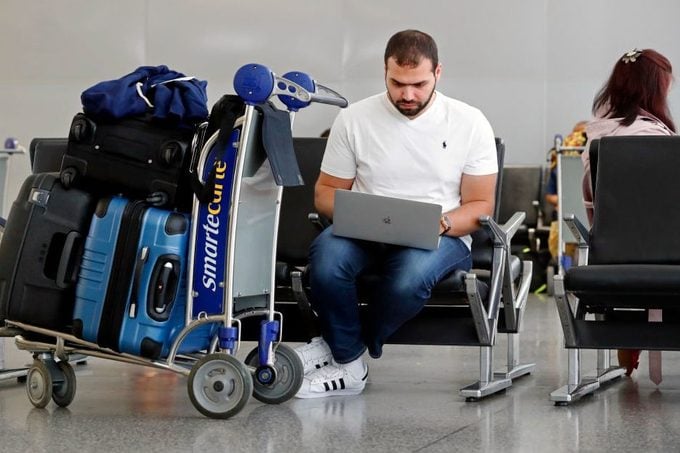
If you find yourself in a situation where your flight has been delayed significantly, try to remain calm and patient, even though it is frustrating to be stuck at the airport. Take advantage of the time by catching up on work, reading that book you’ve been meaning to start (have you heard the secret perk of buying books at the airport?), or scrolling through funny vacation memes for a much-needed laugh. Make sure to stay hydrated and grab a bite to eat, so you’re not left feeling hangry when you finally reach your destination.
In the event of a canceled flight, contact your airline to find out what options are available to you. You may be able to book a seat on another flight or get a refund for your ticket.
How do you find out if your flight is canceled?
Steve Schwab, CEO of vacation rental company Casago, encourages travelers to download their airline’s app and turn on notifications, noting that, “This will be your first point of reference if your flight has any delays or cancellations.”
Henderson notes that you can also find out if your flight is delayed or canceled by doing a Google search with your airline and flight number. For example, simply enter “AS 186” and it will show you the status of your flight. Henderson also suggests two of his favorite apps, FlightRadar24 and Flight Aware. These will provide real-time insights into problem areas across the country and how many flights are canceled by airline or by airport.
One other way to keep up on airline news and flight disruptions is to follow the airline you are flying on Twitter, so you can direct message them if anything goes wrong. When phone call centers experience long wait times, social media messaging can, at times, help you get results faster. This can be especially helpful if you find yourself at one of the busiest airports in the world.
What rights do you have when your flight is canceled?
Henderson outlines your rights when facing a flight cancellation. He says, “If your flight is canceled by the airline, they should rebook you and [may] give you meal and hotel vouchers.” In fact, according to the U.S. Department of Transportation, airlines are required to refund you if your flight gets canceled and you choose not to rebook, even if your ticket was nonrefundable. They will likely try to rebook you instead, or offer you a voucher for future travel.
The one caveat to this policy is that if it’s not their fault—bad weather, for example—the airline is not under any obligation to rebook or refund. They are also not required to provide you a meal or hotel voucher, though many airlines do provide those as a customer service for the inconvenience.
Henderson also encourages travelers to pay attention to their ticket class, noting that he “doesn’t advise buying ‘basic’ or ‘saver’ fares, as they come with many more restrictions and you aren’t as likely to get help or vouchers.” Keep these tips in mind if you travel for the holidays, as higher traffic means more likelihood of delayed or canceled flights.
Will airlines compensate you for a canceled flight?
Tim White, founder of travel site Milepro, says that if your domestic flight is canceled, you can expect to receive the option to get booked on another flight or receive a voucher for a future trip. Be sure to check all the stipulations and potential expiration dates of any voucher you are offered before you choose to accept.
If your flight is canceled and you choose to cancel your trip altogether as a result, you are entitled to a refund for the unused portion of the flights (including non-refundable tickets), all bag fees that you prepaid, and any upgrades you may have purchased such as seat assignments or extra leg room.
What are airline refund policies, and how do they work?
Different airlines have different policies for refunds stemming from canceled flights and flight delays. The rules are usually indicated in each airline’s terms and conditions when booking. This means that before ticking that “I agree” box, you should read everything and know what specific rules your airline has in place. It may depend on the type of ticket you purchased. Basic economy tickets, for example, may provide you with no recourse to receive compensation for canceled or delayed flights.
What to do before you head to the airport
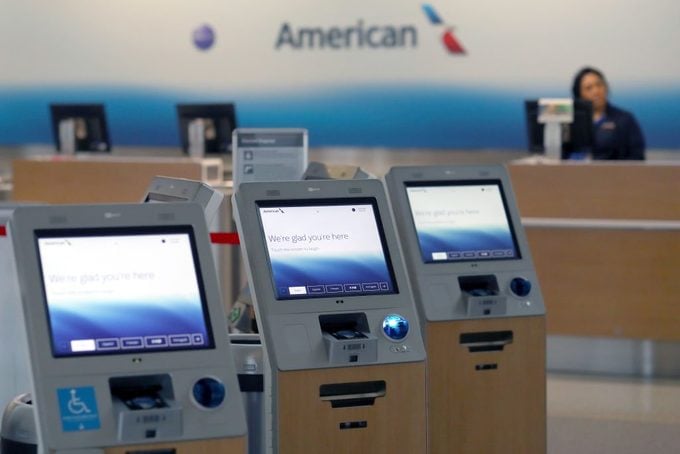
The best way to be prepared for a canceled flight or a delay that seriously impacts your overall travel plans is to buy travel insurance. Having insurance against unexpected problems (not limited to flight delays and cancellations) will ensure that your money is protected. Be sure to read the full terms and conditions to know exactly what you’re buying and what it protects against.
One other way to be travel prepared is to try not to book the very last flight of the day, because it means you’ll have no backup option or alternate flight home in case of a delay or cancellation, and possibly, limited transportation options out of the airport late at night.
Henderson believes that the best way to be prepared for cancellations or delays is to have a backup plan (or two). For example, know what other airlines operate the same route you plan to fly, just in case you will end up needing to switch to an alternate airline if your flight is canceled. Also, book your trip with a credit card that offers trip delay or cancellation insurance, which might pay for a hotel or food costs if you are facing a major delay.
Sources:
- Legal Information Institute: “Flight time limitations and rest requirements: One or two pilot crews”
- Clint Henderson, Managing Editor for News, The Points Guy
- Steve Schwab, CEO of vacation rental company Casago
- U.S. Department of Transportation: “Flight Delays & Cancellations”
- Tim White, founder Milepro
- Sam Goldberg, host of the travel food show Respect The Chain

Originally Published: May 16, 2022

