


East Coasters within driving distance of a Wawa can't get enough of the beloved convenience store, which operates in Pennsylvania, New Jersey, Delaware, Maryland, Virginia, Washington, D.C., and Florida. But the chain has some secrets even loyal customers may not know.
11 Things Wawa Employees Won’t Tell You
1
/
11
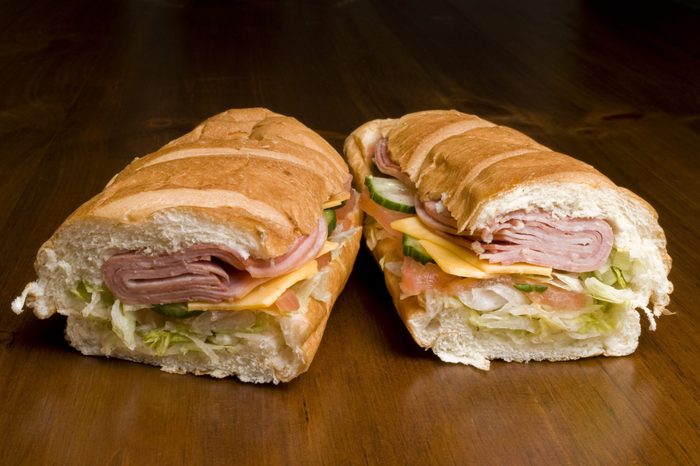
The one sandwich to avoid
Unlike other grab-and-go shops, Wawa is notorious for creating delicious hoagies for hungry customers who are on the run. But Philadelphia magazine reports there’s one sammy you should never, ever order, at least according to an anonymous employee they interviewed. Give the cold Gobbler sandwich a hard pass. “The regular Gobbler is hot turkey with gravy,” says the anonymous tipster. “But the cold one is made with cold lunchmeat turkey, and it’s a terrible sandwich.”
2
/
11
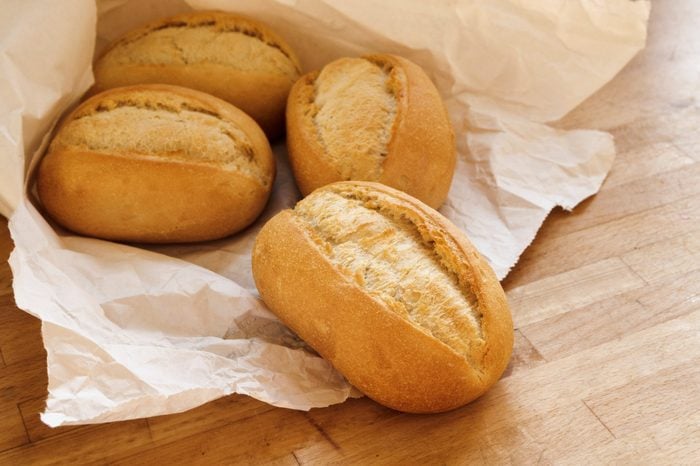
The employees like the old rolls better, too
Customers are loyal to companies because of consistency and quality. Faithful Wawa shoppers noticed a change in the rolls being used to make hoagies, and the new variety just isn’t the same. “They switched from fresh Amoroso rolls to parbaked rolls,” says Philadelphia’s source. “Cheaper but not as good. We finish baking them in the store so they say they are fresher, but really the old Amoroso rolls were better.”
3
/
11
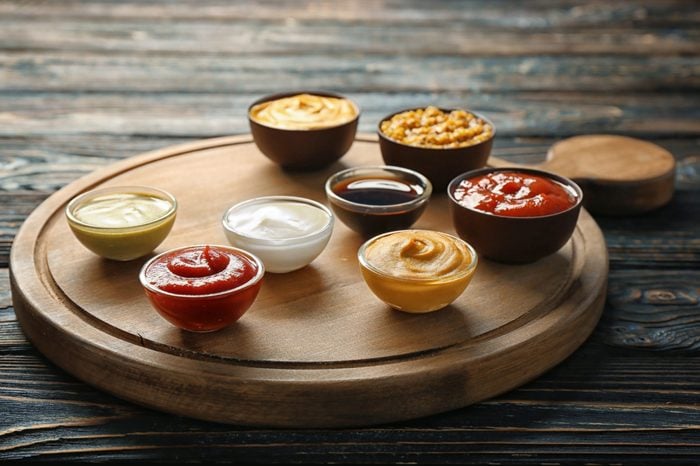
Don’t be shy about getting sauced
In a Reddit AMA with Wawa employees, one suggested taking better advantage of the store’s condiments. “I will say I don’t think enough people ask for dipping sauces from the deli,” says one employee. “Sure, we sell cups of marinara for mozzarella sticks, but you can get a cup of the meatball sauce from the deli that’s hot and way better. Also, (put) chipotle mayo on all the things (especially the soft pretzels). You just have to ask for it.” If you’ve ever wondered what’s in Chick-Fil-A’s special sauce, this is the secret.
4
/
11
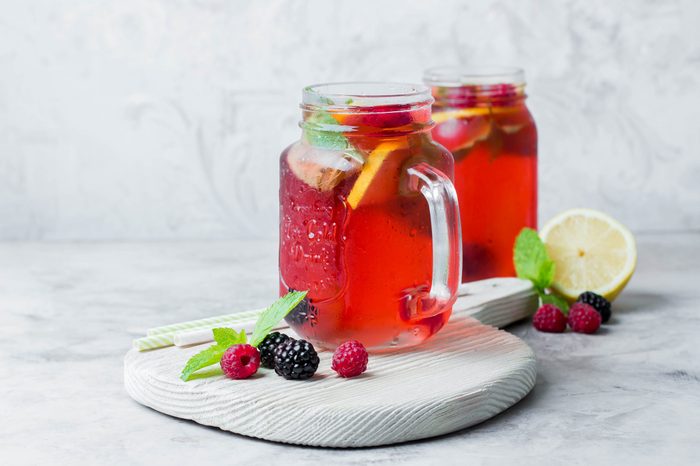
The secret menu is full of surprises
All of the greats have a secret menu, Wawa included, but unlike other establishments, theirs is always changing. If you want to stay up to date, you should cruise around the store touch-screens to see what’s new, like the current Jalapeno Berry Lemonade beverage option that is also available in a frozen variety. They also offer clues across their social media platforms.
5
/
11
Soup’s on
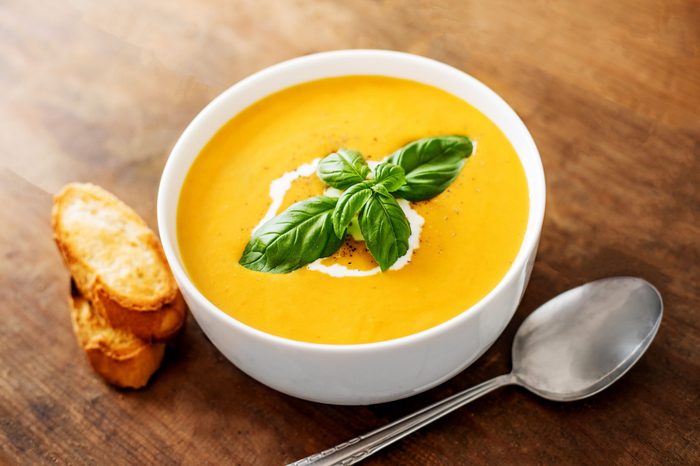
For those customers looking for a comforting meal, there’s nothing like one of Wawa’s soups. Different varieties are offered each day and there’s typically a calendar near the deli that will tell you what’s on tap when. However, according to an employee on Reddit, there’s a simple way to get your favorite soup any day of the week. “If you ever want a specific soup, you can call an hour before you are going to be there and they can make it for you,” says the helpful tipster.
6
/
11
This is why your favorite side may be sold out
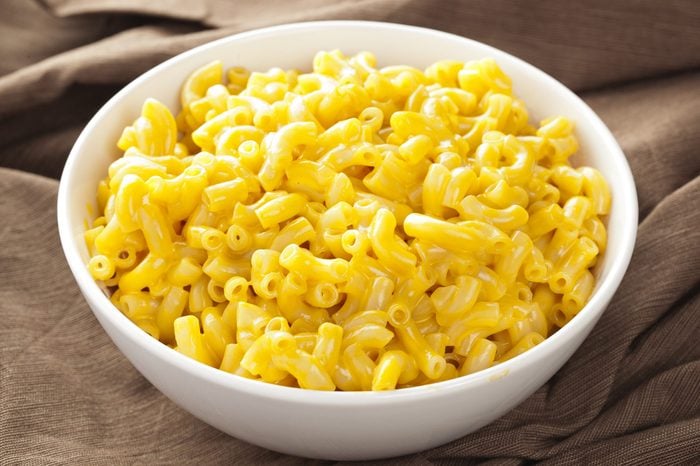
Customers go ga-ga for Wawa’s macaroni and cheese (which employees on Reddit suggest is likely Stouffer’s brand). According to a Wawa worker on Reddit, here’s why it may be sold out: “Mac and cheese is a popular item that we go through very quickly in lunch and dinner rushes. We try our best to always have backups ready for when we run out of it on the steam table. On occasion the bags we heat our food in will break while they are being re-thermalized and we will temporarily be out for a little while.”
7
/
11
Wawa gives back—at every level
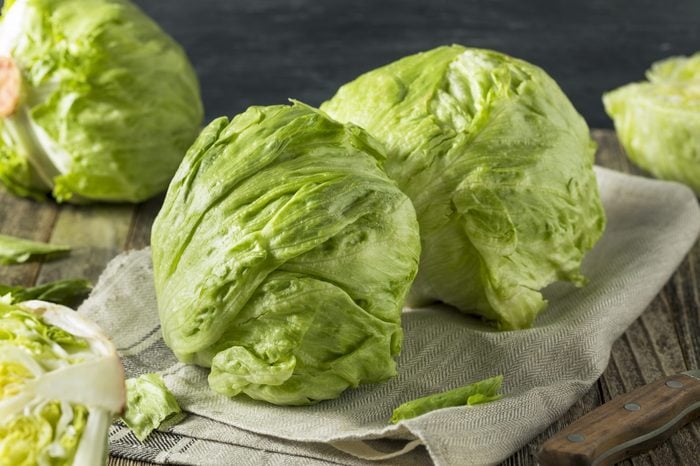
As a company, Wawa is deeply rooted in philanthropy and they train their employees to be service-oriented as well. Just ask Jill Pall, a New Jersey resident, who remembers one particular Christmas when Wawa came through for her family. “My mom was frantically trying to buy lettuce for a salad to bring to my aunt’s house for dinner,” she tells Reader’s Digest. “We went to Wawa and they gave her four huge bags of lettuce and said, ‘Merry Christmas. No charge.’ They ‘saved Christmas’ according to my mom.”
8
/
11
Wawa is exceptional at retaining employees
You don’t often find “lifers” at big companies anymore, with folks always looking for greener pastures like better titles or big raises. According to a Mashable article, it’s not uncommon for Wawa employees to stick with the team for 30 or 40 years. And approximately 41 percent of the company is owned by its employees through a stock ownership program. Find out how much Trader Joe’s employees really make.
9
/
11

Their bathrooms are top notch
You’re unlikely to find a Wawa employee who will celebrate the cleanliness of their store’s bathroom, but, seriously, they’re the best. In fact, according to GasBuddy’s 2018 summer travel survey, Wawa was rated as having the best public restrooms in Pennsylvania and came in second overall in the United States. Meanwhile, these are the places you should never touch in public restrooms.
10
/
11

Celebrities love the place
They’re not ones to brag but Wawa has cemented a place in pop culture. According to Chowhound, actress Ellie Kemper wrote an essay about her love for the convenience store in Princeton’s alumni magazine and actor Johnny Knoxville even got inked with the company logo. And, yes, a couple even got married at their favorite location for grabbing a morning coffee.
11
/
11
Here’s what to skip for breakfast at Wawa
While the convenience store has a pretty solid reputation for its breakfast options, not all are created equal. The Washingtonian interviewed dietitians about the best items to order at Wawa and what to avoid. Those who are minding their diet will want to swap the beloved Sausage Breakfast Classic Hoagie (1,470 calories) in favor of the more modest Roasted Veggie Breakfast Sandwich (350 calories). Next, read on for the 12 craziest things Walmart employees have witnessed on the job.
