


What Is Good Friday, and Why Do We Celebrate It?

Updated: Apr. 20, 2024






Here's everything to know about Good Friday, including the Christian holiday's history, traditions and facts
Every Christian knows the tale: Jesus Christ died and rose again for the forgiveness of mankind’s sins, promising those who believe in him eternal life. Christians typically celebrate Jesus’s resurrection each spring on Easter Sunday, participating in Easter traditions like Easter egg hunts, all the while snacking on jelly beans and gifting Easter baskets.
But Good Friday, which is observed near the end of Lent and falls just days before Easter, doesn’t get the same attention: Only 12 states consider Good Friday an official holiday, and many people don’t know why they observe it to begin with. So what is Good Friday, anyway? We share plenty of facts about the Good Friday meaning, history, traditions and more below.
Get Reader’s Digest’s Read Up newsletter for more holiday tips, fun facts, humor, cleaning, travel and tech all week long.
What is Good Friday?
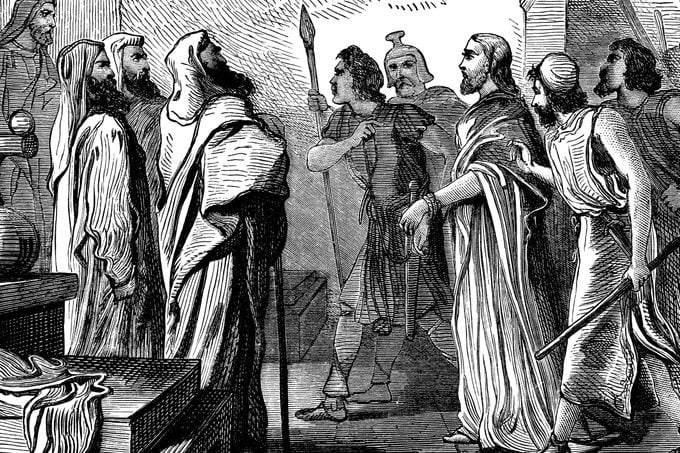
Simply put, Good Friday is the day for Christians to commemorate Jesus’s crucifixion. But what happened on Good Friday? On this day, according to the Bible, the Jewish religious leaders—who had condemned Jesus the night before for claiming to be the son of God and king of the Jews—brought him to the Romans for sentencing. He was sent from Pontius Pilate to Herod and then back to Pilate, who ultimately sentenced Jesus to crucifixion—the highest form of criminal punishment at the time. Jesus was then beaten, forced to carry a heavy wooden cross through jeering crowds and finally nailed to the cross by his wrists and feet, where he hung until he died, later that day.
When is Good Friday 2024?
In 2024, Good Friday falls on Friday, March 29. Easter falls on Sunday, March 31. Since Good Friday and Easter fall on a different date each year, here are the upcoming dates for both:
- Good Friday 2025: Friday, April 18, 2025; Easter 2025: Sunday, April 20, 2025
- Good Friday 2026: Friday, April 3, 2026; Easter 2026: Sunday, April 5, 2026
- Good Friday 2027: Friday, March 26, 2027; Easter 2027: Sunday, March 28, 2027
What is the meaning of Good Friday?
Given its grim origins, calling this holiday “Good Friday” probably sounds counterintuitive. But the word “good” has a different meaning here. In this context, it “designates a day on (or sometimes a season in) which religious observance is held,” Fiona MacPherson, senior editor of the Oxford English Dictionary (OED), told the BBC. Put another way, the term refers to “a day or season observed as holy by the church,” per the OED.
How is Good Friday observed?
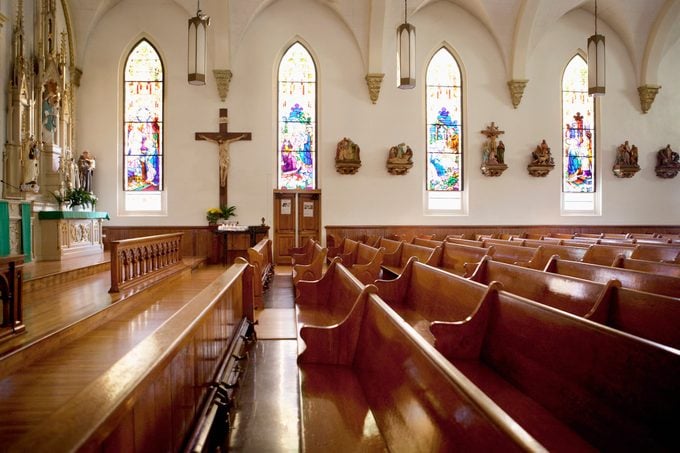
If you’re wondering what Catholics and other Christians do on Good Friday, well, it’s a day of somber reflection. The Friday before Easter, Christians solemnly honor the way Jesus suffered and died for their sins. They might attend a service that recounts Jesus’s painful crucifixion, and some even refrain from eating (also known as fasting) to show their sorrow. Catholic churches strip their altars bare and muffle their bells as a sign of mourning, according to Catholic.org.
But Christians soon turn to happier festivities: On the following Sunday, they celebrate Easter—the day of Jesus’s resurrection—with church services, joyous songs and family gatherings.
Sources:
- The Ethics and Religious Liberty Commission of the Southern Baptist Convention: “5 facts about Good Friday and Easter”
- Christianity.com: “What’s So Good About Good Friday?”
- BBC: “Who, What, Why: Why Is Good Friday Called Good Friday?”
- Catholic.org: “Good Friday”



Originally Published: March 14, 2022

