


26 Adorable Corgi Pictures That Will Make You Want One

Updated: Jul. 12, 2023





These corgi pictures are probably going to make you want a short, stumpy friend of your own. Take a look at how adorable these dogs are and learn a few things about the breed.
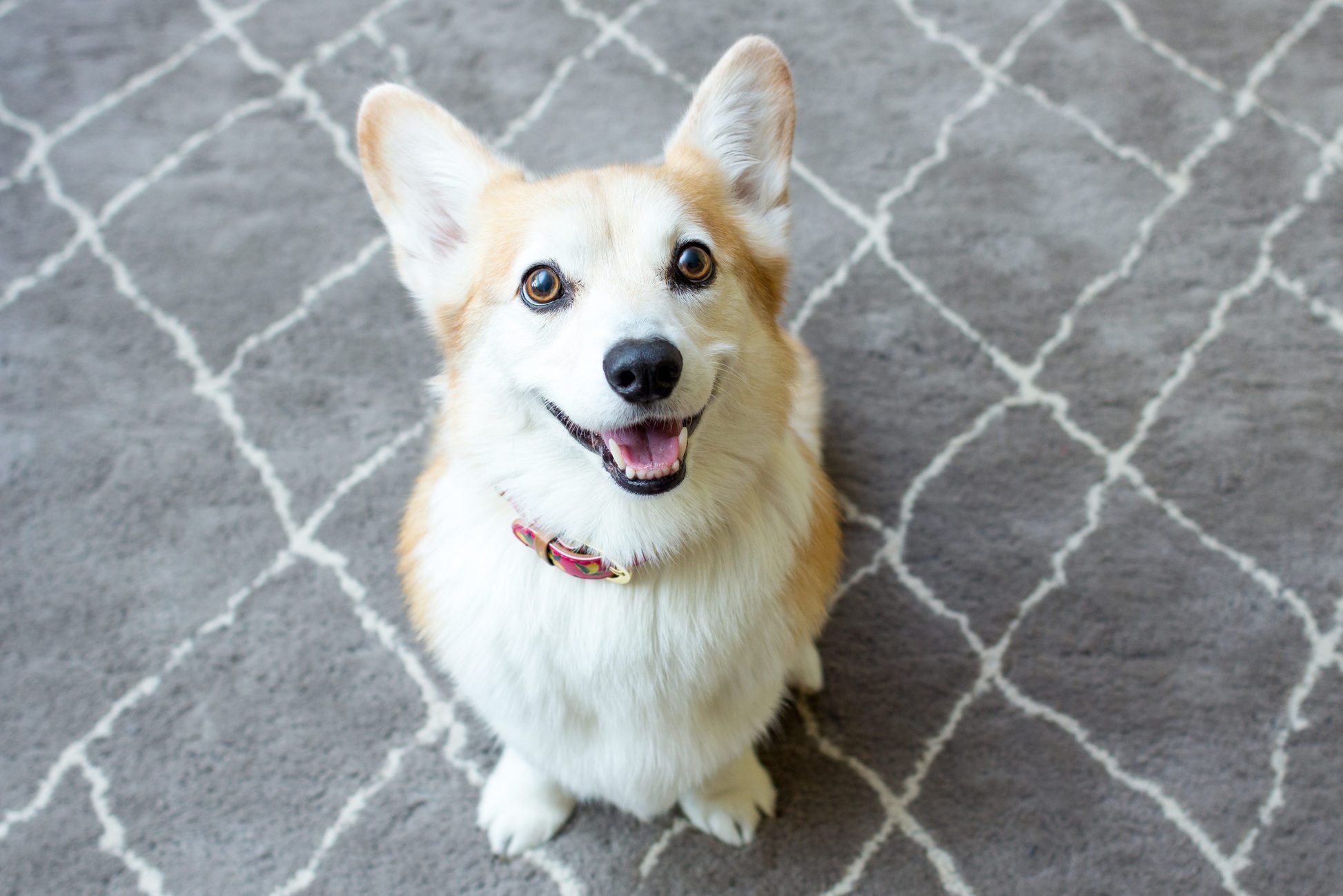
The cutest corgi pictures
A corgi’s stumpy legs, pointy ears, and sassy personalities make them some of the best dogs. If you don’t already have one on your dog wish list, these photos might convince you otherwise. These full-grown and puppy pictures of corgis are sure to put a smile on your face. If you can’t get enough of cute dogs, you’ll also want to look through these adorable pug pictures and these husky pictures.
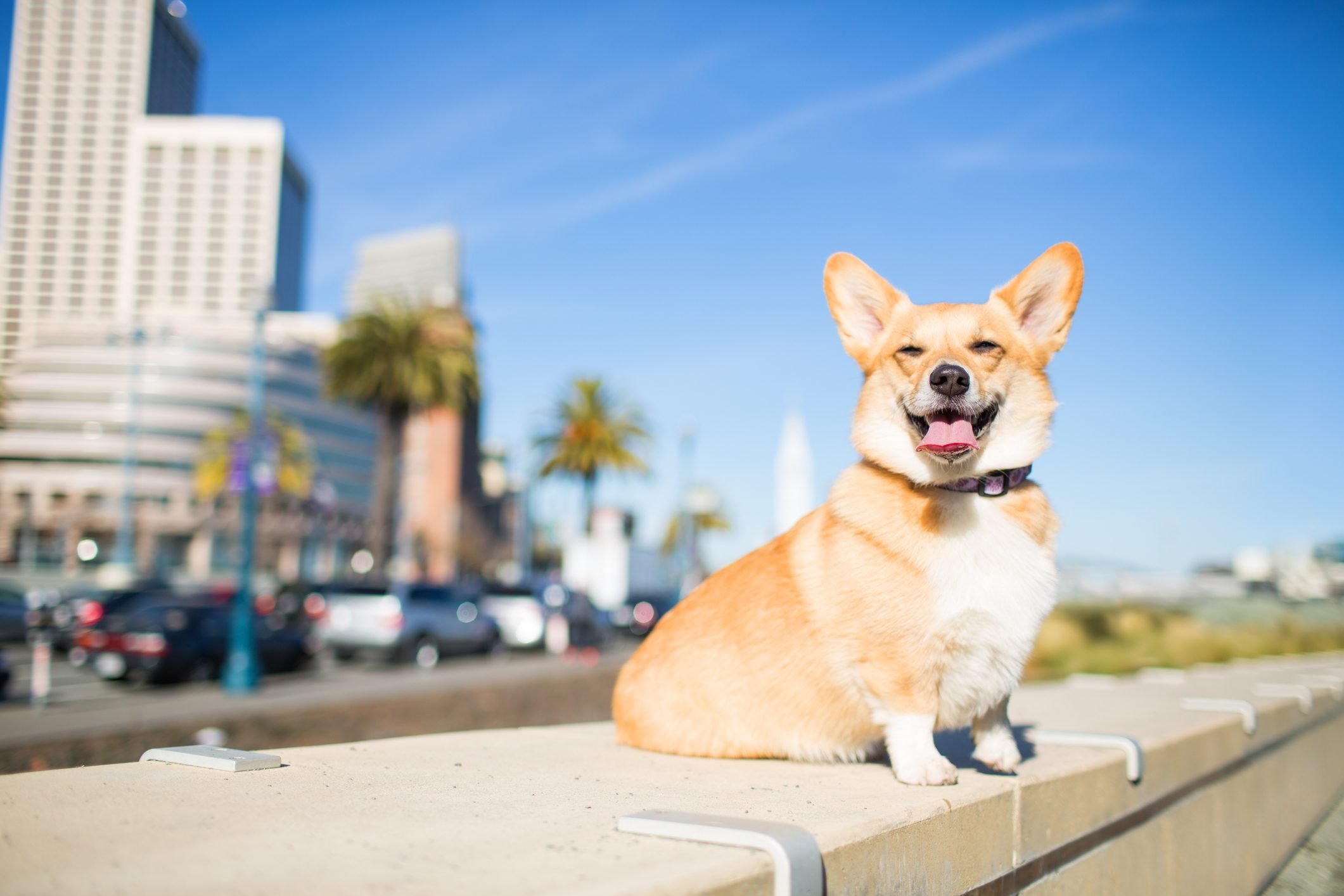
Happy smiles
There are two types of corgis, a Pembroke Welsh Corgi and a Cardigan Welsh Corgi. The dog’s ancestry dates back to at least the tenth century.
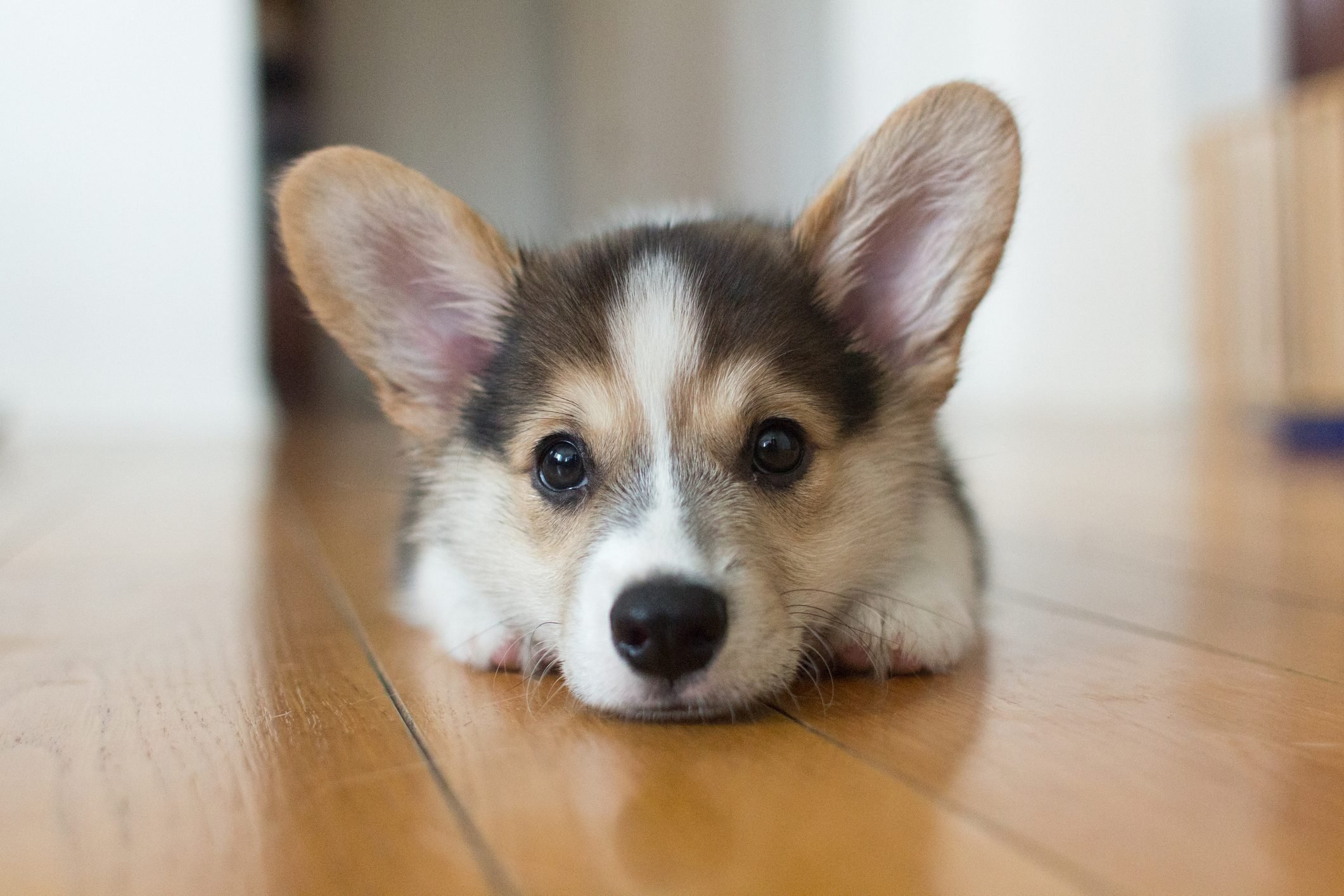
Puppy face
Pembroke and Cardigan corgis are actually two distinct breeds. Pembrokes have a docked tail, a shorter body, and more pointed ears. Cardigans have long tails, are slightly taller, and their ears are more rounded at the tips.
RELATED: 13 of the World’s Biggest Dog Breeds
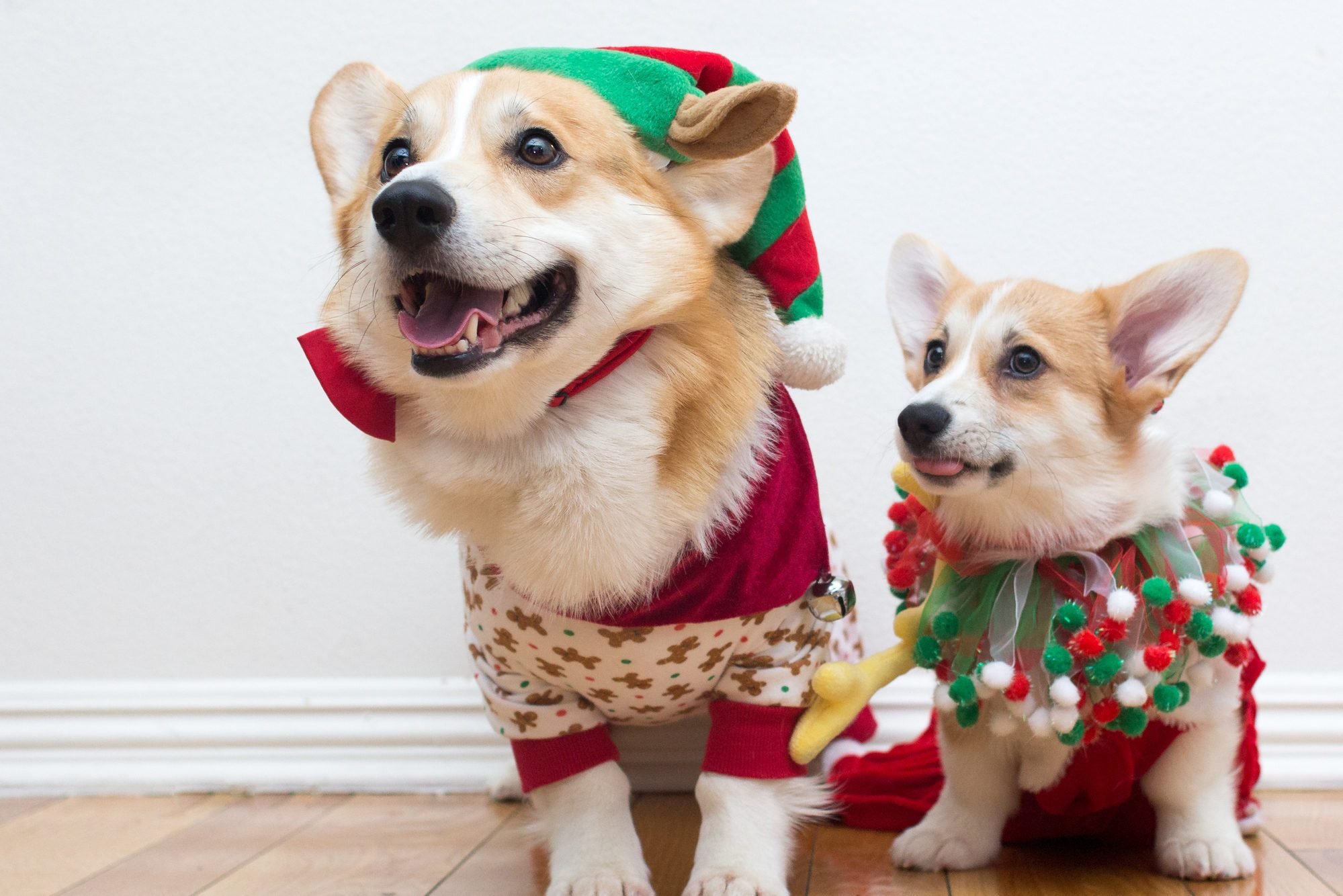
Christmas corgis
A Welsh legend says that Pembroke corgis used to work for fairies. Sometimes you can see the marks of a “fairy saddle” on the coats of corgis. Check out these adorable photos of Christmas dogs and puppies to put you in the holiday spirit.
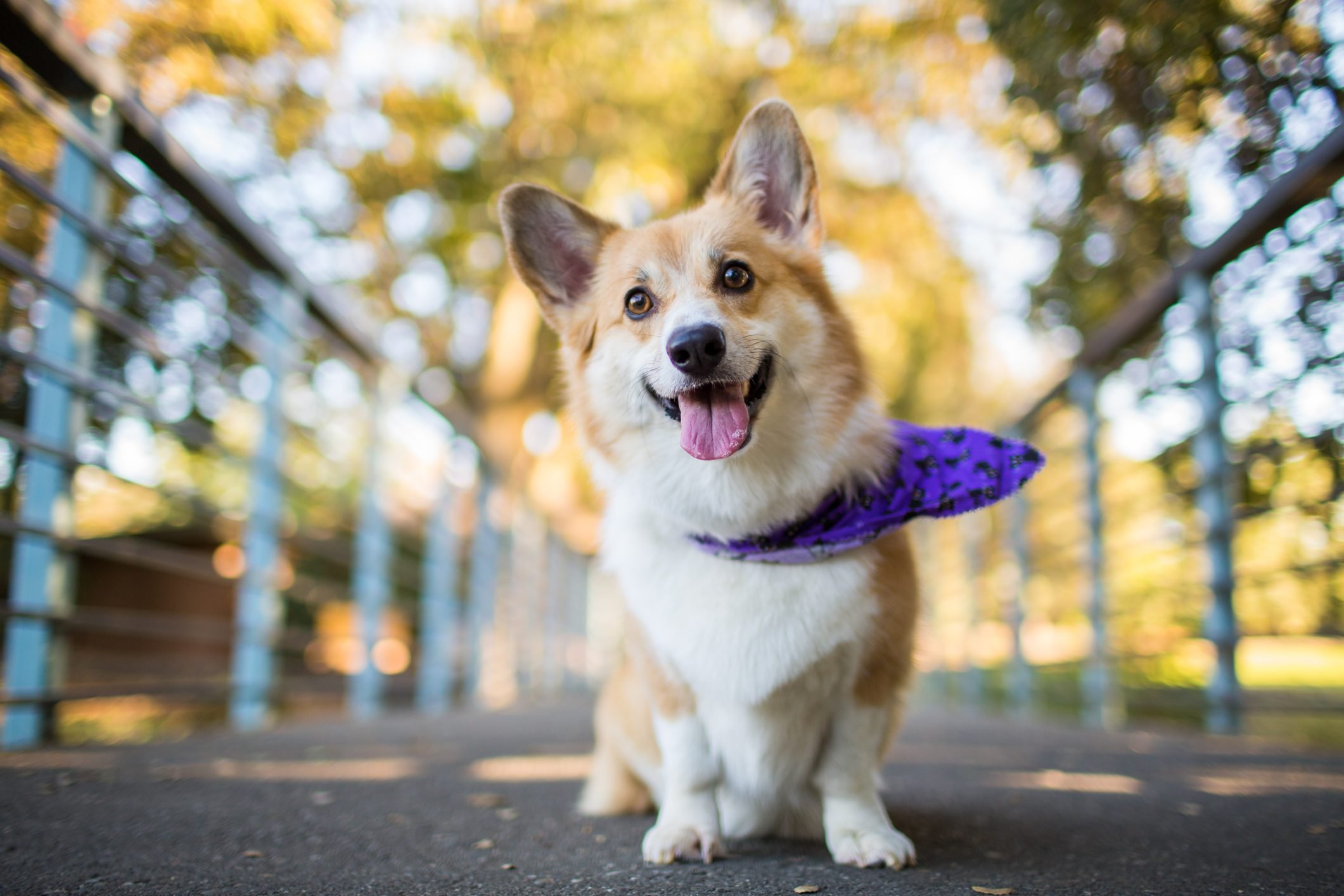
Tongue out
Aren’t these corgi pictures adorable? Even though corgis are small, they’re expert herders. Pembroke Welsh corgis have been herding and watching over farms for decades.
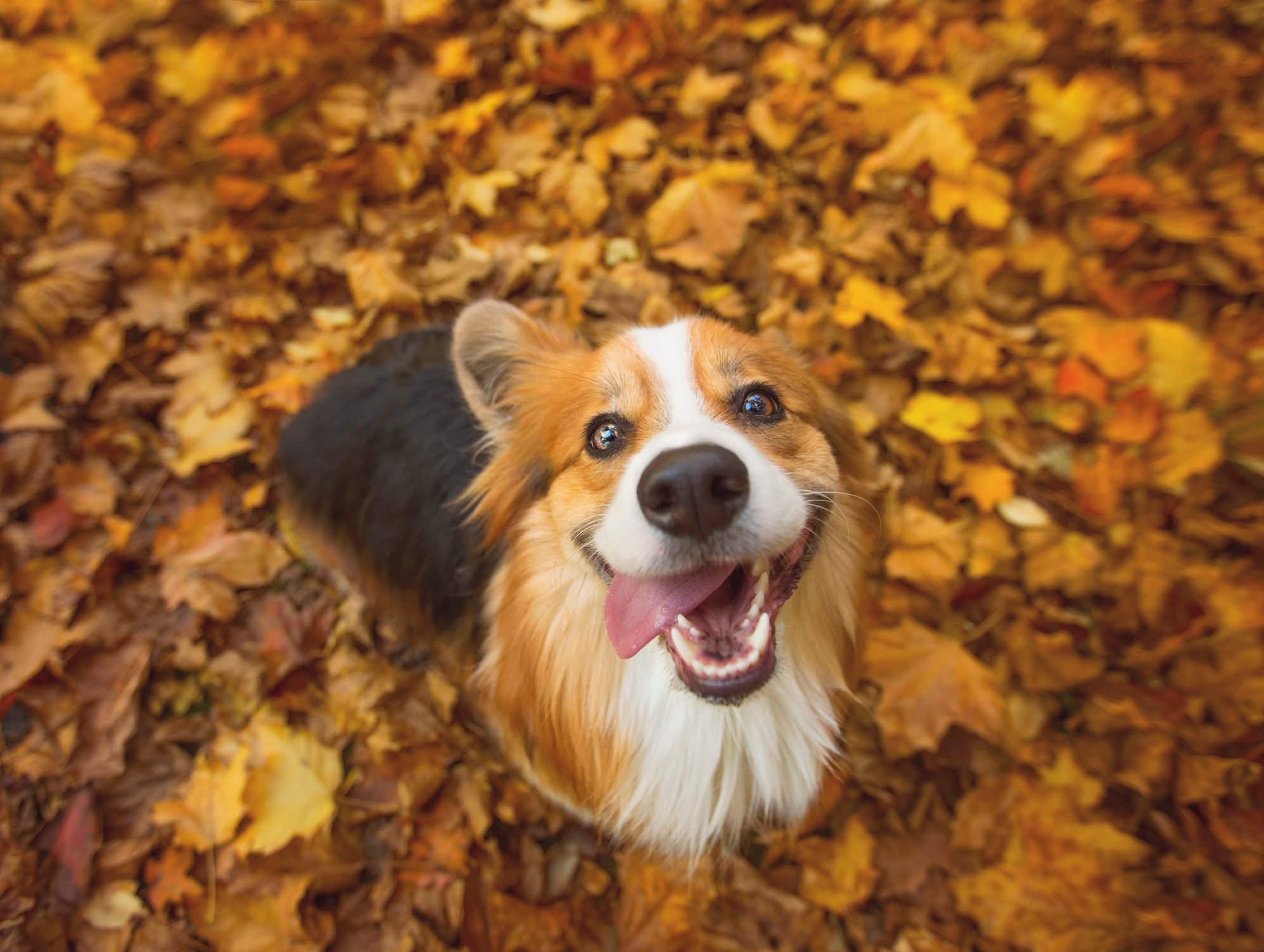
I love you, human
They are known for being the most agreeable of small house dogs. They make loyal pets for families.
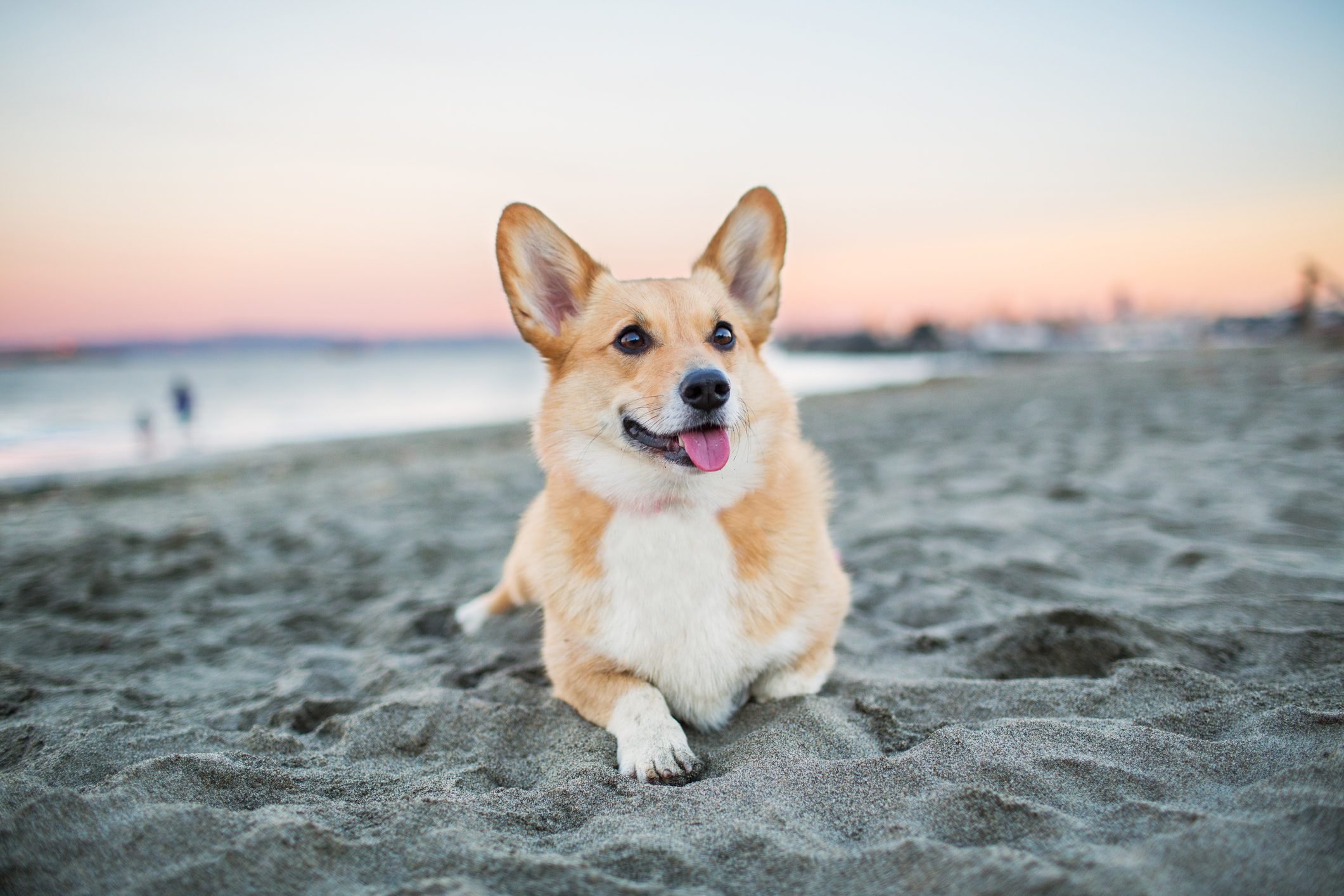
Beach bum
Corgis are very smart and love to work. They enjoy competing in sports such as conformation, herding, agility, and obedience.
RELATED: The Cutest Mixed Dog Breeds You’ll Want to Bring Home
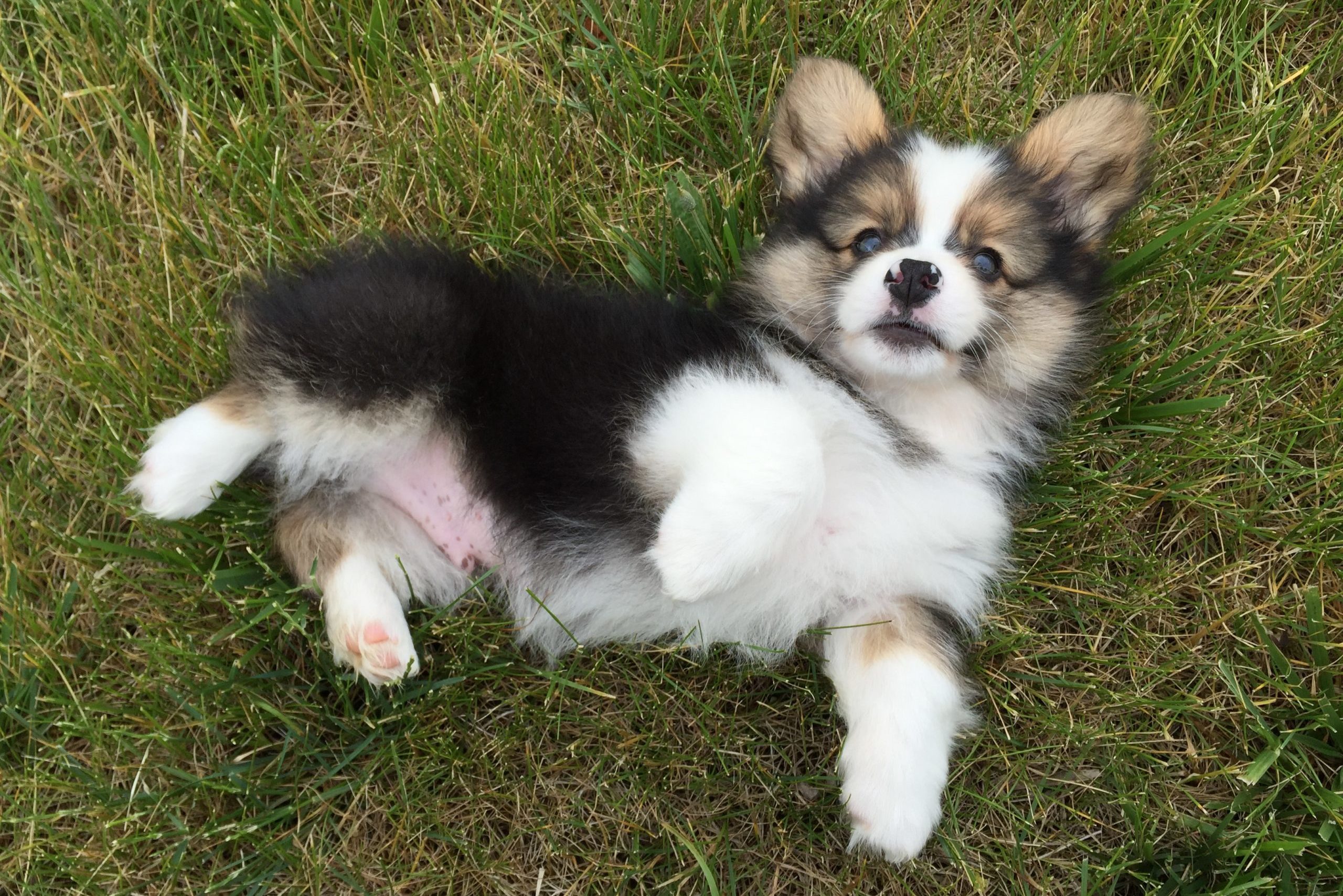
Fluffy pup
The word corgi translates to dwarf dog. If you’re enjoying these corgi pictures you’ll also want to look through these funny dog photos.
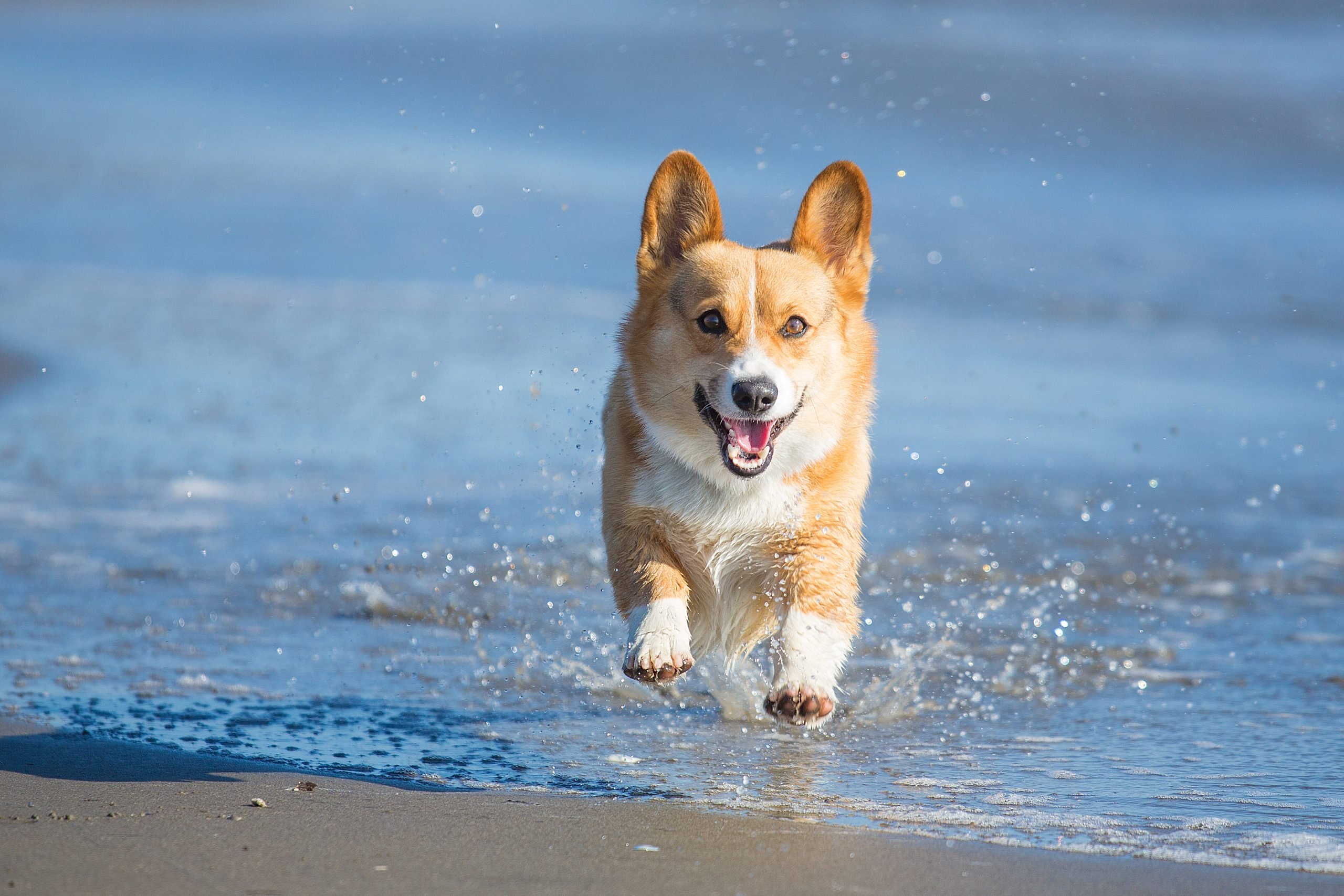
Splish splash
In the early years of Amazon, the editor-in-chief and principal engineer brought his corgi, Rufus, to work with him, making Rufus the unofficial Amazon mascot.
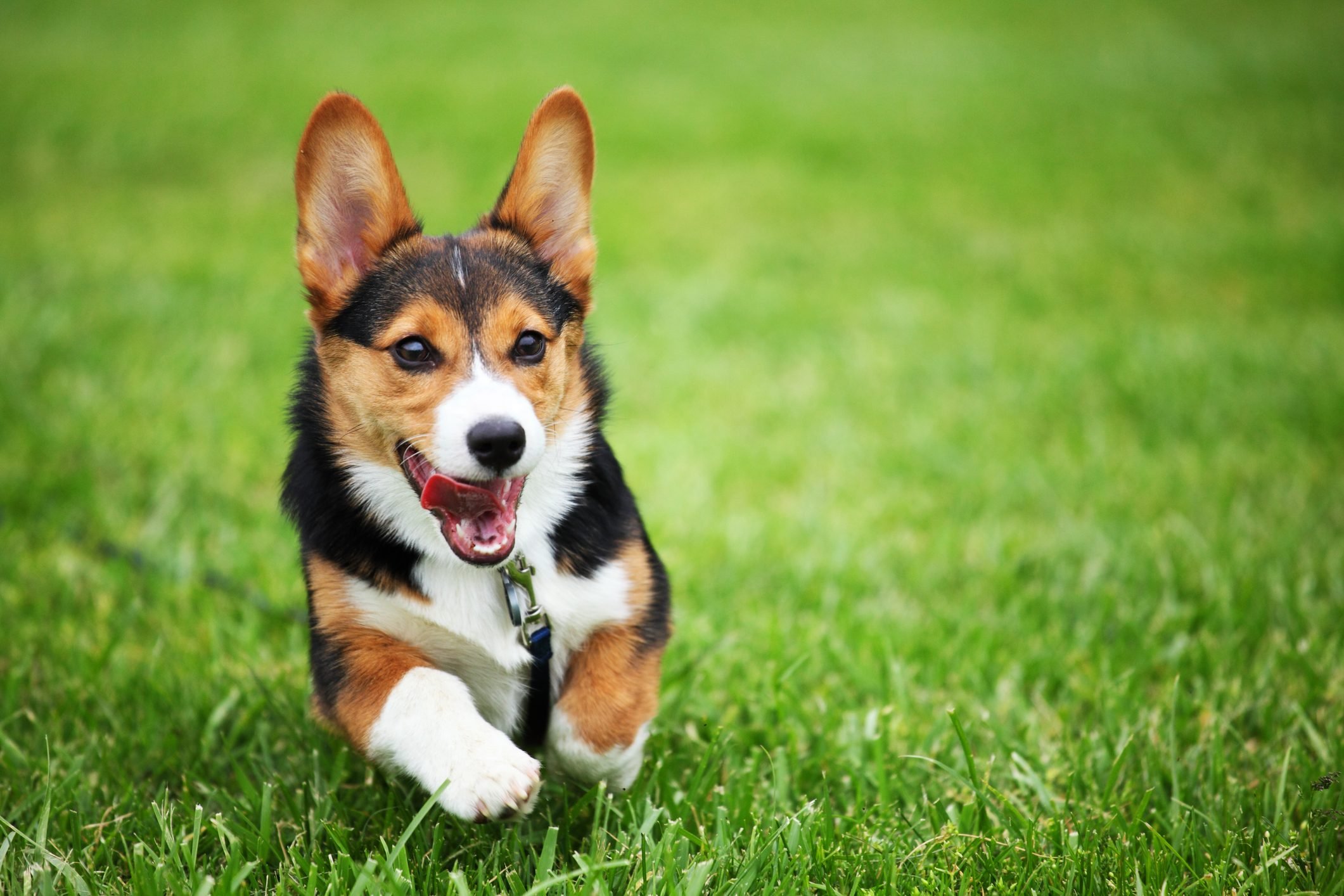
Charge!
The Cardigan Welsh Corgi is the older of the two breeds.
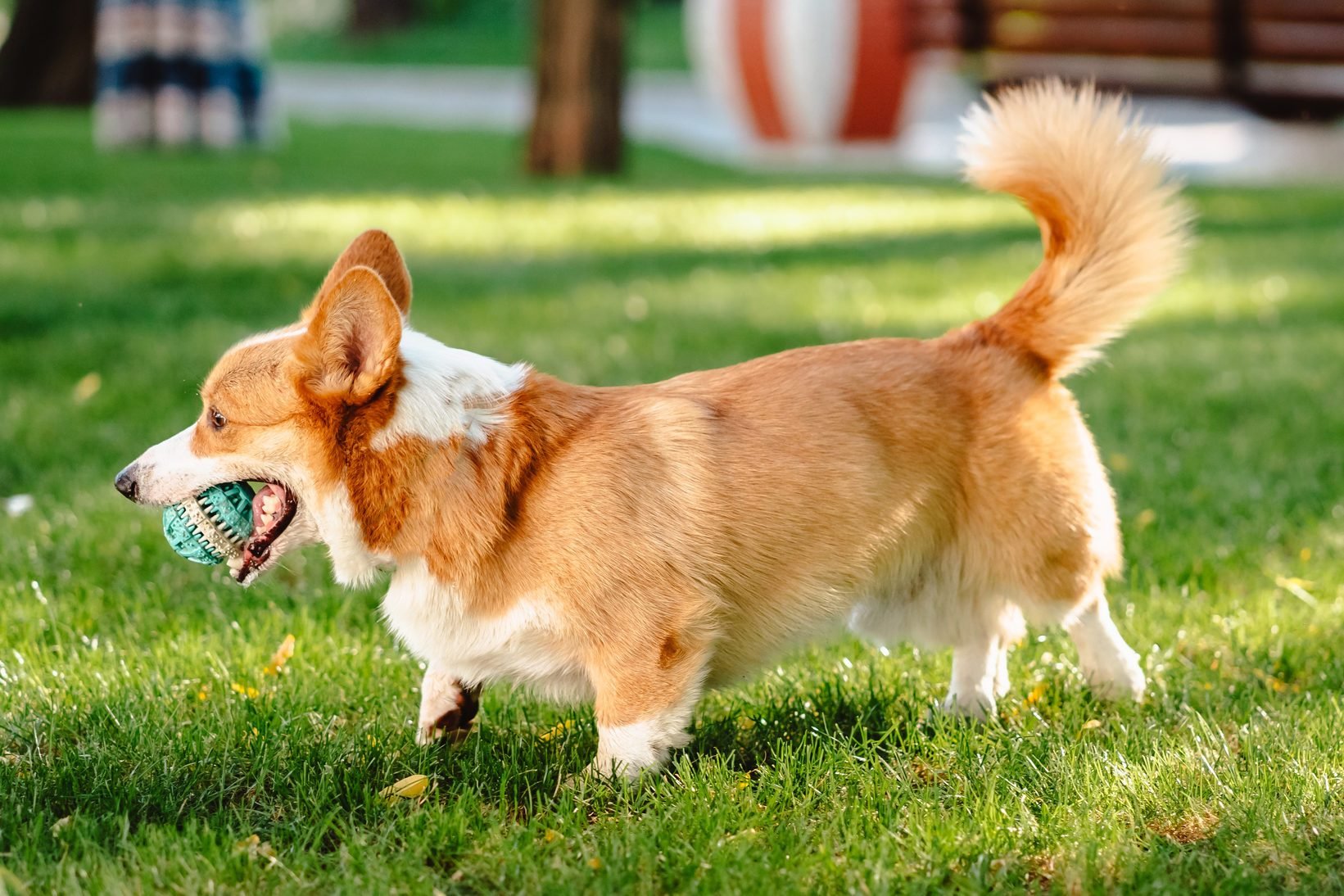
Fetch
In order to herd cattle, corgis nip at their ankles. It helps that they’re close to the ground.
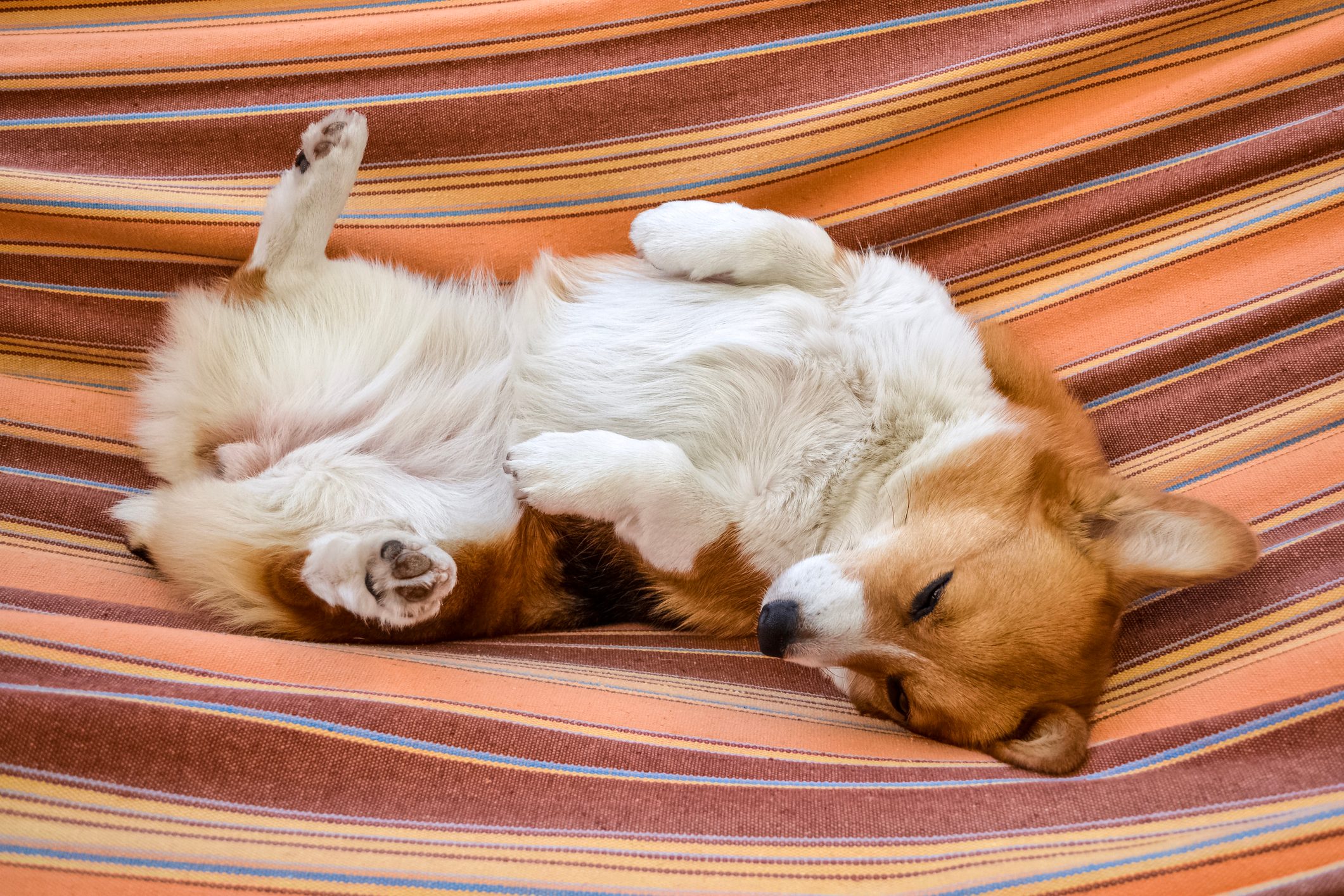
Snoozing
Queen Elizabeth II adores corgis and has had more than 30 in her lifetime.
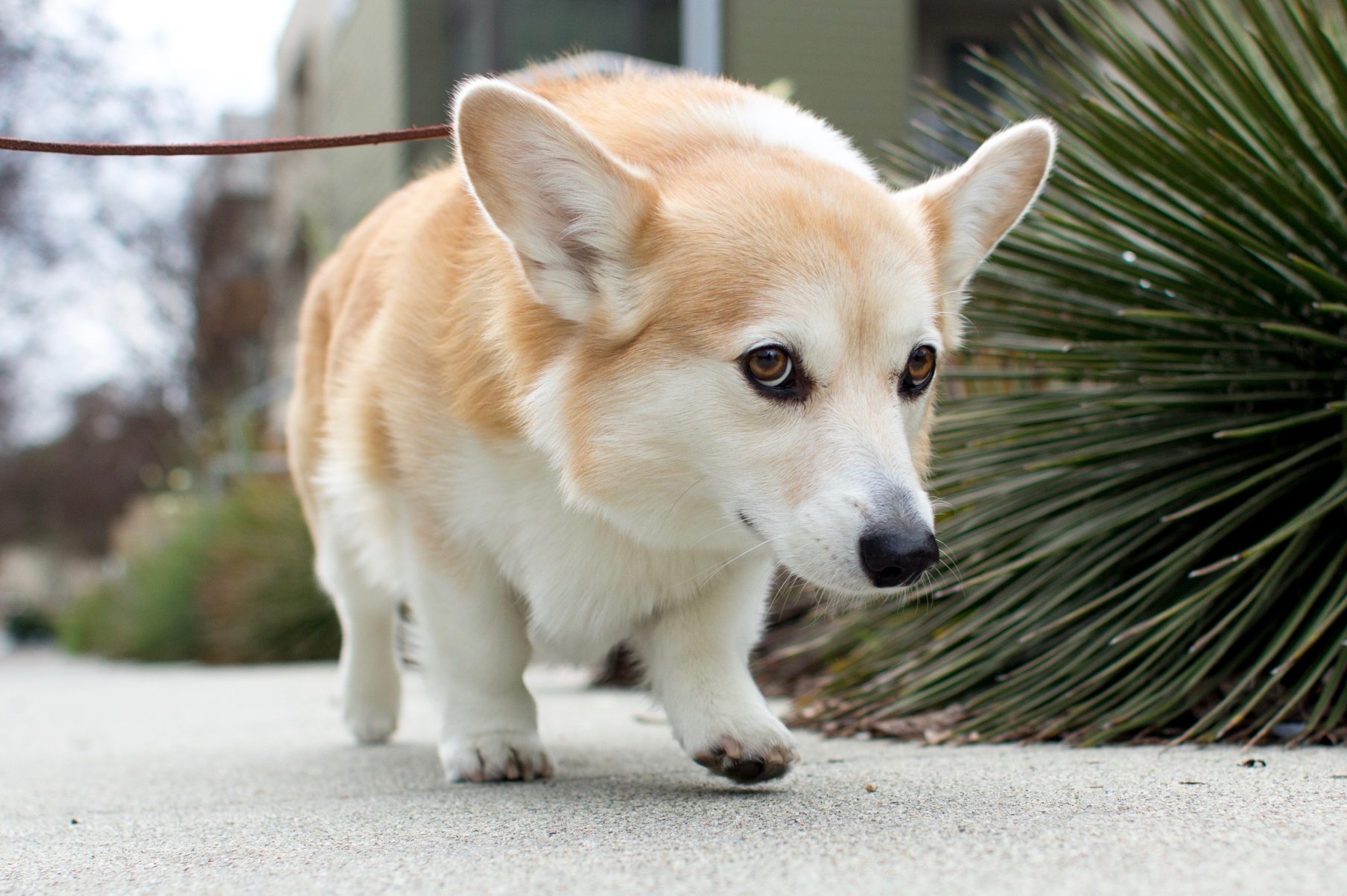
Low rider
Most corgis are between ten and 12 inches and weigh 23 to 28 pounds when fully grown.
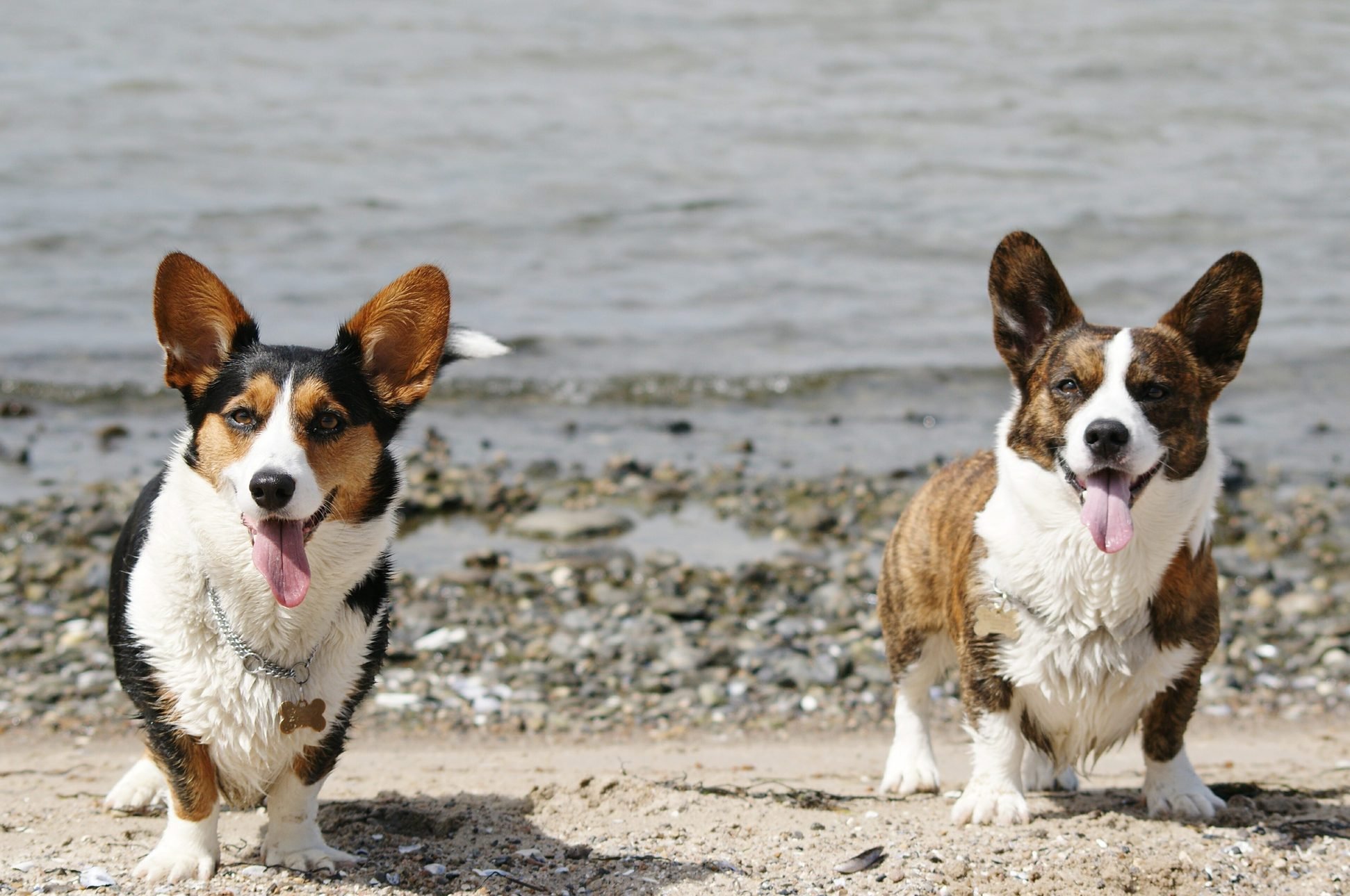
Sandy paws
The life expectancy of corgis is 12 to 15 years.
RELATED: 20 Dog Breeds That Live the Longest
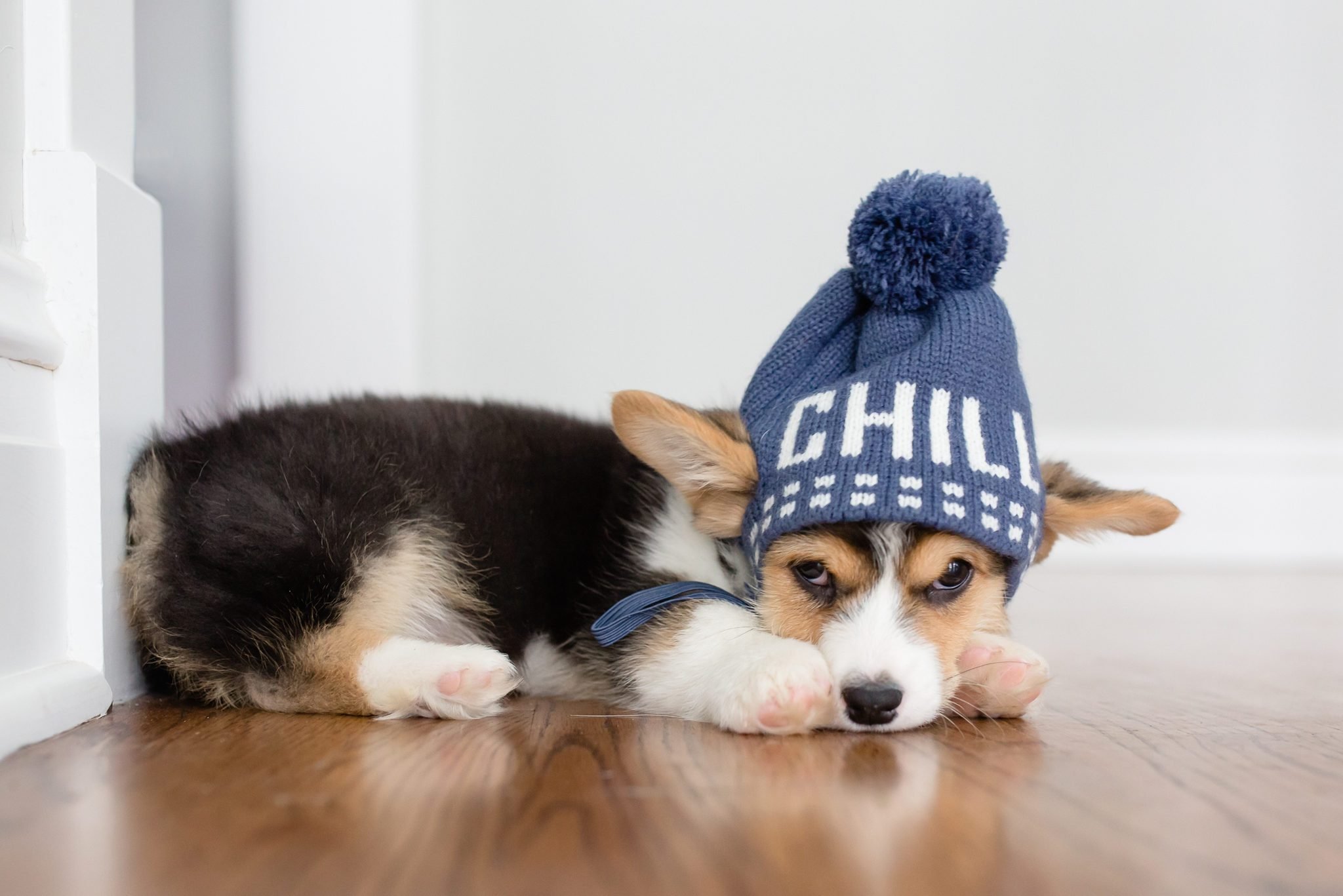
Chill pup
Corgis are double-coated and shed a lot. Some people call the fur they leave behind corgi glitter.
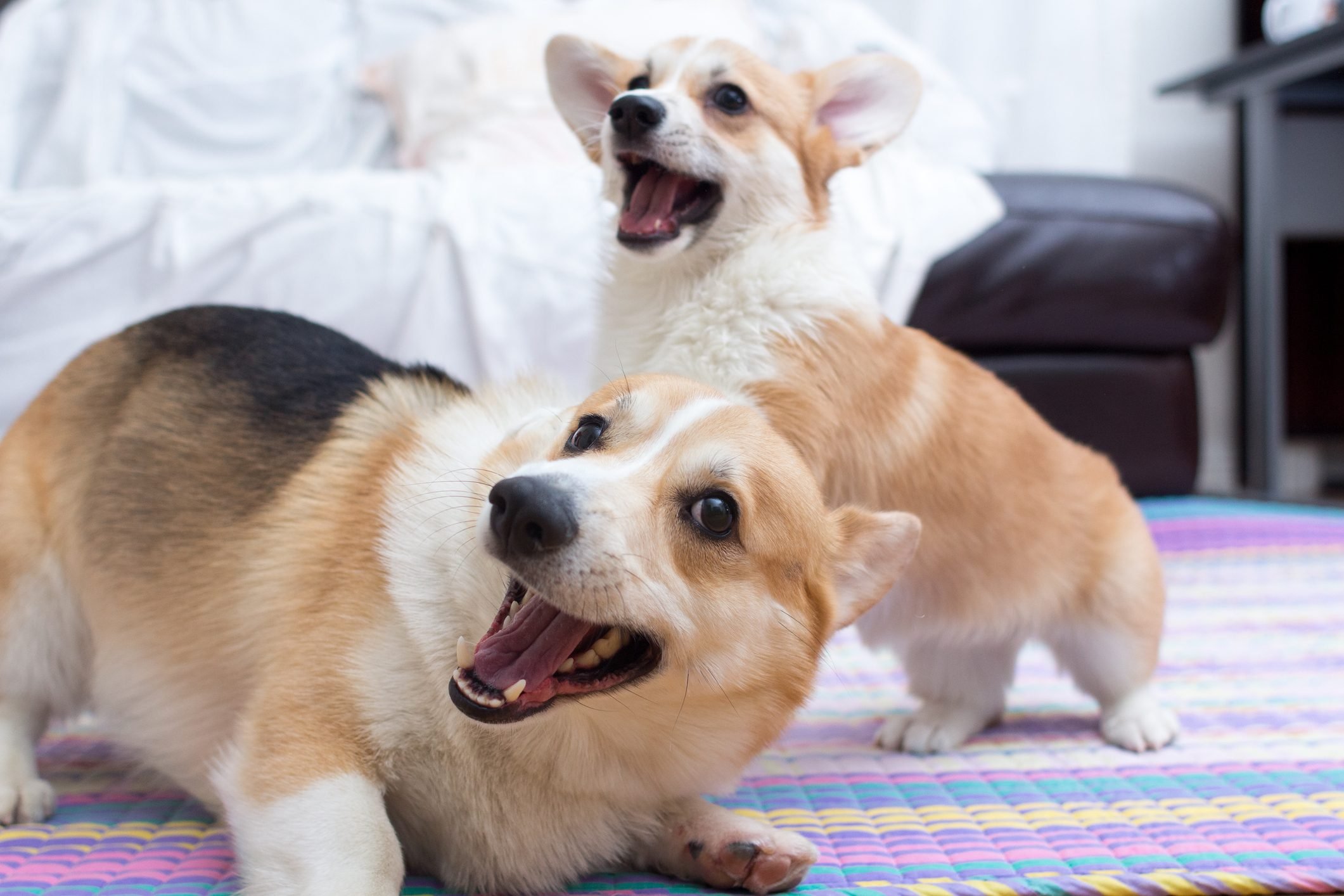
Play time
Corgis tend to reach their full size after one year. However, some continue to fill out until two to three years of age. If you think some of these corgi pictures are funny, you need to see these hilarious dog and cat photos.
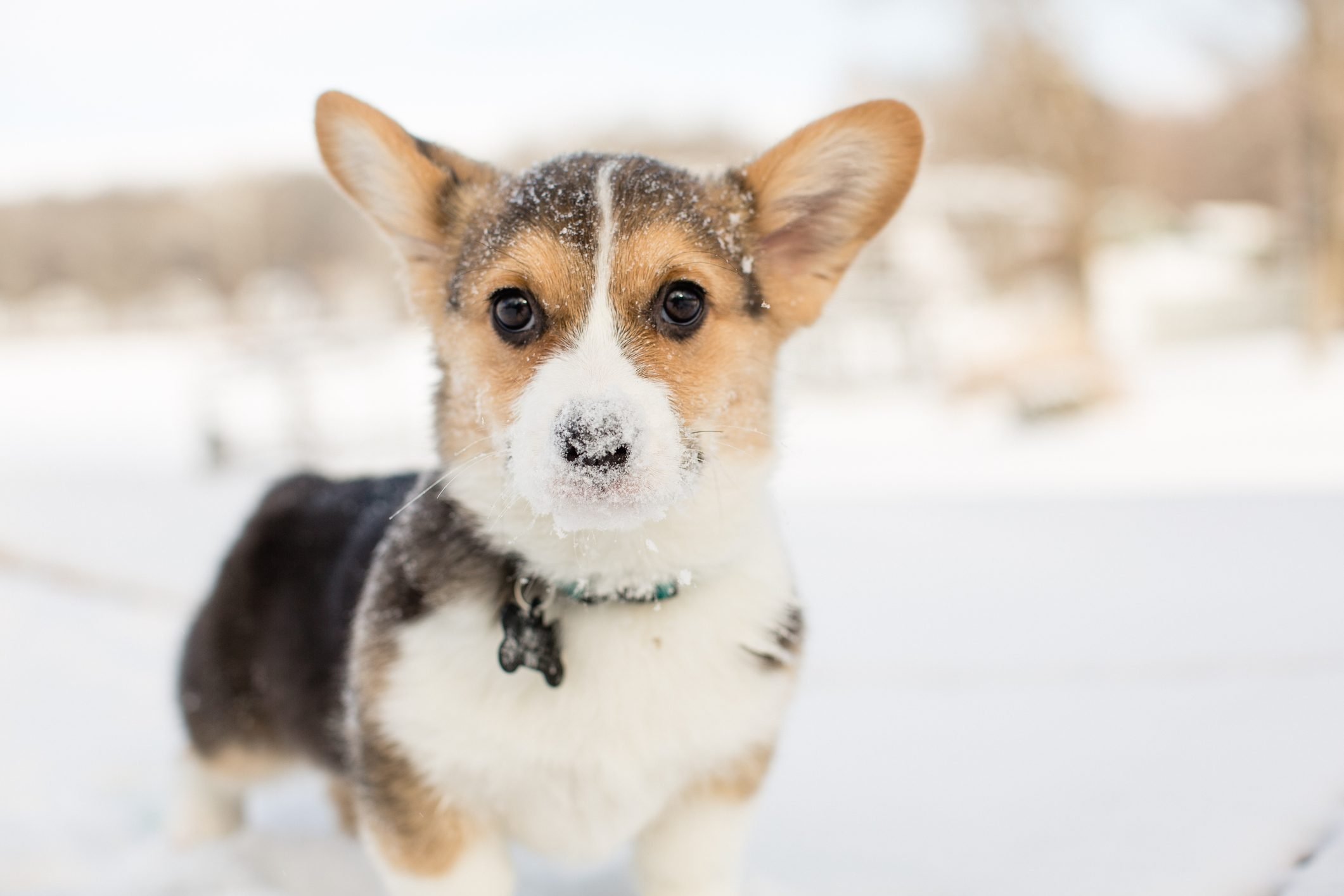
Snoot in the snow
Corgis are very smart so they can be easy to train. You need to make sure to train them from a young age so that they don’t try to become the head of the house.
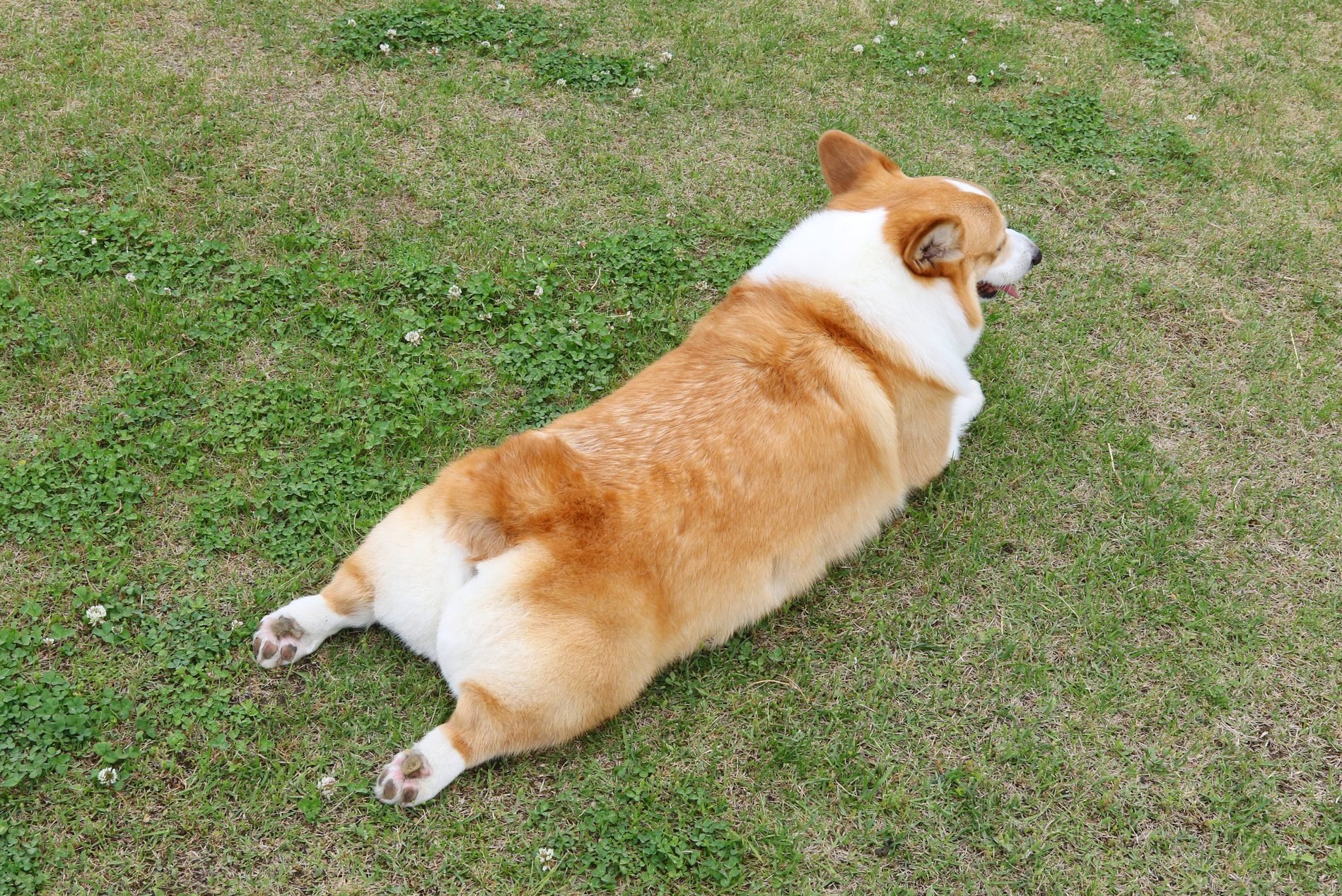
Sploot
A “sploot” is a classic corgi move where they spread both of their back legs out and lay down. It makes their butt look like two chicken wings.
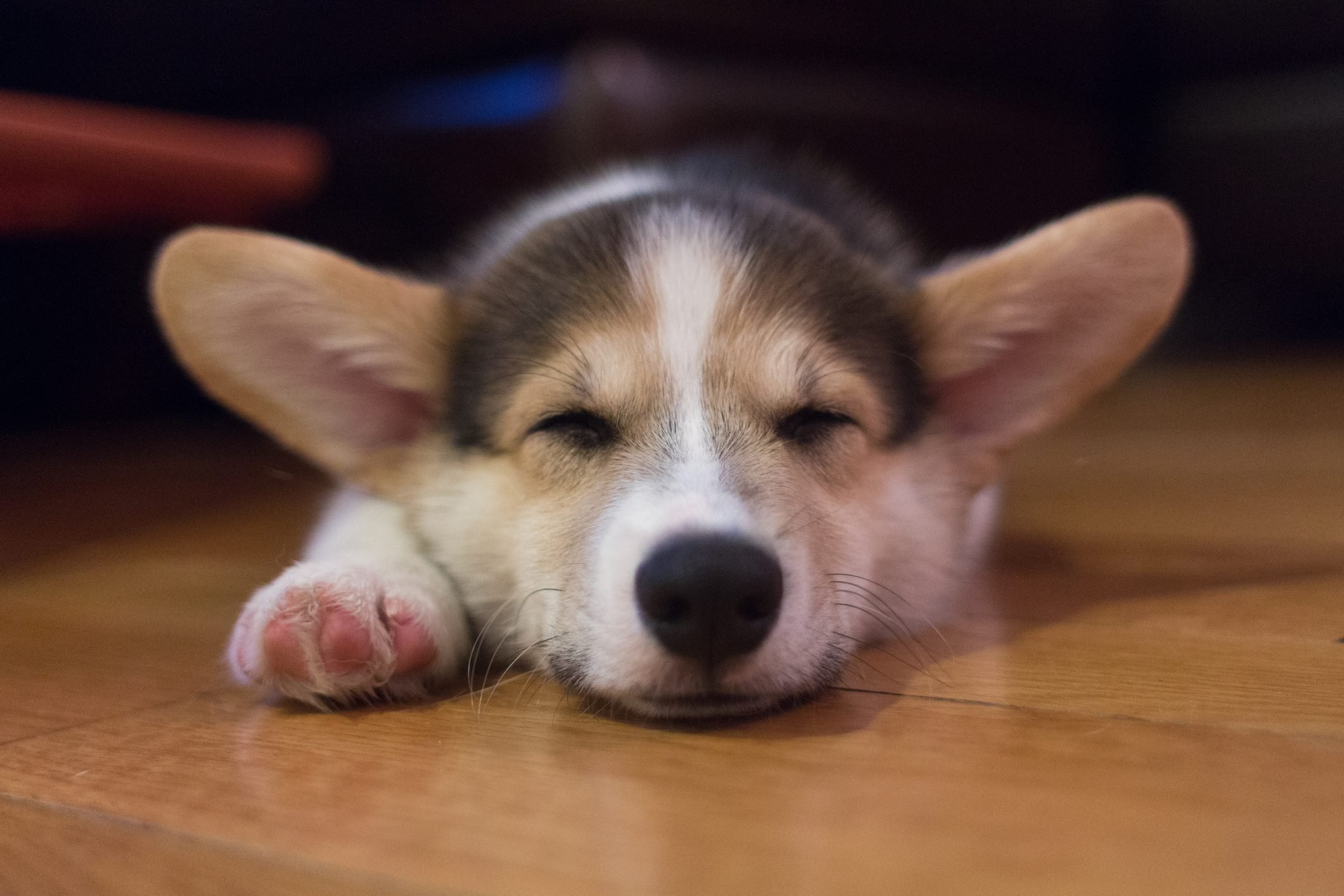
Tired ears
Corgis have big personalities and tend to be the life of the party.
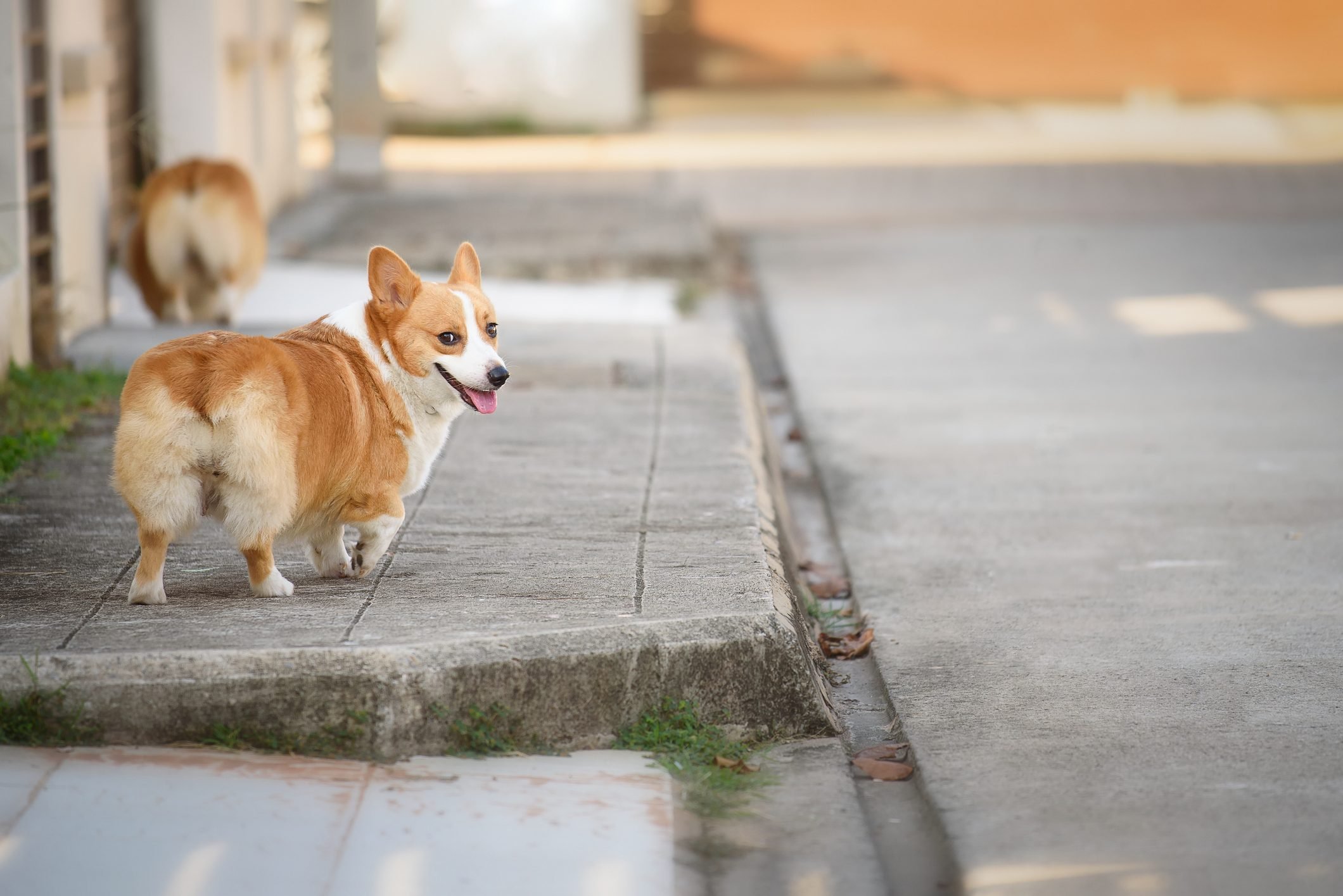
Follow me
Because of their herding skills, corgis have a great sense of direction and always know where home is.
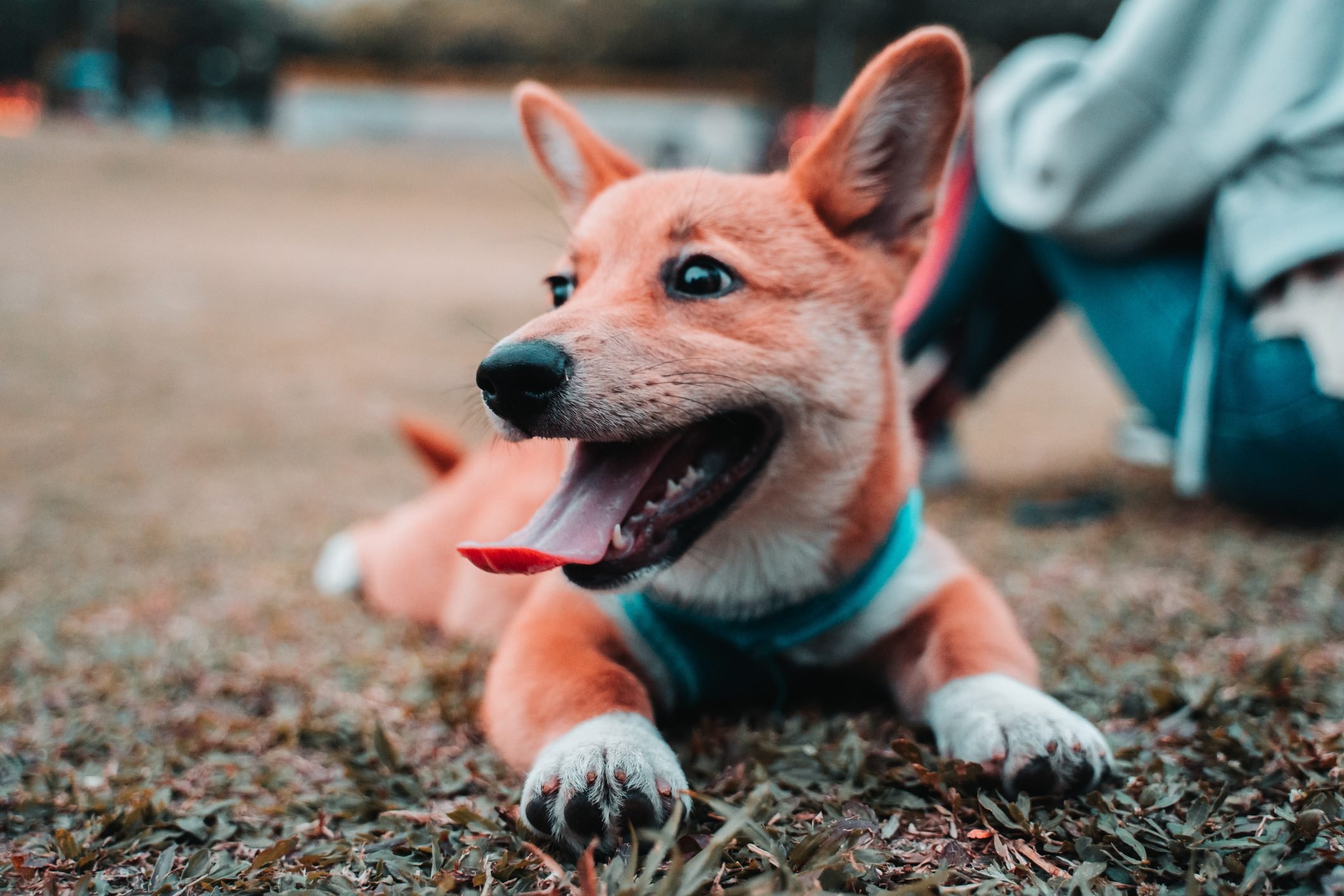
Cool down
Corgis are generally very social dogs. There are actually corgi meet-ups that happen all around the country (and world!) where corgi owners gather together to let their stumpy dogs play.
RELATED: 11 Most Affectionate Dog Breeds That Love to Cuddle
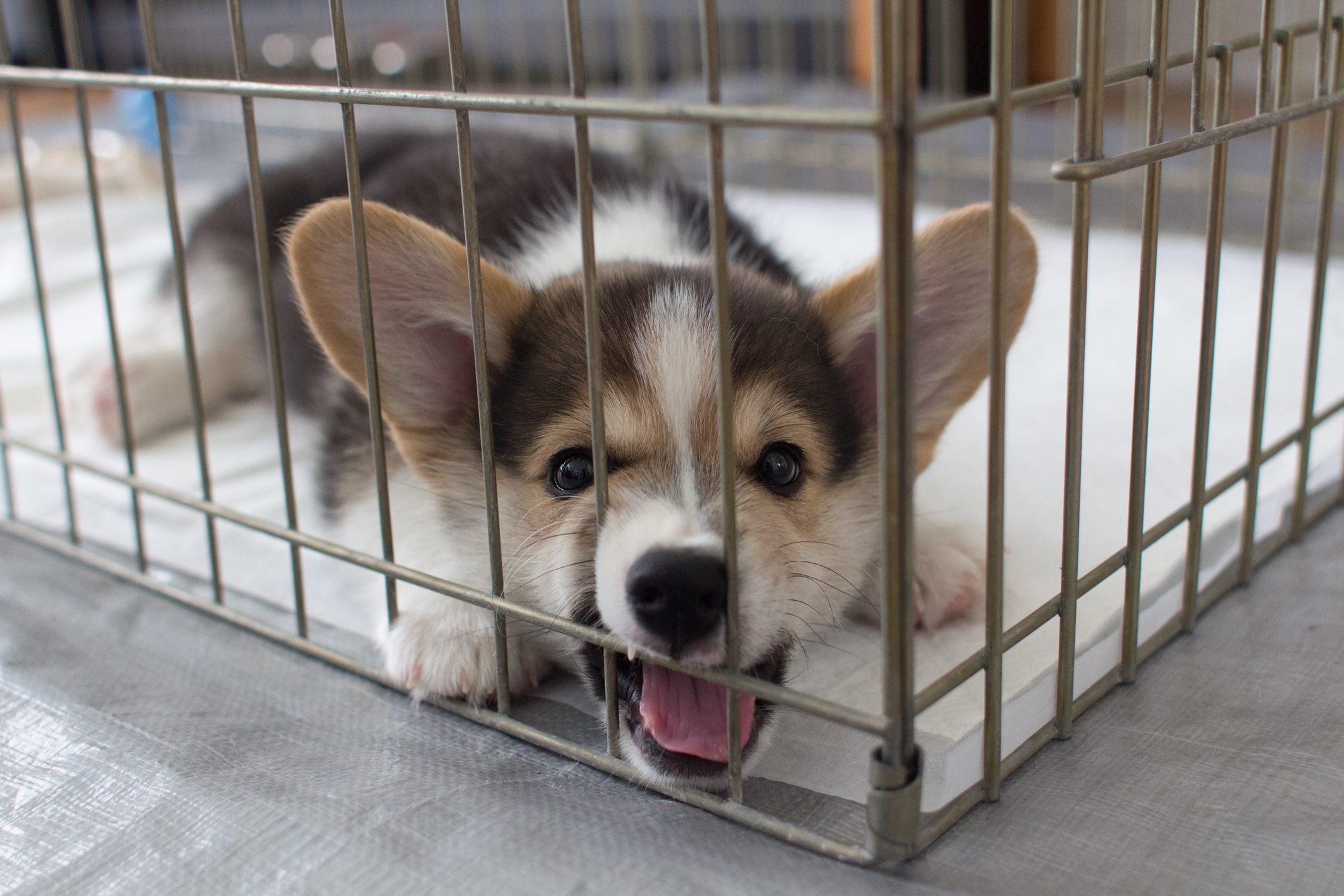
Let me out!
When corgis are laying down with all of their paws underneath them, they tend to look like an extra cute loaf of bread.
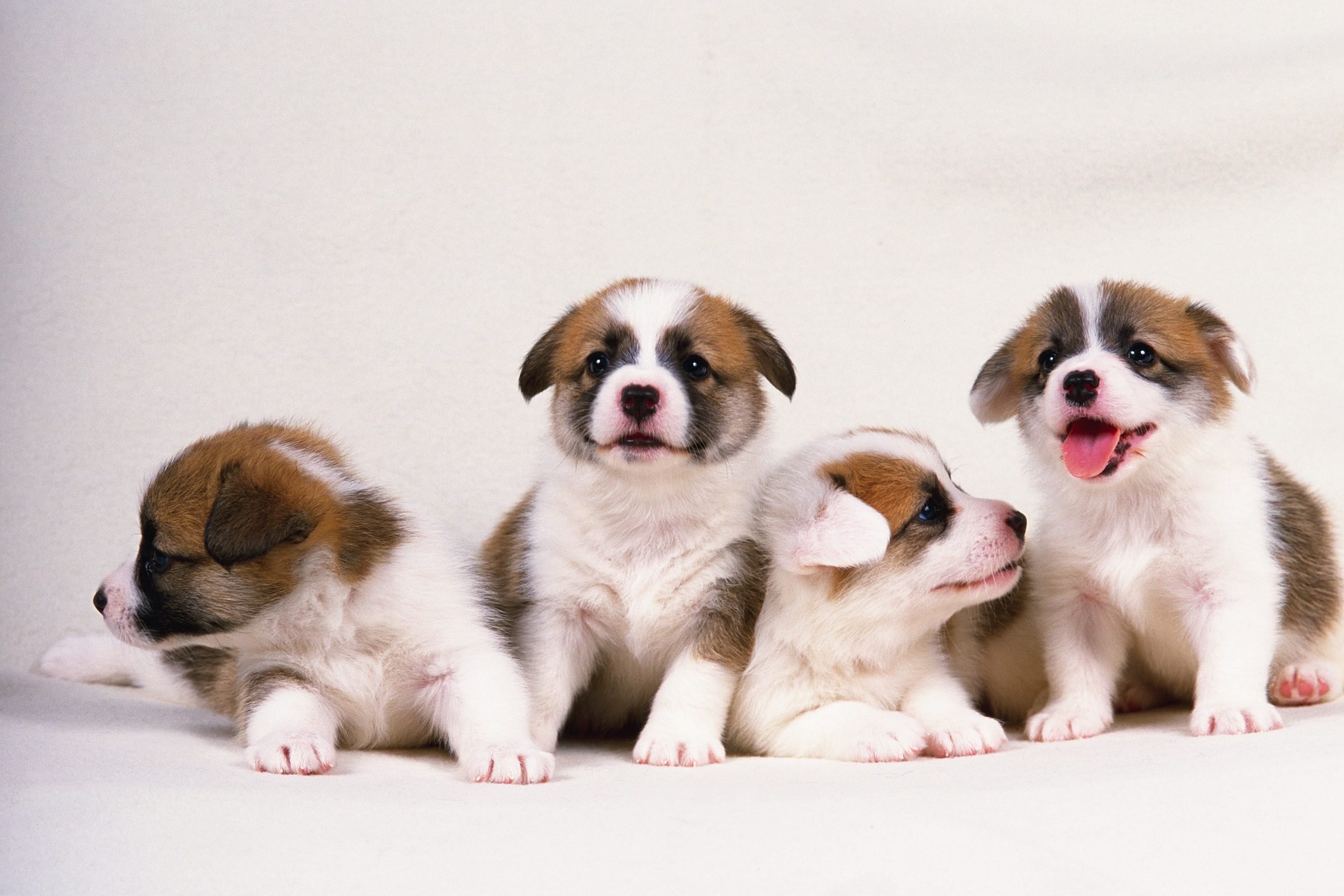
Puppies galore
Corgis ears don’t pop up until they are a few weeks old. Sometimes one pops before the other and it looks super cute.
RELATED: 75 of the Most Adorable Animal Pictures That Will Make You Say “Awww”
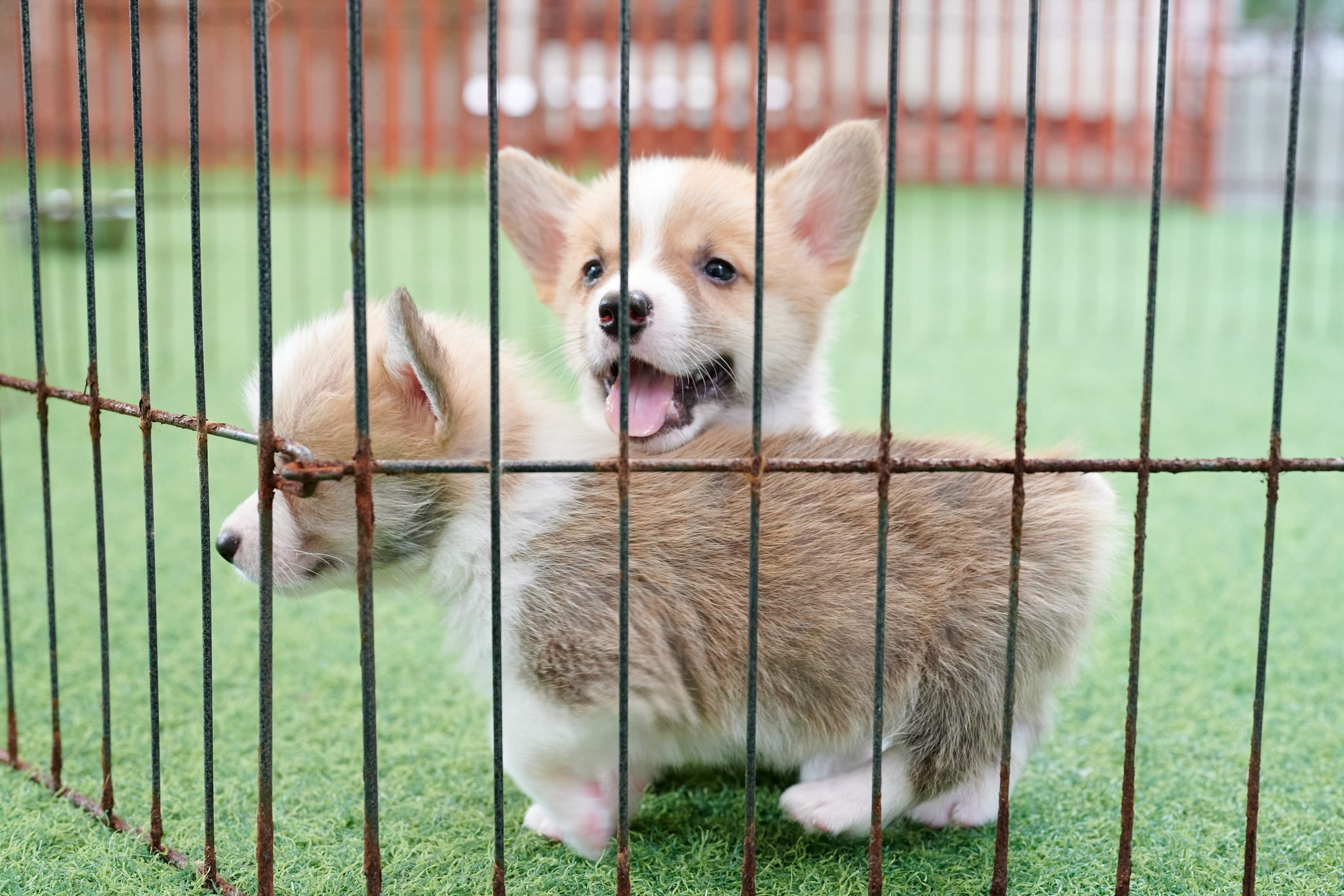
Tiny pups
A potential downside of corgis is that they tend to bark a lot. And their barks are loud. If you want to keep your neighbors away, though, this may be a good thing.
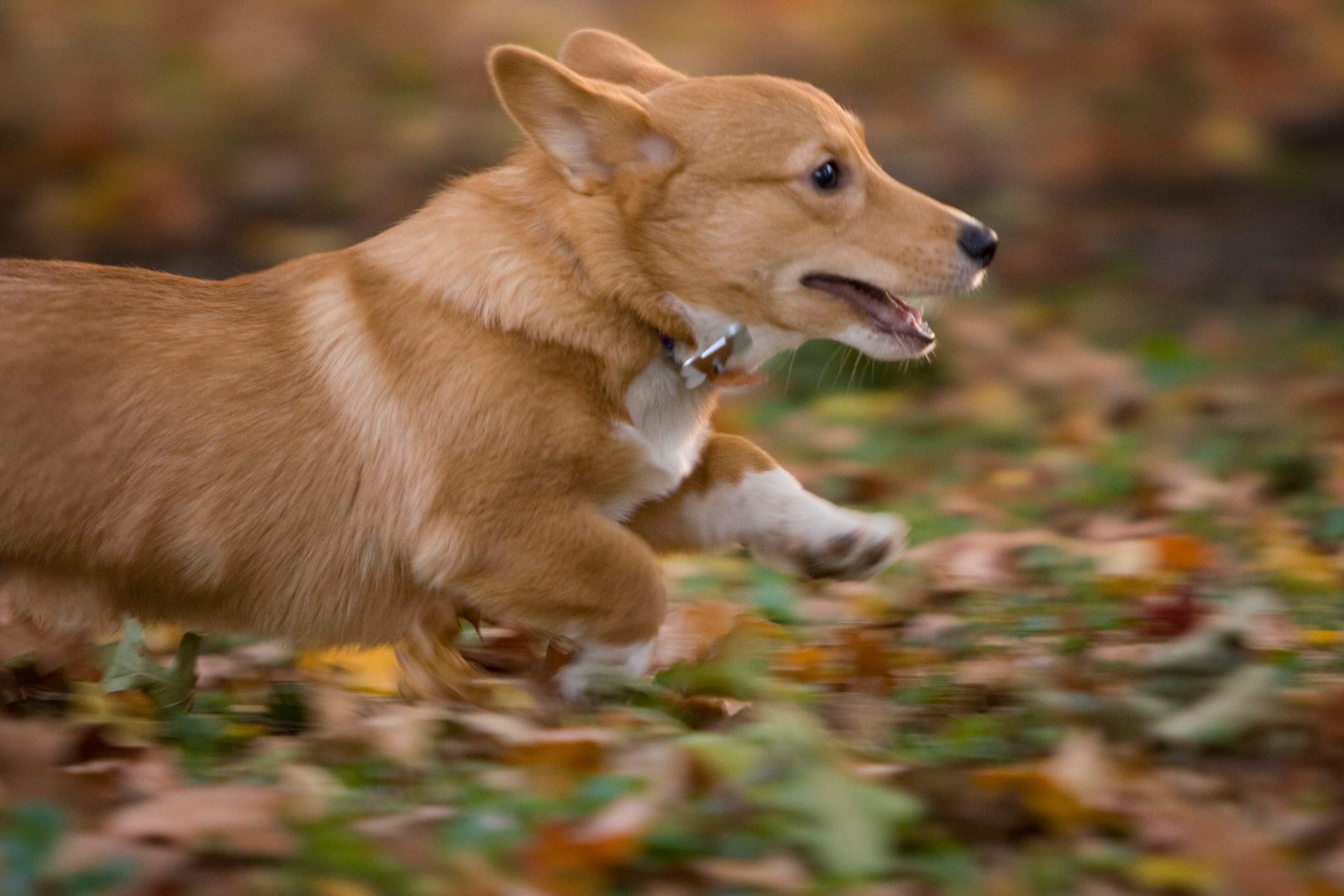
Super speedy
Even though corgis have big ears they can sometimes be the worst listeners.
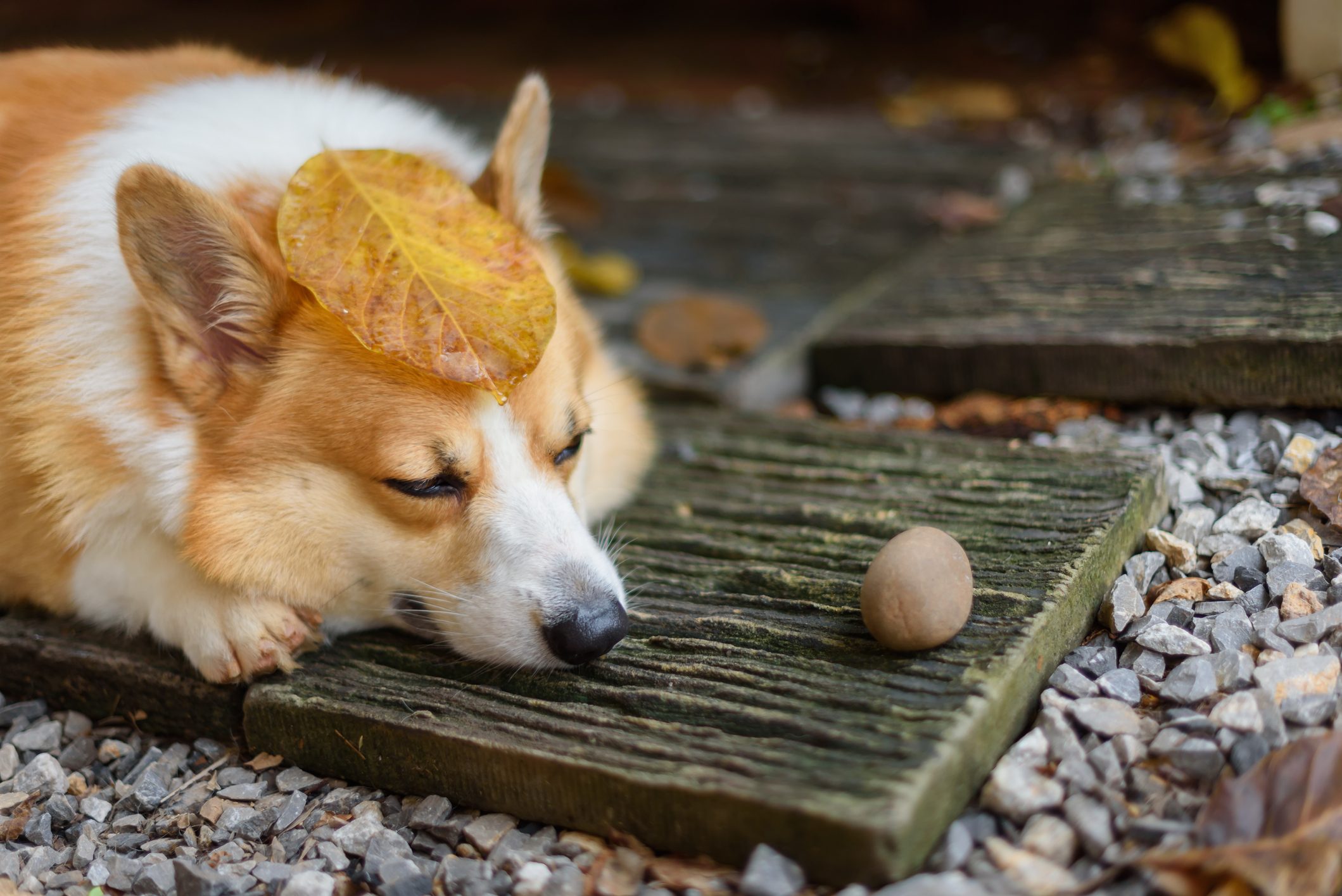
Peacefully resting
When corgis feel guilty for doing something bad, they typically put their ears back and roll over to expose their stomach. It’s so hard to stay mad at them!
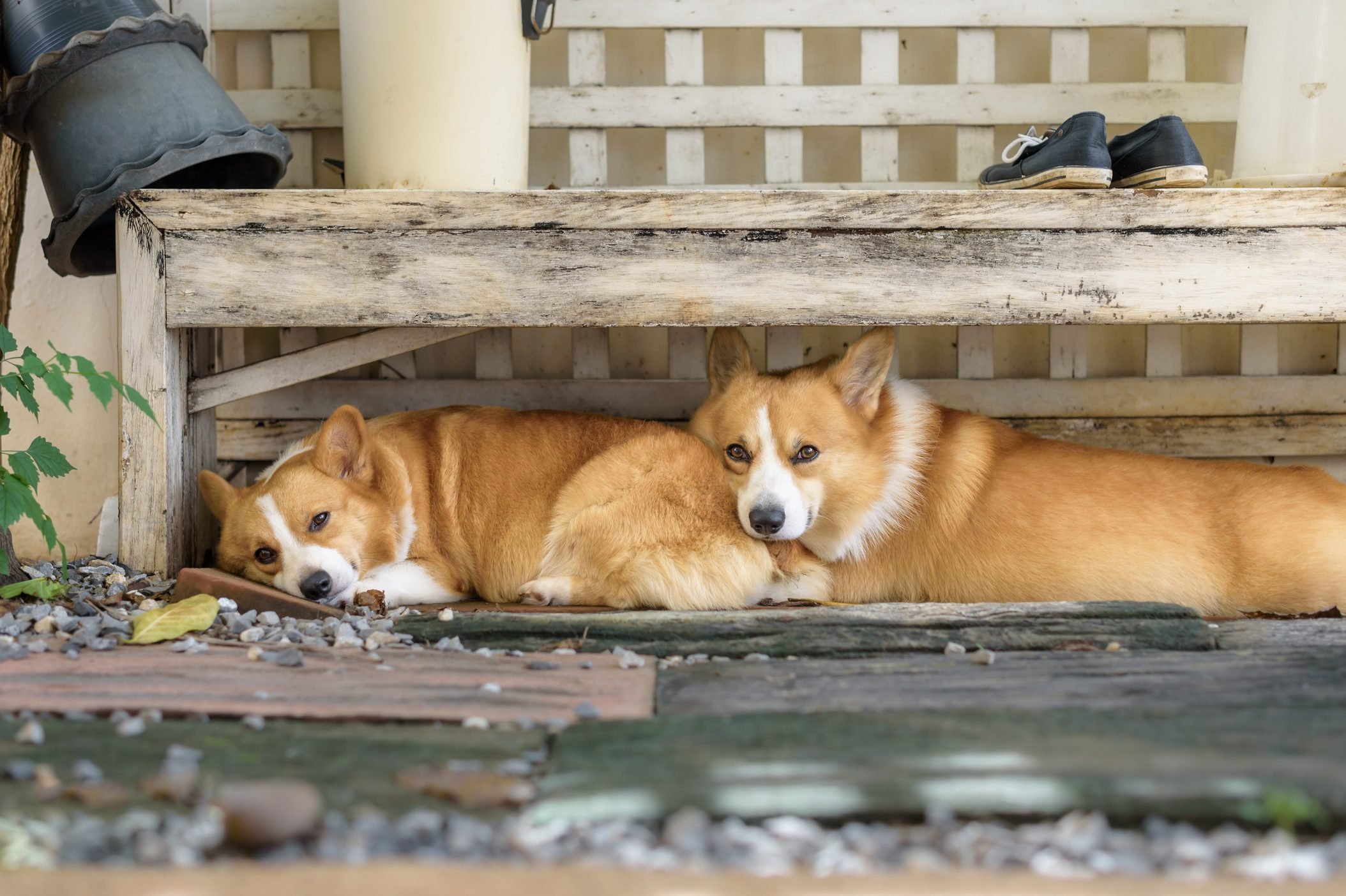
Originally Published: March 30, 2021
